Is the Great Salt Lake Dying? What Utah's Water Crisis Means for Real Estate, Housing, and the Future of Living in Utah
The Two Biggest Challenges Facing Utah Today: Affordable Housing and Water
When I talk to people every single day as a Utah real estate agent and team leader, two problems come up over and over again. The first is affordable housing in Utah. The second is water — and specifically the Great Salt Lake. These two challenges are deeply connected, and you cannot solve one without addressing the other.
The solution to Utah's affordable housing crisis is to build more homes. Basic economics tells us that increasing the supply of housing slows price growth, and that is the goal. I want my children and future grandchildren to be able to afford to live in Utah the same way I have. But building more homes requires more water, and that is exactly where the Great Salt Lake water crisis becomes the central problem in the entire conversation about Utah's future.
What Is Happening to the Great Salt Lake? A Crisis Decades in the Making
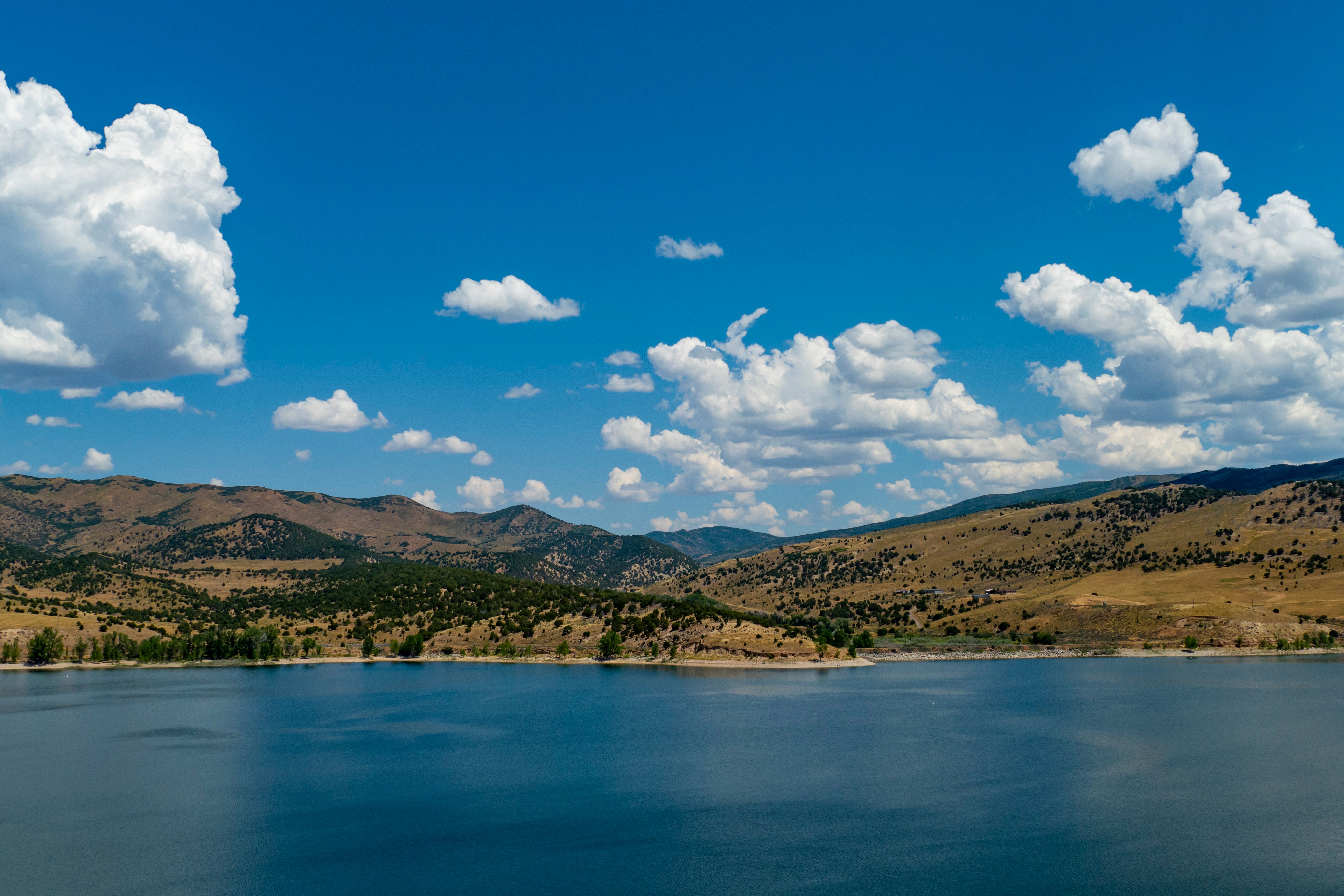
I am 47 years old. I grew up in Utah, and I remember as a kid when the Great Salt Lake was actually flooding. The governor at the time had to order massive pumps to push water out into the West Desert because the lake was too full. In just my lifetime, over the course of about 40 years, the Great Salt Lake has gone from flooding to critically low levels. That is a staggering reversal in a very short period of time.
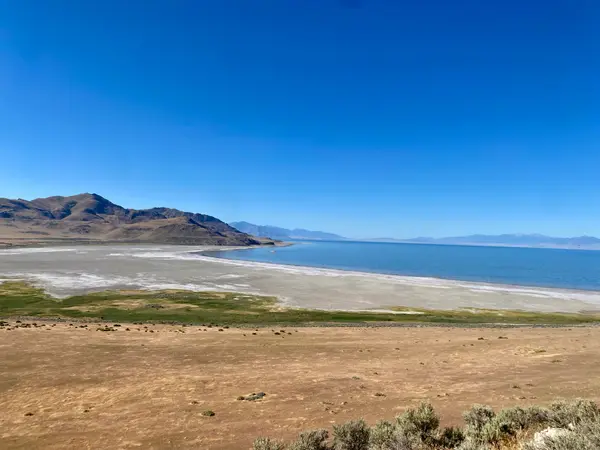
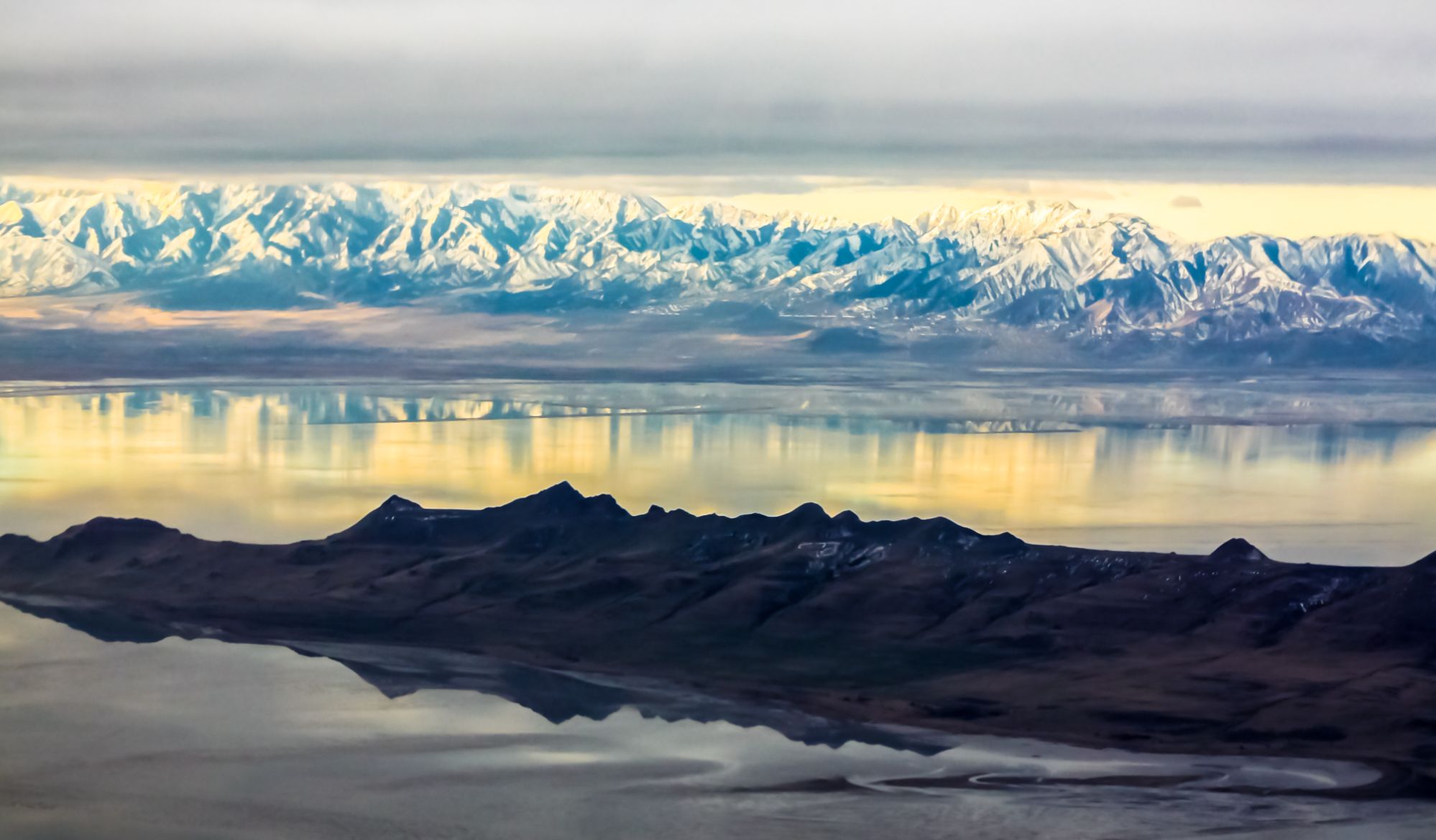
Between 1986 and today, the Great Salt Lake has visibly shrunk to a fraction of its former size. When the Great Salt Lake hit its record low in 2022, the water level was nearly 10 feet below the threshold considered healthy. Ten feet may not sound like much until you look at a map and understand how large this lake is. At that point, the lake's overall volume had fallen approximately 67 percent since pioneers first settled in the Salt Lake Valley.
As the Great Salt Lake continues to shrink, the exposed lake bed becomes a source of toxic dust containing arsenic and other dangerous minerals. When that dry lake bed is disturbed by wind, those toxins become airborne and blow directly into the communities of the Wasatch Front. Some Utah officials have described the Great Salt Lake crisis as an environmental nuclear bomb. If the lake dries up completely, the Wasatch Front could become essentially uninhabitable. That is not an exaggeration. That is a scientific assessment of what is at stake.
Why Is the Great Salt Lake Salty? Understanding Utah's Ancient Lake Bonneville
People who are new to Utah often ask why the Great Salt Lake is salty in the first place. The answer is that the Great Salt Lake is a terminal lake with no outflowing tributaries. Water flows in from rivers and streams, but it has nowhere to go. Over hundreds and thousands of years, as water evaporates and leaves minerals behind, the salinity increases. The Great Salt Lake is actually just the remnant of a much larger ancient body of water called Lake Bonneville, which once covered most of what is now northern Utah and extended into Nevada and Idaho.
The Bonneville Salt Flats in western Utah — one of the most photographed and iconic locations in the entire state — are a direct remnant of ancient Lake Bonneville. When that massive lake dried up over millennia, what remained was the Great Salt Lake we know today, and the salt flats where land speed records have been set many times over.
The Full Ecological Impact of the Great Salt Lake Shrinking
The Great Salt Lake is not just a scenic feature of the Utah landscape. It is the backbone of a complex ecosystem that affects life across the entire region. Here is what is at risk if the Great Salt Lake continues to shrink:
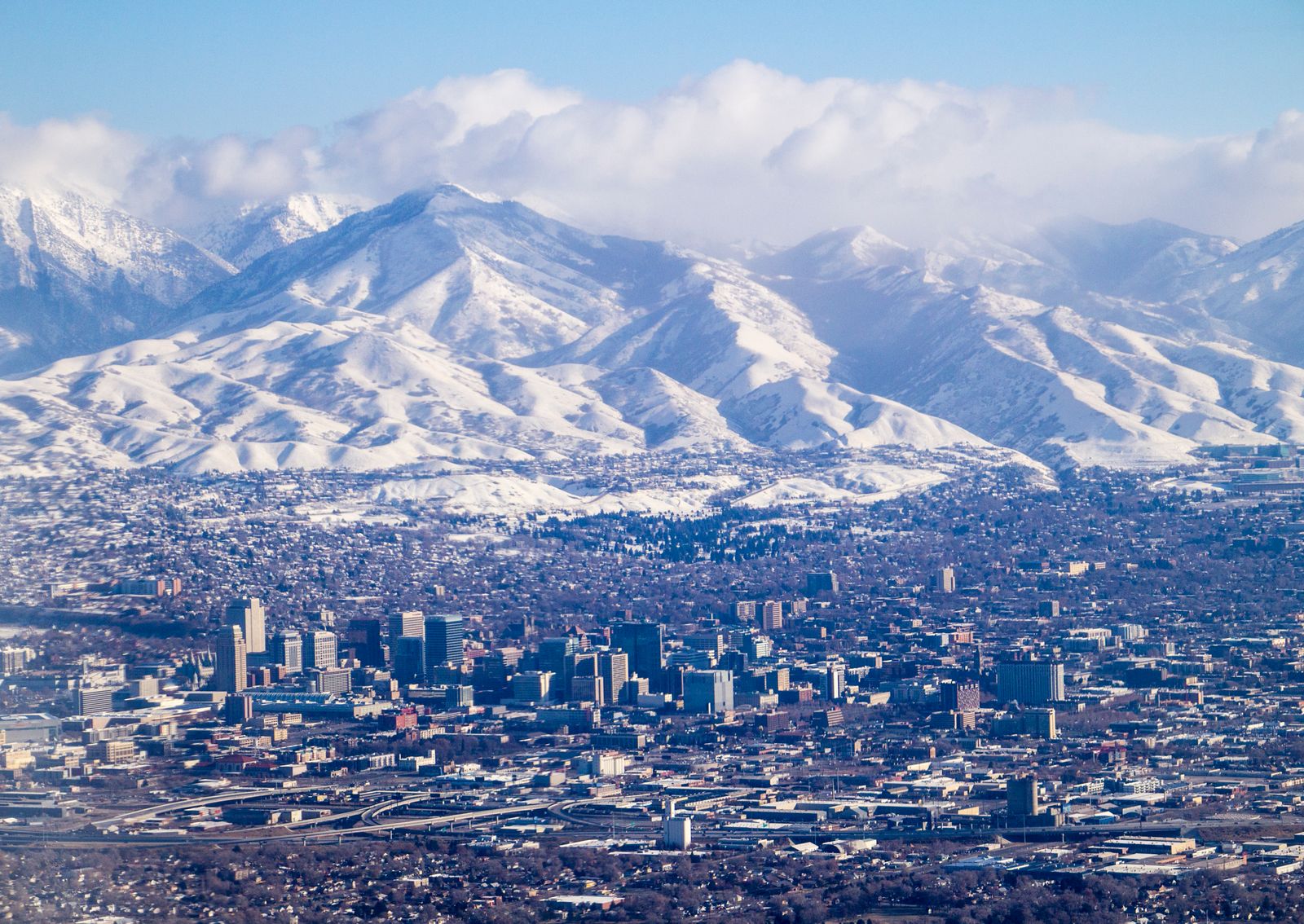
Toxic dust. The exposed lake bed contains arsenic and other heavy metals. As it dries, wind carries these toxins across the Wasatch Front into the communities of Salt Lake City, Provo, Ogden, and every city in between.
Lake effect snow. The Great Salt Lake generates significant moisture that fuels the famous Utah snowpack in the Wasatch Mountains. Less water in the lake means less lake effect snow, and less snowpack means less drinking water for the millions of people who live along the Wasatch Front.
Migratory birds. The Great Salt Lake is one of the most critical migratory bird stopovers in the Western Hemisphere. Hundreds of species of migratory birds depend on the lake.
Brine shrimp industry. The Great Salt Lake supports a significant commercial brine shrimp industry. Brine shrimp harvested from the lake are sold worldwide as fish food and aquaculture feed.
All of these things are interconnected. Saving the Great Salt Lake is not just about preserving a pretty view. It is about protecting the conditions that make Utah livable and economically viable.
Who Is Using Utah's Water? What Most People Do Not Know
One of the most surprising facts about water use in Utah is that residential use accounts for less than 8 percent of all water consumed in the state. Residential water use in Utah has risen about 75 percent since the mid-1990s as the population has grown rapidly, but that growth is relative to a very small slice of total water consumption.
The single largest user of water in Utah by far is agriculture. Farming and irrigation account for the vast majority of water diverted away from natural waterways and away from the Great Salt Lake. This is not about blaming farmers. It is about understanding where the water is going and having an honest conversation about how to redirect more of it to where it is needed most.
For anyone moving to Utah from the East Coast, Texas, or other parts of the country where water is abundant, this concept is difficult to grasp at first. Here in Utah, water is not something you try to get rid of. Water is liquid gold. The monetary value and the strategic importance of water rights in Utah cannot be overstated.
The Plan to Refill the Great Salt Lake: What Is Being Done
In the fall of 2024, Utah Governor Spencer Cox announced an ambitious goal: refill the Great Salt Lake by 2034 — the same year Salt Lake City plans to host the Winter Olympic Games. To hit that target, Utah needs to secure approximately 800,000 acre feet of water per year flowing to the Great Salt Lake. For context, one acre foot of water is roughly half the volume of an Olympic-size swimming pool. Last year, the state delivered an extra 163,000 acre feet to the lake, which was the highest mark in five years. That is real progress, but it is still far short of what is needed.
In January 2025, the state of Utah took a significant step by purchasing US Magnesium, a bankrupt mining company, for 30 million dollars. That company had been using between 65,000 and 80,000 acre feet of water annually. By shutting it down and redirecting that water, the state essentially bought those water rights and sent them permanently to the Great Salt Lake.
Josh Romney, son of former Senator Mitt Romney, launched a 100 million dollar philanthropic campaign in coordination with Governor Cox's announcement. The Church of Jesus Christ of Latter-day Saints — the largest single owner of water rights in Utah — has pledged significant water contributions to the Great Salt Lake. Even President Trump made public comments in support of restoring the lake. The political will is broadening across party lines because this is not a partisan issue. It is an existential one.
Restoring the Great Salt Lake is unprecedented. Nowhere in the world has a terminal saline lake been successfully refilled to full capacity. Utah is attempting something that has never been done before. That is daunting, but it is also exactly the kind of challenge that Utahns have a history of rising to meet.
What the Great Salt Lake Crisis Means for Utah Real Estate and Housing Affordability
From a Utah real estate perspective, the Great Salt Lake water crisis is not a background issue. It is a front-and-center challenge that directly affects housing supply, home prices, and the long-term investment value of property along the Wasatch Front.
Utah cannot continue to grow if it does not have water. New housing developments require water. New communities require water. Without a stable and growing water supply, growth is constrained, supply remains low, and home prices continue to rise. That is the direct link between the Great Salt Lake and Utah's affordable housing crisis.
On the other hand, restricting development to conserve water means limiting housing supply, which drives home prices even higher and pushes the dream of homeownership further out of reach for working Utah families. It is a difficult balancing act with no easy answers. But it is a conversation that every person who lives in, works in, or is considering moving to Utah needs to understand.
If you are relocating to Utah, buying a home in Salt Lake County, purchasing real estate in Utah County, or investing in property anywhere along the Wasatch Front, these water and environmental factors are part of the long-term picture you should be thinking about. A good Utah real estate agent will help you understand not just the home you are buying today, but the community and infrastructure you are buying into for the years ahead.
The Bottom Line on the Great Salt Lake and Utah's Future
The Great Salt Lake crisis is real, it is urgent, and it is something that every Utahn and every prospective Utah resident should understand. The good news is that awareness has grown dramatically, bipartisan support is building, significant financial commitments are being made, and the state is taking concrete steps to redirect water back to the lake. The bad news is that the task is massive, the timeline is aggressive, and mother nature does not always cooperate.
I believe we will figure this out. Utahns have a track record of solving hard problems, and when people are motivated by necessity, remarkable things happen. But it will take sustained commitment from government leaders, the business community, water rights holders, agricultural users, and everyday residents.
If you have questions about moving to Utah, buying a home along the Wasatch Front, or understanding what the Great Salt Lake situation means for your real estate decisions, I am always here to help. My team and I work across Salt Lake County, Utah County, and Summit County, and we make it our business to understand everything that affects life and real estate in this state.
Scott Steele | Team Lead, The Steele Group at Signature Real Estate Utah
Serving Salt Lake County, Utah County, and Summit County/Park City
www.TheUtahReel.com
Whether you are moving to Utah from out of state or making a move within Utah, The Steele Group is your real estate resource of choice. Reach out today to start the conversation.
Categories
Recent Posts