10 Places in Utah You Should Think Twice About (And Why)
10 Places in Utah You Should Think Twice About (And Why)
I've been selling real estate in Utah for years, and there are certain areas I consistently walk clients through more carefully than others. Not because they're "bad" - but because they come with trade-offs that most buyers aren't fully aware of until after they move.
A lot of agents will tell you Utah is amazing everywhere you go: strong market, great lifestyle, no wrong choices. That's a sales pitch. My job is different. My job is to make sure that if you do move here, you end up in the right place for your lifestyle, your goals, and your long-term investment.
My name is Scott Steele. I work with buyers and sellers across Utah every single week, including a lot of out-of-state relocations. And what I've learned is this: the biggest regrets don't come from the house itself. They come from the location decisions people didn't fully understand.
So in this guide, I'm walking you through 10 areas in Utah where I encourage buyers to slow down, do extra due diligence, and really understand what they're getting into.
1. West Valley City: Affordable, But You Need to Be Selective
West Valley City is often positioned as an affordable entry point into the Salt Lake market, and in many ways, that's true.
But the reason pricing is lower in certain parts of West Valley is tied to higher-than-average crime rates, particularly property crime and vehicle theft compared to surrounding suburbs.
Now, this doesn't mean the entire city is a no-go. There are perfectly fine pockets. But the variance is significant, and that's where buyers can get caught off guard.
What I tell clients: If you're considering West Valley, look at block-level data, not just city averages. Compare it directly to other areas at the same price point before making a decision.
2. Eagle Mountain: Beautiful Homes, Real Commute Trade-Offs
Eagle Mountain gets a lot of attention for new construction, newer homes, lower prices, and great mountain views.
The trade-off is infrastructure. There are limited routes in and out of the area, and commute times to Salt Lake can realistically reach 45 minutes to over an hour during peak hours.
Who it works for: Remote workers and buyers prioritizing space over proximity.
Who should think twice: Anyone commuting multiple days per week. Drive the commute during real rush hour before buying. It makes a huge difference.
3. St. George (Outer Areas): Lifestyle Fit Matters More Than You Think
St. George is one of the most beautiful areas in Utah, no question. But for buyers looking at outer growth areas like Washington City or newer developments, lifestyle fit becomes really important.
It's a smaller, more tight-knit community with a strong cultural identity, and not everyone feels immediately at home there. On top of that, some outer areas are still catching up in terms of dining, healthcare access, and amenities.
My advice: Don't just visit, simulate real life. Spend time there during the week, run errands, talk to locals. Make sure the day-to-day lifestyle matches what you're looking for.
4. Herriman and Bluffdale: Do Your Homework on the Land
These are attractive areas with newer homes,, good schools, great views. But parts of both areas have known geological considerations like flood zones, expansive soils, and landslide or drainage concerns. Most of this is mapped, but not always discussed upfront.
What to do: Run the property through Utah Geological Survey maps and FEMA flood data before you buy. It's a simple step that can save major issues later.
5. The Wasatch Front: The Air Quality Factor
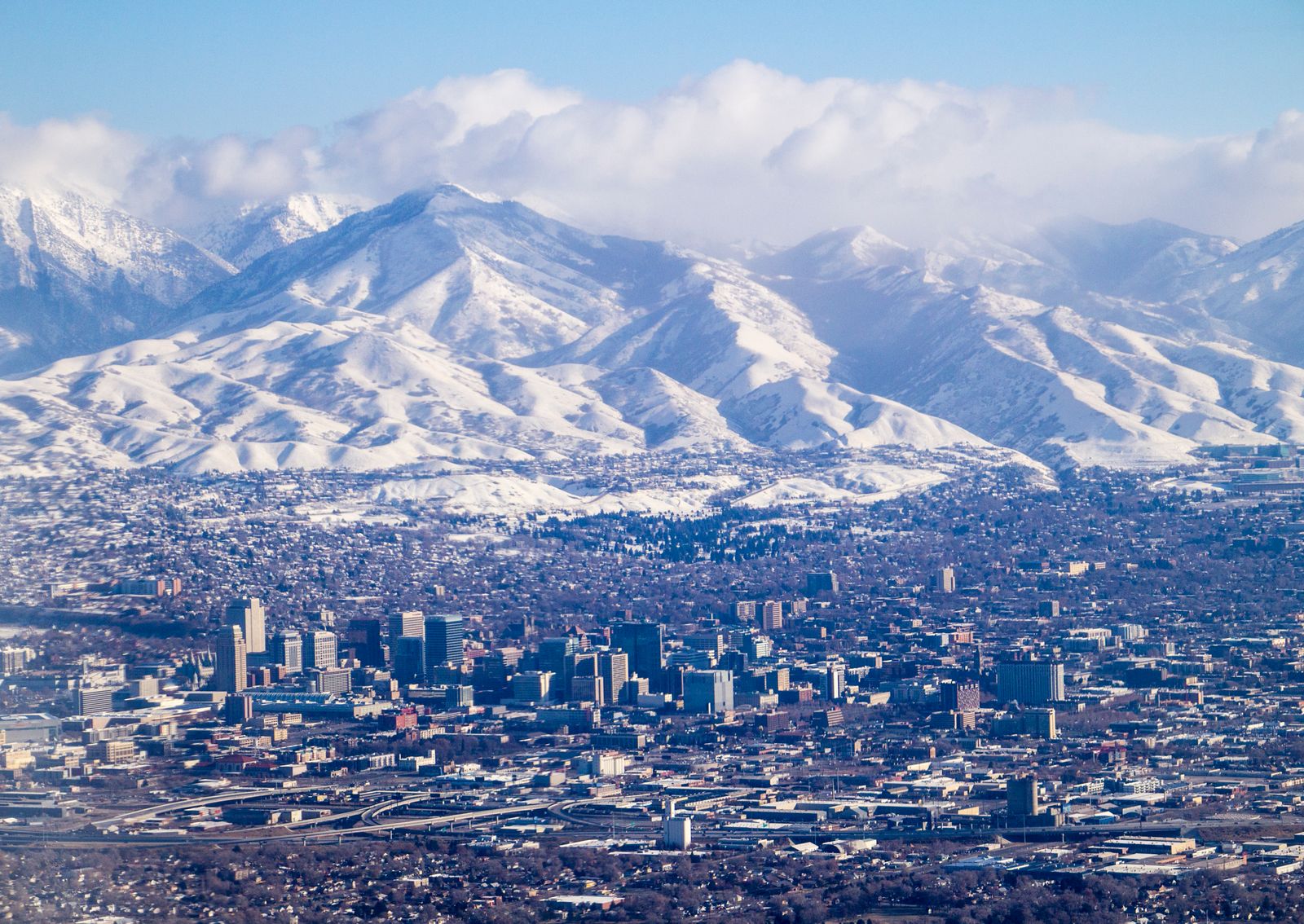
This isn't one city, it's the entire valley corridor from Provo to Ogden. Utah's winter inversion traps pollution in the valley, and air quality can drop into unhealthy ranges during certain months. This surprises a lot of out-of-state buyers who visit in the summer and fall in love.
What I recommend: Check winter AQI data for the exact area you're considering, especially if you have kids or any respiratory concerns. Even slight elevation changes can make a difference.
6. Ogden: Strong Potential, But Hyper-Local Matters
Ogden is evolving in a really positive way, especially in certain areas. But like many cities, it varies significantly by neighborhood. Some parts have higher crime and long-standing challenges, while others, especially east bench areas, are fantastic.
Key takeaway: Don't evaluate Ogden as a whole. Evaluate it street by street.
7. Price and Carbon County: Affordable for a Reason
If you're looking at rural Utah, Price can seem like a great value. The trade-off is economic trajectory. The area has historically relied on industries that have declined over time, which affects long-term demand and appreciation.
What to check: Population trends and local job growth. Affordable doesn't always mean strong long-term investment.
8. Rose Park and Glendale: "Up and Coming" With a Timeline
These Salt Lake neighborhoods are often described as "up and coming." And while there is potential, progress has been slow and highly block-specific. One street may be improving while the next may not be.
If you're considering these areas, go in with a long-term mindset and really evaluate the immediate surroundings.
9. Tooele: More House, But a Different Commute Reality
Tooele offers more space for the price, which is appealing. The trade-off is the mountain pass commute into Salt Lake, which can be impacted by traffic and winter conditions.
Best fit: Remote workers and buyers with flexible schedules. If you're commuting daily, experience that drive in real conditions before making a decision.
10. Vineyard: A Vision Still Catching Up
Vineyard is one of the fastest-growing areas in Utah, with a lot of new construction and big future plans. The trade-offs right now include infrastructure still catching up, traffic congestion, and Utah Lake water quality concerns.
You're buying into a long-term vision, not necessarily the finished product today.
The Bottom Line
None of these areas are "bad." Every single one can make sense for the right buyer. The difference is understanding the trade-offs before you commit.
That's where most mistakes happen, not from choosing the wrong house, but from choosing a location without the full picture.
If you're planning a move to Utah and want help thinking through these decisions, my team and I do this every day. Reach out anytime, we're here to help you make the right move, not just a move.
Scott Steele | HOME@TheUtahReel.com | 801-680-8050 | www.TheUtahReel.com
Categories
Recent Posts