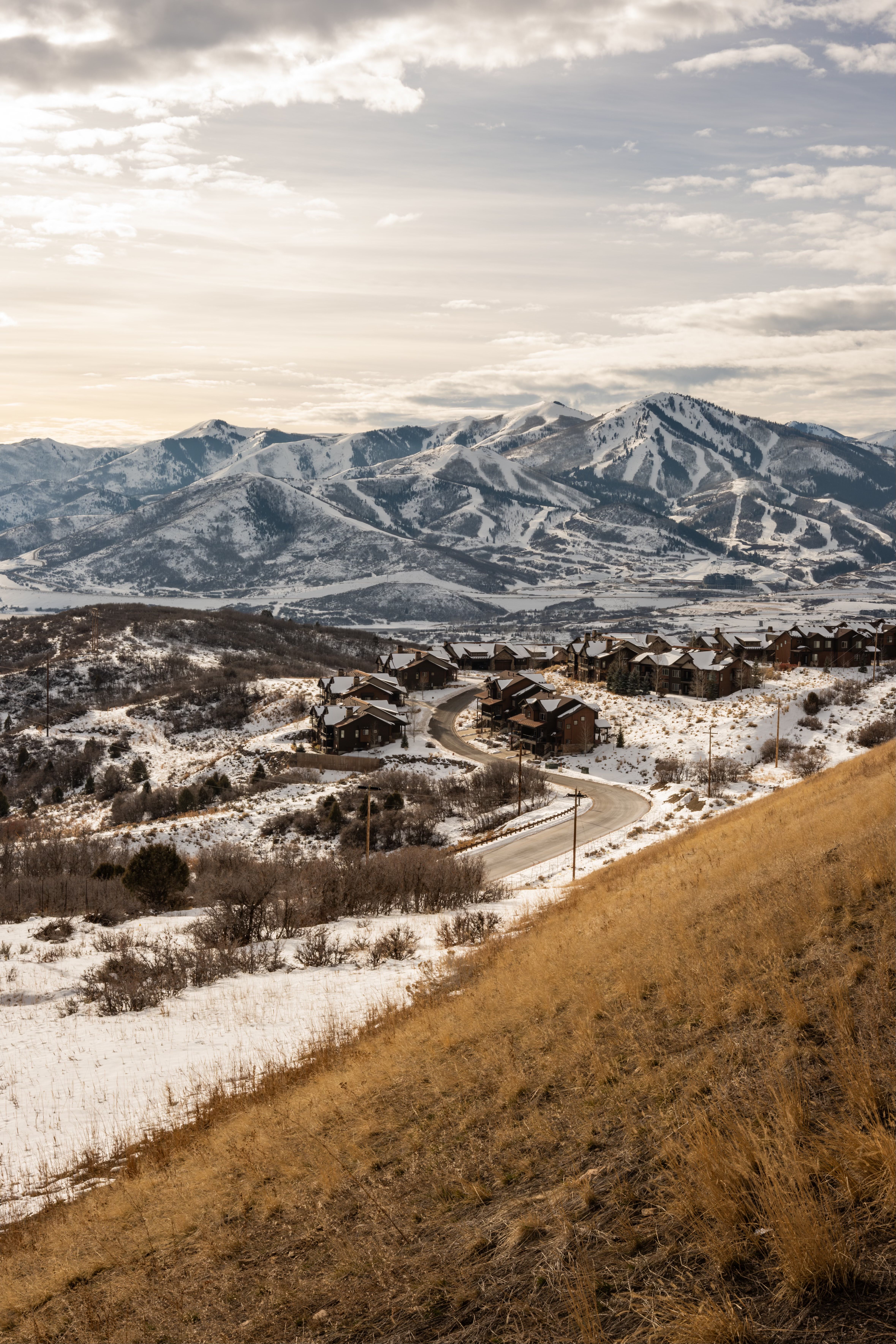
What It Really Costs to Own in Park City, and Who Buys It From You Later
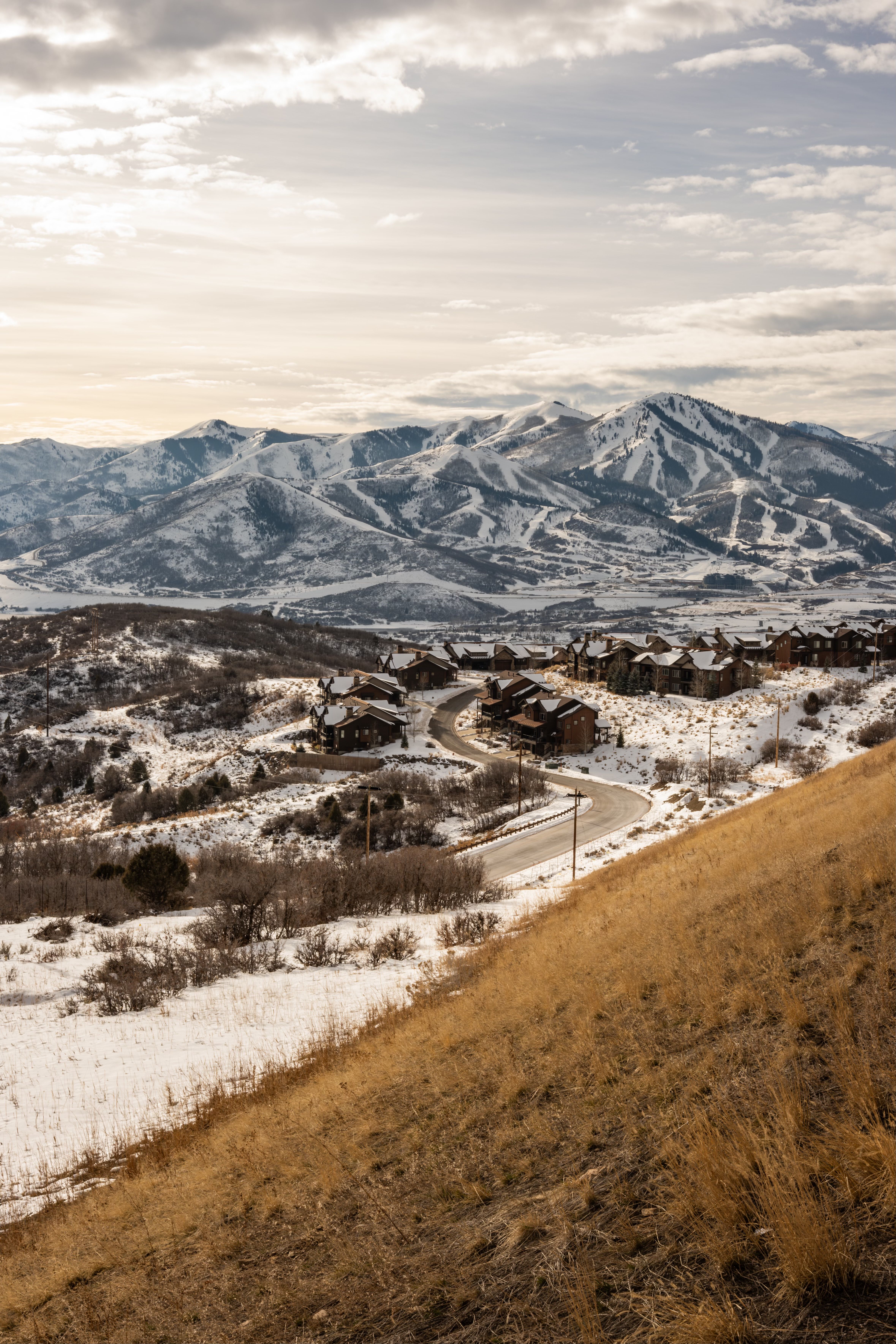
What It Really Costs to Own in Park City, and Who Buys It From You Later
I was standing in a kitchen here in Park City a few weeks ago with a buyer from the Bay Area who had done real homework. He knew the medians. He knew the zip codes. He knew which side of the road he wanted to be on. Then he turned around from the window and asked me something I almost never get asked that early: forget the purchase price, what does this thing cost me every single year that I own it, and when I'm done with it, who buys it from me?
That is the question almost nobody answers. Most of what you read about Park City real estate stops at the closing table, as if closing were the finish line. It isn't. It's the starting line, and the years after it are where people find out what they actually bought.
So here is the honest version: the annual carry line by line, what altitude does to a building, the real rental math, the 40 weeks a year you're not skiing, who should not own up here, and the exit, which is the part that should change what you buy today.
In Park City, the Purchase Price Is the Smallest Decision
Before real estate, I spent years in construction. So when I walk a property up here, I'm looking at the roof line and where the snow comes off it, the deck framing, how water moves off the lot in April, and what's behind the walls. At 7,000 feet, the building is the budget.
Here's the belief underneath everything in this article. In most of the country, the purchase price is the decision. Up here, a mountain property has a second price tag, and it shows up every year in pieces from six directions. Nobody hands it to you in a single document. Nobody is hiding it from you, either. It just never comes up, because the conversation ends at closing and the costs start the day after.
The Six-Line Annual Carry on a $2.5 Million Second Home
I'll use a $2.5 million property, because that is a very normal purchase here. The Park City Board of Realtors put the second-quarter median at just over $2 million across the board.
1. Property tax: the structure, not the rate. Utah has a primary residential exemption. If a home is your primary residence, you're taxed on 55% of market value. A second home, a vacation home or a nightly rental doesn't get that break and is taxed on 100% of value. Same street, same price, same assessor: if it's your second home, the taxable value is roughly 80% higher than it is for the full-time family next door. I won't quote a dollar figure, because the rate is set by the taxing district and there are a lot of districts up here. Run it on any property you're considering. And in Summit County, the exemption isn't automatic even on a home that qualifies. It is applied for with the assessor, with a September deadline for the current year. I'm not a tax professional, so talk to a CPA about your situation.
2. Association dues. Reported figures in the ski access tier run from roughly $500 a month in smaller developments to $2,500 a month or more in amenity-heavy buildings. Verify them on the actual property, and know that the building's own dues are often only part of it. Canyons Village has a village-wide assessment on top of building dues, around $14 per square foot of your unit annually, plus an assessment on nightly rental revenue.
3. Transfer fees. This one is invisible until the day you sign. A lot of master associations up here take a cut at closing. Canyons has a transfer assessment, and most of the condos there carry a 2% transfer fee. Empire Pass has a 1% transfer fee to the master association at purchase. On $2.5 million, 1% is $25,000 and 2% is $50,000. That money doesn't go to the seller, the lender or the agent. I've watched it show up as a surprise on a settlement statement more times than I want to admit. Get every transfer fee and master assessment in writing before you remove contingencies.
4. Insurance. This is the fastest-moving number on the list. Utah just posted the highest homeowners insurance non-renewal rate in the country, nearly 1 in 20 policies in 2025, more than double the year before. That's statewide and driven mostly by wildfire exposure, and a lot of mountain property sits in the wildland-urban interface. You can't assume the quote you got in April is next year's premium, so get a quote on the actual address during due diligence.
5. Utilities and water. Mountain Regional Water's plant upgrade at Signal Hill came in about $20 million over the estimate, so customers in that service area go from 3% to 5% annual rate increases to roughly 7% to 9% starting in 2027. Add heating a house at 7,000 feet and snow removal when you're not there to do it.
6. Maintenance. In a valley house, people budget half a percent to 1% of value per year. Up here, I tell clients 1% to 1.5%, and that's not a scare number. It's what a building under five months of snow load and 40 freeze-thaw cycles consumes.
The number people walk in with is the mortgage payment. The number that decides whether they keep the place is that stack. So before you're under contract, build a one-page carry sheet on the specific property: all six lines, dues and transfer fees from the association in writing, an insurance quote on the actual address, and a real maintenance number instead of a hopeful one. If it works on that sheet, buy it with confidence. If it only works when you leave three lines blank, that's your answer.
What Altitude Does to the Building
A house up here isn't a valley house with a better view. It's a building fighting a different set of forces, and it loses slowly, in ways you don't see until year four or year eight or year ten.
Water and ice dams. It isn't one big flood. It's thousands of small freeze-thaw cycles. Snow melts on a warm roof, runs to the cold eave, refreezes and builds an ice dam, and water backs up under the shingles. You find out in May, when there's a stain on a ceiling and it's been wet behind the wall for months. The fix isn't a bigger gutter. It's insulation, ventilation and air sealing so the roof deck stays cold.
Decks. A deck framed for a valley climate and loaded with four feet of wet spring snow is working harder than it was designed to. Look at the ledger connection to the house, the flashing behind it and the post bases.
Snowmelt systems. A lot of the nicer properties have hydronic snowmelt under the driveway and walkways: glycol running through tubing in the concrete off a boiler. It's wonderful, and I have clients who call it the best feature of any home they've owned. It's also a mechanical system buried in concrete that costs real money to run all winter, and if a zone fails, the repair can involve the driveway itself. Ask three questions: how old is the boiler, when was the glycol last serviced, and has every zone been run and confirmed working, which you can only verify in winter.
Condos and townhomes. A lot of these buildings went up in the late '90s and through the 2000s, so they're hitting 25 and 30 years old right now. That's when the envelope comes due: roofs, decks, siding and stucco, windows, elevators. That's where special assessments come from. My rule for attached product: you're not buying a unit, you're buying a share of a building and a share of every decision its owners have made for 20 years. Utah requires most associations to keep a current reserve analysis. Get it, then get how funded the reserves actually are against it. A building that's 35% funded with a 30-year-old roof is telling you something about your next five years. Read two full years of meeting minutes, not the summary, and ask about the master insurance policy, the deductible, and whether the association has had a carrier non-renew or a big premium jump.
The Rental Math: Gross Versus What Actually Lands
The most common sentence in this market is "we'll rent it out when we're not using it and it'll mostly cover itself." Sometimes that's true. Here are the numbers instead of a pro forma somebody emailed you.
Market data from earlier this year put average annual short-term rental revenue in Park City around $55,000, occupancy around 55% and an average daily rate around $736, across roughly 2,600 active listings. The average property value behind those listings was about $3.6 million. Sit with that pairing: about $55,000 of gross revenue against a multimillion-dollar asset.
Then watch what comes out of it. Full-service management can run roughly 25% to 30% of gross in this market, and luxury management runs into the 30s, so call it a quarter to a third of the top line. You can self-manage, and some people do it well, but you're on call for a guest lockout at 11 at night from another state. Then there are community assessments on rental revenue, like the one at Canyons Village. Summit County requires a license that runs $350, and both the owner and the property manager have to be licensed. The county is paying attention: roughly 1,900 short-term rentals have been operating against about 1,300 licensed, and it launched a complaint hotline this year. Then the costs that don't stop when the guests do: year-round utilities, cleaning and linens, restocking, and repairs at a higher rate than an owner-occupied house, because turnover is hard on a building.
And the one almost nobody models: the weeks that earn the most are the weeks you want to be here. Christmas, Presidents' Day, spring break carry the year, and every one you take for yourself comes off the top at the highest-priced nights on the calendar.
There's also a tax wrinkle. Reporting on Utah's rules indicates that renting a primary residence beyond a small number of nights per year can disqualify it from the exemption, and 14 nights has been cited as the threshold. Verify that with the county assessor and your CPA before you rent the place while you travel.
Nightly rental up here can work. I have clients where it works really well, and they share three traits: the property is somewhere nightly rental is clearly permitted, which is a smaller slice of the map than people assume; it's a property type that books, which usually means ski access or real walkability rather than square footage; and the owner is disciplined about giving up the peak weeks. If any of those three is missing, don't buy on the assumption that rental income carries it. Buy it because you want it and treat the income as a rebate. Almost nobody up here is buying a cash-flowing asset at these prices. They're buying a place they love with a partial offset. That's a fine thing to buy. It's just different math.
You Buy 12 Weeks. You Own 52.
Everybody buys the 12 weeks they want to be here: powder days, fall colors, July evenings on the deck when it's 72 degrees up here and 100 in the valley. Those weeks are real, and they're why this market exists. But nobody buys the other 40, and you own all of them.
From mid-October to Thanksgiving the mountain isn't open and town is quiet. From mid-April to about Memorial Day is what locals call mud season, and the name is accurate. If you live here, the shoulder seasons are one of the best parts, because you get the place to yourself. If you fly in for long weekends, they're the weeks you quietly stop coming. Then there's the drive: Parleys Canyon in a real storm is a different experience, and a 35-minute trip can become an hour and a half, or tomorrow.
Usage also decays. Year one, people come nine or ten times. Year two, six or seven. By year four, a lot of families are at three or four trips, while the tax bill, the dues and the insurance run all 12 months.
So here's the test I give people: how many nights a year will you really be here, looking honestly at work, kids' schedules and everything else? Sixty nights or more, buy the house you want, because you're going to live in it. Twenty-five to 60, property type matters more than address, so look for lock-and-leave, a strong association and snow handled without you. Under 20, I'll tell you what I tell my own friends: rent for a couple of seasons first, in a couple of different areas. You'll learn more in two winters of renting than in two years of looking at listings. That advice has cost me commissions. It's also gotten me more referrals than anything else I do.
Who Should Not Buy in Park City
I get asked who should buy here constantly. I almost never get asked who shouldn't. My list is short.
Don't buy if the numbers only work when rental income shows up exactly as projected. Don't buy if you need the money to be liquid, because certain segments here take real time to sell. Don't buy an older attached property if you don't want to deal with the building, the reserve study, the assessments and the votes; buy new or into a professionally run association and pay more for it. Don't buy up a canyon road with one way in and one way out unless you've driven that exit yourself in winter. There is also a proposed Summit County restriction, and to be precise, it is only a proposal and nothing has been adopted, that would limit nightly rentals in certain neighborhoods based on emergency evacuation access, such as a single point of entry and exit or narrow or unpaved roads. If your plan depends on nightly rental, know that before you write an offer.
The flip side matters just as much. If you'll be here 60, 80 or 100 nights a year, if you want your kids growing up with a mountain in the backyard, or if this is your life instead of your vacation, everything above is the price of something genuinely worth having. I live here. I'm not talking anybody out of this. I just want you making the call with the whole picture.
The Exit: Buy the Property With the Widest Pool of Next Buyers
Two facts about this market, both true. On a 12-month basis through June, Park City has been sitting at close to 11 months of available inventory, where six months is usually considered balanced. And in the second quarter, the median single-family home in the core Park City market sold in about 10 days, while condos and townhomes ran a median of roughly 35 and a half.
That looks like a contradiction. It isn't. Park City is not one market; it's about a dozen markets that share a zip code. Correctly priced, desirable property moves in days, which keeps the median low. Listings that don't fit what buyers want right now sit long enough to push inventory to 11 months, and a property that never sells never enters the median at all. In the second quarter there were roughly 523 new listings against 213 sales in that core market, with active inventory around 615. That's not a crisis. It's supply piling up in the segments buyers are picky about: fractional and shared ownership, studios and small units, buildings with high dues, dated finishes in a market that expects turnkey, and anything that needs one specific buyer.
Timing matters too. Buyers are here in winter and summer. List a mountain property the last week of April and you've handed it to the quietest stretch of the year with a fresh clock running, and a listing gets its biggest concentration of attention in the first two weeks.
So here's my actual answer to the buyer in that kitchen: buy the thing with the widest exit. On every property, ask who the next person is who wants it, and how many of them there are. The answer has to be a large, ordinary group of people, not one perfect buyer. That's why I'm cautious on fractional ownership, why I push people toward the middle of a building stack instead of the oddball floor plan, and why I care so much about association health, because an assessment history and an underfunded reserve study will narrow your buyer pool years from now without you doing anything wrong. Ordinary sells. Unusual waits.
One practical habit: keep a folder from day one. Every receipt, every system serviced, the roof, the boiler, the snowmelt zones, the deck work. When you sell, you'll be the only seller on the street who can prove the building was taken care of, and in a market with 11 months of inventory, proof is an advantage.
Watch the full video: The Question Almost Nobody Answers About Park City Utah Real Estate
Thinking About Moving to Utah? Let's Talk.
Utah is one of the fastest-growing states in the entire country, and navigating the cultural landscape alongside the real estate market takes genuine local expertise. Whether you're considering Salt Lake County, Utah County, Davis County, or further out — finding the right neighborhood for your lifestyle, budget, and long-term goals makes all the difference.
My team and I work exclusively with buyers and sellers navigating the Utah real estate market. We help you cut through the noise, match the right submarket to your specific lifestyle and priorities, and make sure you're buying from a position of clarity — not FOMO.
Book a call with us HERE — free 30-minute consultation
Check out our relocation guide HERE
Subscribe to our weekly newsletter HERE
Categories
Recent Posts