Living in Park City: The 5 Trade-Offs the Ski Town Brochure Leaves Out
Living in Park City: The 5 Trade-Offs the Ski Town Brochure Leaves Out
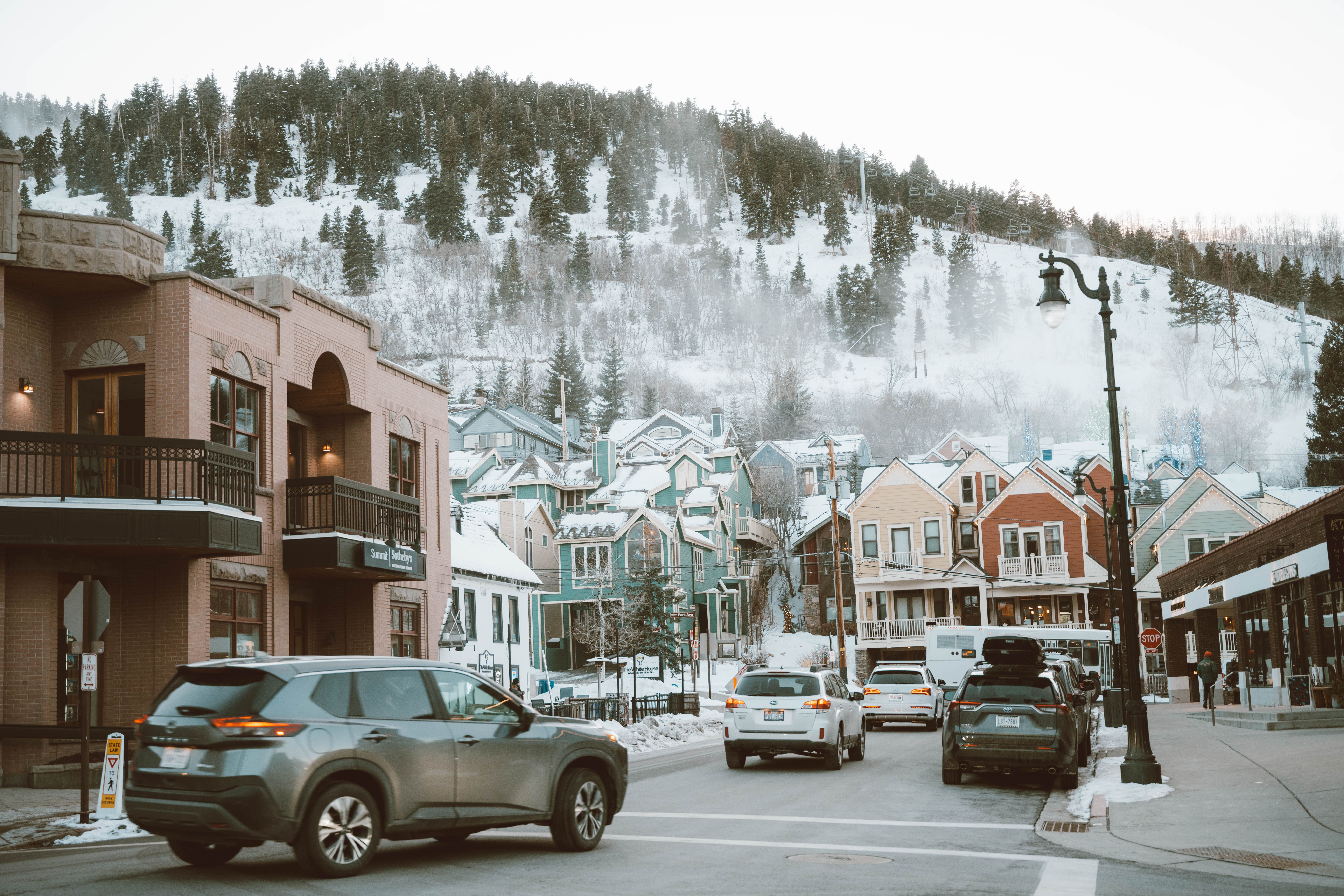
Everyone pictures Park City as an endless ski vacation: powder days, cozy mountain homes, and something fun on the calendar every weekend. Some of that is true. But after walking buyers through this market for years, I can tell you the full picture includes a few things no travel guide or Instagram reel will mention. Here are the five things I want you to understand before you move to Park City, so the town becomes the right home for you and not a surprise.
What Is Lifestyle Really Like in Park City, Utah?
Park City is marketed as a ski town, and it absolutely is one. But not every day is a ski day. Locals juggle work, kids, traffic, and seasonality just like everyone else. Skiing and snowboarding happen, just not daily, and the area offers far more than winter sports. Park City is a world-class mountain biking destination, and the locals here enjoy it year round.
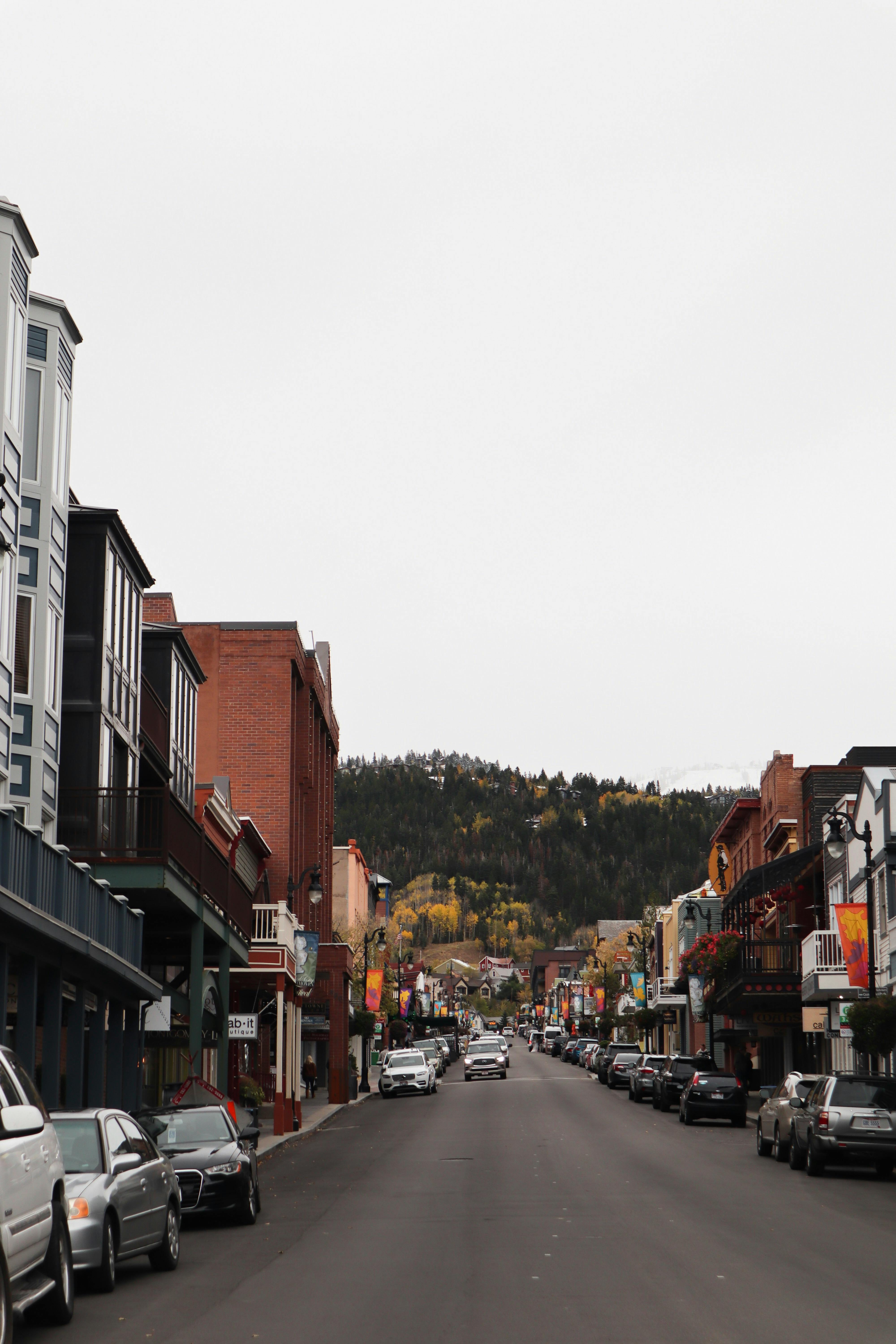
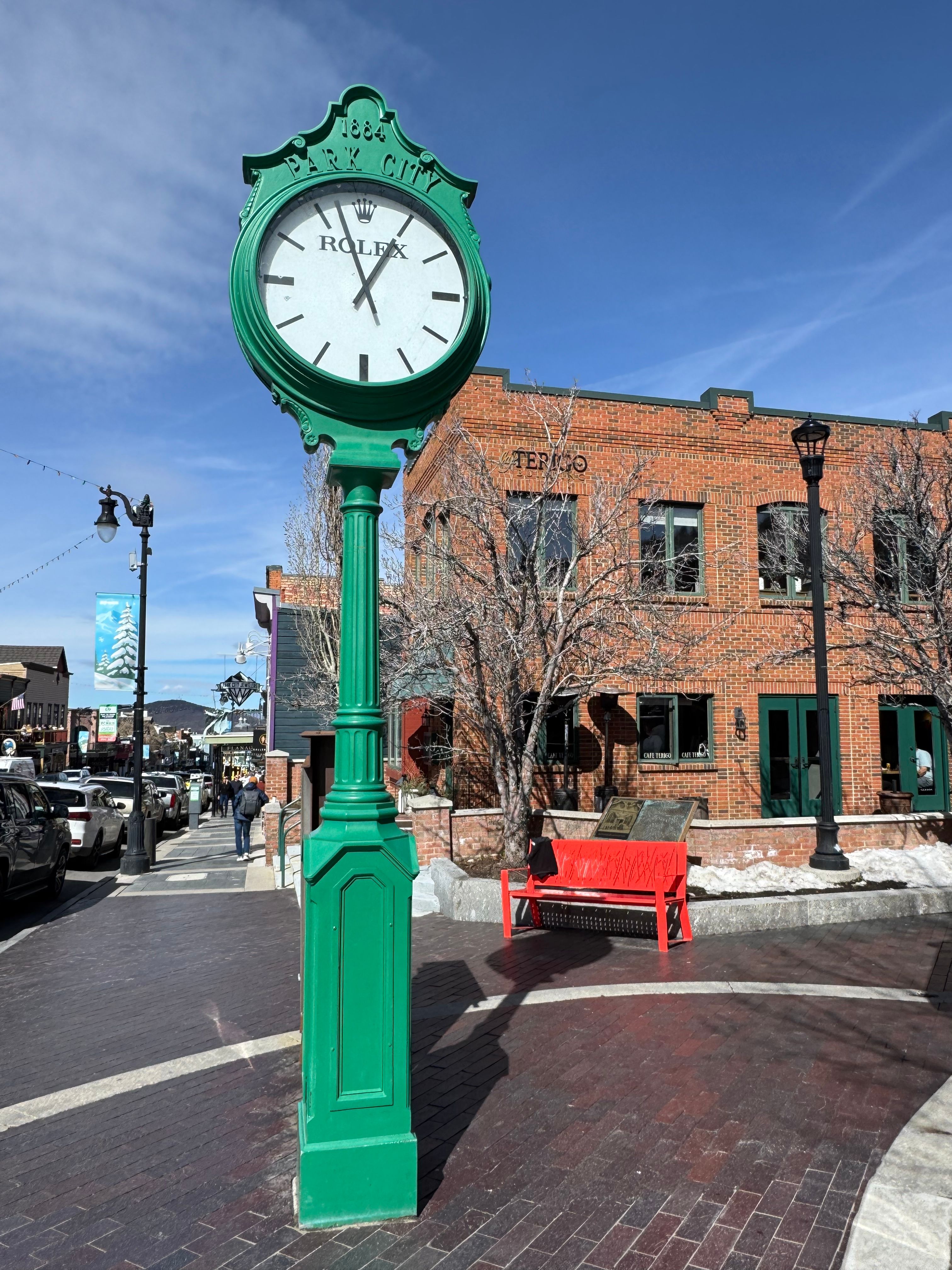
Winter is busy, especially around the Sundance Film Festival. Utah markets its dry, powdery snow as the greatest snow on earth, and people travel from all over the world to ski it. Still, I would argue the best time to be in Park City is summer and fall. Once kids are back in school, Main Street is easy to enjoy, the restaurants are not crowded, and the weather is hard to beat.
The growth is not limited to Park City proper. Some of the fastest growing luxury markets in the state are in and around Park City, moving south into Heber City and Midway. A few developments worth knowing about:
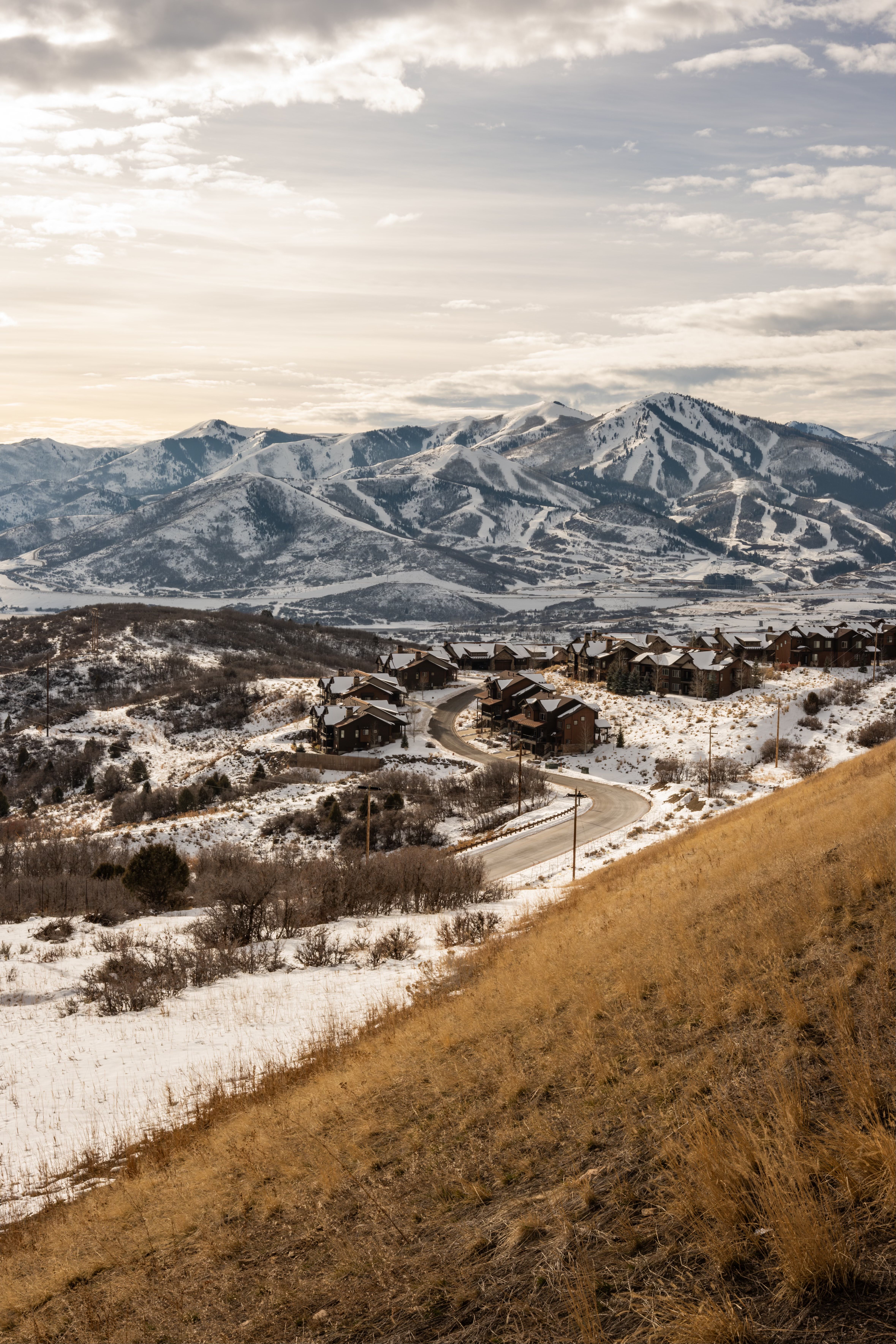
Deer Valley East is being built on the east side of Deer Valley and will carry that name rather than Mayflower, which is what it was originally going to be called. Luxury neighborhoods are also popping up on both the west and east sides of Jordanelle Reservoir. Just south of Jordanelle, Tiger Woods is building his first mountain course in Utah. And Wasatch Hollow is a large planned community expected to bring thousands of homes over the next decade or two, which will reshape the Wasatch Back.
Some of the most expensive real estate in Utah is here, but there are still pockets where you can find relative value. A bargain in this region looks different than a bargain elsewhere, and you do not need to spend $20 million, $30 million, or $40 million to own a great property in the Park City area. Buyers willing to explore areas outside Deer Valley, Mid Mountain, and Old Town can get in for less and still benefit from the growth coming to the region.
How Expensive Is It to Live in Park City?
Park City is one of the most expensive small-town destinations in the country, although it is still a relative bargain compared with places like Jackson Hole or Aspen. It comes as a shock to many people who assume Utah must be far cheaper than California or New York. Depending on the location and the specific home, it may not be.
The numbers bear this out. According to the Park City Board of REALTORS market report for the first quarter of 2026, the median single-family sales price inside Park City limits was roughly $4.0 million. Across the wider MLS area, which includes Kamas, Heber, and the Snyderville Basin, the 12-month rolling median for single-family homes was $1.775 million. Where you buy changes the math dramatically. You can see the full breakdown in the Park City MLS Q1 2026 market report.
Day-to-day costs add up too. Rent for a property here is likely to run north of $4,000 a month, and often more depending on the home. Groceries and restaurants cost more than elsewhere in Utah, and a $7 or $8 latte, a $25 hamburger, and higher gas prices are part of daily life. You do not have to buy the most expensive version of everything, and you can still find moderately priced goods. But Park City is a luxury brand community, and living here long term means being comfortable with inflated costs.
What Is the Weather and Altitude Like in Park City?
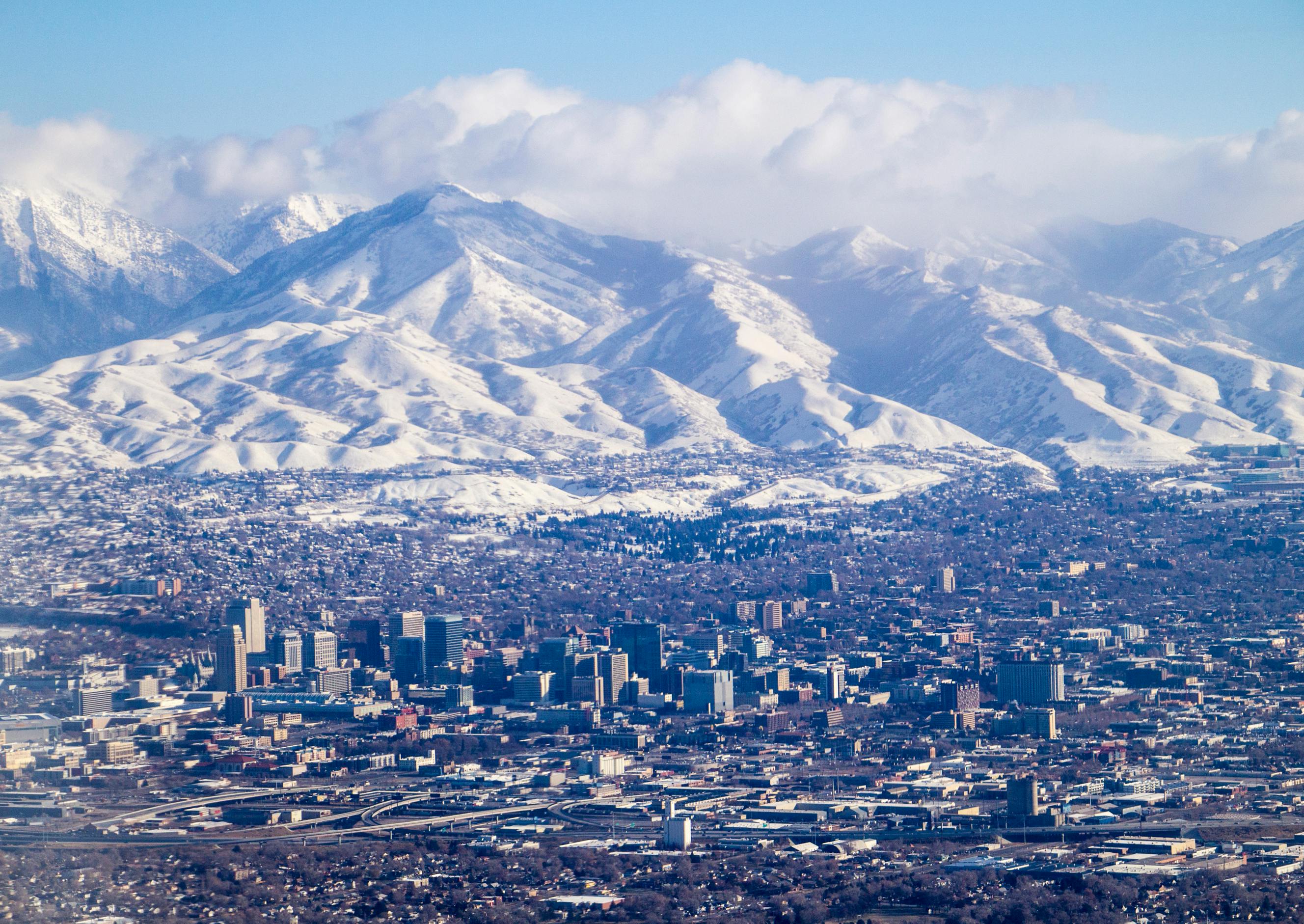
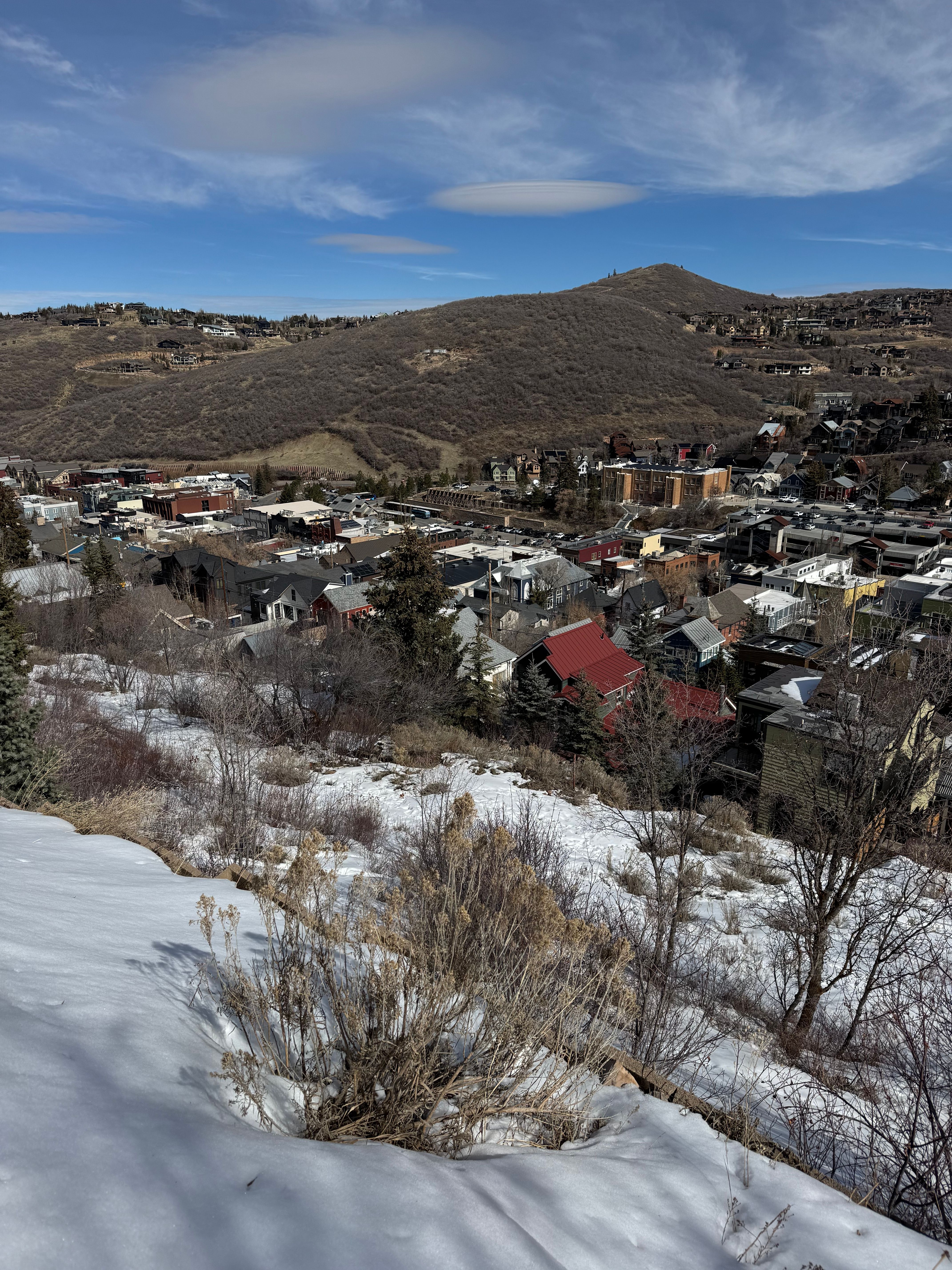
Park City has a different climate from the Wasatch Front, including Salt Lake City, and the weather shapes daily life. Winters are snowy, and snow can arrive in October or November and last well into March and April. Summers are beautiful but short. Spring and fall can be unpredictable: one day it is 78 degrees and the next it is 38.

If you live here, you will either push snow, shovel it yourself, or pay someone to do it. All-wheel drive or four-wheel drive is close to a requirement. Some people add dedicated snow tires, but good all-terrain tires worked well for me.
Altitude is the factor people forget. Salt Lake City sits around 4,500 feet, while Park City is right around 7,000. Expect shortness of breath and slower recovery for the first few weeks. Most people acclimate in a little under a month, and the body adapts remarkably well. If you love all four seasons, there is nowhere better. If you want warm weather year round, this is not the place.
Can You Make a Living in Park City?
Park City is a resort economy with limited job opportunities. Most people who live and play here built their careers or businesses elsewhere, or they earn their income in other ways. Most local jobs are tied to tourism, hospitality, or the resorts, so professional roles are generally found 30 to 45 minutes away along the Wasatch Front in and around Salt Lake City.
That is why average local wages do not match the cost of living. Park City works best for people who bring their own income: remote workers, business owners, commuters to the Salt Lake City area, and people who have already established their work.
Is Park City the Right Fit for You?
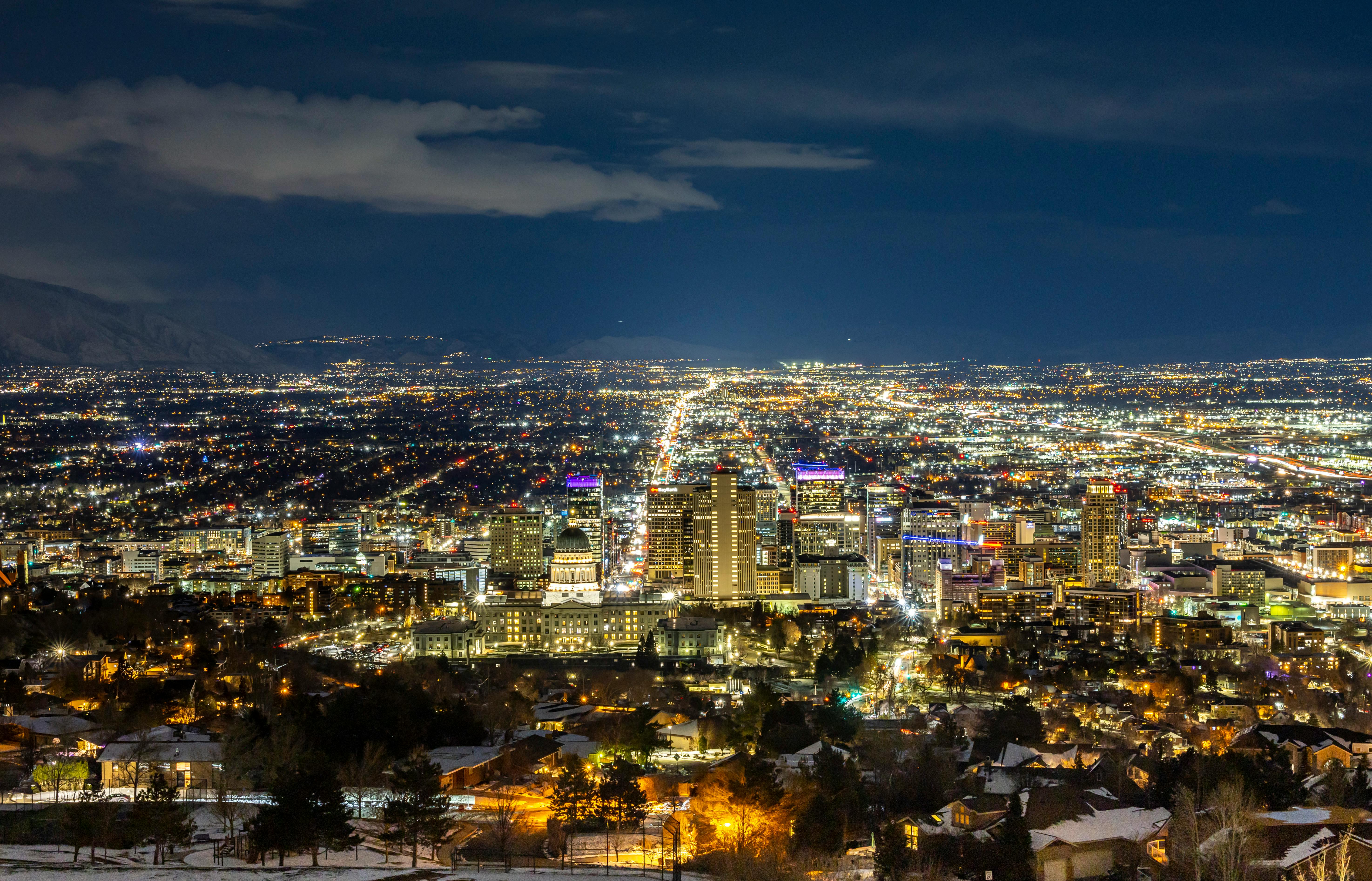
Park City is not a one-size-fits-all town. It suits a specific kind of person. The locals are friendly and welcoming, but in peak winter season the town fills with wealthy part-timers who have a third or fourth home here. If you love the outdoors, small-town charm, and a slower pace than Salt Lake City, you will love it. If you crave big-city nightlife and amenities, you may want more. The good news is that Salt Lake City, 30 to 45 minutes away, offers a major international airport, a strong dining scene, professional sports, and concerts.
My summary: if you are outdoorsy, financially comfortable, and love the mountains, Park City is unbeatable. If you are moving here only for the dream of ski-town living without understanding the trade-offs, reality can hit hard.
Frequently Asked Questions About Living in Park City
Do I need a four-wheel drive vehicle in Park City?
All-wheel or four-wheel drive is close to a must-have given the snow, which can start in October or November and last into March and April.
How long does it take to adjust to Park City's altitude?
Park City sits around 7,000 feet versus about 4,500 in Salt Lake City. Most people acclimate in a little under a month.
Are there enough jobs in Park City?
Local jobs lean toward tourism, hospitality, and resort work. Professional roles are more plentiful 30 to 45 minutes away along the Wasatch Front, and many residents work remotely or run their own businesses.
Is there anywhere more affordable near Park City?
Yes. Heber City and Midway are popular, and pockets around the Jordanelle Reservoir and the wider Wasatch Back offer more approachable pricing than Deer Valley, Mid Mountain, or Old Town.
Thinking About Moving to Utah? Let's Talk.
Utah is one of the fastest-growing states in the entire country, and navigating the cultural landscape alongside the real estate market takes genuine local expertise. Whether you're considering Salt Lake County, Utah County, Davis County, or further out — finding the right neighborhood for your lifestyle, budget, and long-term goals makes all the difference.
My team and I work exclusively with buyers and sellers navigating the Utah real estate market. We help you cut through the noise, match the right submarket to your specific lifestyle and priorities, and make sure you're buying from a position of clarity — not FOMO.
Book a call with us HERE — free 30-minute consultation
Check out our relocation guide HERE
Subscribe to our weekly newsletter HERE
Categories
Recent Posts