Utah's 5 Most Underrated and 5 Most Overrated Suburbs
Utah's 5 Most Underrated and 5 Most Overrated Suburbs
There are suburbs in Utah where people are paying a premium for a story that stopped being true about four years ago. And there are places in this state that almost nobody outside of Utah has even heard of, where you can buy the exact same lifestyle for a whole lot less money.
So I want to name both. Five most underrated, five most overrated, and the honest trade-offs on all ten.
First, What "Overrated" Actually Means
Overrated does not mean bad. Every single place on the second half of this list is a genuinely nice place with genuinely happy people living in it, and I have clients I care about in all five. Overrated means the gap between what people believe they are buying and what they are actually paying for has gotten too wide. That is a math problem, not an insult.
There is an enormous amount of information out there about where to live in Utah. A lot of it is confusing, some of it is three years stale, and a good chunk of it was written by somebody who happens to have a house for sale in the exact neighborhood they are recommending. I came out of construction before I ever sold a home, so I tend to look at a place differently. I am not just looking at the drone shots and the finished basement. I am thinking about what is behind the walls, where the water comes from, and where the traffic actually goes at five o'clock.
Here is what runs underneath this whole list: in Utah right now, price and value have come apart in specific places. There are areas where the hype arrived before the infrastructure did, and the price followed the hype instead of the reality. And there are areas sitting on genuinely great geography that nobody talks about, so the price never caught up.
The 5 Most Underrated Suburbs in Utah
1. Sandy: The Best Access Per Dollar in the Valley
I already know some of you just made a face. That is exactly why it is on this list. Look at Sandy on a map instead of in your head. It sits directly between Cottonwood Heights and Draper, two of the most talked about and most expensive suburbs in Salt Lake County, with nearly identical geography to both.
From the east benches above Wasatch Boulevard you are 10 to 15 minutes from the mouth of Little Cottonwood Canyon, worst case. That is the same Alta and Snowbird access people pay a serious premium for. You have Dimple Dell, a massive open space canyon running through the middle of the city with miles of trails. You have Bell Canyon straight up off the benches, Alta View Hospital, the Shops at South Town, easy access to both I-15 and 9400 South, and the MLS soccer stadium. And the lots are real lots, built in an era when you still got a yard with the house.
Sandy has an image problem, not a fundamentals problem, and image problems take a long time to fix. The State Street and 700 East corridors are busy and not pretty. The housing stock is mostly 1970s through 1990s, and for me that is the whole conversation. That age means furnaces and water heaters at the end of their useful life, aluminum branch wiring in some specific neighborhoods, polybutylene supply lines in others, clay and cast iron laterals on the older streets, and early aluminum windows. None of it is a dealbreaker. All of it is money, and you want that number before you write the offer.
Sandy is also big and uneven. A home on the bench east of Wasatch Boulevard and a home on the far west side are completely different purchases at completely different prices. An average home price for Sandy on a website is telling you almost nothing.
Who it is for: the buyer who wants canyon access, a serious trail system, a hospital, real shopping, and actual square footage on an actual lot, and who does not want to pay the Cottonwood Heights or Draper premium for functionally the same position on the map. You buy location and structure, then put your money into the house instead of into the reputation of the zip code.
2. Ogden: The Best Mountain Access Per Dollar in Utah
Ogden is 35 miles north of Salt Lake City, and I would guess most people relocating here never scroll that far up the map. Their loss can be your gain.
Historic 25th Street is one of the best preserved downtown blocks in Utah, with a real food and music scene, not a manufactured one. The East Bench sits directly under Mount Ogden with trails coming off the back of neighborhoods. Ogden Canyon puts you about 15 minutes from Pineview and the Ogden Valley, and from there you have Snowbasin, which hosted the Olympic downhill, Powder Mountain, one of the largest skiable acreages in the country, and Nordic Valley. Three resorts inside about 45 minutes. FrontRunner runs from Ogden straight into downtown Salt Lake City, so a Salt Lake job is possible without ever driving I-15. Weber State and the hospital systems are large, stable employment anchors, and the historic housing is real architecture: brick, craftsman, Victorian detail you cannot buy at any price right now.
Three honest things. It is a commute if your work is in Salt Lake City, call it 40 to 50 minutes in the car depending on the hour, and FrontRunner is excellent but you are on its schedule, not yours. The housing is genuinely older, and old in Ogden means the whole list: settled foundations, knob and tube remnants, galvanized supply lines, clay laterals, and unreinforced masonry in some neighborhoods, which matters more here than in most of the country because we sit on the Wasatch Fault. And the Ogden Valley side, Eden and Huntsville up around Powder Mountain and Pineview, is no longer the bargain. The value is in the city and on the bench.
Who it is for: the remote worker, the family that skis a lot and refuses to pay Cottonwood Heights or Park City prices to do it, and anybody who wants real architecture and immediate mountain access and is willing to be 35 miles north.
3. Salem: One of the Last Places You Can Still Buy Land
Salem sits at the south end of Utah County past Spanish Fork, under Loafer Mountain. It is the answer to a question a lot of people ask me and then get talked out of, which is whether you can still get real land at a normal person's price along the Wasatch Front.
Salem still has bigger lots, horse property, and water shares attached to some parcels, and it has grown without erasing what it was. Salem Pond sits right in the middle of town with a park and a trail around it. You are about 10 minutes from Spanish Fork and 25 minutes from Provo, right where the canyon country starts. If your picture of Utah involves a garden, a shop, maybe some animals, and a mountain out the kitchen window, this is one of the last places that picture is still affordable.
Four things to take seriously. Distance is the entire conversation: Salem to downtown Salt Lake City is roughly an hour to an hour and 10 minutes each way in normal conditions, and worse when the weather turns. If that is your commute, you will hate your life within a year. I have watched it happen. Amenities are thin by design, with your grocery run and big box shopping in Spanish Fork or Payson. Water is the big one, because this is exactly the geography where secondary water, pressurized irrigation, water shares, and irrigation company rules matter most. I have watched out of state buyers close on an acre without water and only find out later what they actually bought. And winter inversion air quality down here is real, so look at it with real information rather than discovering it in January.
Who it is for: the buyer who wants land, space, and a small town at a real price break, and whose job is either in the south end of the valley or does not care where they live at all. For remote workers especially, this is one of the best trades available in Utah right now.
4. Provo: The Most Underappreciated Address in Utah County
Everybody treats Provo as the college town you drive through on the way to something newer, and I think almost all of those opinions are about 15 years out of date. Provo was recently named the best run city in the country.
Center Street has quietly turned into one of the more interesting downtowns in the state. There are something like 79 restaurants down there and essentially all of them are locally owned, because the historic buildings favor independent operators over chains. That is not an accident, it is structure, and it is why the place has character you cannot manufacture in a new development. You have the Covey Center for the Arts, the convention center, hotels, and the rooftop concert series in the summer. Then the geography: Provo Canyon is right there, Bridal Veil Falls, the Provo River, Sundance up the road, and Rock Canyon going straight up off the bench with an excellent trail system. Then the jobs, which is what people miss completely: BYU, the hospital corridor, Nu Skin, and a tech economy that no longer stops at the Point of the Mountain. And the historic neighborhoods near downtown have brick bungalows, deep lots, and mature trees on streets that took 90 years to look like that.
Here is where you need a local, and I mean that more in Provo than anywhere else on this list. The student housing dynamic is real and it is intensely geographic. There are blocks near campus that are heavily rental and turn over every fall, and historic neighborhoods three streets away that are completely different in character and in how they hold value. In Provo, the gap between a great buy and a frustrating one can be a hundred yards apart, and a website average for Provo is not just useless, it is misleading. Parking, traffic, and the rhythm of a university calendar are part of the deal. The historic core runs 1920s to 1950s, so foundations, old wiring, and additions built across decades and not always with a permit. And downtown Salt Lake City is 40 to 50 minutes away, so this is not a Salt Lake commuter play.
Who it is for: the buyer who wants a real downtown they can walk to, a real canyon out the back door, real architecture, and an actual employment base, at a price well under what the north end of the county charges for a new house on a small lot with no trees. Everybody buying new construction 20 or 30 minutes north of Provo is literally driving past it.
5. The Jordanelle Area: The Only One Where You Are Buying In Front of Something
This includes Hideout, the Mayflower side, and the benches around the reservoir, about 15 minutes east of Park City on the US-40 side. It is the most interesting thing happening in Utah real estate right now that most people still have not caught up to.
Deer Valley is building an entirely new front door to the resort on that side of the mountain. The East Village expansion has new lifts and a full resort base village going in with hotels, restaurants, retail, and branded residential around it, including a Four Seasons project along with Marcella and Cormont. That is not a rumor and it is not a rendering. It is actively under construction. And here is the piece almost nobody has processed: the Jordanelle Parkway now connects US-40 directly to that base area, which means a lot of people coming from Salt Lake can get to that skiing without ever touching Park City traffic, and in some conditions get there faster than people going in the front door. On top of that you have the reservoir itself, with boating, paddling, a state park, and big open water views looking back at the Wasatch, which is a view Park City proper simply does not have.
The whole thesis is that you are early, and early cuts both ways. A real amount of what makes this area work is still under construction, and construction schedules move, so you buy the promise and you own the timeline. Services are still thin compared to Park City, so groceries, schools, and restaurants mean driving in for a while yet, though the hospital is just down the road. A lot of the product out there is new attached and branded residential, which means HOAs, dues, transfer fees, and resort community assessments, and those numbers are not small and not always obvious. The Wasatch County and Summit County line runs right through this area, so taxes, rules, and services differ depending on which side your parcel sits on. And much of the ownership is second home ownership, so it is quiet in the shoulder seasons and nightly rental rules vary community to community and change over time.
Who it is for: the buyer who wants Deer Valley access without paying for a Park City address, and who has the patience and the stomach to be a little early.
The 5 Most Overrated Places to Buy in Utah
Now I flip it, in ascending order, so the one I feel strongest about is last. And watch for something as we go, because it is not an accident: almost every overrated place on this list has an underrated one sitting practically next door. Same mountains, same access, wildly different prices.
1. Vineyard: You Are Competing With the Builder's Next Phase
Real credit first, because on paper this is one of the most exciting things being built in the state. Vineyard has been one of the fastest growing cities in Utah for years, built out on the old Geneva Steel ground on the Utah Lake shore. Utah City is a 700 acre master plan district designed by actual urban planners, with five districts, more than 50 acres of parks, and something like 17 million square feet of mixed use at full buildout. Waterfront park, a racket club, new restaurants, a walkable core, a FrontRunner station right there. Somebody sat down and designed a genuine city, and I like the ambition a lot.
So why is it on this list? Three reasons. First and biggest is supply. When you buy into an area with years of new construction still coming, you are not just competing with other resale homes when you go to sell. You are competing with the builder's next phase, and the builder can do things you cannot: buy down the rate, throw in the finishes, carry the incentive. That is the single most underappreciated resale risk in Utah right now, and it is the conversation I keep having with sellers who bought new three years ago and are surprised. Second, you are living in a construction zone for quite a while. Seven hundred acres is a decade plus story, and the renderings show you year 12, not year 2. Third, Utah Lake is shallow and warm and gets algae bloom advisories in the summer. It is a real amenity, but it is not the lake most out of state buyers picture when they hear the word waterfront.
Who it is right for: somebody who wants walkable, brand new, transit connected living and plans to stay 7 to 10 years, so the buildout works for them instead of against them. Who it is wrong for: anybody who might need to sell in two to four years, and anybody who thinks they are buying waterfront the way that word works where they came from. Provo is three miles away, finished, with a real downtown, real trees, and real canyon access, at a price that in a lot of cases is not higher. Go drive both on the same afternoon.
2. Eagle Mountain: Great Place, Overrated Commute Assumption
Most of this applies to Saratoga Springs as well. The fair version first: Eagle Mountain is one of the fastest growing cities in the state and will be for a long time, for understandable reasons. You get more house for the money than almost anywhere along the Wasatch Front, there are young families everywhere, there are lake and mountain views, and there is a real promise that the jobs are moving west toward you.
The commute math is the entire story. Getting out of northwest Utah County at 7:30 in the morning means Redwood Road, or Pioneer Crossing, or SR-73, and all of them feed the same I-15 and Point of the Mountain funnel that everybody else in two counties is already sitting in. The state has committed serious money to fixing this and I want to be fair about it: roughly $1.4 billion converting 2100 North in Lehi into a freeway between Mountain View Corridor and I-15, already under construction, Pioneer Crossing flex lanes, extending Mountain View Corridor south to SR-73 starting in 2027, and converting the Cory Wride Highway to a freeway down the road. That is genuinely great news. But read the dates. Those things get better over the next several years and you are commuting tomorrow morning. And here is what nobody says out loud: relief projects that make an area more accessible also invite more growth into it, so some of that relief gets absorbed by the next wave of rooftops.
Northwest Utah County is also exactly where secondary water shares and pressurized irrigation rules matter most, and out of state buyers consistently misunderstand what they are buying and what it costs to keep a lawn alive out there. Then there is the price per square foot trap. A bigger house 25 miles out is not a better deal if it costs you 90 minutes a day. Ninety minutes a day is about 375 hours a year, which is roughly nine 40-hour work weeks sitting in a car, every year, forever. Price that out.
The fair verdict: if you work from home permanently, or your job is genuinely on the west side of Utah County, Eagle Mountain is legitimately great and you should look at it hard. If there is any chance of an in-office job up in Salt Lake County, go drive that commute at 7:15 on a Tuesday in February before you sign anything, and drive it again on the way home. It is not overrated as a place to live. It is overrated as a commute assumption. And if what you actually wanted was land and quiet and space, go back and look at Salem.
3. Bountiful: The Recommendation Never Got Updated
This is the pick I went back and forth on the longest, because I like Bountiful. The fair version is really strong. Bountiful sits up on the Davis bench, and on a map it is 10 to 15 minutes from downtown Salt Lake City, closer than most of the south end of the Salt Lake Valley. Mature neighborhoods with real trees, enormous west facing views out over the valley and the Great Salt Lake, Mueller Park and the canyon trails right behind you, an established main street with a real small town core, and three separate ways to go south: I-15, Legacy Parkway, and FrontRunner. For years the recommendation was that if the Salt Lake east bench is out of reach, go north to Bountiful and get the same thing for less. For years that was excellent advice.
Here is why I do not think it is anymore. First, the commute is not the number people quote. Ten to 15 minutes is a Sunday number. The I-15 pinch at the Davis and Salt Lake county line is one of the more reliable bottlenecks on the entire Wasatch Front at rush hour, and on a normal weekday morning you are doing more like 25 to 30, sometimes more. Legacy helps and FrontRunner genuinely helps, but the number that sells the house and the number you live are two different numbers, and almost nobody drives it before they buy. Second, be honest about the corridor. The refinery complex sits right along I-15 through the south end of Davis County. It is visible depending on the day and the wind, it is noticeable, and it is a legitimate consideration that essentially never comes up in a listing. The Great Salt Lake dust question during low water periods is a live conversation in that specific geography too. I am not telling you what to conclude about either one. I am telling you to look at real information before you commit.
Third, this is where my construction background gets loud. Bountiful bench homes are largely 1950s through 1970s on cut and fill hillside lots. That means retaining walls somebody built decades ago that are now your problem, drainage coming off the hillside that has to go somewhere, slope and soil questions that matter far more here than on a flat valley lot, and steep driveways that are charming in July and a chore in January. Plus the usual vintage list of original mechanicals and old laterals. I would not buy on that bench without somebody looking hard at the walls, the grading, and where the water goes in a heavy spring melt. Fourth, the price. Bountiful got discovered as the affordable alternative to the Salt Lake east bench and the price moved to reflect it. The bottleneck did not move and the housing did not get younger. The discount narrowed, and the recommendation never updated.
Who it is right for: somebody whose work is in North Salt Lake or Davis County, or who is genuinely going to ride FrontRunner every day and is happy about it, and who wants that big bench view with a canyon out the back door. For that person it is terrific and always will be. And here is the line I would leave you with: if you have already accepted that you are going to commute and be on FrontRunner anyway, stay on that train another 20 minutes and go look at Ogden. Same commuter rail, a real historic downtown, three ski resorts, and a very different price.
4. Sugar House: Are You Actually Going to Walk?
I have to do something uncomfortable here. I made a video on this channel about the seven best neighborhoods in Utah, and Sugar House was first on the list. I stand by everything I said about the neighborhood. It is one of the oldest established parts of Salt Lake City. The tree lined streets and brick bungalows are beautiful, the walkable business district is real, the S-Line connects you into the transit system, Sugar House Park is a fantastic anchor, you are minutes from downtown and the University of Utah, and you are still about 20 minutes from the mouth of the Cottonwood canyons. The lifestyle is real and I have not changed my mind about the neighborhood.
What I am calling overrated is what people are being asked to pay for it right now, and specifically what most of them are actually getting. Three things. First, the honest question almost nobody asks themselves. You are paying a walkability premium. Are you going to walk? Not in the fantasy, in your actual life. In the last month, how many times did you leave the car parked and go somewhere on foot? If the honest answer is a few times a year, you are paying a real premium for an amenity you are never going to cash in, and that is the exact definition of overrated to me. The people who use Sugar House get every dollar back. The people who love the idea of it do not.
Second, the product does not always match the number. A lot of that classic housing is small by modern standards on very small lots, one bathroom, a low headroom basement, a detached single garage that is falling apart or no garage at all, and no off street parking in many places, and you are paying more per square foot than a bench home twice the size. Here is the construction list: knob and tube remnants, galvanized supply lines, undersized panels, single pane windows, and clay sewer laterals running under a 90 year old tree canopy. That last one is not theoretical. In a neighborhood with trees that old, lateral repairs are a recurring line item, not a one time surprise. And a lot of those basements got finished by somebody with no permit and no egress windows. Renovating a 1920s bungalow to modern expectations in this labor market is not a $60,000 project, and people walk in assuming it is.
Third, the neighborhood you tour is not the neighborhood in five years. Sugar House is redeveloping fast, and the mid-rise projects around the business district mean traffic, parking pressure, and construction on those blocks for a while. That is not a criticism of the plan. Denser housing near transit is how a city should grow. It is just a heads up that you are buying into a place actively changing shape.
Who should buy here: the person who is genuinely going to live on foot. If you will walk to dinner three nights a week, ride the S-Line, and use the park almost every day, and you actively want a smaller, older, character-full house, buy it today and you will be happy for 20 or 30 years. Who should not: the person who loves the idea of walkability, is going to drive everywhere anyway, and needs four bedrooms and a garage. If what you actually want is a walkable downtown with real character and it does not have to be Salt Lake City, go look at Provo's Center Street and 25th Street in Ogden.
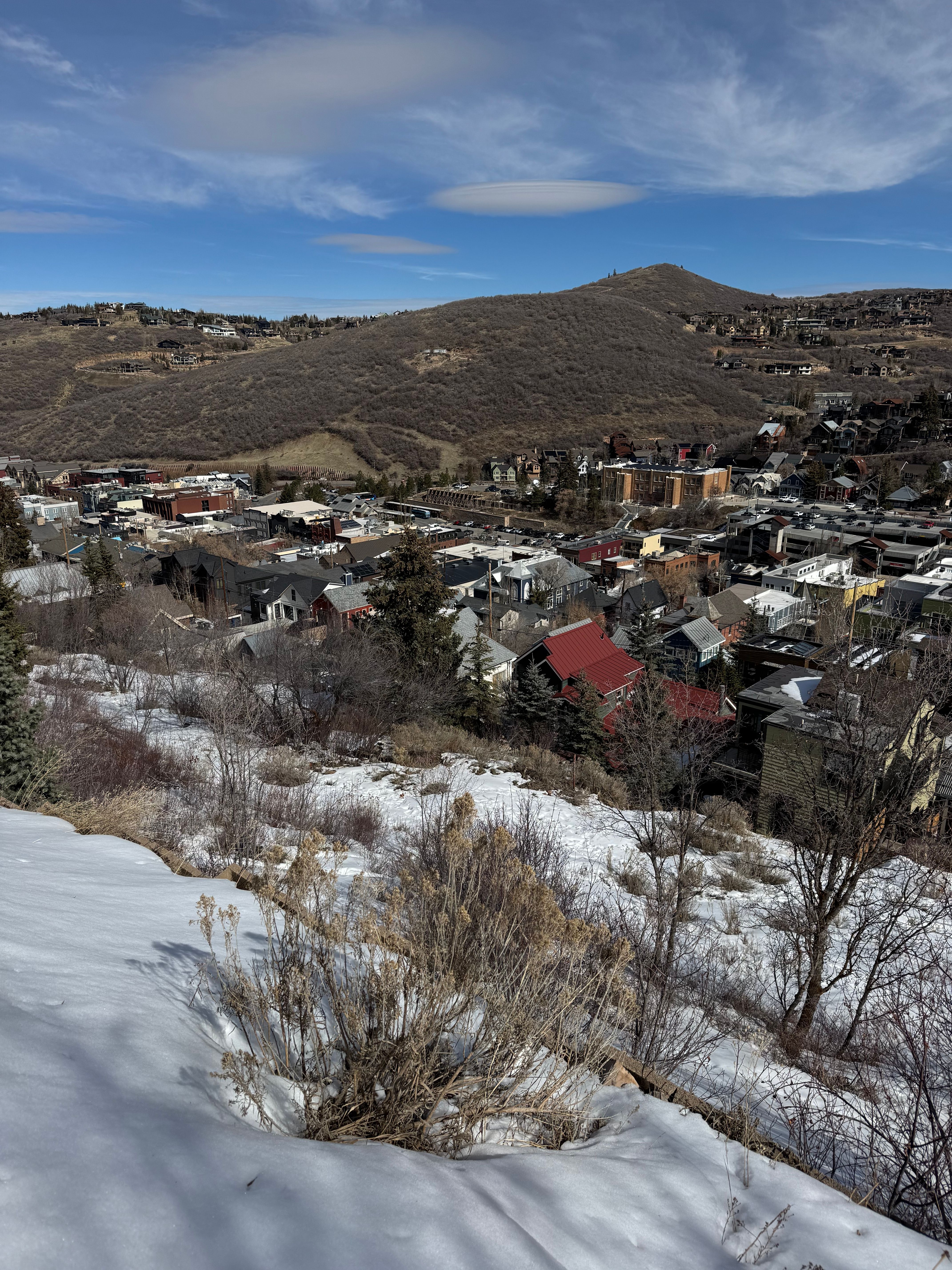
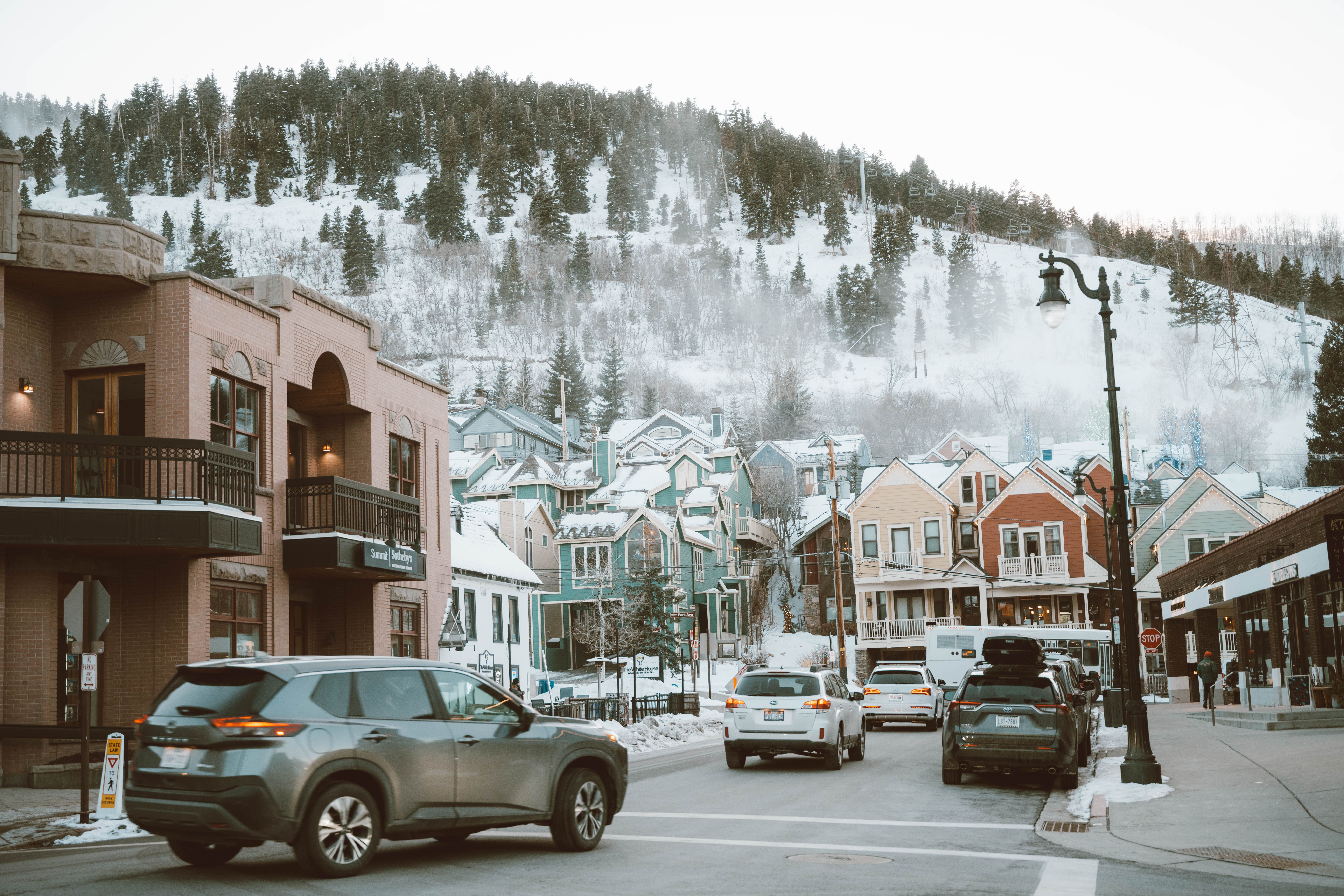
5. Old Town Park City: Buy the Mountain, Not the Museum
This is the one I expect to catch the most heat for, and it is a place I love and sell in every single month. Not Park City. Old Town specifically. That distinction is the entire point.
Full credit first, because it deserves it. Old Town is the soul of Park City: historic Main Street, the mining era cabins and Victorians stacked up on those hillside streets, walk out your door to dinner, walk to the lift, Sundance happening on your block in January. On a summer evening there is not a better street in this state. It is irreplaceable. And Park City overall is one of the great mountain towns in North America, four real seasons about 40 minutes from an international airport, two world class ski resorts, with Deer Valley's expansion transforming the east side right now.
But Old Town is the one place in Utah where the postcard and the ownership experience are the furthest apart I have seen. Start with the houses, because that is my whole background. A lot of those 100 plus year old mining cabins were built fast and cheap as temporary housing for miners. That is not a knock, that is literally what they were for. A century later on a steep hillside lot, that means original foundations or post and pier that have been shimmed and jacked and reworked across a hundred years, structural work done in eras with completely different standards, additions built on top of additions, insulation retrofitted piecemeal wherever somebody could reach, and freeze thaw and roof snow loads working on all of it every single winter. A properly renovated Old Town cabin is a spectacular thing to own and incredibly expensive. An unrenovated one is a multi-year project in one of the most expensive and most constrained construction labor markets in the country. And because you are in a historic district, you do not simply get to do whatever you want with it. I have watched people fall in love with a cabin in July, get their first real bid in October, and go very quiet.
Then parking and access. Old Town streets are narrow and steep, and a lot of these places have no garage and no off street parking. In January that is not charming, it is a daily logistics problem, and getting a contractor or a delivery truck up there mid-winter is genuinely difficult, which is part of why the work costs what it costs. Then there is the fact that you are buying a home inside an event venue. Main Street's calendar is full, from the holidays to race weekends to summer festivals. Visiting that is wonderful. Living on top of it is a different experience, and you should go stand there during peak season before you buy, not after. And a lot of Old Town buyers underwrite the purchase with nightly rental income. Those rules change, the competition is fierce, and operating costs on a 100 year old home at 7,000 feet are always higher than the spreadsheet says. If the deal only works with the rental income, the deal does not work.
Put it together and here is the actual argument: you are paying close to the highest price per square foot in the state for the oldest, hardest to park, hardest to maintain, hardest to renovate housing stock in the state. That combination is why it is number one. Not because Old Town is not wonderful, but because the gap between what people believe they are buying and what they are signing up for is the widest on this list by a large margin.
Who should own in Old Town: the buyer who wants that walk to Main Street life, who has already bought the renovated version instead of the project, who has budgeted maintenance as a permanent annual line item rather than a one time event, and for whom that address genuinely is the entire point. That person is going to be thrilled. It also works well for someone who wants an expensive, deeply custom project in a truly unique place. But if that is not you, and for most people it is not, buy the mountain instead of the museum. Fifteen minutes east on the Jordanelle side, Deer Valley is building an entirely new front door to that same mountain: new construction, actual parking, a driveway you can get a plow into, systems built this decade, and a price that is not paying a hundred years of history tax. Same mountains, different math.
The Pattern Underneath All Ten
The list is not the point. The pattern is the point. In Utah right now, you are usually not paying for mountains or trails or good schools or a short commute. Those things are available in a lot of places. You are paying for how many other people already know about it.
Find the place where the geography is great and the story has not been told yet, and you will have found the value.
Thinking About Moving to Utah? Let's Talk.
Utah is one of the fastest-growing states in the entire country, and navigating the cultural landscape alongside the real estate market takes genuine local expertise. Whether you're considering Salt Lake County, Utah County, Davis County, or further out — finding the right neighborhood for your lifestyle, budget, and long-term goals makes all the difference.
My team and I work exclusively with buyers and sellers navigating the Utah real estate market. We help you cut through the noise, match the right submarket to your specific lifestyle and priorities, and make sure you're buying from a position of clarity — not FOMO.
Book a call with us HERE — free 30-minute consultation
Check out our relocation guide HERE
Subscribe to our weekly newsletter HERE
Categories
Recent Posts