Why California and Texas Buyers Are Moving to Utah (and Why Some Move Back)

Why California and Texas Buyers Are Moving to Utah (and Why Some Move Back)
Every month I talk to families who just sold a house in California or Texas and moved to Utah. Most of them love it here, and many tell me it was one of the best decisions they have ever made. But a couple of times a year I also get a different kind of call, from someone I helped buy a home two or three years ago who is thinking about going back.
If you are thinking about moving to Utah from California or Texas, you deserve to hear both sides: why people come, and why some of them leave. The families who move back usually are not unhappy about one big thing. It is a handful of smaller things they did not see coming, and almost all of them could have been caught before they ever signed a contract.
The Money: Run Your Monthly Life, Not the Sale Price
If you are coming from the Bay Area, Orange County, or San Diego, the numbers can feel like a cheat code. You sell a house worth a million, two, or even two million dollars, and suddenly you are looking at homes in Draper, Lehi, or South Jordan where that money goes much further. I have watched families cut their monthly housing payment in half just by making this move.
Texas is a different story. Texas buyers usually are not coming here because Utah is cheaper, and a lot of the time it is not. They are coming for the mountains, four real seasons, and a different pace of life. For them, the money conversation is really about taxes. Texas has no state income tax, and Utah has a flat rate just above 4%. But property tax tells the other half of the story. Depending on where you lived in Texas, you might have been paying somewhere between 1.5% and 2% of your home’s value every year, or even more. In Utah, the effective rate on a primary residence usually lands around half a percent. On a $600,000 home, that difference alone can be several thousand dollars a year, and for some families as much as $10,000, which eats up most of the income tax difference.
The trap for California buyers is assuming Utah is cheap. In early 2026 the statewide median sales price was about $520,000, according to the Kem C. Gardner Policy Institute at the University of Utah, and Salt Lake County’s median single-family price hit a record $640,000 this past spring. Utah is cheaper than San Jose, but it is not cheap. A big equity check also makes it easy to buy a bigger house, a bigger lot, and a three-car garage, and then discover that your income did not make the move the way your equity did. Utah wages for a lot of roles are a little lower than on the West Coast, and heating a 4,000 square foot house through a Utah January is a very different bill than a 1,600 square foot house in Orange County.
Here is what I tell every family coming from out of state: do not compare home prices. Compare your total monthly life, including mortgage, property tax, insurance, utilities, HOA, commute, and your actual take-home pay, line by line. The families who stay ran that math honestly. The families who leave usually ran it on a napkin.
Winter: Plan for the Inversion, and See January Before You Buy
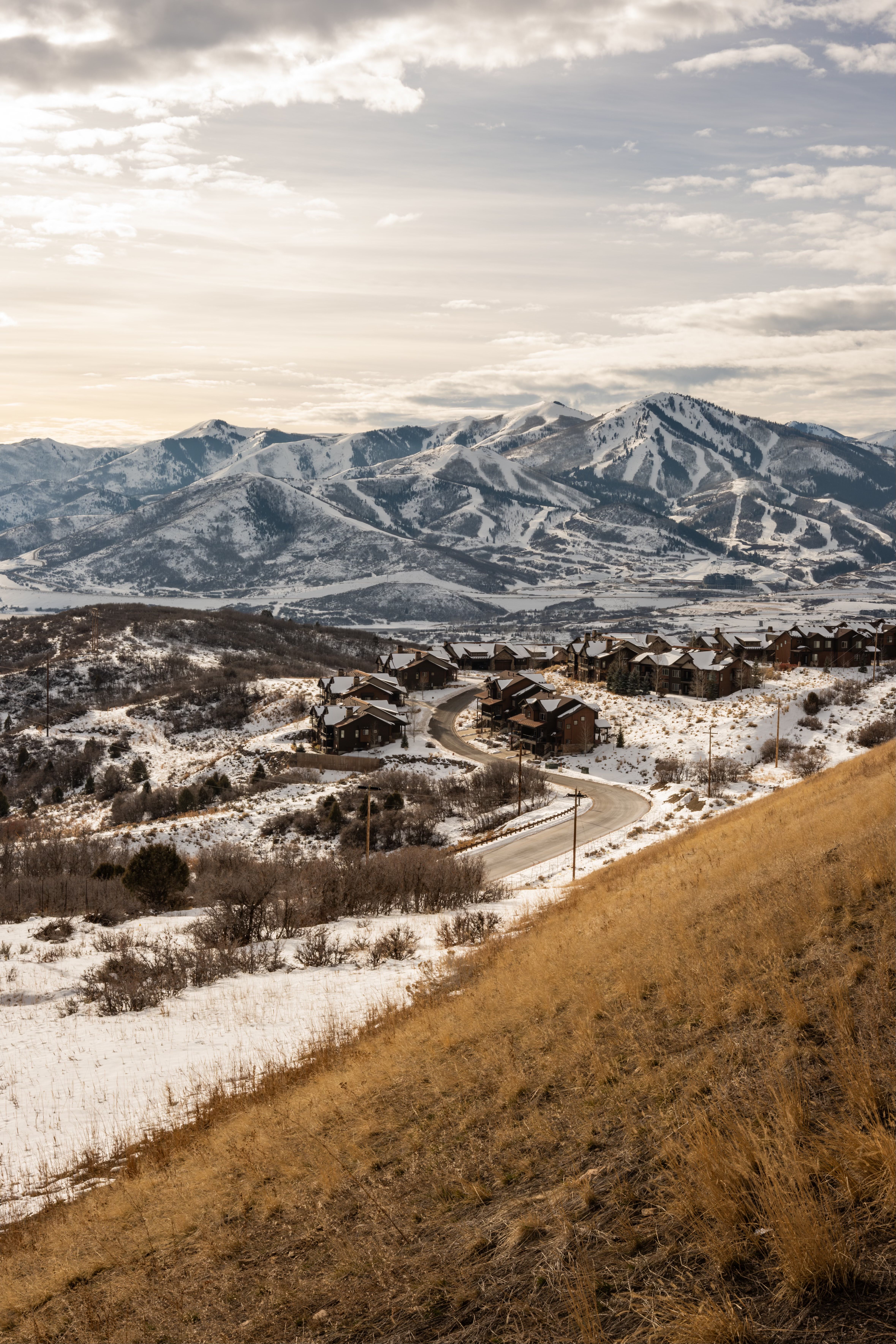
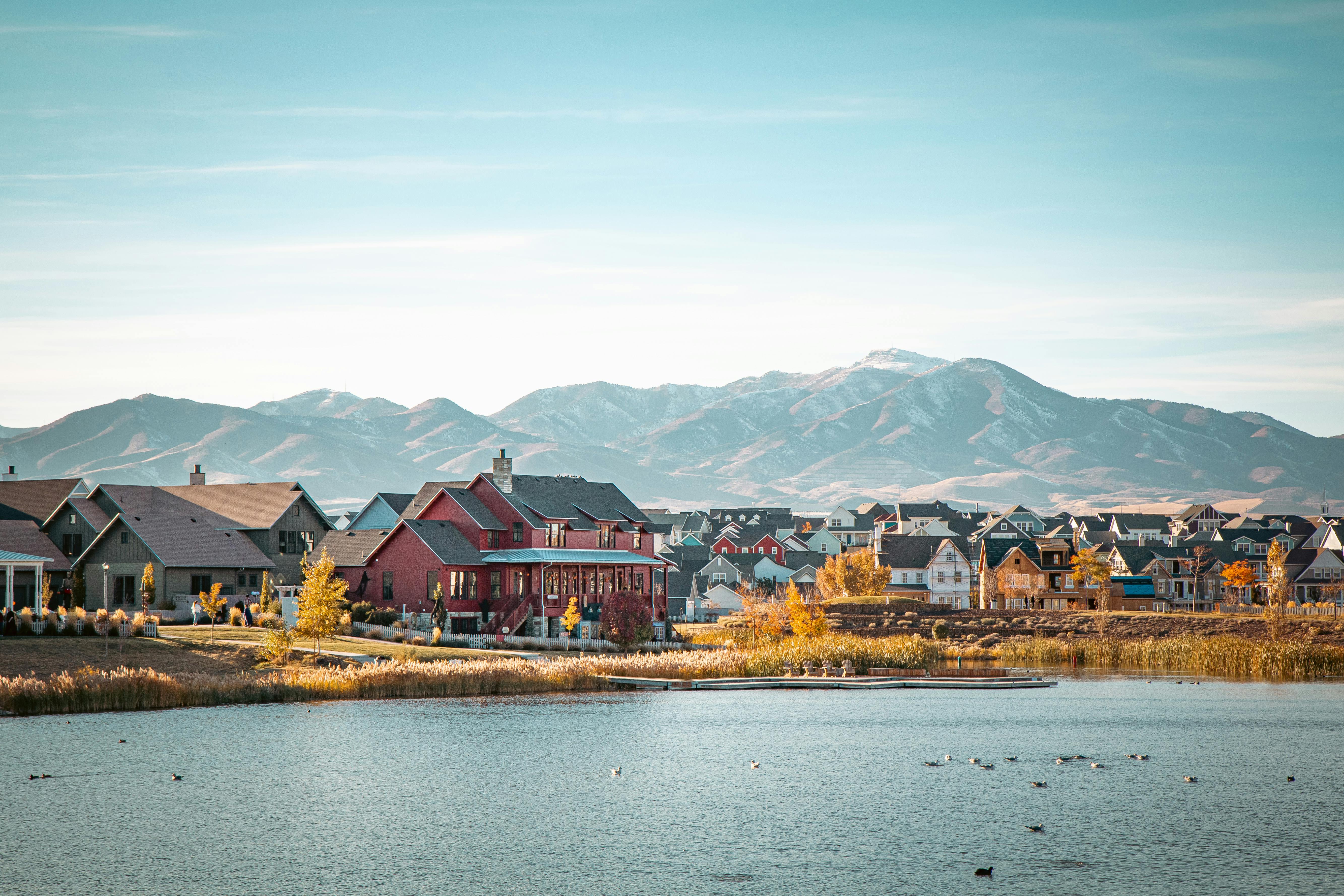
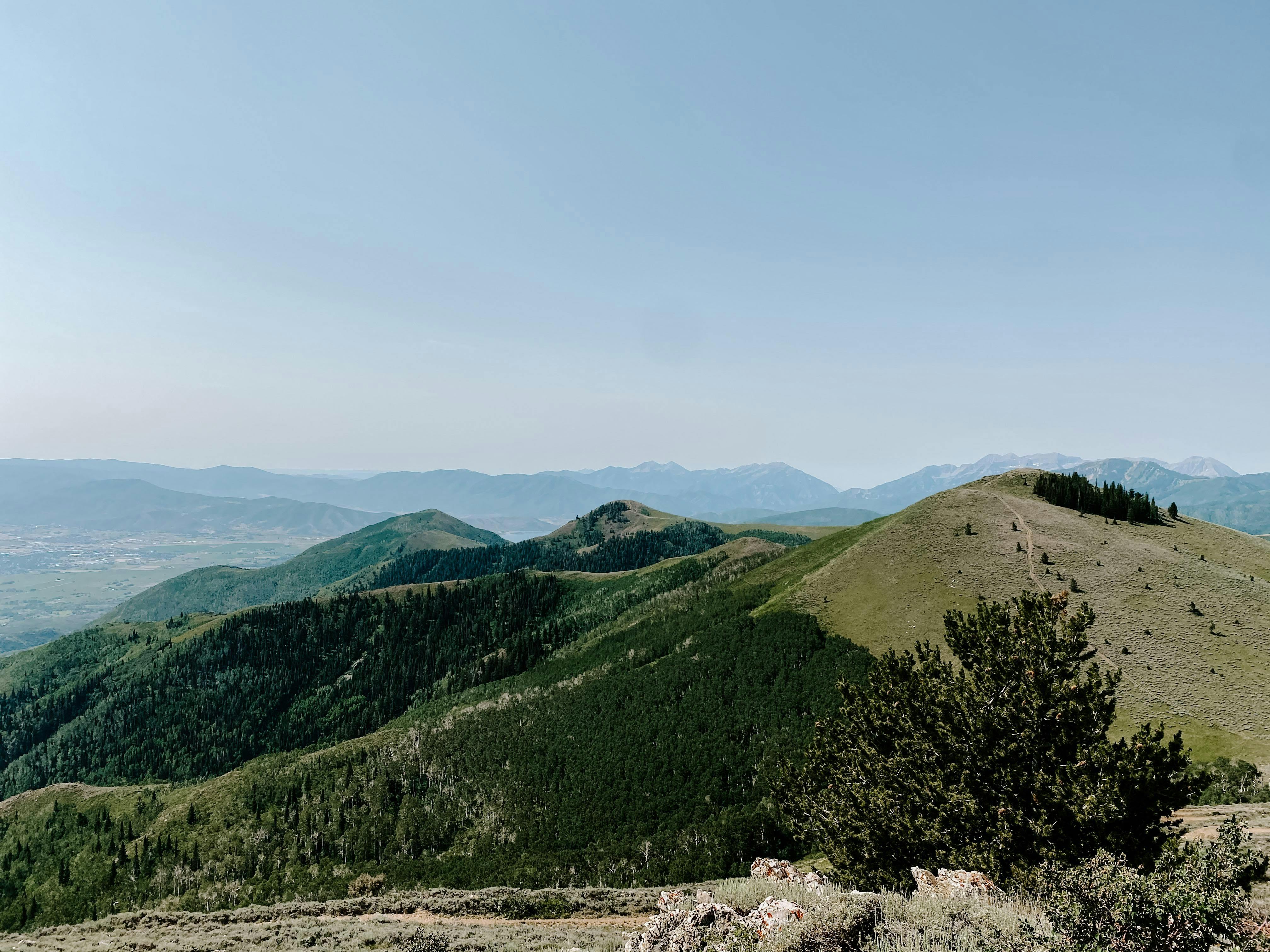
Ask almost anyone why they moved to Utah and within two sentences you will hear the word mountains. From a lot of Salt Lake County neighborhoods you can be at the mouth of Big or Little Cottonwood Canyon in 20 or 30 minutes, and Park City is about 40 minutes from downtown Salt Lake City. For Texans, it is escaping August heat. For Californians, it is getting seasons back without giving up the outdoors.
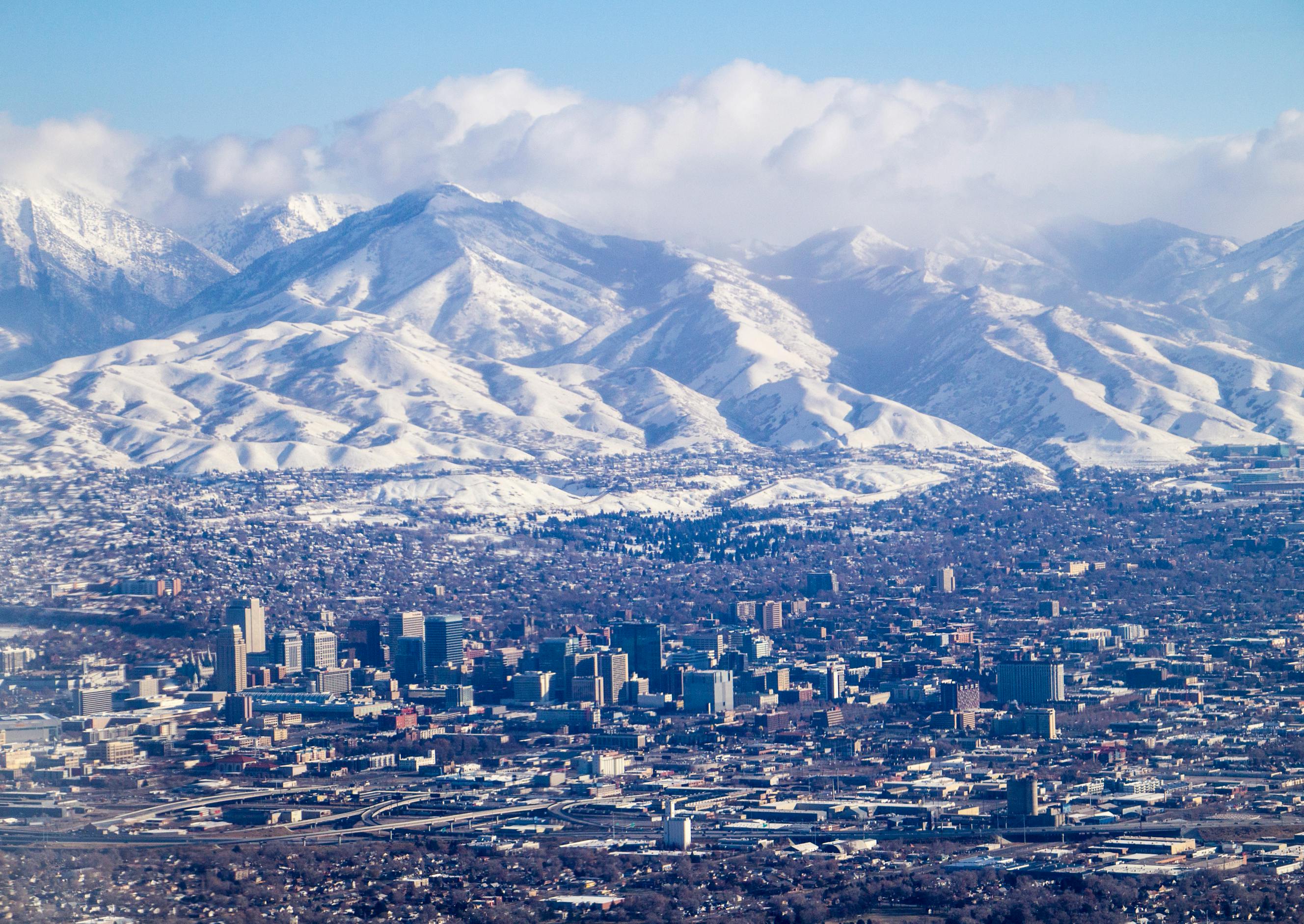
The snow is not the hard part. Snow in the valley usually melts off within a day or two and the roads get cleared quickly. The hard part is the inversion. The Salt Lake and Utah valleys are basically bowls with mountains on both sides, and when a high-pressure system parks over us in winter, cold air gets trapped under a layer of warmer air. The sky goes gray, the mountains you moved here for disappear behind haze, and air quality alerts go out. We see roughly 14 to 17 inversion days a year, typically in January and February, and I have had clients from San Diego tell me the gray was what broke them.
My advice is to come in January or February before you sell or sign anything. Spend a week here, drive the commute you would actually drive, and go to the grocery store at 5:00 when it is already dark. Then do the other half of the test: drive up. Inversions usually break a few thousand feet up, so head up Parley’s Canyon toward Park City or into one of the Cottonwood Canyons and you will often pop out into blue sky. If you come in January and still love it, you are going to be fine. If January makes you miserable, you learned that for the price of a plane ticket instead of a house.
Jobs and Remote Work: Make Sure Both of You Have a Reason to Be Here
Utah’s economy is ranked number one in the nation. The Silicon Slopes stretch through Lehi and Draper and the point of the mountain between Salt Lake City and Provo, packed with tech companies and startups, and there is finance, healthcare, and the outdoor industry as well. Remote workers have been a big part of who is moving here from California: keep the coastal salary and get the Utah lifestyle.
That is also where things get fragile. Remote work is not guaranteed forever, and I have seen people called back to the office with a choice to move back or find something new. If your role is specialized, the local market at that level can be smaller than the Bay Area or Austin. I also watch couples closely when one partner’s career made the move and the other left a career or client base behind, because two years in that gap can get heavy. And then there is the commute. Homes get more affordable further out in places like Eagle Mountain, Saratoga Springs, and Syracuse, but I-15 and the Mountain View corridor at rush hour can eat at your day. Test the commute at the time you would actually drive it, like Tuesday at 7:30 in the morning, not Saturday afternoon.
Lifestyle Trade-Offs: Be Honest About Your Weekends
If you like being outside, the lifestyle here is hard to beat. I can leave my house after work and be on a trail in 15 minutes, and Utah has five national parks, Bear Lake in the summer, skiing in the winter, and Lake Powell. Many people tell me their weekends got better the day they moved here.
The trade-offs are real, though. For Californians, it is the ocean, which usually hits in the second summer when you realize you are nine hours from the nearest beach. There is also scale: Salt Lake City has a growing food scene and better arts than people expect, but coming from LA or San Francisco there are fewer options at 11:00 at night and things close earlier. Wine and spirits are sold only in state-run liquor stores, which are closed on Sundays. For Texans, it is more about scale too. We have the Utah Jazz, Real Salt Lake, and the Utah Mammoth, but it is not Dallas, and some Texans miss the food and the NFL games. It is also very dry here, and people coming from Houston go through a lot of lotion that first winter. None of these are reasons not to come, but they add up quietly, so be honest about what you actually do on a weekend.
The House Itself: Utah Homes Are Built for a Different Environment
A lot of people who move back did not fall out of love with Utah. They fell out of love with the house they bought, and most of the time that could have been caught before closing. I spent years in construction before real estate, so I tend to look at homes differently, and this is where that background matters.
Start with basements. Most Texas homes sit on a slab, and so do a lot of California homes. Here, basements are everywhere and they add great square footage, but they mean you have to think about water: where the grading sends it, whether the window wells drain, and whether the downspouts push water away from the foundation. Parts of the Wasatch Front also have clay-heavy soils that expand and contract, so you want someone who can tell which settling cracks are cosmetic. Many areas test elevated for radon, a naturally occurring gas that is very manageable to mitigate, so test during the inspection and negotiate for the seller to pay if it is high. Many neighborhoods also have both culinary and secondary water, a pressurized irrigation system for your yard, which affects your bills, landscaping, and resale value.
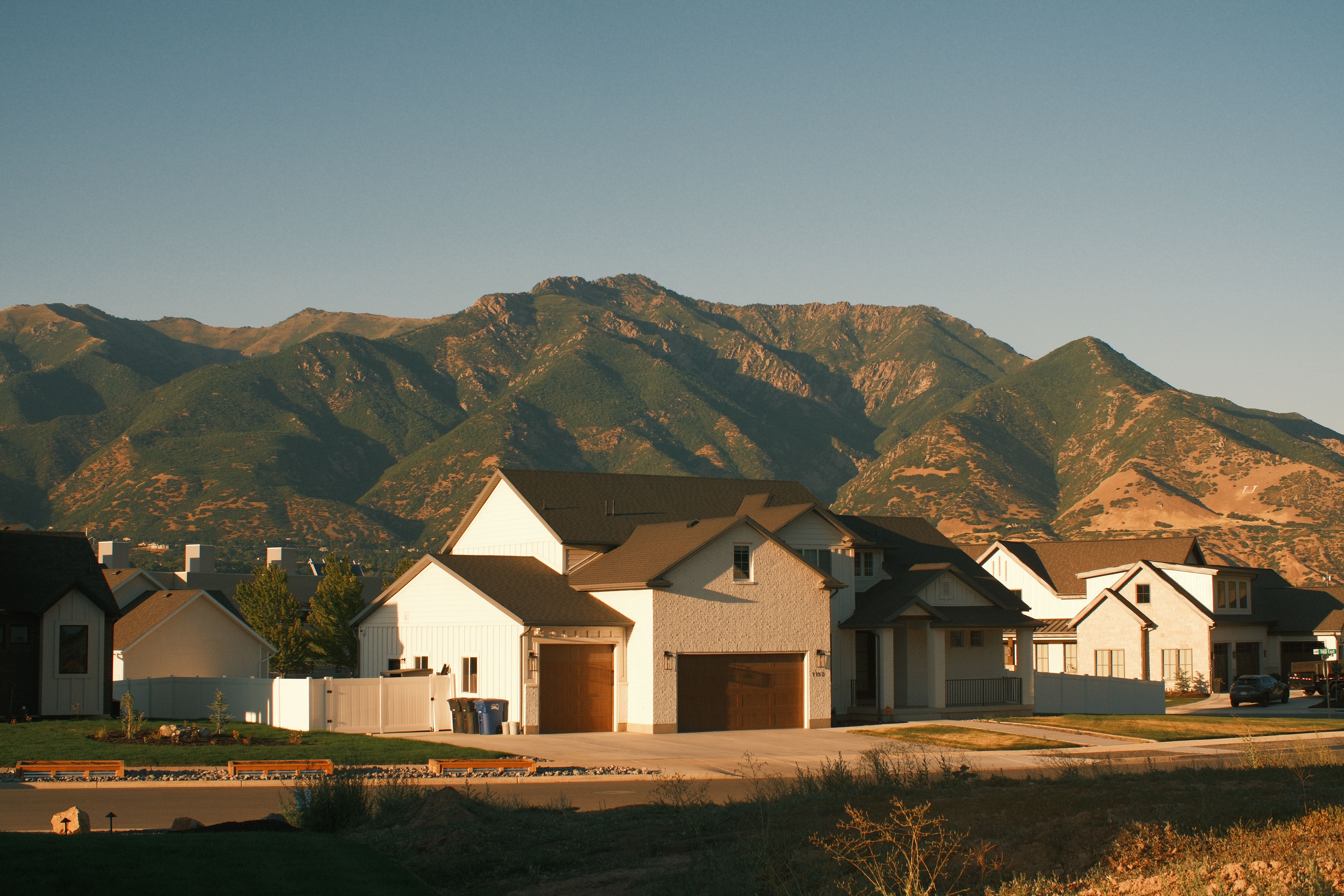
New construction in places like Herriman, South Jordan, Lehi, Saratoga Springs, and Eagle Mountain can be a great option, but new does not automatically mean problem-free. A builder’s contract is written to protect the builder, which is not a knock on builders, it is just how those contracts work. Get a full inspection even on a new build, and ask specifically about grading, drainage, radon, and water. An independent inspection at pre-drywall is the only time you can see what is behind the walls.
The Number One Reason People Move Back: Distance from Their People
People decide to move with their heads: taxes, home prices, schools, the job, the mountains. But the families who move back almost never leave because of a spreadsheet. They leave because of people. Year one feels like a long vacation. Around year two the newness wears off and they realize they do not really have their people here. Grandma is no longer 15 minutes away, there is no one to call when a kid gets sick, holidays mean plane tickets, and the group chat back home keeps going without them.
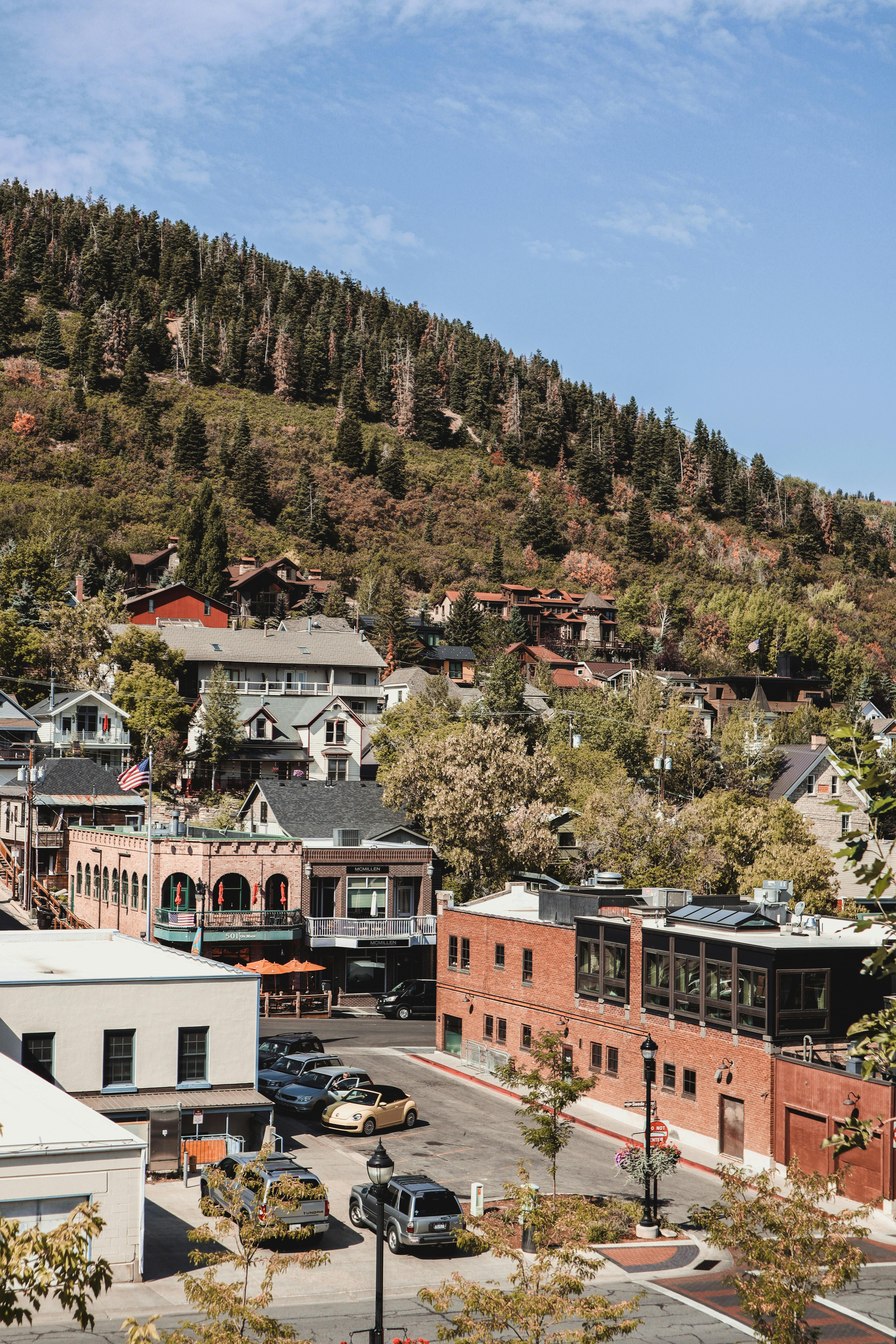
The part you can control is where you land inside Utah. A lot of people move to an idea of Utah instead of a specific place in Utah. Life in Holladay is very different from life in Eagle Mountain, and downtown Salt Lake City is a different experience than Draper, with Park City its own world altogether. The families who stay tend to do four things: they pick an area based on daily life and not just the house, they build a network on purpose and fast through a ski group, running club, community group, youth team, or pickleball league, they plan for the family they left behind, sometimes by choosing a home with a basement guest suite so grandparents can stay for a week, and they give it an honest window of two winters, not one.
The Takeaway
People move to Utah from California and Texas for real reasons, and some go back for real reasons too. They ran the math on the sale price instead of their monthly life, they never saw January, only one partner had a reason to be here, they bought the wrong house or the right house in the wrong spot, and most of all they did not plan for the distance from their people. Every one of these is something you can test for and plan for before you make the move. If you still need to sell a home in California or Texas, I also have a network of agents I trust outside of Utah, so both ends of the move can line up.
Thinking About Moving to Utah? Let's Talk.
Utah is one of the fastest-growing states in the entire country, and navigating the cultural landscape alongside the real estate market takes genuine local expertise. Whether you're considering Salt Lake County, Utah County, Davis County, or further out — finding the right neighborhood for your lifestyle, budget, and long-term goals makes all the difference.
My team and I work exclusively with buyers and sellers navigating the Utah real estate market. We help you cut through the noise, match the right submarket to your specific lifestyle and priorities, and make sure you're buying from a position of clarity — not FOMO.
Book a call with us HERE — free 30-minute consultation
Check out our relocation guide HERE
Subscribe to our weekly newsletter HERE
Categories
Recent Posts