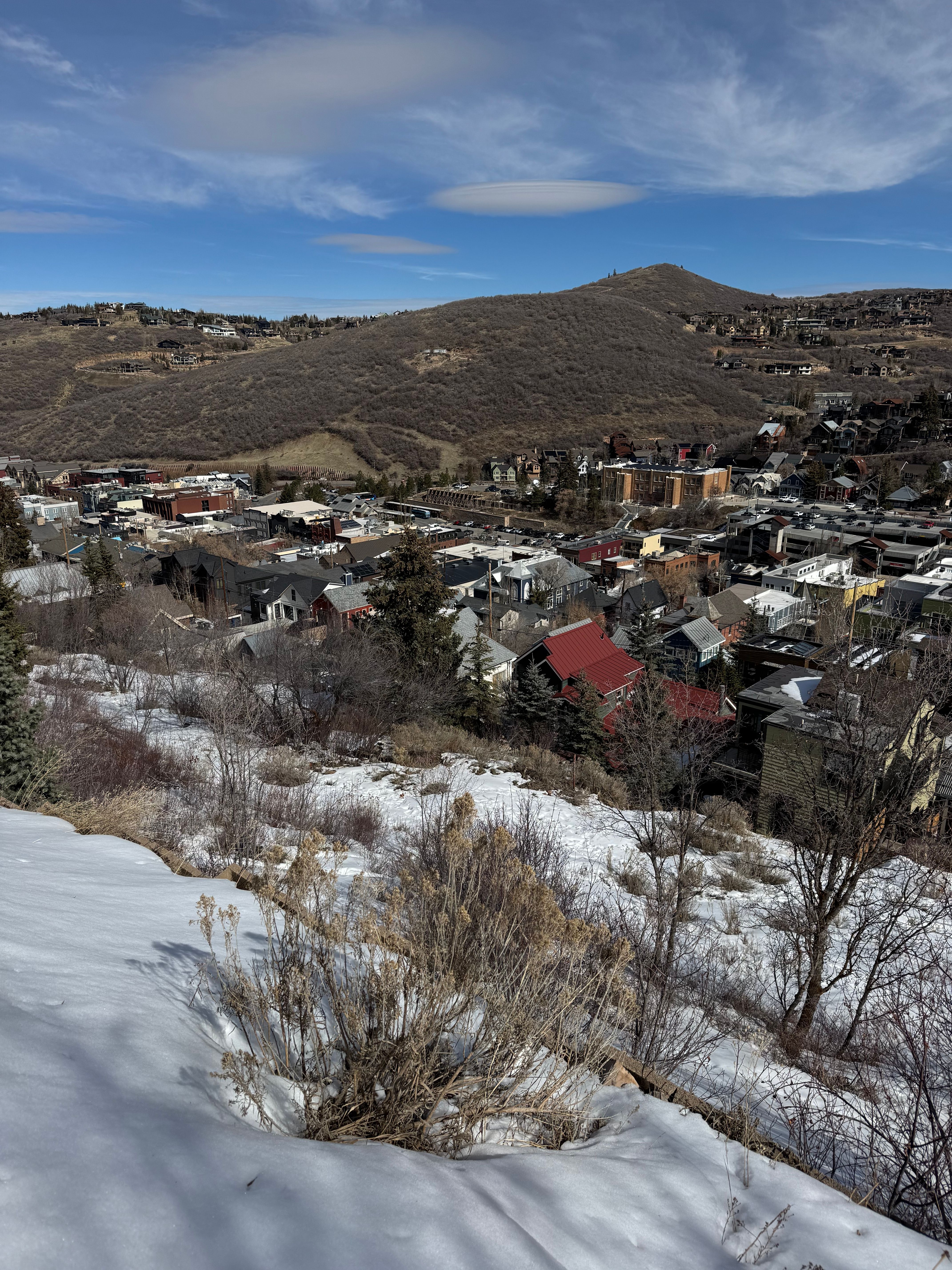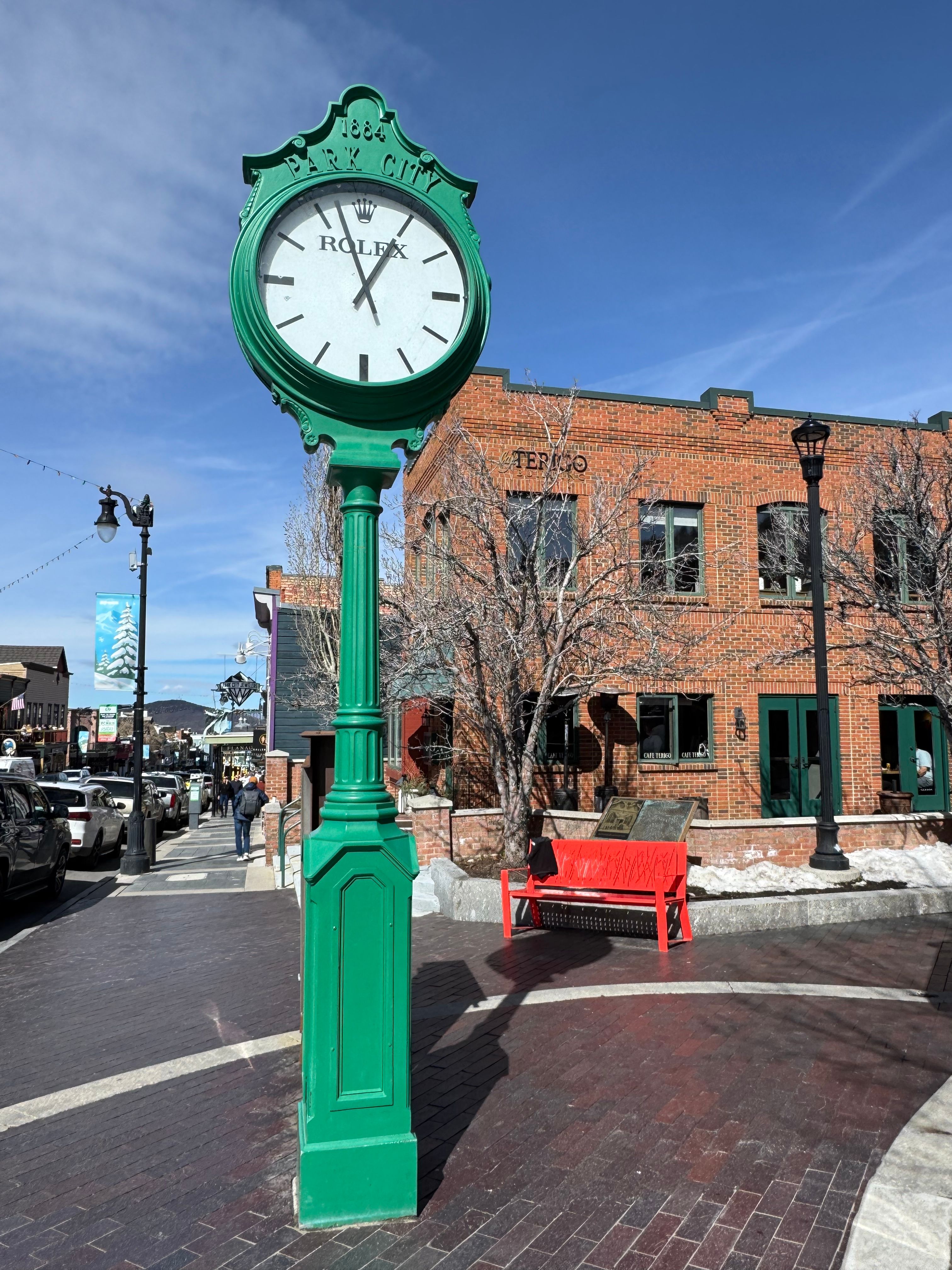
How to Buy a Park City Home From Out of State: 7 Steps in the Right Order
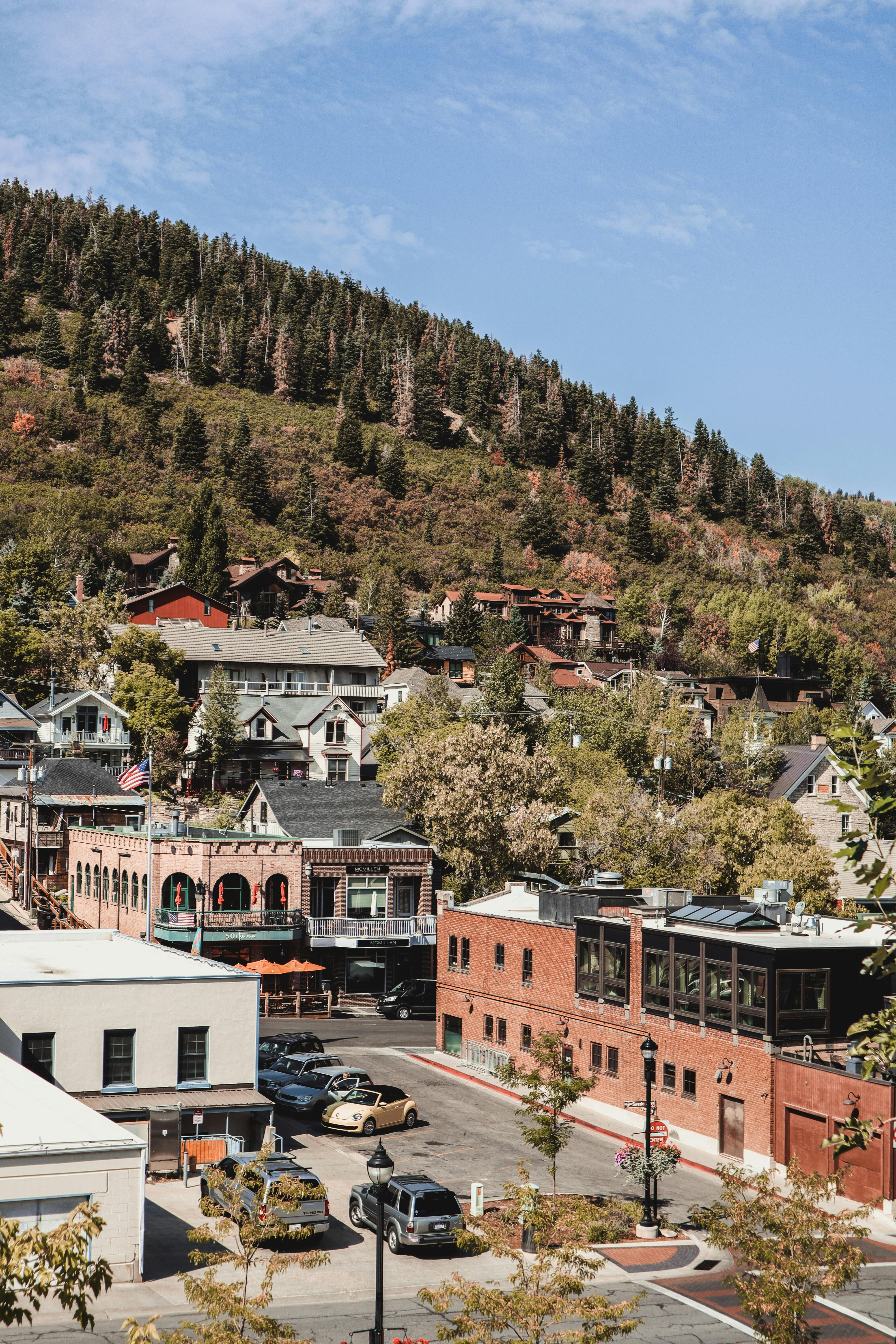
How to Buy a Park City Home From Out of State: 7 Steps in the Right Order
Earlier this week I did a buyer tour for someone moving here from Orange County, California. She was standing in her kitchen two states away, about to put an offer on a house. What I was looking at was a water stain about the size of a dinner plate, sitting above a bathroom in a room the listing photos skipped altogether.
That's what buying a Park City home from out of state really looks like. You're making one of the biggest purchases of your life on a place you might see in person once, maybe twice. The steps you take, and the order you take them in, decide whether it goes well. Here are the seven steps in the order they happen, and the last one matters most.
Step 1: Decide What This Home Is Going to Be
Before you look at a single listing, decide whether this is a primary home, a second home you'll use a few weeks a year, or a second home you'll rent when you're not here. That one answer sets three things that are hard to change later.
First, your property taxes. In Utah, a primary residence is taxed on 55% of its value and a second home is taxed on 100% of its value, which is roughly 80% more taxable value on the exact same home. In Summit County you don't get the primary rate by default. You have to qualify and file for it.
Second, your loan. A primary home, a second home and an investment property are three different loan types with different down payments and different rates.
Third, where you can buy. Whether you can rent a home by the night is set by zoning, the county or city, and the HOA. A lot of residential neighborhoods in the Snyderville Basin have 30-day minimums. Many homes on the Heber and Midway side can't be rented nightly at all without specific approval. In Canyons Village, a lot of Deer Valley and parts of the Jordanelle side, nightly rentals are allowed with licensing. If renting is part of your plan, a big piece of the map disappears before you start.
So write down three things: how many weeks a year you'll realistically be here, whether you'll rent it and how, and whether this could become your full-time home in the next 5 or 10 years. Those answers shape your neighborhood list, your loan and your tax bill before you fall in love with a house that doesn't fit.
Step 2: Get the Right Kind of Financing
If you're paying cash, you can skip ahead a bit, but stay for the condo part. If you're financing, you need a lender who works on mountain properties, not just whoever did your last refinance.
A second home loan usually comes with a better rate and a smaller down payment than an investment loan, but lenders have rules for it. In general, it has to be a place you'll actually use, you control it, and you can't rely on rental income to qualify. If your plan depends on rental income to make the payment, a lender may treat it as an investment property instead.
Then there are the condos. A lot of resort condos have a front desk, a rental program and hotel-style services, and lenders call some of those buildings non-warrantable. That means a standard loan won't work and you'll need a portfolio loan with a bigger down payment and usually a higher rate. The worst version is finding that out after you're under contract.
Get approved before you shop, and ask your lender three questions on day one. Am I approved as a primary, a second home or an investment? What happens if the building I picked is non-warrantable? How will rental income be counted, if at all? For jumbo buyers, also ask how much cash you need to keep in the bank after closing. Those reserve requirements catch people off guard.
Step 3: Build Your Team Before You Need Them
When you live a thousand miles away, every day you lose looking for an inspector or an insurance quote is a day off a short deadline. Here's the team I'd want lined up before you write an offer:
An agent who works in Park City every single week. Since 2024, you'll sign a written buyer agreement before you tour homes with an agent, and that includes live video tours. Read it. It covers how your agent gets paid and how long the agreement lasts.
A lender who knows mountain properties. An inspector who does mountain homes, plus the specialists they'll call in: sewer scope, roof, radon, and people for a well or septic system if the home has one. An insurance agent who writes policies in Summit and Wasatch counties. And if you'll rent it or be gone a lot, a property manager or home watch company, someone who will actually walk in the door when a sensor goes off at 2 in the morning.
The order matters. The agent and lender come first because they shape everything else. The inspector and insurance agent should be ready before you write an offer, so they can go the day you go under contract. The property manager can come in during due diligence, because they can tell you what a building costs to run before you own it.
Step 4: Make the Scouting Trip Count
Most out-of-state buyers make one or two trips before they buy, maybe three for a full-time move, so each trip has to count. The mistake I see over and over is flying in on a sunny July weekend, looking at nine houses and falling in love with the one with the best deck. July doesn't tell you what February looks like, or what the drive from the airport is on a Friday night in a snowstorm.
If you can come once in winter, even if you plan to buy in summer, drive I-80 up Parleys Canyon from the airport yourself. Then drive to the areas you're considering and time it. Kimball Junction, Old Town, the Jordanelle side and Heber are very different drives in the snow.
Spend the first day on areas, not houses. Drive the map and figure out which side of Park City fits how you'll use the home: the Snyderville Basin, Old Town, Deer Valley, Canyons, the Jordanelle side or Heber Valley. Day two is houses, and only in the areas you liked. Then do the boring stuff. Go to the grocery store, drive to the closest urgent care, find where you'd get your skis tuned. If you're moving full-time, drive the school route at the time you'd actually drive it. You'll learn more from that than from any open house.
Step 5: Shop From Home Without Getting Fooled by the Photos
Listing photos are taken with wide lenses on a bright day by someone whose job is to make the house look amazing. That's fine, but when you can't walk through it yourself, the photos and 3D tours are most of what you have, and they're built to show you the kitchen, not the crawl space.
This is where my construction background comes in. When I do video tours for out-of-state clients, I post them to a private channel you can watch over and over. I go to the ceiling corners and window seals, because that's where water and ice damage show up first. I find the furnace or boiler and read the labels so we know how old it is. I look at the electrical panel, open the crawl space hatch or walk the basement, and look at the roof valleys and gutters, because snow and ice sit in those spots for months. I also look at the driveway. A steep north-facing driveway in Park City is a winter problem.
That's how I found the stain I mentioned at the top. Nothing in the listing mentioned that room. So when you're shopping from home, ask for live or recorded tours that go where the photos didn't. Ask for the year of the roof, furnace and water heater, and how they've been serviced. Ask whether the house has a snow melt system, heat tape or a boiler, because those are expensive to run and expensive to fix. And if it's in an HOA, ask for the dues, what they cover and whether any special assessments are coming before you write an offer. That's a five-minute question that saves a lot of time.
Step 6: Write the Offer Under a Utah Contract
In Utah, most residential sales use a standard state-approved contract, the real estate purchase contract, which people here call the REPC. Out-of-state buyers like that you can sign the whole thing on your phone and don't have to fly back for any of it. But the REPC runs on deadlines, and you need to understand four of them: the seller disclosure deadline, the due diligence deadline, the financing and appraisal deadlines (which have been bundled together for years and are finally being separated), and the settlement deadline.
Under the standard Utah contract, if you cancel in writing before the due diligence deadline, you generally get your earnest money back. Miss that deadline and that protection changes. Put every deadline on your calendar in Mountain time. In our contracts, unless otherwise noted, deadlines on a specific day fall at 5:00 p.m. on that date.
Earnest money is negotiable, and in Park City it's often more than buyers from other parts of the country expect. You'll wire it or send it to the title company or the brokerage trust account, where it's held until closing.
As for the market, it depends on what you're buying. In the first half of this year, Park City condos and townhomes were selling a bit under asking price with more time on the market, while single-family homes were still firmer. Depending on the property, you may or may not have room to negotiate. My advice on the offer is simple: don't make the due diligence window too short. You need enough days to get inspections done, get insurance quoted and read the HOA documents from a thousand miles away. Ten to 14 days is the most common I see here, and that's usually plenty. If it's a complicated property, I'd rather lose a bidding war than give you 5 days.
Step 7: Use the Due Diligence Window, Then Close
This window, usually 10 to 14 days, is the only time in the whole deal when you can find a problem and walk away cleanly without any other reason. Here's what I'd get done in it.
Start with the inspection, because inspectors book up, especially in fall and spring. Get a full home inspection by someone who does mountain homes, and a sewer scope. A camera goes down the sewer line to the street, and older Park City homes often hide cracked or root-damaged lines that get expensive quickly. Add a roof inspection that looks for ice dam history, attic stains, damaged shingles at the eaves and heat tape that's been patched over and over. Add a radon test, since radon levels are elevated in a lot of Utah and a mitigation system is easier to negotiate before closing than after. If the home is on a well or septic system, which some homes out toward Kamas, Oakley and parts of Wasatch County are, test the water, inspect the septic and ask about water rights and shares in writing.
Then the documents. If there's an HOA, read the CC&Rs, the budget, the reserve study and at least the last year or two of meeting minutes, not just the summary. The minutes are where you'll find out about the roof replacement or the lawsuit or the loan that isn't in the summary. If you plan to rent, check the rental rules on that exact property, not the neighborhood: zoning, licensing with Park City or the county, and the HOA rules.
Then insurance, which is why I said not to wait. Utah had the highest homeowners insurance non-renewal rate in the country last year. Some mountain homes are harder to insure than buyers expect, and some condo associations have seen big premium jumps. Get a real quote during due diligence, not the week before closing. Also ask about wildfire risk. Utah's new wildfire law, HB48, created a statewide map of wildland-urban interface areas, and homes in the higher-risk areas can face a new annual fee. Ask whether the home is in one and what that means for insurance.
From the construction side, here's my rule for the inspection report: don't read it top to bottom. Read it water first, meaning roof, drainage, plumbing and anything with moisture, then structure, then mechanicals like the furnace, boiler and water heater. Everything else is cosmetic. Up here, water is the most expensive damage, especially in a house that sits empty for weeks in winter. If something big shows up, that's not a reason to panic. That's what the window is for. You can ask for a repair, a credit, a concession or a price change, or walk away, all before the due diligence deadline.
Then closing. In Utah, a title company handles the closing, not attorneys, and you don't have to fly in. Depending on your lender and the title company, you can sign with a mobile notary at your own kitchen table or, in some cases, sign online with a remote notary. One warning I give every buyer is wire fraud. Criminals watch for real estate deals and send fake wiring instructions that look like they came from your title company. Before you wire a dollar, call the title company at a phone number you looked up yourself, not one from an email. If wiring instructions ever change by email, assume it's fraud until you've confirmed by phone.
In the first week after closing, get utilities in your name and set up snow removal before the first snowstorm. Put in a water shut-off valve you can control remotely, a smart thermostat and a temperature alert. If you'll rent, get your license in place before your first booking. And if this is your primary home, file for the primary residential exemption with the county. Talk to a CPA about your situation, but don't leave that 45% on the table.
The Whole Path in One Place
One, decide how you'll use the home, because that sets your taxes, your loan and your map. Two, get the right financing and find out early whether the building works for your loan. Three, build your team before you need them. Four, make your scouting trip count, and come in winter if you can. Five, shop from home with tours that go well beyond what the photos cover. Six, write an offer that gives you enough time. Seven, use the due diligence window, read the report water first, and confirm wiring instructions by phone.
If you also own a home somewhere else, timing the sale of that home with your purchase here is a whole project of its own. I keep a vetted network of agents across the country, people I work with and meet with every year, so you can have the right person working for you on both ends of the deal.
Thinking About Moving to Utah? Let's Talk.
Utah is one of the fastest-growing states in the entire country, and navigating the cultural landscape alongside the real estate market takes genuine local expertise. Whether you're considering Salt Lake County, Utah County, Davis County, or further out — finding the right neighborhood for your lifestyle, budget, and long-term goals makes all the difference.
My team and I work exclusively with buyers and sellers navigating the Utah real estate market. We help you cut through the noise, match the right submarket to your specific lifestyle and priorities, and make sure you're buying from a position of clarity — not FOMO.
Book a call with us HERE — free 30-minute consultation
Check out our relocation guide HERE
Subscribe to our weekly newsletter HERE
Categories
Recent Posts