Utah Is Booming. Here's What Nobody Tells You Before You Move
Utah Is Booming. Here's What Nobody Tells You Before You Move
I want to start with something that isn't a listing and isn't a market report. It's a city council agenda packet. In it, there's a line saying the fee a builder pays to connect one new home to the water system should go from about $1,800 to about $5,500. The fee to connect that same house to the sewer should go from $545 to $4,300. That's one house. That's just the pipes. That's before anybody pours a footing.
Nobody is doing anything wrong there. Those fees hadn't been touched since the 1990s. Growth used up capacity that was paid for a long time ago, and somebody has to build the next round. But notice what just happened. A boom isn't something that happens at a place. A boom is a bill. That bill gets split up and quietly handed out, and almost nobody tells you which part of it ends up being yours.
Utah is booming. Completely true, and I'm not arguing with that. But I'm not going to talk about the inversion or tell you the mountains are close. You already know all of that. Instead, here are six things I deal with in writing with real clients that you won't find in most relocation articles. The last one is the one I'd fight for, because it decides whether this move works out for you financially about seven years from now.
If we haven't met, I'm Scott Steele, and I lead The Steele Group here in Utah. Most of my week is spent helping people work through this exact move. Before I sold a single house, I spent years in construction, so I tend to look at this market from underneath: grading, drainage, what a schedule does to framing. That lens shows up in every point below.
Here's what I believe, and it sounds strange coming from somebody who sells real estate in Utah: Utah's problem isn't demand. Utah's story is a supply story, and it's a physical one.
1. There's a Fence Around the Boom
Every comparison I hear goes the same way. Utah is growing like Texas grew or like Phoenix grew. People come, builders build, supply catches up, prices settle in. It's a reasonable assumption, but it's wrong here for a reason that has nothing to do with the housing market.
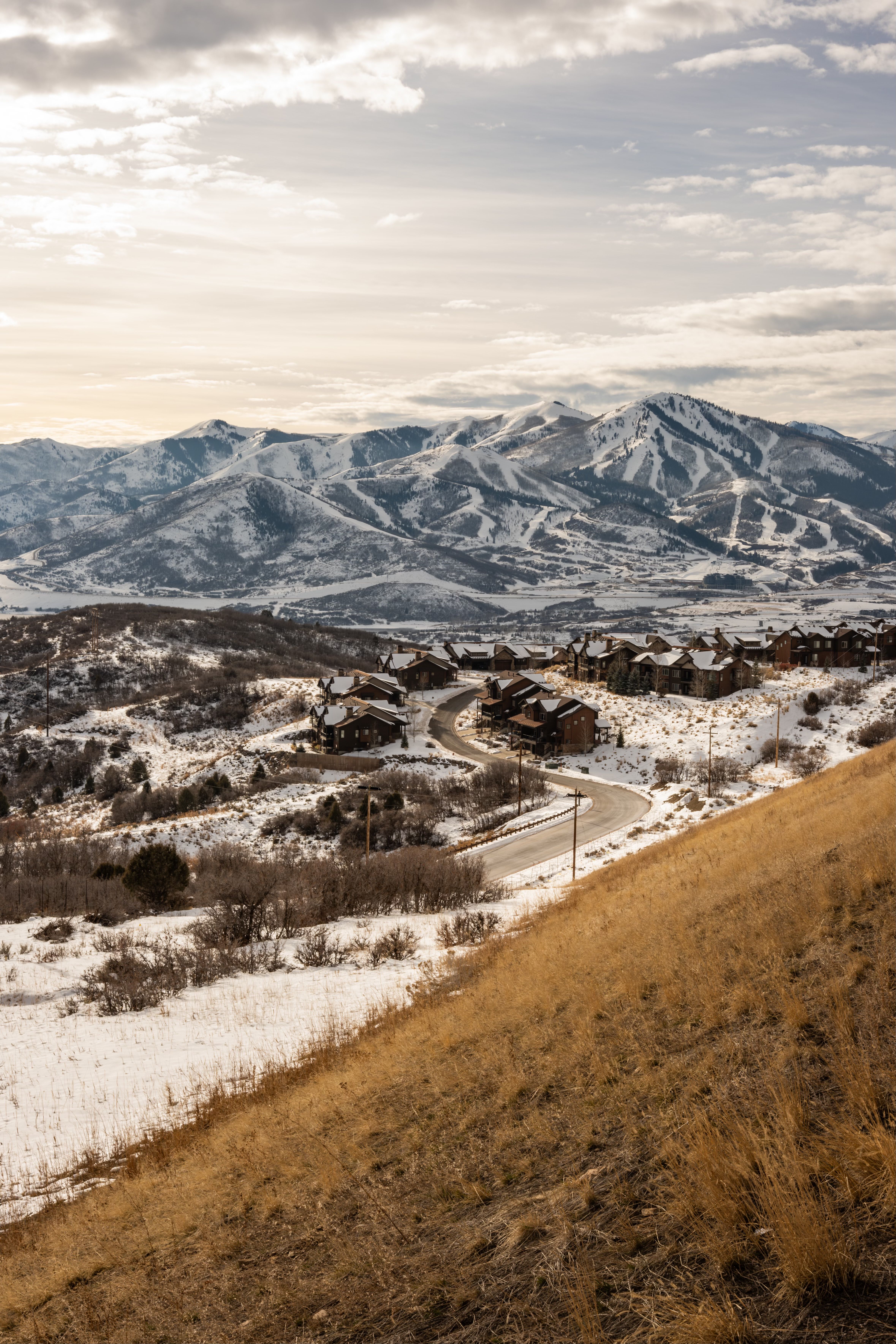
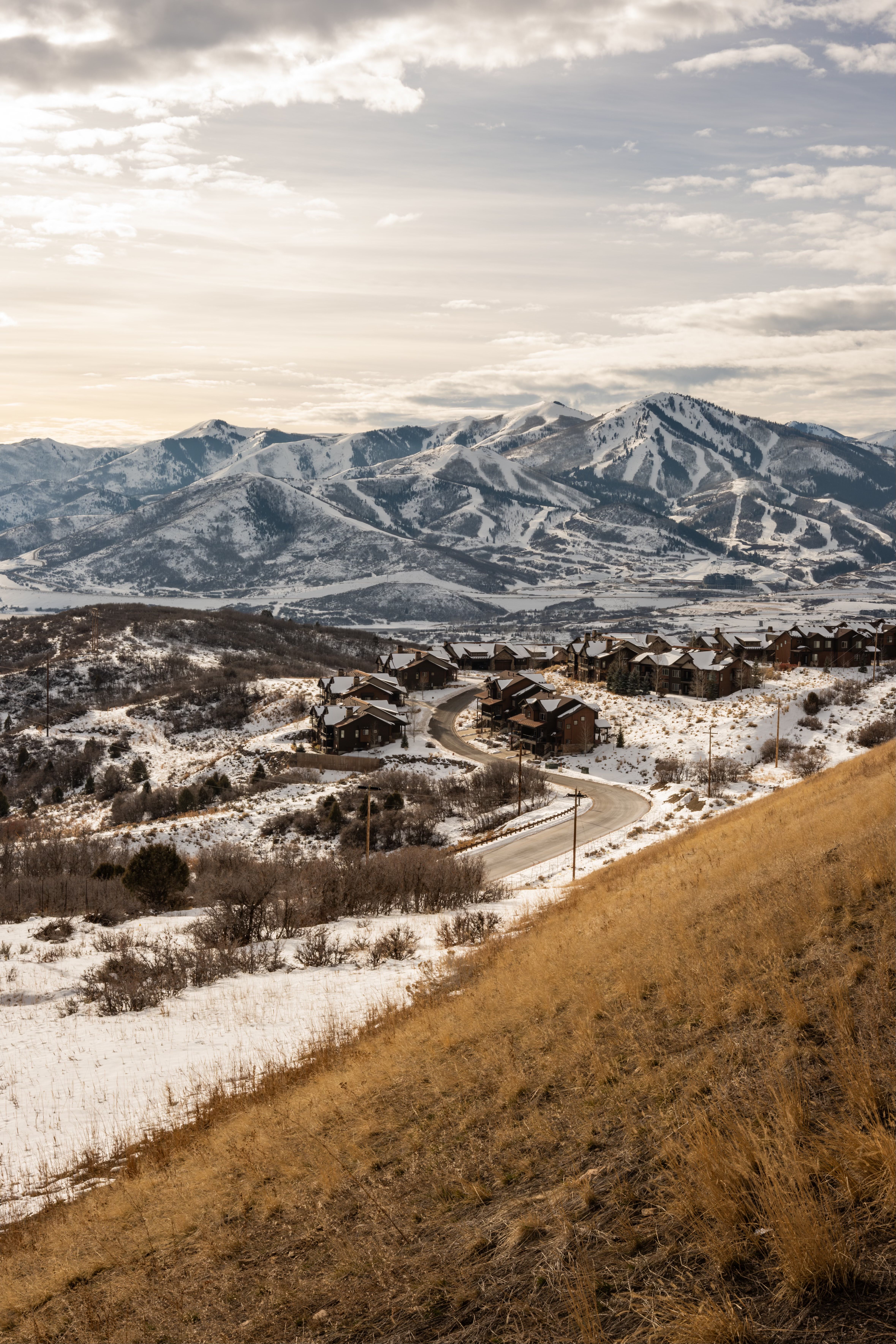
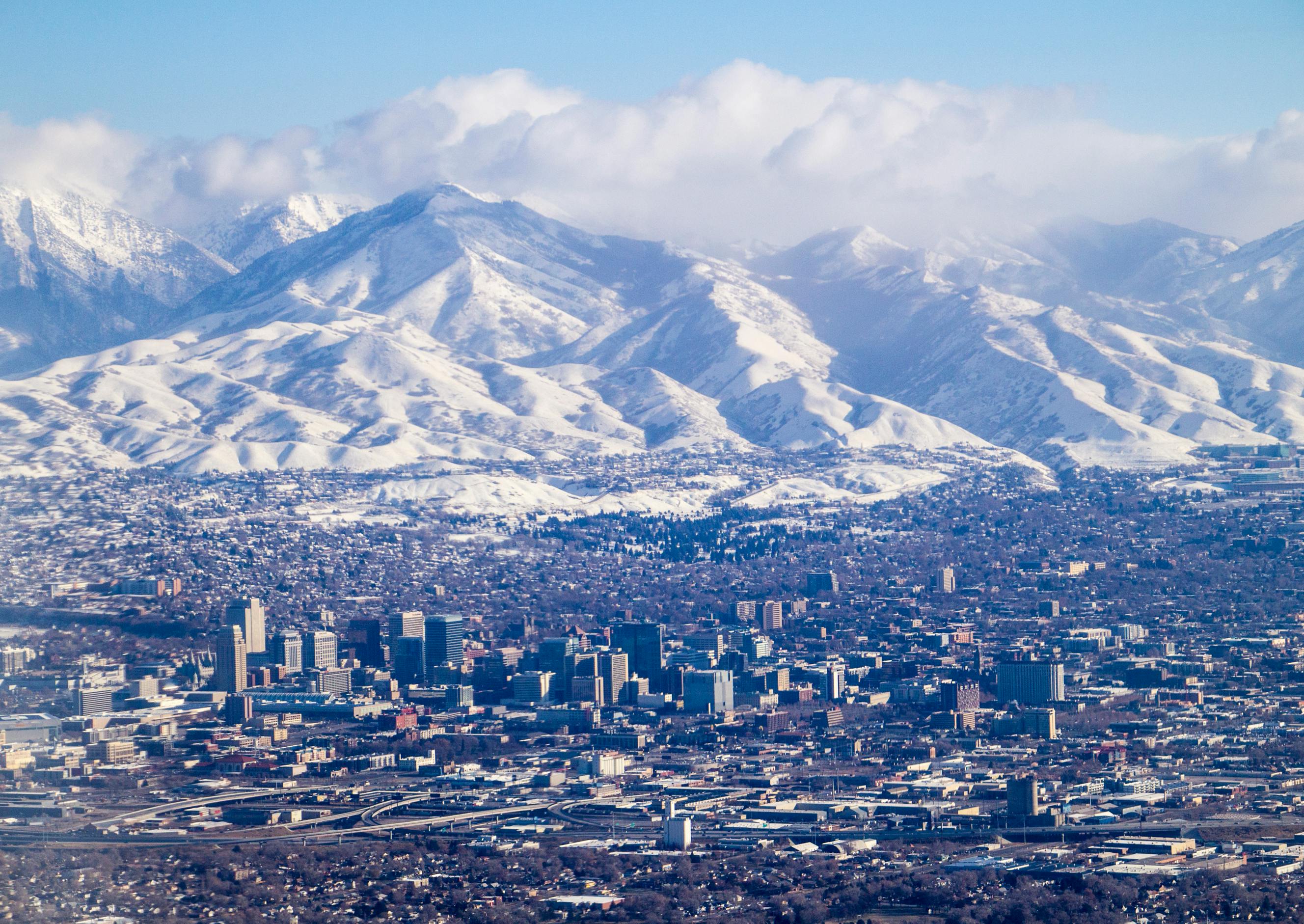
The federal government owns about 64% of the land in Utah, roughly 35 million acres out of about 54 million total, one of the highest shares of any state. Yes, most of that is in the southern and eastern parts of the state, and the Wasatch Front counties have some of the lowest federal ownership in Utah. That's the problem, not the relief. The part of the state where the jobs, the water infrastructure and the freeway are is a strip roughly 120 miles north to south, and in a lot of places only a few miles wide, pinned between a mountain range on one side and a lake or another mountain range on the other. That is the buildable inventory of the Wasatch Front, and they are not making any more of it.
When Phoenix and Dallas get expensive, they build another ring 30 minutes out and the pressure releases. Utah doesn't have another ring. So here's how I'd use that:
Stop waiting for supply to rescue you. "They'll just build more" is not a strategy along this corridor. When land runs out, growth doesn't stop. It goes up, it goes denser, or it goes further away. Watch which of those three your city is choosing, because that's what your street looks like in 10, 15 or 20 years.
Understand what holds value. Houses are reproducible. Land that can't be replicated is the whole game in a place with a fence around it.
Read the big announcements differently. The constraint is why you keep seeing enormous projects announced here: transit expansions, redevelopment districts, giant mixed-use plans. When a state can't grow outward, the only move left is rebuilding the middle.
2. The Paychecks Don't Come From Where You Think
Ask anybody what Utah's economy is and you get one answer: tech. Silicon Slopes, the campuses around the point of the mountain from Draper to Lehi. That's where the venture money is, it's real, and it has changed this state. But it isn't the payroll.
Look at the largest employers in Utah. Intermountain Health runs more than 20 hospitals in the state. The University of Utah, the academic side and the health system together, is well north of 40,000 people. The State of Utah itself employs more than 20,000 people across dozens of agencies. Then come other universities, Hill Air Force Base and many private-sector employers. Healthcare, higher education, government, retail, and then tech. Tech isn't in the top five.
If you're relocating for a job, be honest about which economy you're joining. A tech role here is real, but it's a smaller slice of the pie than the marketing suggests. Have the offer in hand before you come.
If you're buying, this is the part almost nobody says. Hospital systems, universities and state government don't lay off in cycles the way tech does. Housing demand anchored around the big medical campuses, the universities and the government complexes has a floor under it that the tech corridor doesn't have. That's not a reason to avoid the tech corridor. I've helped plenty of people buy there and it's been fantastic. It's simply that this state's employment base is far more diversified, and maybe a little more boring, than its reputation. Boring is a compliment when you're signing a 40-year note.
3. Most of the Growth Is Homegrown
Spend 10 minutes reading about Utah and you come away with one story: everybody is moving here from California. There's some truth in it. California is our largest single source of inbound movers, and it isn't really close.
But here's the number almost nobody in real estate quotes. In the most recent full year of state population data, Utah grew by about 44,000 people. 57% of that was natural change, births minus deaths. Only 43% was in-migration from everywhere combined, every other state and every other country. The state's demographers flagged it as a real shift, because it's the first time this decade natural change has been the primary driver. And the number I'd act on: Utah County by itself took about 36% of the state's growth that year, roughly 16,000 people. Salt Lake County, which is bigger, added about 10,000.
Why that matters when you're out looking at houses:
The demand under this market has no off switch. If California's economy turns or remote policies swing back, migration slows. It already has. But household formation from people who grew up here arrives on schedule every year. The buyer for your house in seven years is, statistically, probably somebody from Utah. That's a sturdier floor than a migration wave, and it's why I've never bought the "everybody leaves and prices collapse" argument.
It shapes what gets built. Builders build for the households forming locally, which is why you can find a four-bedroom on a small lot all day long and why a well-built smaller home is strangely hard to find. If you're a couple, downsizing or single, you're shopping the thin part of this market. Plan for a longer search.
Know who you're bidding against. Relocators assume their competition is other relocators. Usually it isn't. It's a local move-up buyer who has owned through this entire run, is sitting on real equity, knows the street, knows the builder, knows which side of the road floods, and can close without a home sale contingency. You don't beat them with a bigger number. You beat them with cleaner terms and faster underwriting.
4. The Boom Sends Invoices
The price on the sign isn't the price of the house. Everybody knows that vaguely. Almost nobody knows the specific ways, and in a fast-growing state they multiply.
Layer one: impact fees. These are one-time charges a city assesses on new construction to pay for the water, sewer, storm drain, roads and parks those houses will use. Salt Lake City is weighing its first water impact fee increase since 1999: water from roughly $1,800 to roughly $5,500, sewer on a single-family connection from $545 to $4,300, and storm water from about $374 to nearly $2,000 per quarter acre. Salt Lake City isn't unusual. Cities all along the corridor are redoing their impact fee studies for the same reason. Builders pay those fees, which means you pay them. They're just inside the price of the home.
Layer two: assessment areas and special service districts. In some newer master-planned areas, the infrastructure was financed through bonds, and repayment shows up as a line on the property tax notice for that parcel. Not a separate bill. A line item you have to be looking for.
Layer three: community charges. Several of the bigger master-planned communities here have a fee that triggers at closing on top of regular dues, sometimes calculated off the sales price, sometimes charged on resale as well. It's in the governing documents and it's disclosed. Many of these communities also have both a master association and a sub-association, and people budget for just one.
Here's how I check it, and you can do all of this yourself:
Pull the parcel on the county assessor or recorder website. It's free and public. Read the tax notice line by line, not the total; any district or assessment on that parcel will be listed. Ask a title company for the CC&Rs and every fee addendum. Ask for the HOA's reserve study. And ask early, not on the last day of your due diligence period. Utah contract deadlines don't forgive a slow reader.
For new construction, ask the builder for the fee sheet, not the price sheet. Different document. Then ask one question: what's the full monthly obligation at this address, including mortgage, taxes, insurance, master association, sub-association and any assessment, as one number in writing? Finally, ask the city when it last updated its impact fee study. If the answer is "we're doing it right now," the phase behind yours will price differently than yours did.
5. What a Boom Does to the Buildings
This one is mine, and it's where I stop sounding like a real estate agent. From roughly 2020 through 2022, this state built as fast as it was physically capable of building. Not as fast as it wanted to, as fast as the labor, the lumber and the daylight allowed.
I want to be fair. I know builders, I've worked alongside really good ones, and most were doing honest work in genuinely strange conditions. This is not a "builders are crooks" story. But when a schedule compresses, it doesn't compress evenly. A crew that ran one job is running four. The excavation subcontractor who had three days on a pad now has one or two. Materials arrive out of order, so trades stack on top of each other instead of following each other as designed.
The pattern I care about: the things that get shortened first are almost always the things you can't see afterward. Compaction and fill on a cut-and-fill lot, where they cut the uphill side and filled the downhill side. The final grade, and whether dirt actually slopes away from the foundation or was backfilled loose and has settled back toward the house. Flashing at windows, roof-to-wall transitions and the deck ledger. And drying time before drywall, when framing went up in a wet spring and got closed in on a schedule instead of a moisture reading.
Here's what I do on a home built in that window, and you can do most of it too:
Walk the full perimeter before going inside. Does the dirt fall away from the foundation, or has it settled into a trough against it? Where do the downspouts actually discharge? Is there a gap where backfill dropped? Look where the driveway meets the garage slab and where the front walk meets the porch, because those joints are where differential settlement shows up first. Look at the neighbors' fence lines, retaining walls, and the curb and gutter along the street. Three wavy fence lines in a row is the ground talking.
Ask whether the lot was cut or filled. The plat and the subdivision's geotechnical report will tell you, and your agent can and should get both. Ask for the builder's warranty documents and read the transfer and dispute language. People buying a three- or four-year-old home assume they inherited coverage. Frequently they did not.
None of that means don't buy from that era. It means you inspect it differently than a house built in 2015, and you hire the inspector who gets on the roof and into the attic, not the one who does the fast job.
6. Selling What a Boom Built (The One I'd Fight For)
Every conversation about a boom is about buying in one. Almost nobody asks the other question: what happens when you go to sell something a boom built?
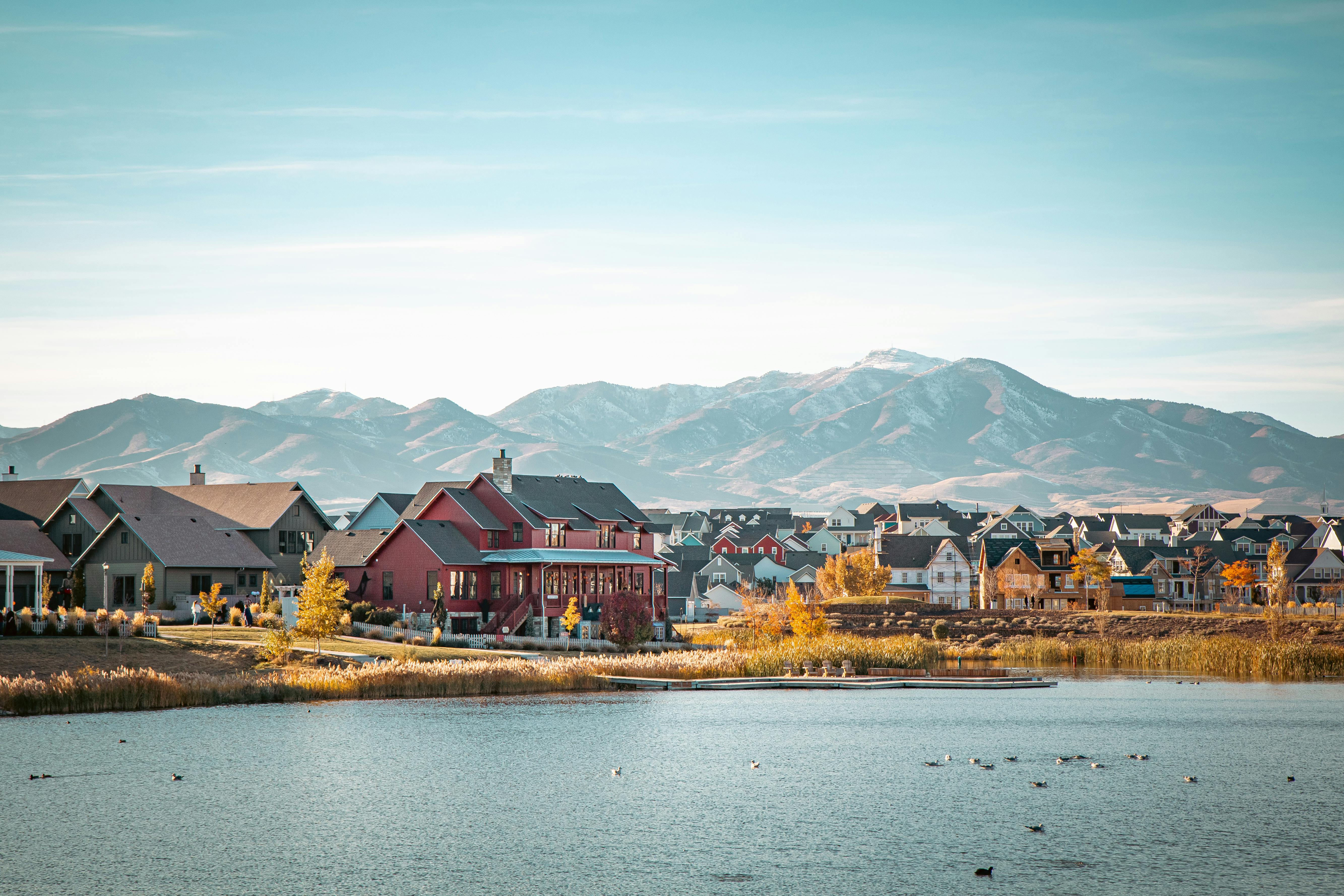
Picture the subdivision. 400 homes built over about 24 months. Eight floor plans, the same three elevations, the same era of finishes because everybody ordered from the same design center in the same window. Run the clock forward five to seven years, roughly how long somebody holds a home before life moves them. Those houses hit their first resale window at about the same time.
Here's what gets people. Your competition isn't the resale two doors down. Your competition is the builder, because in that same corridor the builder has opened the next phase. Builders don't compete on list price. They compete with rate buydowns, paid closing costs, concessions, design center allowances, sometimes a finished basement. They'll spend $30,000 or $40,000 to move a house without ever changing the number on the sign.
That's why the comps can look healthy while the net the buyer actually experienced is well below them, because concessions don't show up in a sales price the way a price cut does. You list against comps that look great, you sit, and you can't figure out why. You're competing against a discount that's invisible in the data.
There are three defenses, and all of them have to go in place on the way in, because none are available on the way out:
Buy the lot the builder can't reproduce. The end of the cul-de-sac. Backing open space, a trail corridor, or a drainage easement nobody will ever build on. The extra-deep lot, the one with real grade separation from the house behind it. Everything inside the walls is reproducible. The lot is not.
Pay attention to phase timing. Buying phase one of a 14-phase community means selling into the builder's marketing budget for a decade. Buying the last phase means the builder is leaving and taking the incentives with them. Ask how many phases are planned and how many platted lots remain.
Put upgrade money where the builder's incentive package doesn't go. The lot premium and the structural things you can't add later, like a taller basement ceiling or real deck footings, hold up. The countertop upgrade doesn't, because in seven years the buyer's comparison is a brand-new house with this year's countertops and $30,000 of somebody else's money on the table.
The honest summary: buying in a boom is easy, because the market carries you. Selling what a boom built is where the decision you made on the way in either pays you or costs you. The people I've watched do well in this state are almost never the ones who bought the best house. They're the ones who bought the best positioning.
The Bottom Line
The land has a fence around it, and that explains nearly everything else about this market. The paychecks come from hospitals, universities and the state far more than from tech, which is a steadier foundation than Utah gets credit for. More than half of the growth is being born here, so demand has a floor. The boom gets billed later, through impact fees and assessments you have to go looking for. Homes that went up fast get inspected differently. And the lot you pick decides how this goes when you sell.
None of that is a reason to stay away. I chose this place on purpose to live here with my family. It's a reason to come in with your eyes wide open, because this is a market that rewards preparation a lot more than it rewards enthusiasm.
Watch the full video: Utah is BOOMING... but Here's What NOBODY Tells You
Thinking About Moving to Utah? Let's Talk.
Utah is one of the fastest-growing states in the entire country, and navigating the cultural landscape alongside the real estate market takes genuine local expertise. Whether you're considering Salt Lake County, Utah County, Davis County, or further out — finding the right neighborhood for your lifestyle, budget, and long-term goals makes all the difference.
My team and I work exclusively with buyers and sellers navigating the Utah real estate market. We help you cut through the noise, match the right submarket to your specific lifestyle and priorities, and make sure you're buying from a position of clarity — not FOMO.
Book a call with us HERE — free 30-minute consultation
Check out our relocation guide HERE
Subscribe to our weekly newsletter HERE
Categories
Recent Posts