The Top 10 Questions People Ask Before Moving to Utah, Answered
The Top 10 Questions People Ask Before Moving to Utah, Answered
If you're making the move to Utah, or thinking about it, you're probably curious whether your questions are the same as what other people have. They are. I get reached out to every single day by people asking the same exact questions. Here are the ten that come up most, ordered roughly by how early they show up in a relocation decision, and phrased the way people actually think about them rather than the way they type them into Google.
1. Can We Actually Afford It?
The median price of a home here is in the low to mid $500s statewide, and higher in Salt Lake, Utah and Summit counties. People coming from California see that as a bargain, and people coming from Texas or the Midwest get sticker shock. Both of those are true, and they need different answers.
Utah is ranked number 32 in the country for overall affordability, which puts us right around the middle of the pack. When you break down daily life, the one thing Utah really suffers in is housing. Outside of housing, everything here is pretty affordable. That sticker shock on housing is what tilts it for some people, and whether it's worth it depends on where you're coming from.
2. Will I Fit In If I'm Not LDS?
This is the biggest unspoken question, and almost nobody asks it out loud. What people are really asking is whether their kids will get invited to birthday parties, whether they'll make friends, and whether they'll feel like an outsider at work. As a real estate professional, I can't separate or steer people from one neighborhood to another based on religion. What I can say is that what people feel and experience here has changed dramatically over the last couple of decades. The neighborhoods that felt a certain way in the '90s no longer do.
When a vast majority of the people moving into the state came from somewhere else, the area becomes less homogeneous. That means more transplants who have something in common with you, and to me that creates a new social fabric people are craving. I won't pretend it never happens, though. There are still neighborhoods in some towns and cities where you could feel like the odd duck. That's why personalized guidance matters.
3. Where Exactly Should We Live?
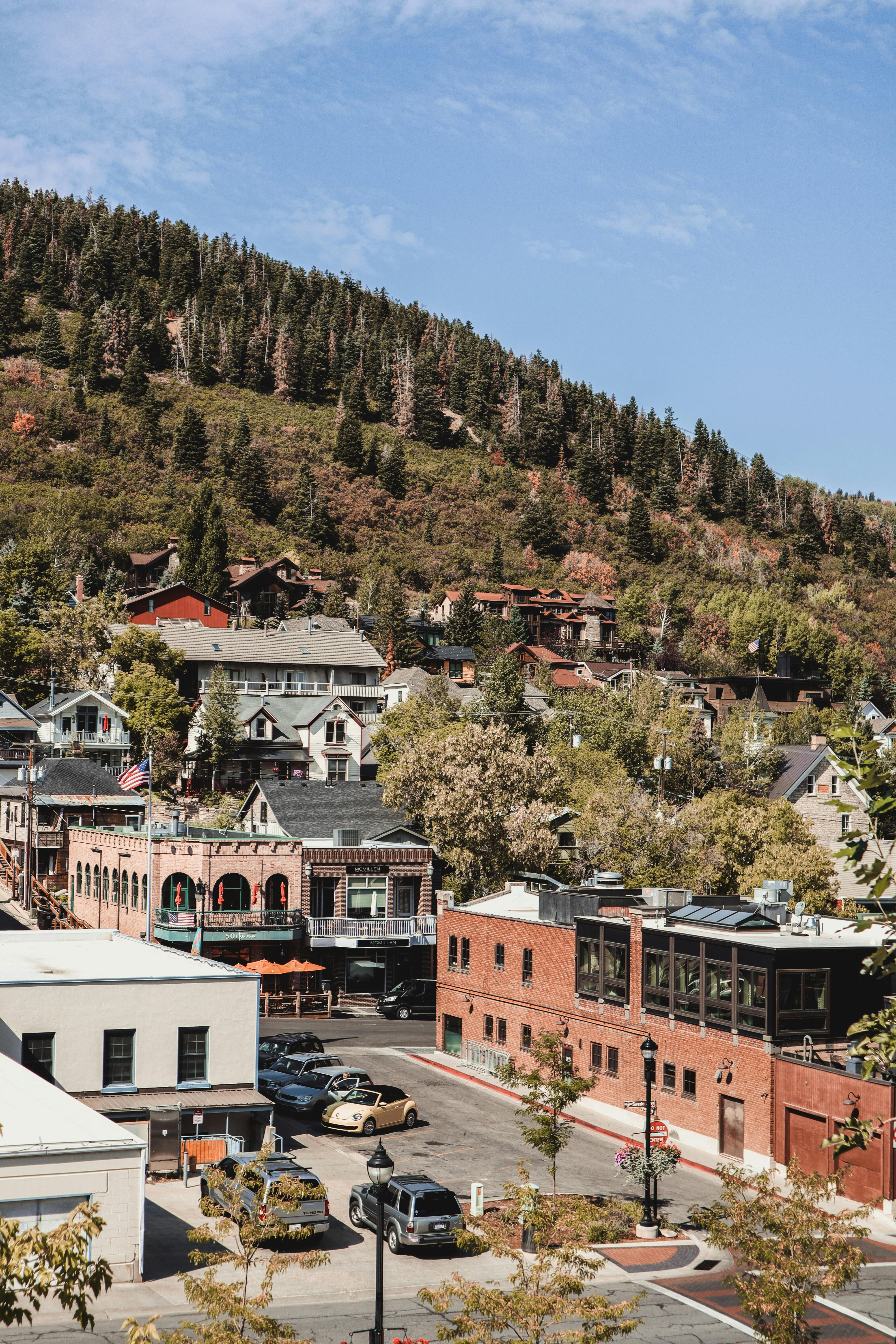
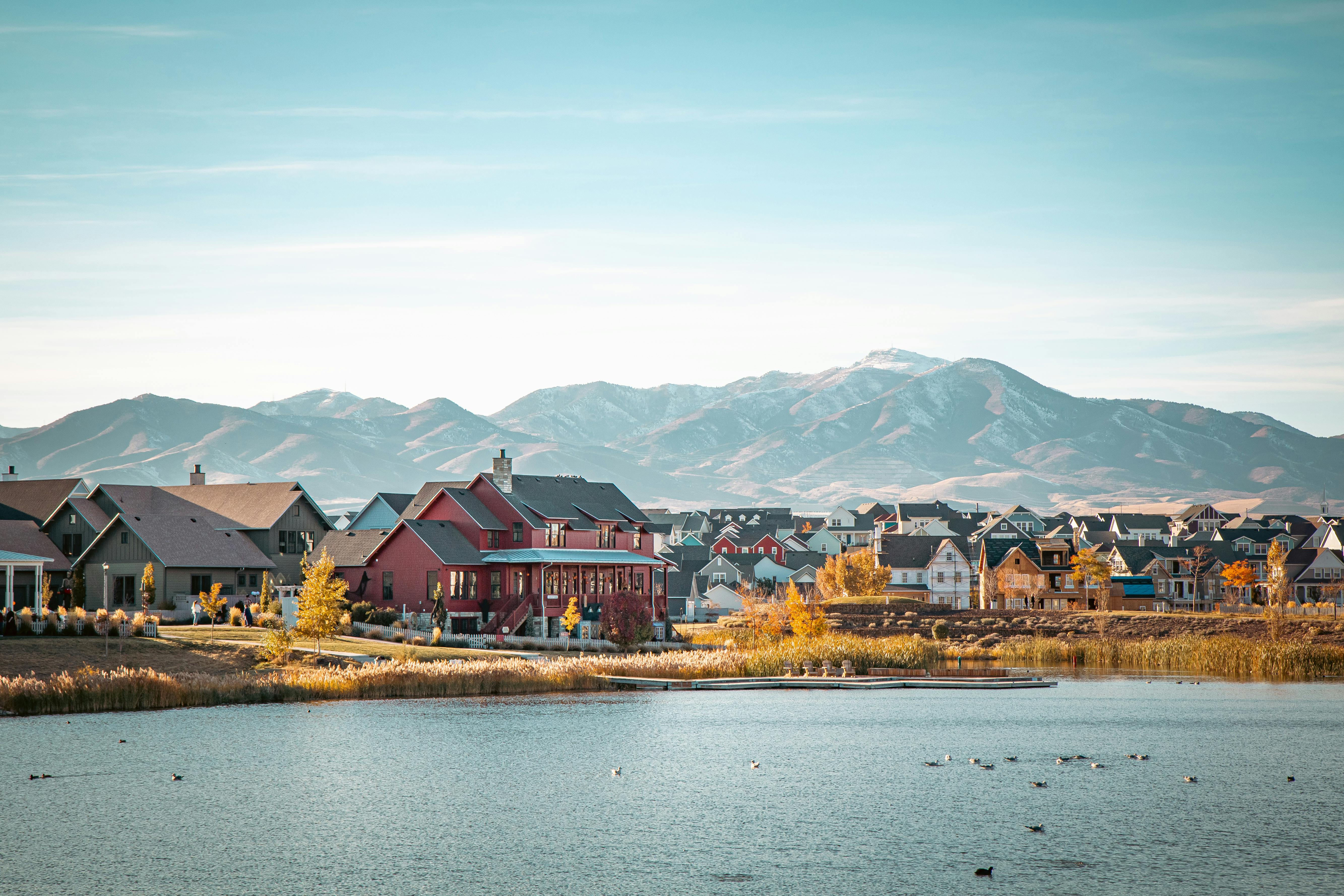
The question isn't Utah. It's Lehi versus Draper versus Sugar House versus Holladay versus Park City versus Ogden. Most out-of-state buyers can't tell the difference between a Utah County suburb and an east bench Salt Lake City neighborhood, and the map lies to them about how close things really are.
My philosophy is that we always have to identify which area is best for you before we ever find the home. Finding the home is the easy part. The harder part is finding the neighborhood, city or area that works for you personally, based on your lifestyle, goals and commute. Once we narrow it to two or three locations, that's where we can really focus. I've yet to find a single person where we couldn't identify a perfect place to call home.
4. How Bad Is the Air Quality, Really?
Winter inversion season runs roughly from December to February, with January and February the worst, and then there's summer wildfire smoke. Families with asthma or young kids ask about this before they ask about schools. The honest answer is that it depends on the neighborhood, and elevation matters a lot. Buying a little higher up on the benches or on a hill can be a game changer.
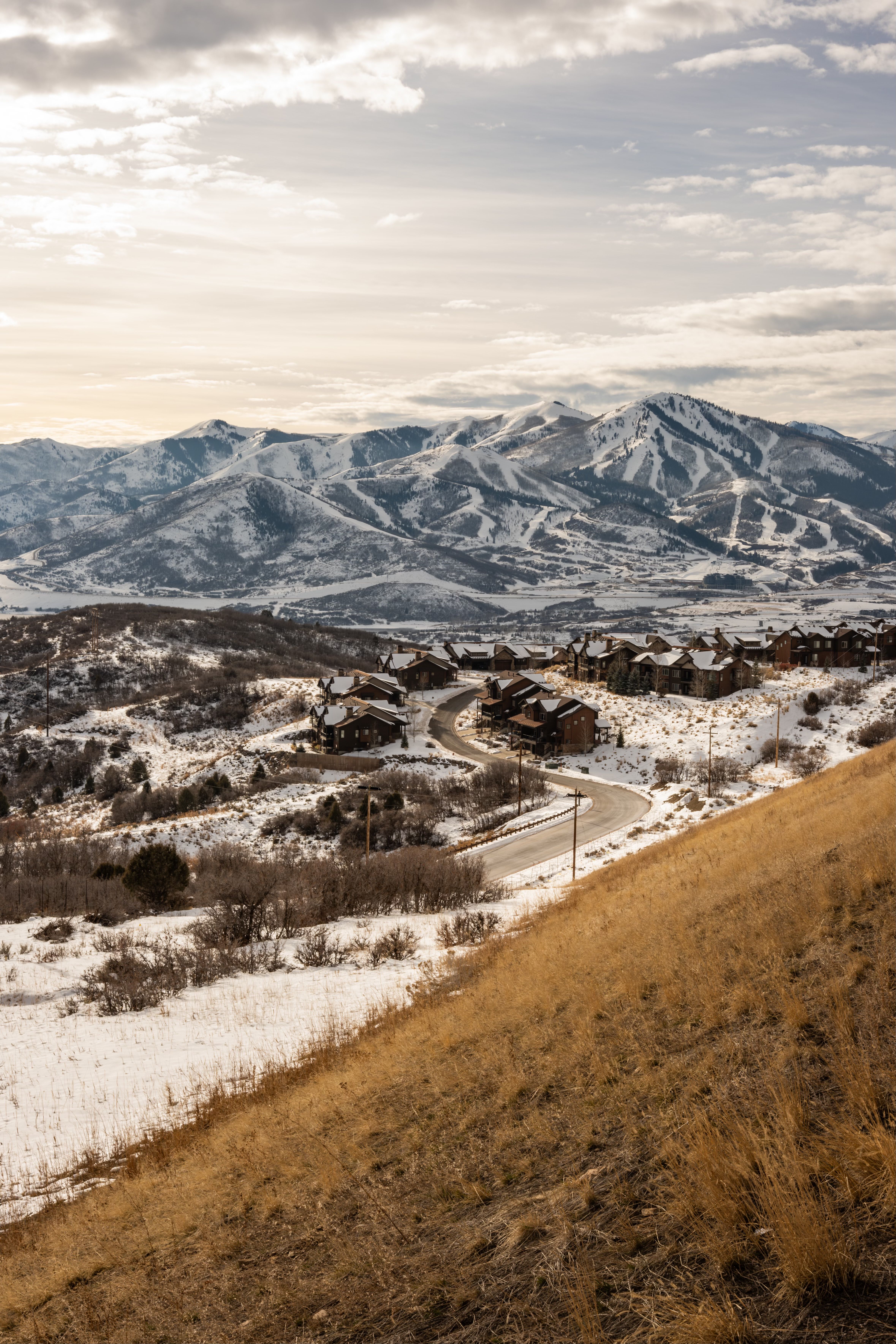
My least favorite thing about living in Utah is the air quality in January and February. On certain days in winter it becomes some of the worst air in the country, and even in the world. We live in a bowl, and in an inversion the cold air gets trapped below the warmer air above it, which traps the pollutants until the next weather pattern blows through. What works for me and my family: plan a mini vacation, whether that's a stay in Park City or a trip down to St. George, get up into the mountains if you ski or snowboard, or plan a trip somewhere warmer.
5. Is There a Job for Me or My Spouse?
Silicon Slopes gets all of the attention and pulls tech workers in, but Utah wages run a little lower relative to housing here, and the trailing spouse question kills more relocations than price does. The economy has changed a bit, but it's incredibly diverse, with a focus on five major industries, including healthcare, advanced manufacturing, finance and tech. Utah is currently ranked as the number one economy and the number one place for jobs. That doesn't mean your specific position or skill set won't be a challenge, so plan ahead and answer that question before you commit to the move.
6. What Will My Commute Be?
People pick a house off a map from 1,000 or 1,500 miles away, and they want to know what the commute will look like. I-15 at 5:00 p.m. and canyon traffic on a powder day are real, and 15 miles can mean 45 minutes at times. But the average commute time in the Salt Lake City metro area is 22 minutes, which is great compared to almost every other major city.
Right now the worst traffic in the state is in the northern end of Utah County, between Lehi and Saratoga Springs. That's the place where I purchased a home, knowing full well that construction on two major freeways was just kicking off. In my opinion that area will see an appreciation bump of about 10 to 12% above what the market does once they're complete, because that's where the high-paying jobs are going. The real question is whether you can put up with the traffic for the next few years. For me it was worth it. For many, it won't be.
7. Are the Schools Good, and How Do I Tell?
Alpine School District just split into three new school districts, and the Canyons and Park City districts get named constantly as among the best in the state. What buyers really want to know are boundaries, not rankings, because the boundary line is what the house purchase actually buys. I can't give you specific school ratings, but I can point you to resources from many different outlets so you find the right place for your situation.
The other wild card is that Utah is very friendly to alternative methods of education, whether that's charter schools, magnet schools or homeschooling. Make sure the neighborhood and home you select fit that picture too.
8. What's the Deal With the Liquor Laws?
It's minor practically and huge symbolically, because it stands in for how much the state is going to legislate your lifestyle. Our alcohol laws have been quirky for quite some time, but they've loosened dramatically in recent years, to the point where most people simply adapt and it's a non-issue. If it's a real hindrance to your lifestyle, maybe Utah isn't the perfect place. I've never seen or heard of anybody moving to Utah for the nightlife or the alcohol, and if that's your priority, Vegas is just down the street.
9. How Much Will I Really Save on Taxes?
The flat state income tax rate is around 4.55 to 4.6%, and property taxes are right around 0.5 to 0.6%. For a higher earner leaving California or New York, this is often the number that makes the whole move pencil out. Utah is 15th among all 50 states for overall tax burden, which puts us in the top third. If you're coming from a place like Texas, you'll now pay income tax but save dramatically on property tax, and when you wash it all out it's a small increase, not a big one. It really depends on where you're moving from and where you're moving to.
10. Will We Actually Use the Outdoors?
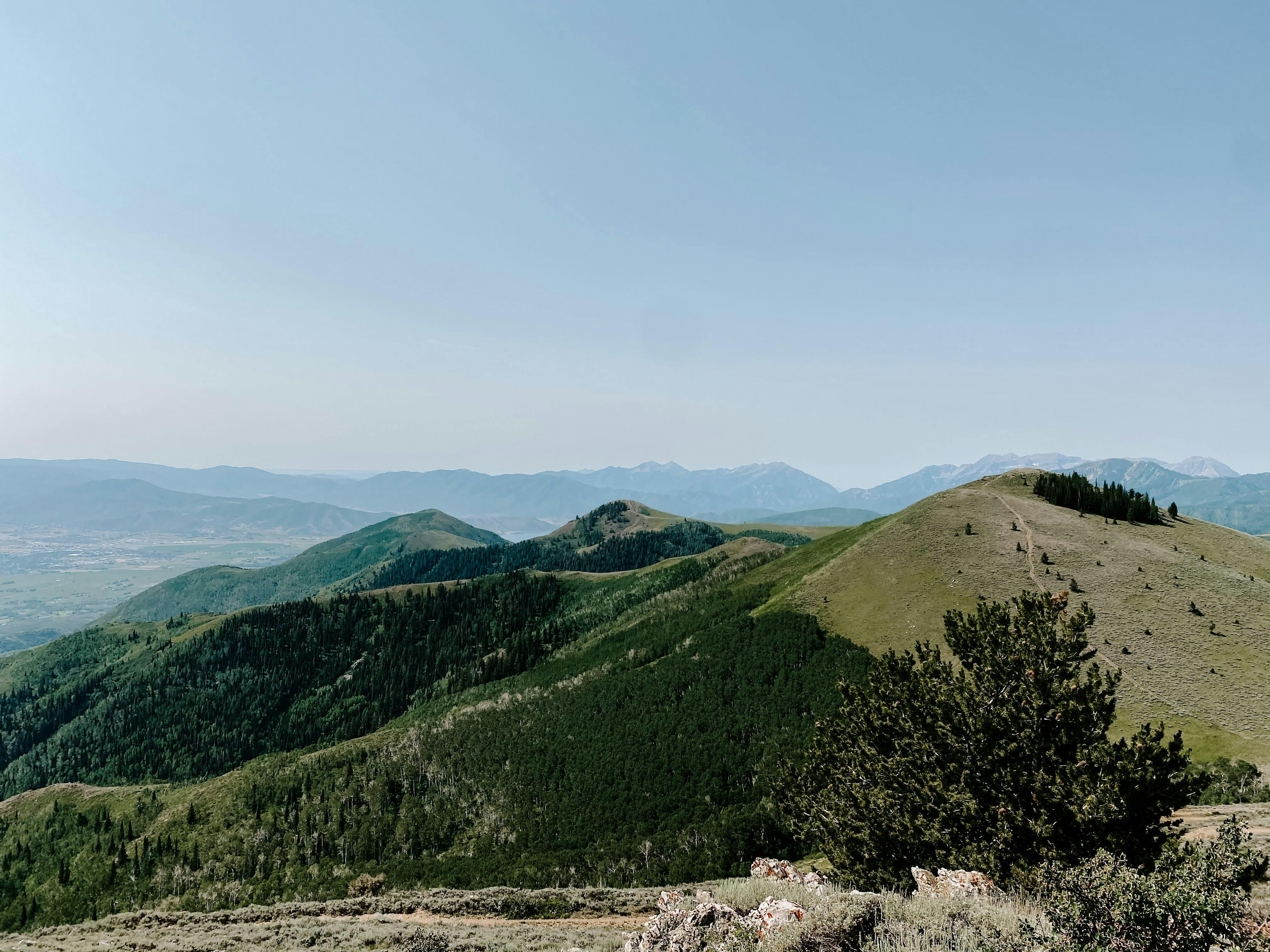
This is my favorite question. The honest version is how far the trailhead is from the driveway you buy, whether a ski pass is worth it at 20 days a year, and whether the lifestyle survives contact with a job and a couple of kids. For most people the answer is yes. I'd argue the best cities in the country for the outdoors are Salt Lake City, Denver and Seattle, and Salt Lake leads because access is everything. Think about a Thursday afternoon: you get off work at 4 or 5:00 and you can be on a trailhead in 15 or 20 minutes, enjoying an hour outside before it gets dark. That's why the outdoors actually fits into your life here.
Thinking About Moving to Utah? Let's Talk.
Utah is one of the fastest-growing states in the entire country, and navigating the cultural landscape alongside the real estate market takes genuine local expertise. Whether you're considering Salt Lake County, Utah County, Davis County, or further out — finding the right neighborhood for your lifestyle, budget, and long-term goals makes all the difference.
My team and I work exclusively with buyers and sellers navigating the Utah real estate market. We help you cut through the noise, match the right submarket to your specific lifestyle and priorities, and make sure you're buying from a position of clarity — not FOMO.
Book a call with us HERE — free 30-minute consultation
Check out our relocation guide HERE
Subscribe to our weekly newsletter HERE
Categories
Recent Posts