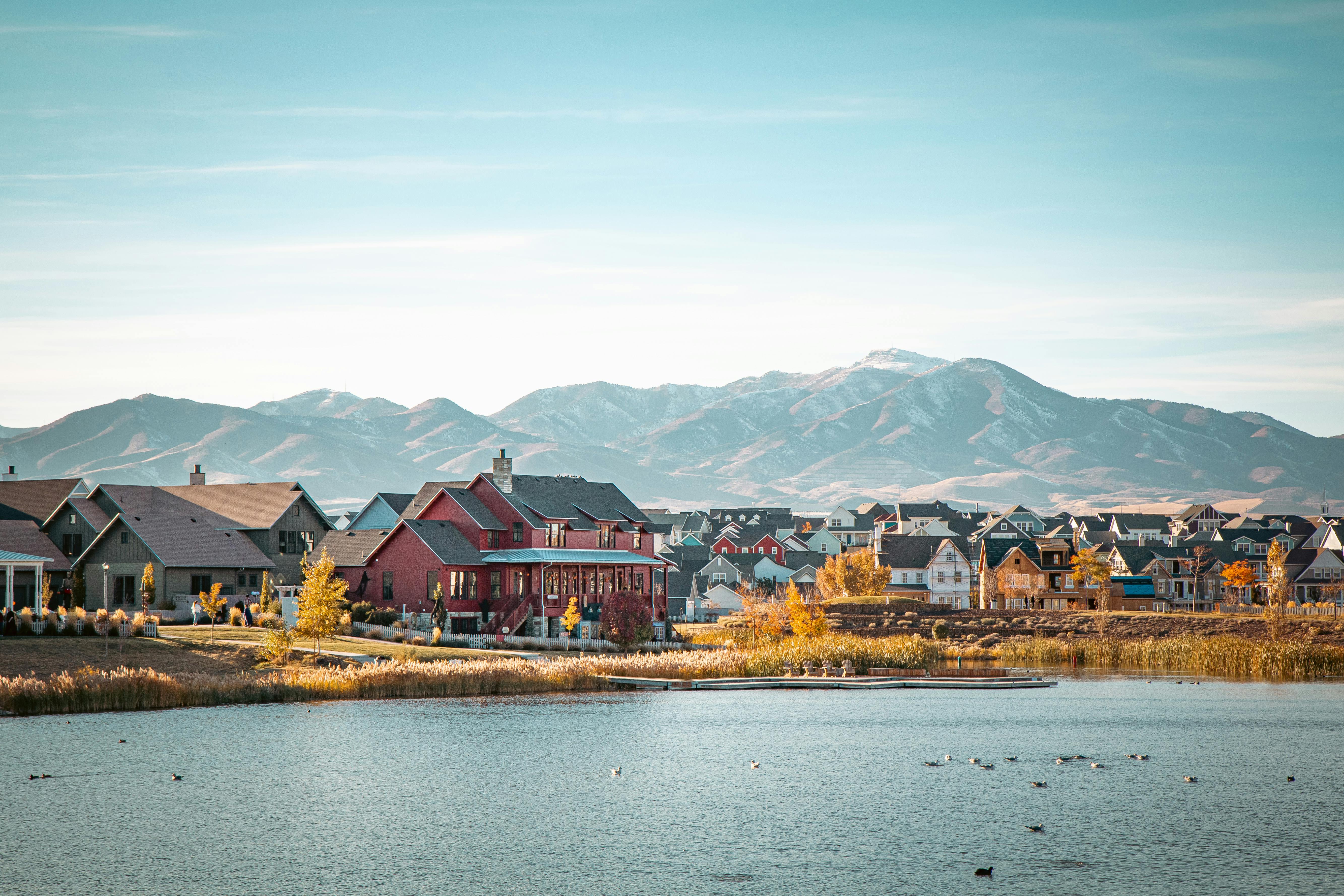
What Makes Park City Neighborhoods So Desirable (and the Honest Downside of Each)
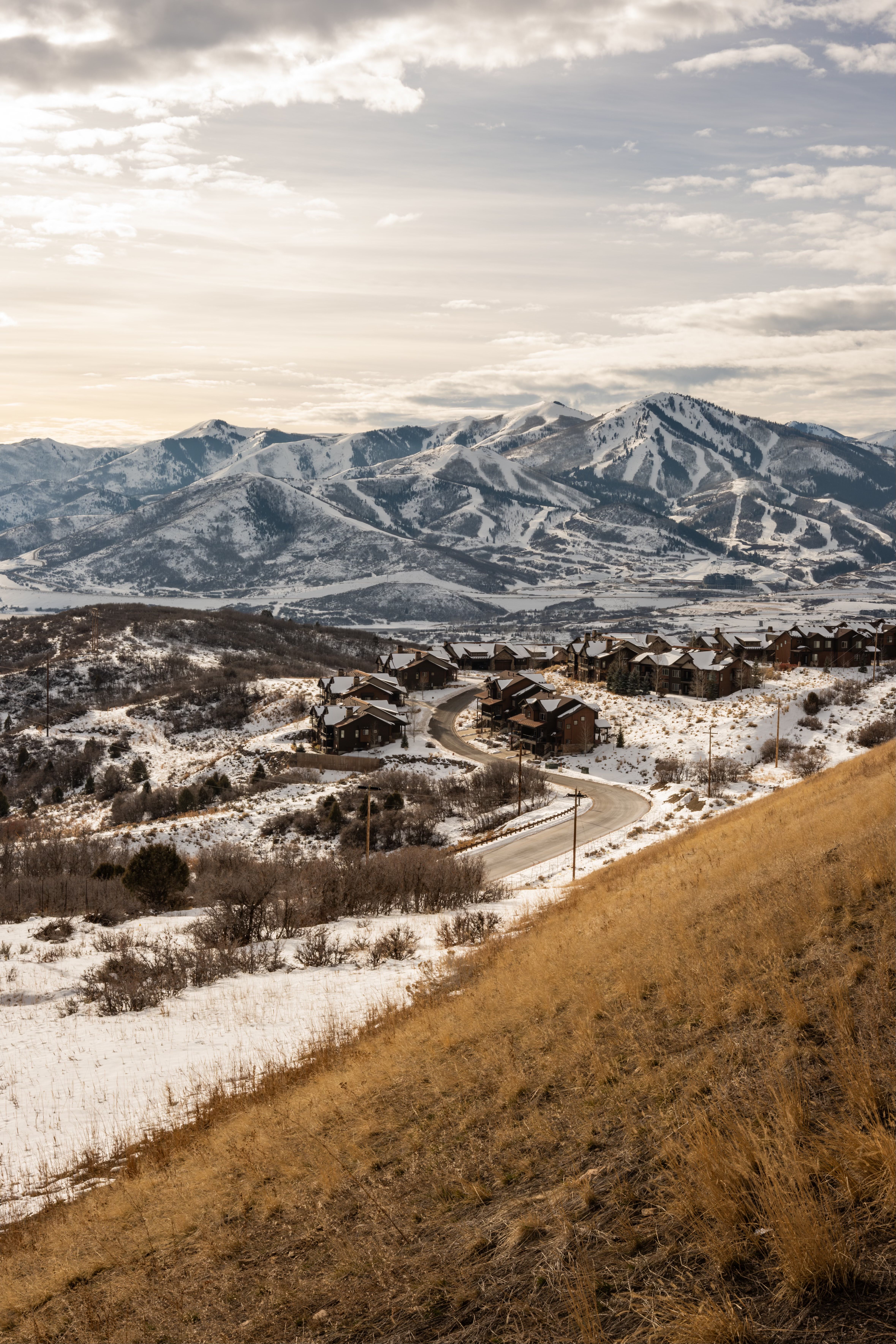
What Makes Park City Neighborhoods So Desirable (and the Honest Downside of Each)
Picture two homes in the same Park City neighborhood, the same square footage, built the same year, a few hundred feet apart. One sold in a weekend with multiple offers. The other sat for months and finally sold for a lot less money. Put the listing photos side by side and you probably couldn't tell me which one was which.
That's the problem if you're thinking about buying in Park City, whether it's a full-time move or a second home. Everybody says Park City is desirable. Very few people can tell you why one street, one neighborhood or one home holds its value while the one next to it does not. So here's a walk through the neighborhoods people really compete for, what makes each one desirable, and the honest downside of every one of them.
How I Think About Desirability in Park City
I'm Scott Steele, and I lead the Steele Group here in Utah. Before real estate, I spent years in construction with custom homes, so I tend to look at homes a little differently than most agents. Here's what I've come to believe after a lot of time on these streets: desirability in Park City isn't about prestige. It comes down to four things: access to the mountains, access to town, how a home handles a winter, and how hard that home is to replace.
When a neighborhood nails all four, prices tend to hold up even when the market cools off. When it misses one or two, you feel it the day you try to sell. Most people shop here by the view and the finishes, and I get it. But a view doesn't shovel your driveway.
Deer Valley: True Ski Access, and a Front Door That Just Moved
Deer Valley has always been the polished side of Park City. It's a ski-only mountain with famous grooming and famous service, and the neighborhoods around it (Snow Park, Silver Lake Village, Deer Crest, Bald Eagle and Empire Pass) are some of the most sought-after addresses in Summit County. True ski-in, ski-out, where you click into your skis outside the door, is the first piece of desirability. Supply is very limited, and buyers pay for it.
The bigger story is the shift east. Deer Valley East Village opened on US Highway 40 by the Jordanelle Reservoir, and last season the resort more than doubled its skiable terrain with new lifts, including a gondola that climbs from the East Village toward Park Peak. You can drive up from Salt Lake City, skip town completely and be at the Deer Valley base on the east side.
The honest part: the East Village sits in Wasatch County, not Summit County, and a lot of that area falls under a state development authority called MIDA, so taxes, fees and building rules can work differently than in Park City proper. Ask before you assume. A big part of that village is still being built, so you're buying a few years of construction along with the view.
Empire Pass sits north of 8,000 feet, where snow load is a real design question. Many homes there run heated driveways and snow-melt systems off big boilers, and I've seen January gas bills that would make you sit down. When a client looks up there, I ask the seller for 12 months of utility bills. It tells you what the house really costs to live in.
Deer Valley is for you if you want real ski access and a quieter, more refined mountain. It's not for you if anyone in your group snowboards, since it's still skiers only. Walking to dinner from the upper neighborhoods isn't really a thing, and HOA dues in the ski-in, ski-out communities are not small. Budget for them up front.
Old Town: Walkable, Scarce, and Historic
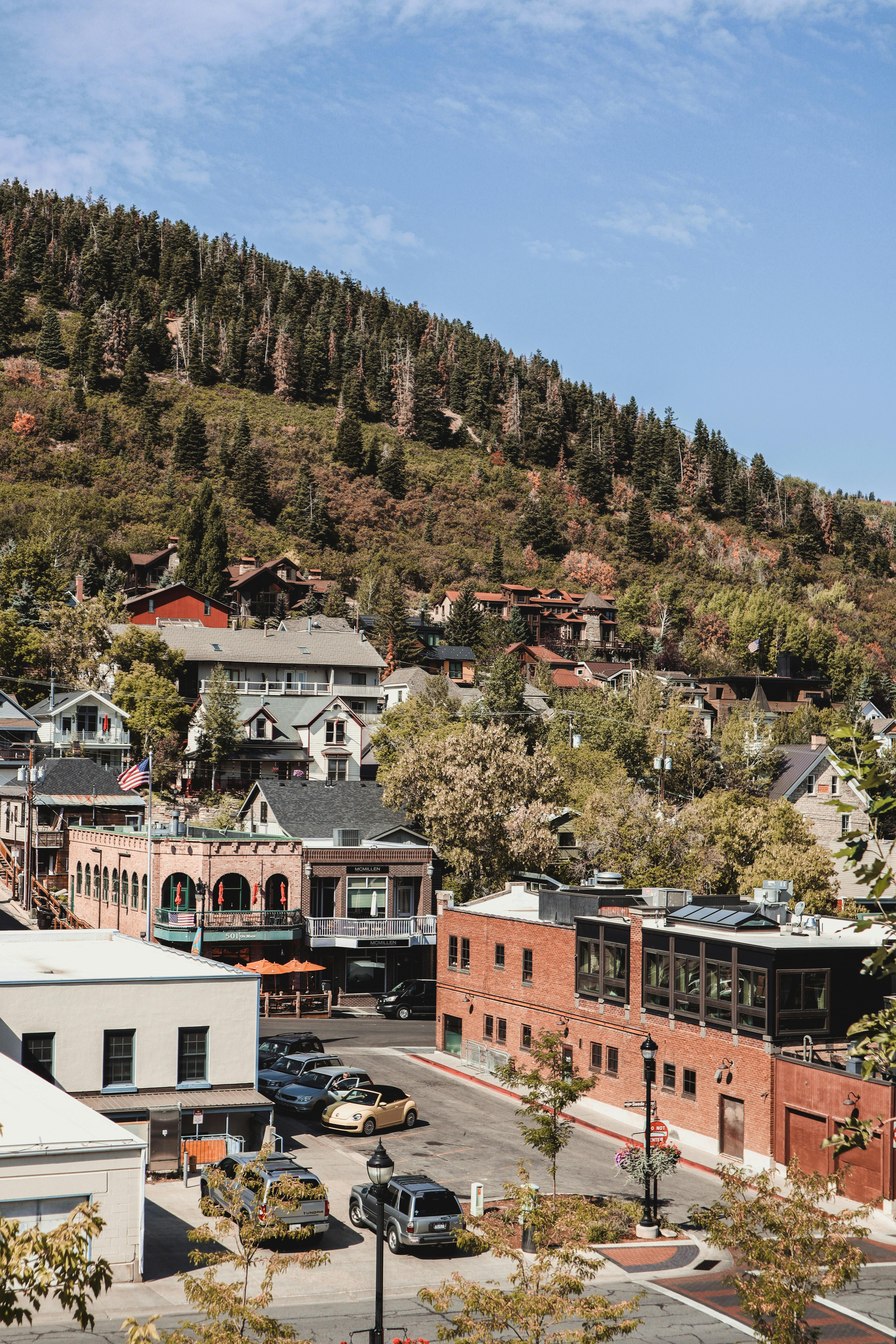
Old Town is the original Park City: the silver mining town, Main Street, and the streets that climb the hillside above it, like Park Avenue, Woodside, Norfolk and Daly. The desirability comes down to one word, walkable. You can walk to dinner on Main Street, walk to the town lift and ride it right up onto Park City Mountain, and hop on the free city bus. It's also about scarcity: you can't make more Old Town. In the second quarter, the single-family median in Old Town came in around $3.65 million, basically flat from the prior quarter with only a handful of sales.
The trade-offs are real. A lot of the original lots are only 25 feet wide, the streets are steep, parking is a constant puzzle, and the whole area sits inside a historic district with design guidelines that shape what you can build, add or change on the outside of a home. Your remodel may need a longer runway than you think.
When I walk an Old Town home, I don't start with the kitchen. I start with the retaining walls, because on these hillsides they're doing a lot of the work. Then I look at where the roof sheds snow on a narrow lot, and then the foundation, since many of these homes have been lifted, moved, added on to and rebuilt in stages over more than a century.
One more change: the Sundance Film Festival moves to Boulder, Colorado in 2027. If anyone's Old Town rental numbers lean on festival week, run them again without it. Old Town is for you if you'll trade square footage for location. It's probably not for you if stairs wear you out, you need a big garage, or you want quiet nights in peak season.
Park Meadows, Thaynes Canyon and Prospector: Where Full-Time Residents Land
Park Meadows sits on flatter ground just north of Old Town, still inside Park City limits. Nearby are Thaynes Canyon by the golf course and Prospector along the rail trail. When people picture Park City they picture slopeside condos, but when people move here full-time, a lot of them end up somewhere like Park Meadows. It's relatively flat, which matters more than you'd think in winter, the lots are bigger than Old Town, and you're minutes from both resorts and Main Street. In the second quarter, Park Meadows single-family homes posted a median sales price around $3.95 million, with sales volume up more than 60% from a year earlier.
The tension is age. A lot of the original homes went up in the 1970s and 80s, so they're 40 or 50 years old, and the price reflects the land underneath more than the house. That's not bad, just know it going in. You may be looking at windows, a roof, an aging boiler or HVAC, original radiant heat, or a deck built before anyone thought hard about snow load.
One insider note: because of Park City's mining history, the city has a soils ordinance covering parts of the in-town areas. If you plan to dig, landscape or add on inside that boundary, there are rules about how soil gets tested and handled. It's not a reason to run, just a reason to ask early and budget for it.
Canyons Village and The Colony: A Resort Village Still Being Finished
Canyons Village is the west base of Park City Mountain, just off State Route 224. For a long time it felt unfinished, and that's changing fast. The new Sunrise gondola runs from the upper village by the Pendry up toward Red Pine, on an alignment sheltered from the north wind. For the 2026-27 season, the old Cabriolet is being replaced with a fully enclosed gondola, and a big new parking structure is supposed to wrap up around the same time next year. Canyons Village is going from a promise to a place.
The trade-off is what I call the fee stack: your own HOA dues, plus village association assessments, and sometimes rental program fees on top. None of that shows up in the list price, so ask for the whole picture before you fall in love with the view.
Next door, The Colony is gated, with big acreage and ski-in, ski-out estates on the canyon side of the mountain. Privacy plus ski access is rare. The downside is everything that comes with building on a mountain: long private roads, steep driveways, serious snow removal, and construction costs on those lots that are a different world.
The Snyderville Basin: Park City With Salt Lake City Within Reach
Head west from Kimball Junction along I-80 and you're in the Snyderville Basin: Jeremy Ranch with its golf course, Pine Brook climbing into the trees, and Summit Park, the highest of the three, near the top of Parleys Canyon. It's the Park City address that still works for your job, your flights or the people you care about in Salt Lake City. On a clear day you're roughly half an hour from downtown Salt Lake City, give or take. In the second quarter, the single-family median across the Snyderville Basin was around $2.5 million, compared with about $3.8 million inside Park City limits. That's a real gap.
The cost is the canyon. Parleys Canyon in a storm is no joke: chain-law days, slide-offs, the occasional closure, and mornings where the drive takes twice as long. Summit Park also has its own questions. Steep roads and dense trees put it in the wildland-urban interface, which affects wildfire risk and insurance. Coming from construction, I look at the roof rating, the vents, the decks and how much defensible space surrounds the house. My advice is simple: get an insurance quote before you go under contract, not after.
Here's how I frame it: look at which way your life points. If it points down the canyon, the Basin probably makes sense. If it points toward the resorts and town, you'll likely be happier in Park City proper.
Glenwild and Promontory: Space, Privacy and a Specific Way of Living
Glenwild sits just north of Kimball Junction, and Promontory is a little further east off the I-80 and US-40 corridor. Both are gated private golf communities, and both show up on a lot of wish lists. The appeal is big lots, privacy, controlled architecture so your neighbor isn't building something wild next door, clubhouses, golf, fitness, trails, a lot of newer construction, and long views across the basin from the higher lots.
The trade-offs: most of these lots sit on open, sage-covered hillsides, which is why the views and sun are so good, and also why the wind is real. Snow drifts across driveways, and a patio that looks perfect in July can be unusable on a winter afternoon. I look at how the house is sited against the wind, how decks and patios are protected, and how much glass is on the exposed side. Then there's cost: the club side is usually separate from the HOA, and membership, initiation and annual dues can be very significant and can change over time. Resale depends on the health of the club and a narrower pool of buyers, and you're driving to ski, not walking. These are for you if you want privacy and room to breathe, not if you want to walk anywhere or would be paying for a club you won't use.
The Micro-Location Test: What Separated Those Two Homes
Back to the two homes. The one that sat had a steep, north-facing driveway that was basically a sheet of ice from about November to April. The front door sat under a roof valley that dumped snow onto the steps every time it warmed up, and the garage was too shallow for a car and everybody's ski gear at once. The one that sold in a weekend faced south, with a gentle driveway, afternoon sun on the front entry, and room for a full-size SUV plus skis and boots. None of that shows up in July, but the buyer you sell to someday might see it in January.
This is my micro-location test, and I run it on every Park City-area home before a client writes an offer:
1. Sun and slope. Which way does the driveway face and how steep is it? South-facing melts, north-facing can stay icy for months. A heated driveway solves it, but it costs real money to install and to run.
2. Where the roof drops the snow. Over the front door, onto the deck, onto the neighbor? Staining on the soffits or heat cables on the eaves usually means an ice dam history.
3. Wind and drifting, especially on open hillsides. Ask the seller where the snow piles up. They know.
4. The winter commute from that exact address. Who plows the street: the city, the county or the HOA? First on the list or last? How far is the bus stop?
5. The mudroom and the garage. In Park City, life happens in the garage and mudroom: skis, boots, bikes, two vehicles. If the garage doesn't work, the house doesn't work, no matter how good the kitchen looks.
One bonus, because I'm a construction guy and can't help myself: test for radon. It shows up in a lot of Utah homes, and it's a cheap test with a known fix.
Putting It All Together
Deer Valley is about true ski access, and its front door just moved east. Old Town is about walkability and scarcity, with steep lots and old foundations to respect. In town, you're buying the land and inheriting the house. Canyons Village is turning from a promise into a place. The Basin keeps Salt Lake City within reach. Promontory and Glenwild trade walkability for privacy and space. And no matter which you choose, micro-location decides how that home lives and how it resells.
Before you write an offer on any Park City-area home, ask for two things: the January utility bills and the snow removal contract. Those two pieces of paper will tell you more about how that house lives in winter than anything in the listing.
Thinking About Moving to Utah? Let's Talk.
Utah is one of the fastest-growing states in the entire country, and navigating the cultural landscape alongside the real estate market takes genuine local expertise. Whether you're considering Salt Lake County, Utah County, Davis County, or further out — finding the right neighborhood for your lifestyle, budget, and long-term goals makes all the difference.
My team and I work exclusively with buyers and sellers navigating the Utah real estate market. We help you cut through the noise, match the right submarket to your specific lifestyle and priorities, and make sure you're buying from a position of clarity — not FOMO.
Book a call with us HERE — free 30-minute consultation
Check out our relocation guide HERE
Subscribe to our weekly newsletter HERE
Categories
Recent Posts