How to Find and Hire the Best Realtor in Utah (Without Getting Burned)
How to Find and Hire the Best Realtor in Utah (Without Getting Burned)
Type "best realtor in Utah" into Google and you get a wall of names. Ads at the top, review sites, big smiling headshots, and every one of them says they're number one. They can't all be. There are more than 20,000 licensed real estate agents in Utah, and if you're moving here from somewhere else, you can't meet them all.
So how do you pick the one person you're about to trust with probably the biggest check you'll ever write? Yes, I see the problem. I'm a realtor telling you how to hire a realtor. So here's what I'll do: I'll give you the exact standards I'd use if I were hiring someone myself, and you can hold me to every one of them.
Why the Search Bar Gets It Backwards
Most people pick an agent one of three ways. They call the first name that shows up online, they go with a friend of a friend, or they wander into a model home, fall in love with the kitchen, and end up working with whoever was standing behind the counter. Sometimes that works out fine. A lot of the time it doesn't, and you don't find out until you're three weeks into a contract and something goes sideways.
Here's what's often happening when you hit "contact agent" on a big real estate website and your phone rings within about four minutes. The agent who calls you isn't necessarily the listing agent, and isn't necessarily the best agent in that area. It's the agent who paid for that zip code. To be fair, some of those agents are excellent, and paying for leads doesn't mean someone is bad at the job. But the thing that put them in front of you was a budget, not a track record. A fast callback tells you they have a good system for answering leads. It doesn't tell you how they negotiate, how they read a market, or what they'll catch on a walkthrough.
The same goes for top-agent badges and glossy awards in the mailbox. Some are earned. Some are based on a whole team's volume and printed with one person's face. So where should you look instead?
First, referrals, with a follow-up question. Don't just ask a friend who they'd use. Ask what that agent did that surprised them. "They were really nice" is a pleasant person. "They told us to walk away from the first house because of the roof, and they were right" is something. Second, watch how agents explain things. Read what they write and watch their videos. An agent who can explain absorption rate, days on market, and why recycled inventory matters in plain English understands the market. Third, look at who is actually closing deals in the area you want to live in.
"Local" Means Something Much Smaller Than You Think
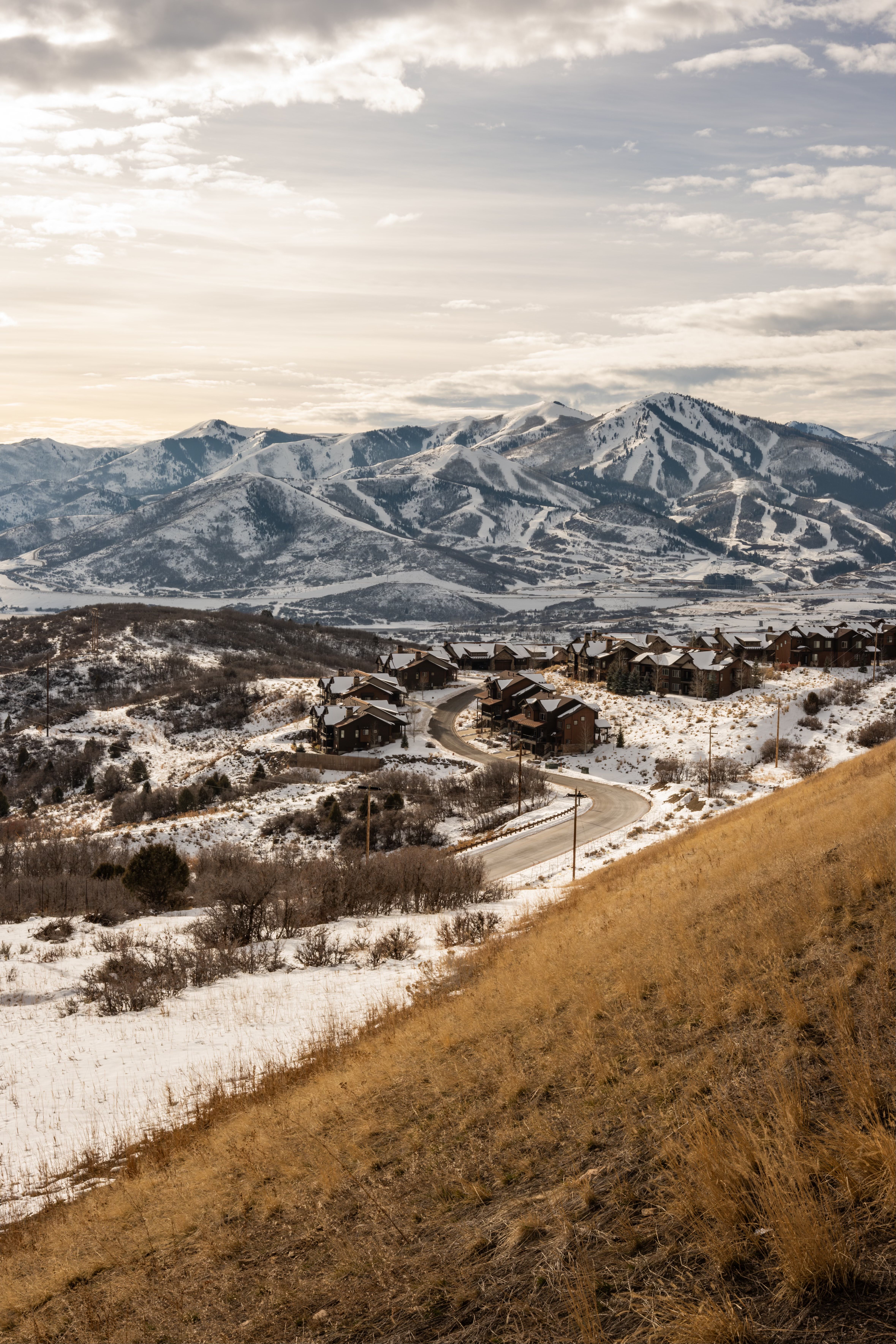
Every agent says they're local. The Wasatch Front alone is a string of very different markets, and Park City is basically its own planet. An agent can be fantastic in one area and out of their depth 20 minutes away.
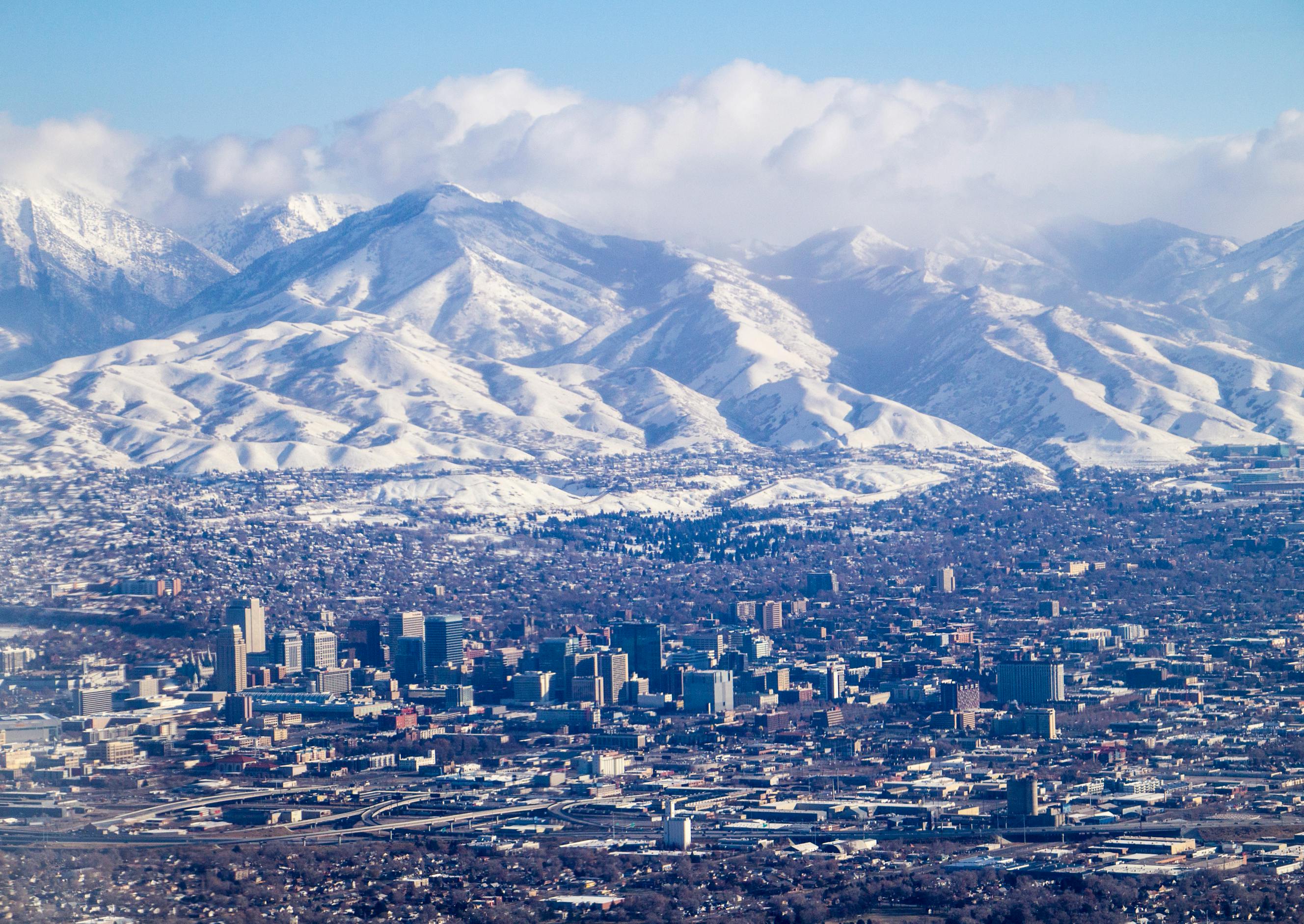
If you're buying an older home on the East Bench in Salt Lake City, you want someone who knows what to look for in homes built 50, 60, or 100 years ago: old sewer laterals, galvanized plumbing, electrical panels that should have been replaced long ago. This is where my construction background kicks in. I'm the guy telling you to scope the sewer line before the due diligence deadline, because I've seen what a collapsed line costs to dig up and replace.
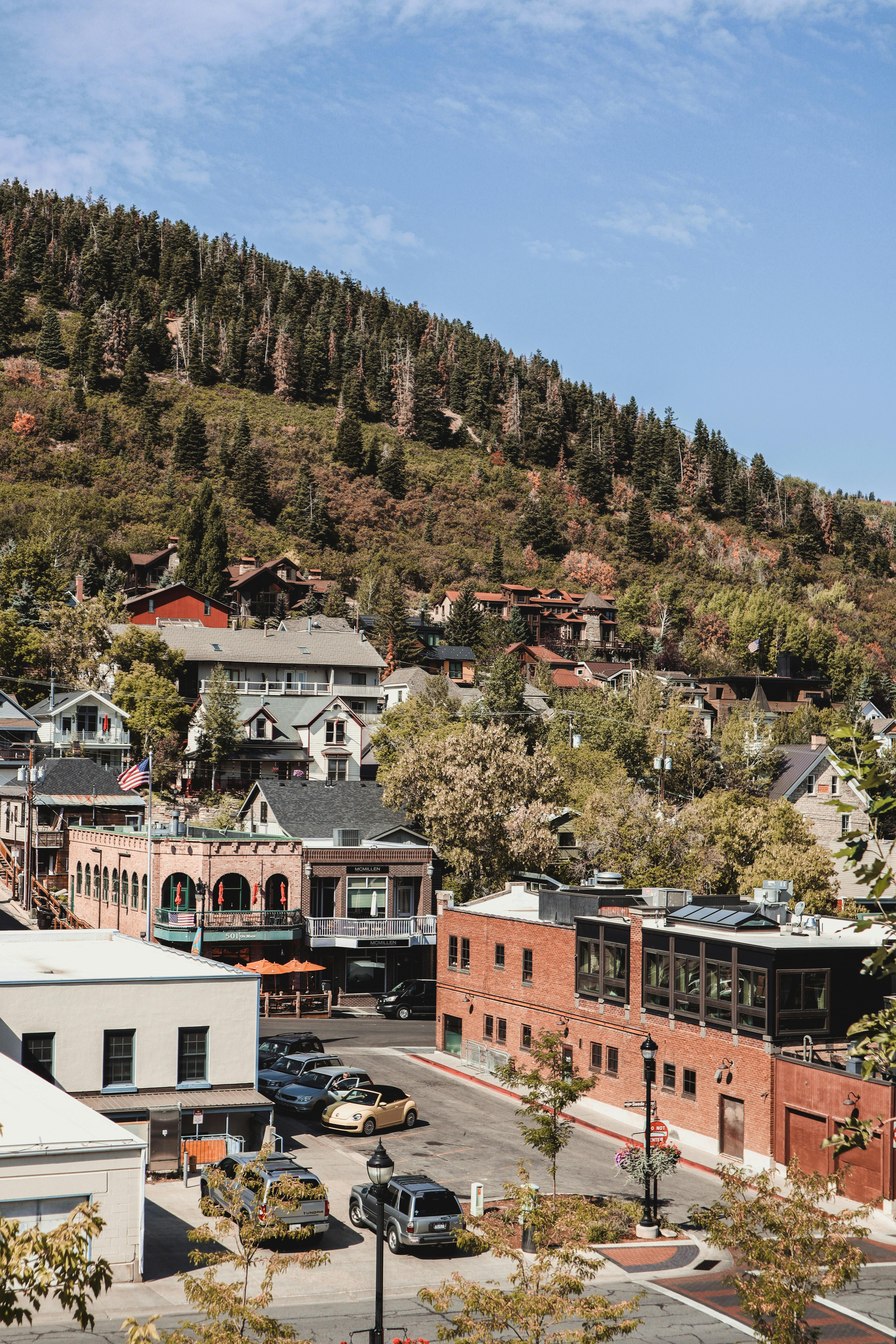
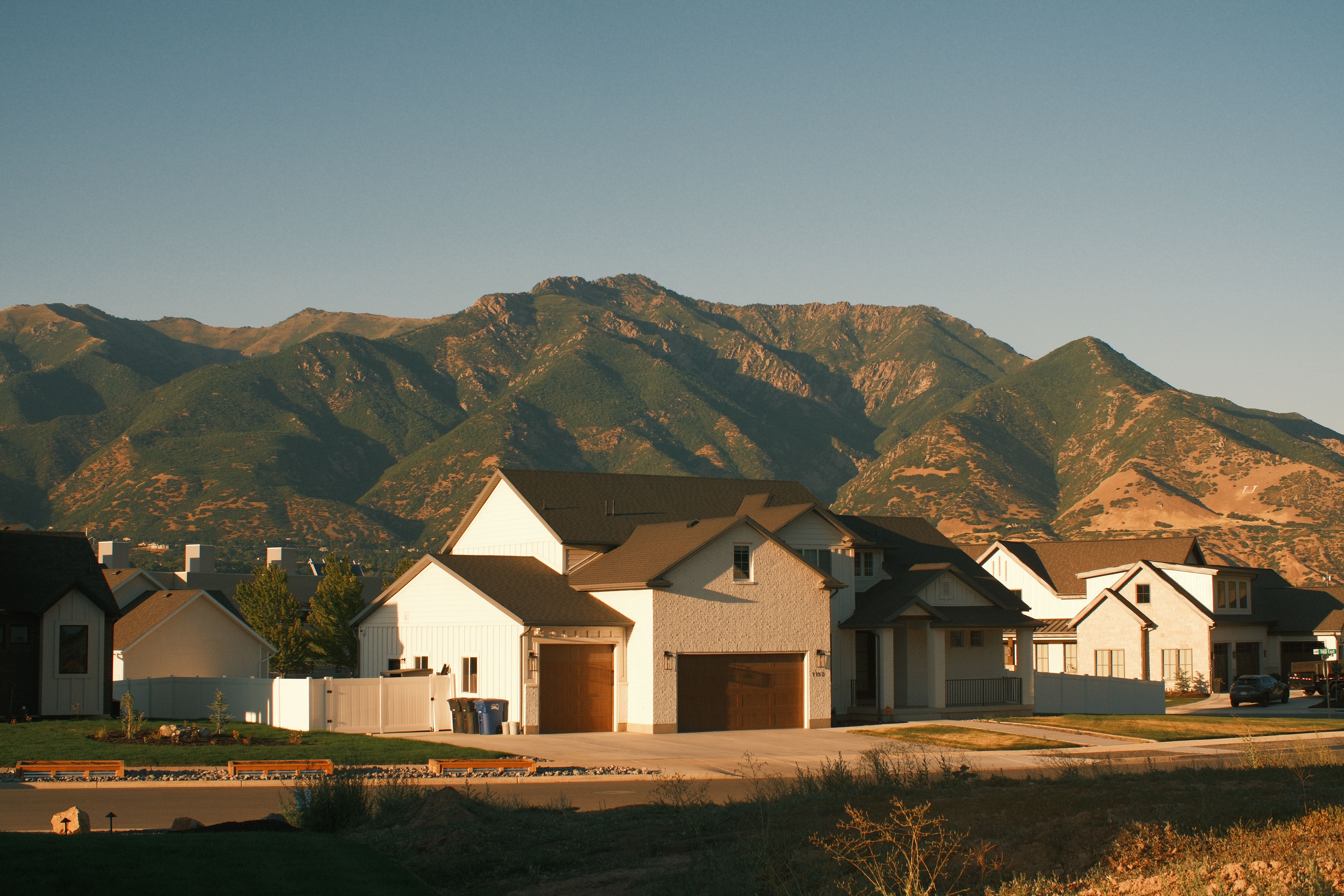
If you're looking in Lehi, Saratoga Springs, or Eagle Mountain, you're mostly looking at newer construction, which means different questions: secondary water versus culinary water, HOA rules, which builders stand behind their warranty work, and what the commute through the Point of the Mountain looks like at 7:40 on a Tuesday morning. Park City, Summit County, and Wasatch County are another skill set again, with nightly rental restrictions that vary by area, snow load, steep driveways in January, and water and sewer questions in places like Kamas and Oakley.
So test it. Skip "do you know Draper?" because everybody says yes. Ask what the absorption rate is in a specific zip code right now, which parts of the city have secondary water, and what the average days on market has been for homes like yours over the last 90 days. A great local agent answers without stalling. They may not know the exact number, but they'll know roughly where it sits and, more importantly, why.
I'll hold myself to this too. My team works Salt Lake County, Utah County, Davis and Weber counties, plus Summit County and Wasatch County in the Park City area. If you call me about a house in St. George, Logan, or Price, I'm going to tell you honestly I'm not your person there, and I'll get you to somebody who is. An agent who claims to cover the whole state equally well is either spread very thin or not being straight with you.
The 10-Minute Check on an Agent's Real Numbers
Reviews are useful, but they mostly measure how someone made you feel. Someone can have 50 glowing reviews and very few recent closings. Here's a simple check you can do yourself.
Step one, look up their license. The Utah Division of Real Estate has a public license lookup online where you can confirm the license is active and see whether there have been disciplinary actions. Step two, ask for their recent transactions: what they've closed in the last 12 months, in your area and price range. Utah's MLS tracks all of this, so a good agent can pull it up in minutes. Twenty closings in Herriman doesn't tell you much about a condo in downtown Salt Lake City or Park City.
Step three, if you're selling, look at how their listings performed: days on market compared to the area average, and sales price compared to list price. If their listings consistently sit longer than everyone else's or keep taking price cuts, ask why. Overpricing is one of the most expensive mistakes a seller can make in a shifting market. Step four, ask about the deals that didn't close. Every active agent has had escrow fall out. An agent who says they've never had a deal fall through either hasn't done many or isn't being honest with you.
Who Is Actually Going to Do the Work?
A lot of top agents in Utah run teams, and I run one myself. That isn't a bad thing. A good team means somebody is always available, the paperwork doesn't slip, and there's more than one set of eyes on your deal. The risk is meeting the name on the billboard, signing, and never seeing that person again.
So ask before you sign: Who will I be working with day to day? Who shows me homes? Who writes and negotiates my offer? If I call at 7 on a Saturday night because a house just hit the market, who picks up? How many clients is that person working with right now? If you're interviewing a solo agent, flip it and ask what happens if they're sick or on vacation. Neither setup is better by default. What you're checking is whether the person you're hiring is the person doing the work. For my part, I work every deal alongside my agent partners.
Read the Buyer Agreement Before You Sign It
Since August of 2024, after the big national commission settlement, buyers are generally asked to sign a written agreement with their agent before touring homes. A lot of people sign it the way they accept the terms on a phone app. Here's what to look for. How long does it last? Some run 30 days, some six months, some a year, and if you're just getting started it's reasonable to ask for a shorter term. How is the agent getting paid, and by whom? Compensation is negotiable and always has been; now it's written down up front. And how would you end the agreement if the fit isn't right? You want an agent confident enough to make that easy.
If you're selling, the same idea applies to the listing agreement. Ask what the fee actually covers: photography, video, pricing strategy built on real data, prep advice, staging. Too many sellers spend money fixing things buyers don't care about and skip the things that show up on every inspection report.
Where the Right Agent Earns Every Dollar
Most Utah residential deals use the standard real estate purchase contract, and it runs on deadlines: seller disclosure, due diligence, financing, appraisal, and settlement. Miss one or misunderstand what it means, and you can lose negotiating leverage or, in some cases, your earnest money. Due diligence goes fast. It's when you inspect, research, review HOA documents, check the water situation, and decide whether you still want the house.
A great agent does three things in that stretch. They help you get the right inspections, not just the basic one: an older home may need a sewer scope, a mountain home may need a closer look at the roof and drainage, and some properties call for a radon test. They help you figure out what actually matters in a 40-page report, because buyers can panic over a long list of tiny things and miss the one line about moisture in the crawl space. And they negotiate repairs or credits like someone who knows what things cost.
One more Utah trap: new construction. The friendly person in a builder's sales office works for the builder, not for you, and many builders require your agent to be present or registered on your very first visit. If you wander in alone and sign the guest book, you may lose the ability to have your own representation on that home. Bring your agent the first time, no matter who you hire.
The One Question to Ask Every Agent
Everybody is polished in an interview and everybody has an answer for "why should I hire you?" So don't ask that. Ask this instead: "Tell me about a time you talked a client out of buying a specific home."
Think about what that question asks. An agent gets paid when a deal closes, so you're asking them to describe choosing to make nothing because it was the right call for the client. If they can't come up with an example, or have to think hard, that's a real problem. A great agent has a story ready, usually more than one, and tells it with specifics.
Here's one of mine. We had a buyer in love with a specific home: great street, great layout, priced right. During the walkthrough I noticed some cracking in the foundation and a couple of doors that weren't closing right. To most people that's not a big deal, but after years in construction, it's a reason to slow down. We brought in a structural engineer, and it turned out to be a very expensive repair involving helical piers. They walked away. Six weeks later they found a much better home for their family, and they still send me messages about how happy they are. That's the job. Sometimes the best thing your agent can do is tell you not to buy the house.
The Short Version
Don't assume the first name you see is the best one. Make sure "local" means your specific part of Utah. Check their license and recent numbers yourself. Find out who is actually doing the work. Read what you sign and remember it's negotiable. Make sure they know how to get a Utah deal across the finish line. And ask the one question. It's worth an extra week or so to get this right.
Thinking About Moving to Utah? Let's Talk.
Utah is one of the fastest-growing states in the entire country, and navigating the cultural landscape alongside the real estate market takes genuine local expertise. Whether you're considering Salt Lake County, Utah County, Davis County, or further out — finding the right neighborhood for your lifestyle, budget, and long-term goals makes all the difference.
My team and I work exclusively with buyers and sellers navigating the Utah real estate market. We help you cut through the noise, match the right submarket to your specific lifestyle and priorities, and make sure you're buying from a position of clarity — not FOMO.
Book a call with us HERE — free 30-minute consultation
Check out our relocation guide HERE
Subscribe to our weekly newsletter HERE
Categories
Recent Posts