Salt Lake City's New Airbnb Rules: What Short-Term Rental Owners in Utah Need to Know

Salt Lake City's New Airbnb Rules: What Short-Term Rental Owners in Utah Need to Know
If you own a short-term rental in Salt Lake City, or you are shopping for one right now, this is the story you need to be paying attention to. Salt Lake City's new short-term rental ordinance took effect on July 1, and it has already turned into a public fight between the city and Airbnb. I get calls about this every week from buyers moving to Utah who assumed they could buy a house here and put it on Airbnb. In a lot of Salt Lake City neighborhoods, you simply cannot. Here is what is actually happening and what it means for your numbers.
Airbnb Sent Salt Lake City a Cease and Desist
On August 6, Airbnb sent Salt Lake City a cease and desist letter. In it, Airbnb alleges that city enforcement staff created fraudulent guest accounts to bait hosts into confirming bookings, and then used those responses as evidence in citations. Airbnb says that practice violates its terms of service and raises questions under Utah's HB256.
To be clear, that is an allegation from Airbnb, not a finding of fact. But it tells you how aggressively this ordinance is being enforced, and it is worth knowing if you are an owner who has been contacted by the city.
What Is Actually in the New Ordinance
The rules themselves are more restrictive than most owners expect. There are three that matter most:
A 200-day annual cap. A short-term rental can only be booked as one for 200 days a year. That is the rule that changes the math more than any other.
A two-night minimum stay. One-night turnovers are out, which takes a real bite out of weekend and event-driven bookings.
A 10% building cap. No more than 10% of the units in a building can operate as short-term rentals. If you are buying a condo specifically to run it as a rental, you need to know where that building already sits against the cap before you write an offer.
Where Short-Term Rentals Are Still Legal in Salt Lake City
This is the part that catches people. Short-term rentals are only legal in Salt Lake City's mixed-use and business districts. In residential zones, they have always been banned. That is not a new rule, and it is not something the new ordinance created.
Airbnb has roughly 1,800 listings in Salt Lake City, and the city says about 400 properties are operating illegally in residential zones. Meanwhile, the city has received just 26 applications and issued 7 licenses. That gap between 1,800 listings and 7 licenses is the whole story in one number.
If you take one thing from this post: check the zoning before you buy. Not after. I have watched deals fall apart over exactly this.
What the 200-Day Cap Does to Your Returns
One local property manager put it bluntly, saying the 200-day cap cuts investor earning potential by roughly 45%, and that he already knows owners weighing whether to sell. That is a big enough hit to change whether a property pencils at all.
If you underwrote a purchase assuming year-round nightly rates, you need to rerun those numbers against a 200-day ceiling and a two-night minimum. In a lot of cases the answer is that the property still works, just as a long-term or mid-term rental instead. That is not a bad outcome. It is just a different one than the one you were sold.
For now, the ordinance is staying put. The City Council straw-polled to leave it as-is.
Where Utah Investors Are Moving Money Instead
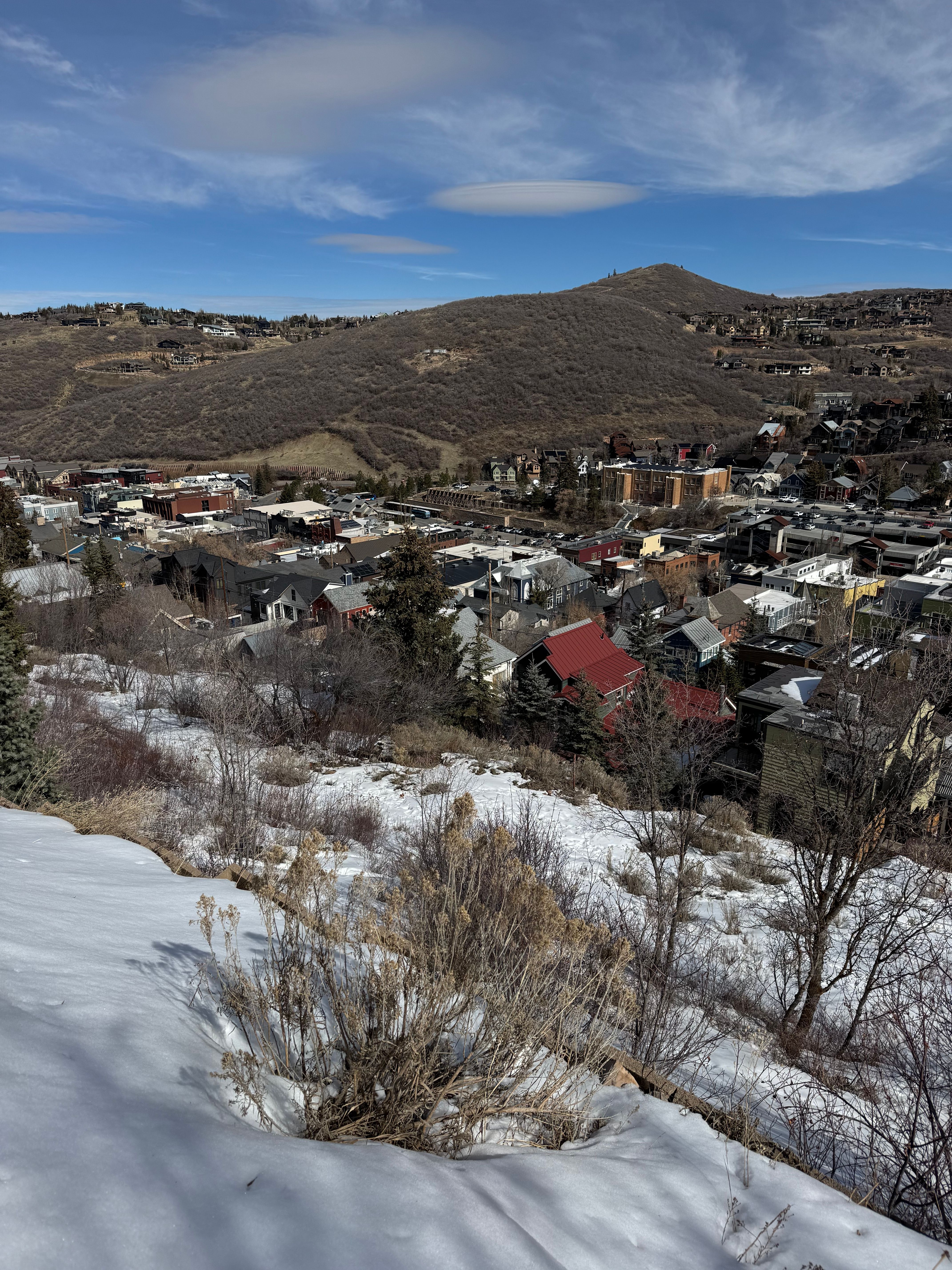
The practical response I am seeing is that investors are not giving up on short-term rentals in Utah. They are moving to markets where the rules are friendlier to them: Park City, Heber, St. George, and Moab.
Every one of those markets has its own rules, its own HOA restrictions, and its own seasonality, so none of this is a copy-and-paste strategy. But if nightly rental income is genuinely central to your plan, Salt Lake City proper is a harder place to make that work today than it was a year ago.
What I Would Tell You Before You Buy
Do not buy a short-term rental in this market without checking the zoning and the cap first. Confirm the property sits in a mixed-use or business district, confirm where the building stands against the 10% cap, and build your model around 200 days rather than 365. If the deal only works at 365 days, it is not a deal.
And if you are moving to Utah and thinking about house hacking or renting out a basement unit nightly, have that conversation before you pick a neighborhood, not after you close.
Thinking About Moving to Utah? Let's Talk.
Utah is one of the fastest-growing states in the entire country, and navigating the cultural landscape alongside the real estate market takes genuine local expertise. Whether you're considering Salt Lake County, Utah County, Davis County, or further out — finding the right neighborhood for your lifestyle, budget, and long-term goals makes all the difference.
My team and I work exclusively with buyers and sellers navigating the Utah real estate market. We help you cut through the noise, match the right submarket to your specific lifestyle and priorities, and make sure you're buying from a position of clarity — not FOMO.
Book a call with us HERE — free 30-minute consultation
Check out our relocation guide HERE
Subscribe to our weekly newsletter HERE
Categories
Recent Posts