Utah's Nuclear Hub Bid and the Great Salt Lake Ask
Utah's Nuclear Hub Bid and the Great Salt Lake Ask
Utah is one of five finalists to host a federal nuclear campus, and the state is asking Washington for help rescuing the Great Salt Lake as part of the price. That is a genuinely interesting trade, and it is worth understanding before you form an opinion on it.
Here it is in one line: Utah is negotiating to host a federal nuclear life cycle innovation campus in Tooele County's West Desert, and wants federal help on the Great Salt Lake written into the agreement.
What a Nuclear Life Cycle Innovation Campus Actually Is
The term is a mouthful, and the word innovation does a lot of work in it, so let's be specific.
It is a Department of Energy program launched via a request for information on January 28, 2026, rooted in four executive orders signed May 23, 2025. The DOE's own definition is short: an effort to modernize the nation's full nuclear fuel cycle by co-locating functions such as fuel fabrication, enrichment, reprocessing used nuclear fuel, and disposition of waste.
That last part is what people push back on hardest. Disposition of waste.
The idea is geographic consolidation. Today these steps are scattered across different states, companies and regulatory bodies. Uranium gets milled in one place, enriched in another, fabricated into fuel somewhere else, and then spent fuel mostly just sits in dry casks at the reactor site where it was burned, because the country has no permanent repository. A campus puts that whole chain in one place, in a state that volunteered to host it.
On the front end that means uranium mining, milling, conversion, enrichment and fabrication. On the back end it means reprocessing or recycling spent fuel, interim storage, and some path to permanent disposal.
The back end is the hinge of the whole program, and it is what makes Utah's Great Salt Lake ask make sense. The DOE's Mara Morales put it plainly: if you want the front of the fuel cycle, you have to have an answer on the back end. States had to show they had studied their own geology and could offer something, whether a deep geologic repository, interim storage, or recycling.
In other words, the DOE is dangling the jobs and investment of the front end to get states to volunteer for the part nobody wants.
Where Utah Stands Right Now
Twenty-eight applications came in from 26 states. On July 28 the Department of Energy named Utah one of five finalists, alongside Idaho, Louisiana, Oklahoma and Tennessee. On August 2, Governor Spencer Cox and Energy Secretary Chris Wright signed a memorandum of understanding to explore the campus.
September 30 is the deadline to finalize a host agreement. Either side can walk away at that point, and the DOE may ultimately pick two or three states rather than one. Even then, NRC licensing, environmental review and a state request for information for private partners all come later.
Nothing here is guaranteed. Everything right now is exploratory.
Why the West Desert
Utah looks large on a map, but the western 20 to 25% of the state is close to uninhabitable. Salt flats, barren ground, no infrastructure. That is part of why land here is so expensive elsewhere: Utah is the sixth most expensive state in the country for an undeveloped acre, north of $200,000, more than every western state except Hawaii. Geography and topography do most of that work.
The proposed site is BLM land in the West Desert beyond Tooele, near I-80, roughly 10 miles from the Great Salt Lake. It sits inside a wider ecosystem the state calls Operation Gigawatt, which also includes a training center in Box Elder County, an experimental micro reactor in central Utah, and the White Mesa uranium mill in San Juan County.
Utah also brings something most finalists do not: the infrastructure of a major metropolitan area close by.
The Economic Case
The DOE projects each campus could draw up to $50 billion in capital investment, $10 billion in state and local tax revenue, and 25,000 jobs. I would temper that. My read is Utah is more realistically in the 10,000 job range, not 25,000. That is still a meaningful number.
Utah's state energy adviser, Emy Lesofski, has called the benefits generational, saying we will not see another project like this for decades.
I will say this plainly: if we are serious about energy abundance in this country, we have to be serious about nuclear energy, particularly with the electricity demand that data centers are adding. And in my opinion this is a better deal for Utah than a data center is. Nuclear power production has improved substantially on safety, and this is an area where the country has lagged since the late 1970s.
The Great Salt Lake Ask
Here is the part that makes this a Utah story rather than a national one.
The state wants federal help on the Great Salt Lake written into the host agreement. This builds on a February 2026 pledge from President Trump to help save the lake, and sets up state and federal cost sharing. Some federal money is already flowing, including about $60 million toward wetland settlement and a $50 million federal grant in 2024.
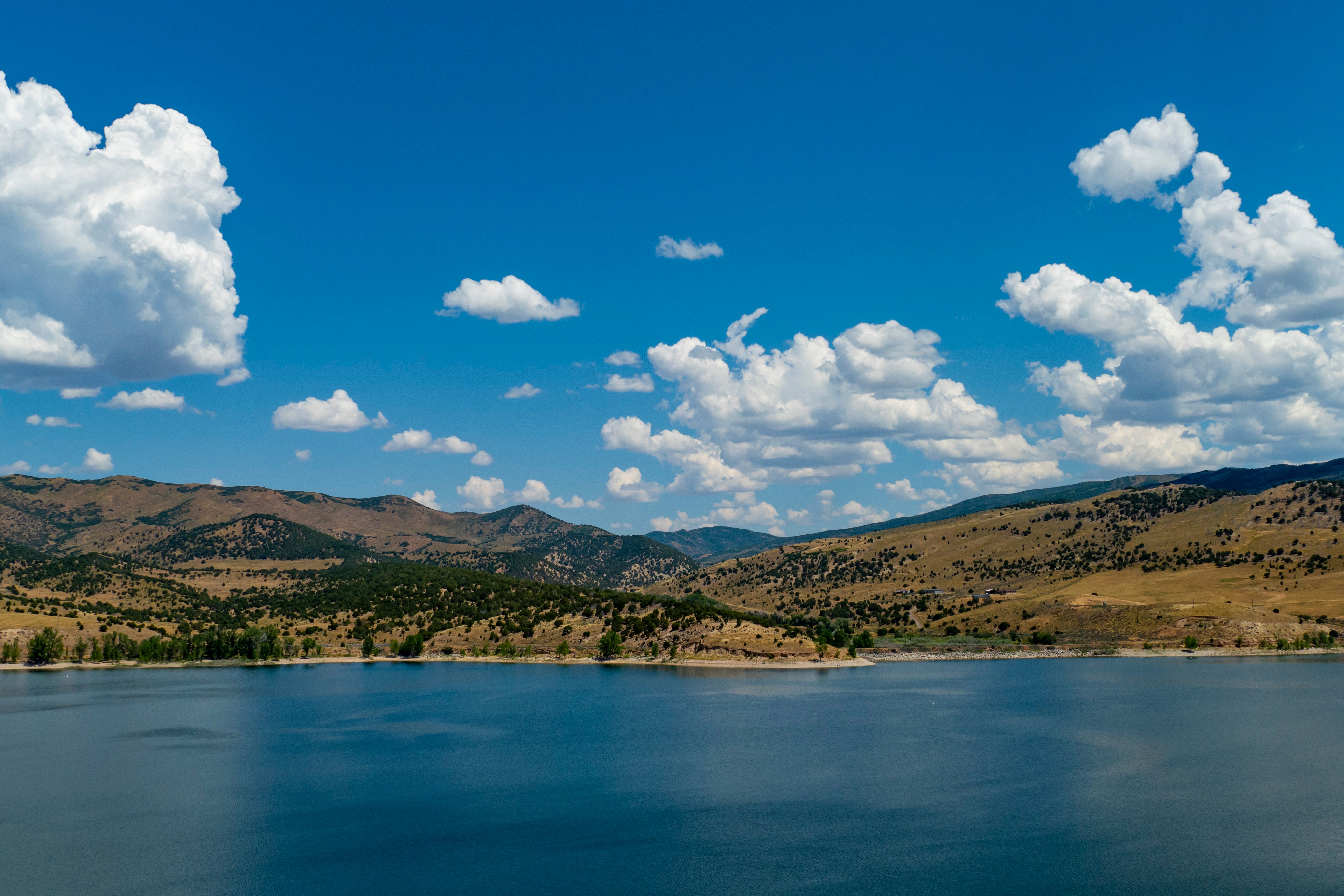
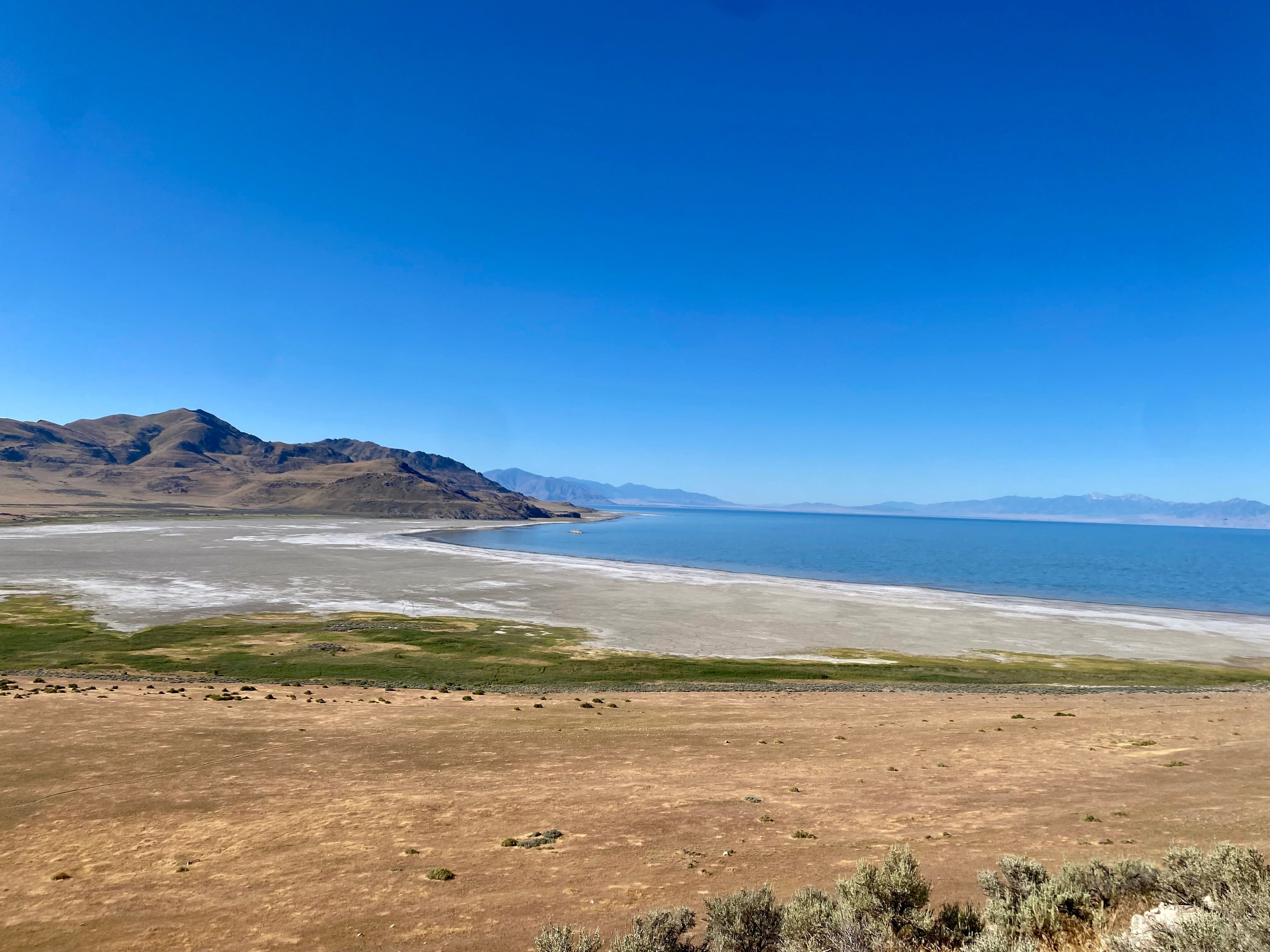
The lake needs it. Current elevation is around 4,190 feet, just inches above the 2021 low. A healthy range is roughly 4,198 feet, which we have not seen since 2012. That is 14 years ago, and we are almost 8 feet below it.
Governor Cox argues that low water intensity generation directly supports the long-term health of the lake compared to thirstier alternatives. I understand the argument. The fair question is whether the help is large enough and binding enough to actually move the lake.
The Objections Worth Taking Seriously
The biggest one is waste transport and storage. Hosting this means moving high level radioactive waste by rail and road through Utah communities and storing it near the lake's watershed. That is a real concern and it deserves a real answer, not a press release.
The second is co-located data centers. A campus like this could attract them, which raises the water question all over again.
And there is precedent for public pressure mattering here. The proposed O'Leary Digital data center in Box Elder County drew a significant public response, and the project scale was ultimately cut by 75%. As a local, I think that is a win, and it shows that when Utahns speak up it shows up in outcomes and in who holds office.
What This Means for Utah Real Estate
Let me bring this back to property, because that is the lens I work in every day.
Does the campus itself affect your home value? I think the answer is essentially no. This would be built far west of where almost anyone lives, and I do not believe it meaningfully affects values in Tooele, Erda, Stansbury Park or Lake Point, let alone along the Wasatch Front.
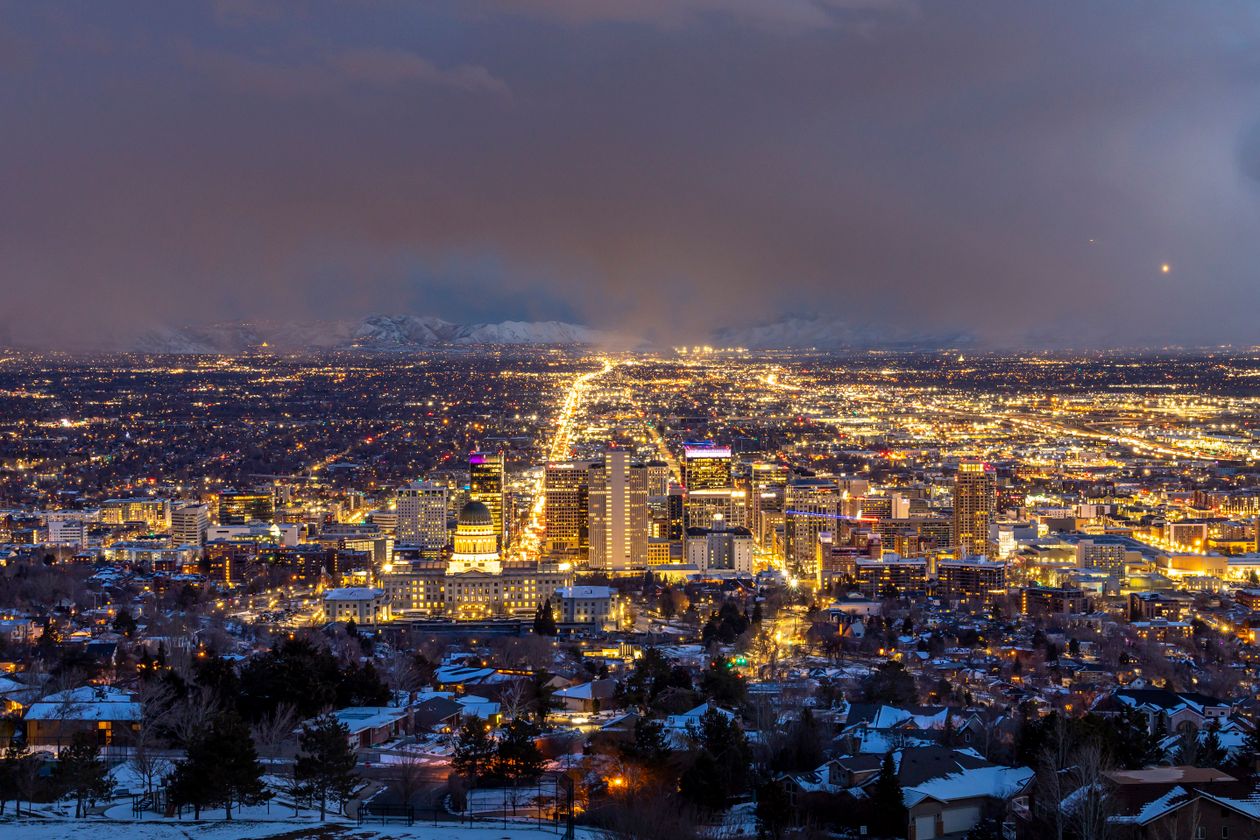
What does affect values is the health of the Great Salt Lake itself. If that lake does not start making meaningful improvement over the next several years, we get into more drastic territory. Exposed lakebed, blowing dust, air quality and inversions come up in almost every relocation conversation I have, and where people choose to live is the driving force behind values in an area.
That is part of why so much of the state's growth is concentrated in the north end of Utah County between Lehi, Saratoga Springs and Eagle Mountain. Being further south of the Great Salt Lake is viewed by many buyers as a plus. In reality dust affects the whole valley depending on which way the wind blows, though it is more concentrated up north, especially around Farmington Bay.
So on balance I do not think this federal plan hurts Utah real estate. I think it is a relevant conversation for anyone who lives here, and worth giving feedback on through the proper channels, because that feedback demonstrably influences outcomes in this state.
The Thing I Actually Worry About
If you ask me what the biggest threat to Utah's future is, it is not this campus. It is housing affordability.
I want this to stay a place people can afford to stay in. If prices keep climbing faster than incomes, the people who grew up here cannot afford to buy here, and that is a harder problem to solve than any single project.
Thinking About Moving to Utah? Let's Talk.
Utah is one of the fastest-growing states in the entire country, and navigating the cultural landscape alongside the real estate market takes genuine local expertise. Whether you're considering Salt Lake County, Utah County, Davis County, or further out — finding the right neighborhood for your lifestyle, budget, and long-term goals makes all the difference.
My team and I work exclusively with buyers and sellers navigating the Utah real estate market. We help you cut through the noise, match the right submarket to your specific lifestyle and priorities, and make sure you're buying from a position of clarity — not FOMO.
Book a call with us HERE — free 30-minute consultation
Check out our relocation guide HERE
Subscribe to our weekly newsletter HERE
The Steele Group is committed to the letter and spirit of the Fair Housing Act. We do not steer buyers toward or away from any area on the basis of race, color, religion, sex, disability, familial status, national origin, source of income, sexual orientation, or gender identity. Equal Housing Opportunity.
Categories
Recent Posts