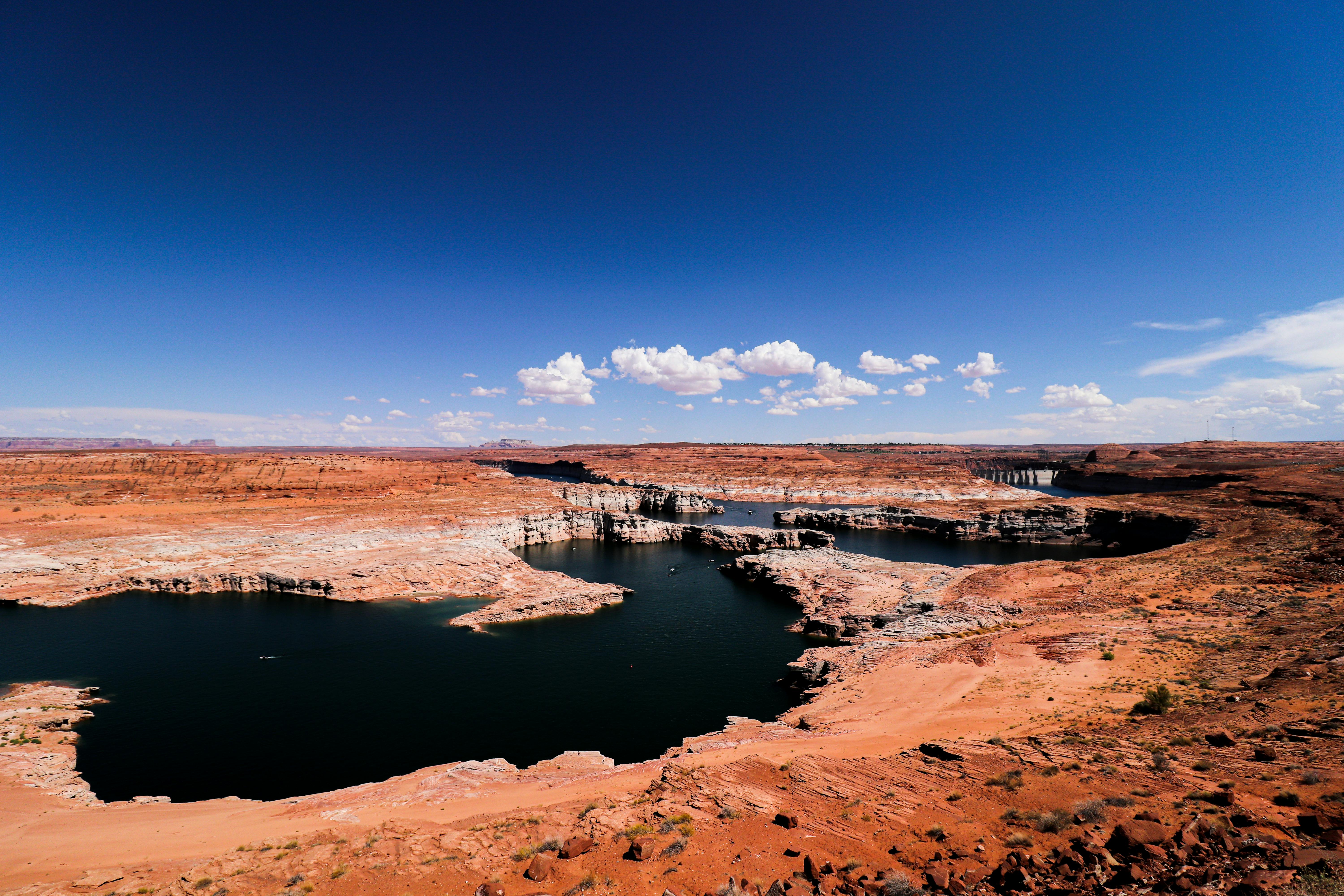
Utah Data Centers: Who Actually Benefits From Our Power and Water?
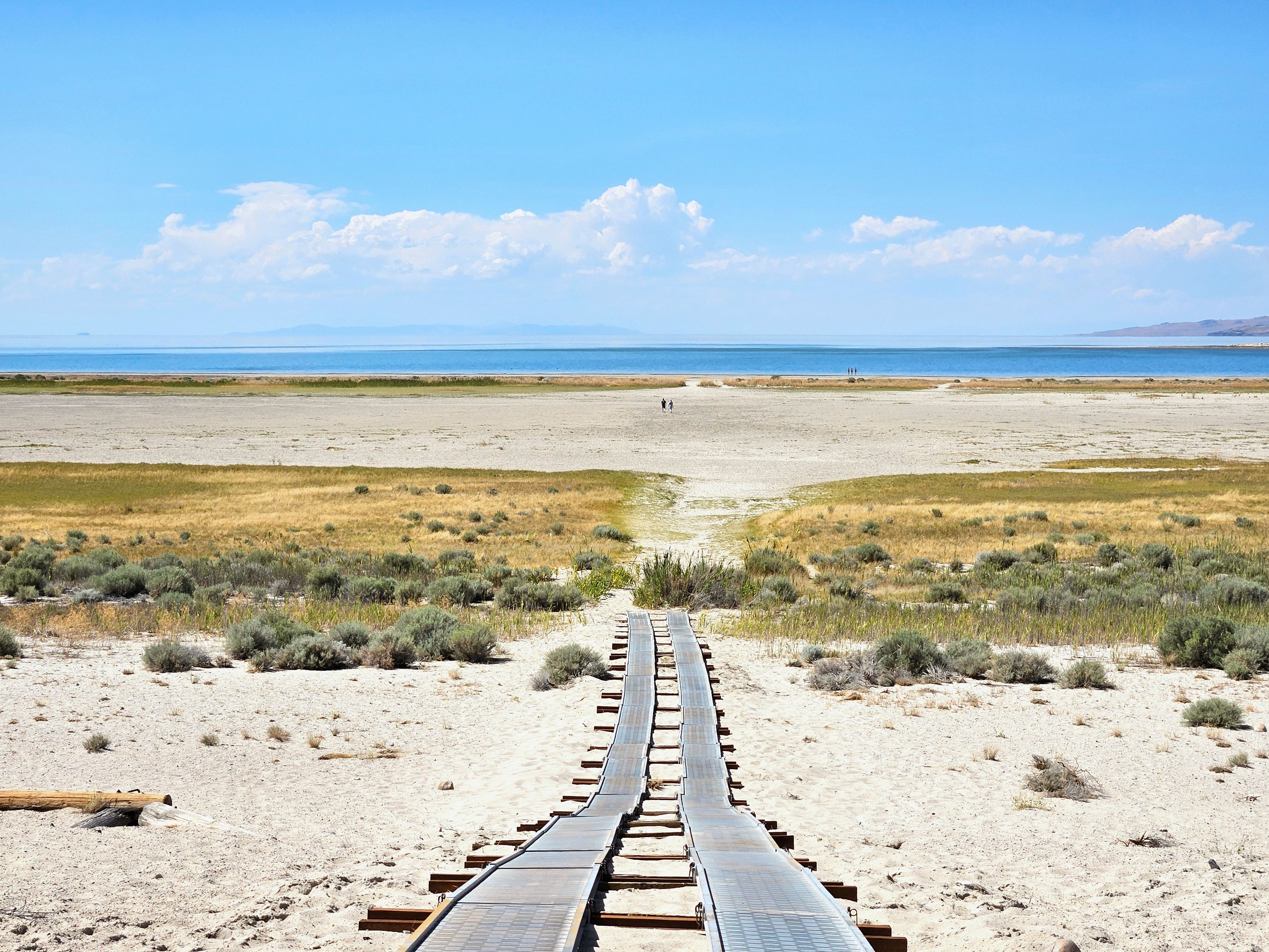
Utah Data Centers: Who Actually Benefits From Our Power and Water?
If you've seen the headlines about a massive data center project here in Utah, the ones citing 9 gigawatts of power and billions of gallons of water, this is the honest breakdown. Not the vibes, the actual numbers.
The common assumption goes like this: huge company comes in, builds a giant facility, brings jobs and tax revenue, the state gets richer. Growth is good, tech is the future, Utah is business friendly, so of course we said yes. Everybody wins.
But when you actually read the approvals, the tax structure, the water analysis and the governor's own executive order, a different picture shows up. The benefits and the costs don't land on the same people. The profit is concentrated and private. A big chunk of the cost, the power strain, the water risk, the air quality, the infrastructure, is spread out and public. That's the whole ball game, and almost nobody is saying it plainly.
I'm a real estate agent, not an environmental activist, and I'm not on anyone's payroll. But I help people relocate to Utah for a living, which means I have to understand what's happening to the land, the water, the air, the power grid, and the long-term value of where my clients are putting their money. The figures below come from the Utah Clean Energy analysis, the Salt Lake Tribune, the Deseret News, the Governor's Office, and the project's own filings. Where the experts disagree, I'll say so.
The Water: The Math People Are Afraid to Say Out Loud
An independent analysis from Utah Clean Energy looked at the original proposal and concluded it could use somewhere between 2 billion and 16.6 billion gallons of water per year, depending entirely on how it generates its power. That's not a typo.
Most people don't realize data centers drink water two separate ways, and the headlines blend them together.
The first is cooling. Tens of thousands of chips running full blast throw off enormous heat. If you don't cool them, they fry. For comparison, the NSA data center down in Bluffdale, which most Utahns have seen, uses over half a million gallons a day just for cooling, and that facility is small compared to what was proposed here, even though it's the sixth largest data center in the country.
The second is the power generation itself. The project was proposed to generate all its own electricity on site, originally from natural gas, and generating power with gas turbines also uses water. Two faucets, not one.
The developers have pushed back on the scary number. They say they'll use closed loop cooling, which recirculates water instead of evaporating it, and that newer technology drastically cuts consumption. To be fair to them, that's a real technology and closed loop genuinely uses far less water than the old evaporative kind.
But here's where I have to be honest. The experts who reviewed this are skeptical the technology is ready at this scale, and there's no detailed public water plan to check the claim against. You can't verify a promise you can't read. Governor Cox himself required the developer to publish a public water plan and demanded that in no event would the project reduce water flowing to the Great Salt Lake. That's a Republican governor in a very business friendly state putting that in writing. Governors don't do that when everything is fine.
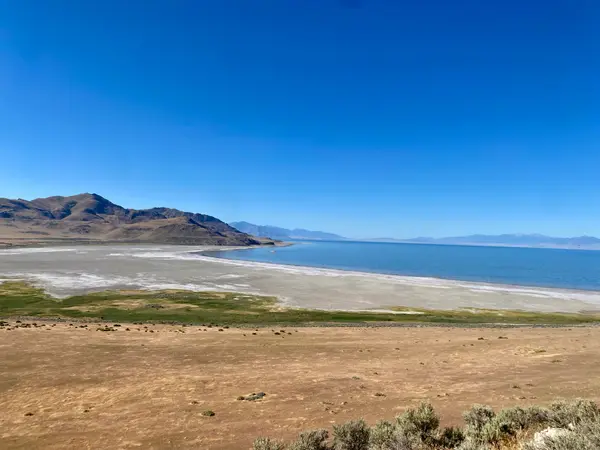
And the lake is the context that makes this matter. The Great Salt Lake has been hitting record lows. When it dries, it exposes a lakebed full of dust, including arsenic, that blows into the valley where millions of people live. So the question isn't just whether there's enough water. It's what happens to the thing that's already fragile.
The Tax Deal: Where You See Who Keeps the Money
If the water is the part people are afraid to say, the tax deal is the part people don't know how to ask about.
This project isn't going through a normal city or county process. It's going through MIDA, the Military Installation Development Authority. The name sounds military, and there's a thread of truth there because MIDA project areas have to include some military land. But functionally MIDA is a quasi-governmental body that acts like its own local government. In their own words, they can do anything a city can do. It controls land use and planning inside its project areas, not the county, not the city. And critically, it can levy its own taxes and hand out its own tax incentives.
If you've never heard of MIDA but you've been to Utah, you've seen its work. The new inn at Sundance and the East Village expansion at Deer Valley are MIDA project areas. So this is a real mechanism with real projects behind it. This is just by far the biggest and most resource hungry thing it has taken on.
Here's the deal that was reported. To attract the project, MIDA offered to cut the energy use tax from the standard 6% down to half a percent, and to rebate 80% of the property tax revenue generated by the development back to the developer.
In plain English: the property taxes a project this enormous would generate, the kind of money that normally funds schools, roads and emergency services, up to 80% of it flows back to the developer rather than into the general public pot, for years and potentially decades.
Now, defenders of this have a fair point and you deserve to hear it. A lot of this is tax on value that wouldn't exist at all without the project. It's empty ranch land right now. No data center, no tax revenue, period. So rebating most of the new tax isn't taking money the state already had, it's sharing the upside of money that only shows up because somebody built something. That's a legitimate argument and I agree with it as far as it goes.
Here's the counter. That same logic is used in basically every state, and we now have data on how it plays out. In Oregon, data centers ended up receiving two thirds of all the money handed out under one of the state's main tax break programs while making up less than 10% of the companies in it. In Indiana, one Amazon data center deal was tied to an estimated $8.2 billion in incentives. National accountability researchers who track this describe these as enormous giveaways to some of the largest, most profitable companies on Earth, the ones least in need of help paying their bills.
Notice this isn't somebody breaking the rules. This is the system working exactly as designed. That's what makes it hard. You can't point at a villain, you have to point at a structure.
The Power and Your Bill
This one reaches into your house even if you live in St. George or Logan, because power isn't local the way water is.
The original proposal called for 9 gigawatts of electricity. To put that in human terms, the Utah Clean Energy analysis pointed out that 9 gigawatts would nearly double the entire state's peak electricity demand. One project, doubling the peak load of a state.
The developer's answer is actually clever, and I'll give them credit. They said the project would generate all its own power on site, a standalone plant connected directly to the Ruby natural gas pipeline that already runs through that valley. The pitch is: we won't pull from your grid, so we won't raise your rates. A facility that builds its own generation and stays off the public grid is a very different animal than one competing with your household for electrons. That design choice genuinely matters.
But there are two catches. First, building a giant gas plant to power it doesn't make the cost disappear, it moves it. The Utah Clean Energy analysis estimated on-site gas generation at this scale could increase Utah's total CO2 emissions by around 75%, and that the gas approach is more expensive per megawatt hour than solar paired with storage. So you've traded a power bill problem for an air quality problem in an airshed already flagged by the EPA. The cost didn't leave, it changed costumes.
Second, the 100% natural gas plan is exactly what got walked back. After weeks of public protest, Governor Cox flatly said the project will never be powered solely by natural gas, and issued an executive order directing state agencies to weigh water, air quality, wildlife and ratepayer protections alongside economic growth. Ratepayer protections. That's you. The state put that word in an executive order because the risk to your bill was real enough to name.
The Jobs and the Land
If I'm going to be fair, I can't just stack up costs. There are real benefits. The question is how big, and to whom.
The developer has committed to roughly 2,000 permanent jobs at full buildout: skilled trades, logistics, IT and administrative roles aimed at county residents, plus thousands of construction jobs during the build. For Box Elder County, 2,000 permanent skilled jobs is genuinely meaningful.
On the land side, there's a detail I actually liked. Most of the original 40,000 acre footprint was going to stay undeveloped, open space for wildlife corridors and continued cattle grazing, with talk of leaseback agreements so existing ranchers could keep using the land. It's not 40,000 acres of concrete. The actual data center footprint is a fraction of the project area.
But you have to think about scale. We're talking about a facility that could double the state's peak power demand and drink billions of gallons of water in exchange for roughly 2,000 permanent positions. Compare that to a hospital, a university, or a manufacturing plant. They employ thousands per unit of power and water consumed. Data centers are famously resource intensive per job created. That's not an insult, it's the nature of the machine. The computers don't need many humans.
And on size: after public protest and a letter from Senate President Stuart Adams, the developer agreed to cut the project area by 75%, from 40,000 acres down to about 10,000. The optimist reads that as the system working. The skeptic reads it as the original ask being 75% bigger than what they were willing to accept. I lean toward public pressure genuinely working here, but I'd be lying if the second reading didn't nag at me.
So Who Actually Wins?
I sat down and made the two lists.
The clearest, most concentrated winner is the developer and the end customers of the computing, the AI companies and cloud platforms who rent that capacity. They get the profit. It's private, it's concentrated, and under the reported tax structure a lot of it is shielded. That's winner number one and it isn't close.
The second winner is more sympathetic and more local: the roughly 2,000 workers who will have good jobs, and the ranchers and landowners who get paid for land that was earning them very little. Those are real people who genuinely come out ahead.
And then there's the group that surprised me, because at first I had them in the lost column and I had to move them. The state, and us. We might come out ahead too, but only if enforcement actually happens.
Here's what I mean. What quietly changed the math is the pushback. The executive order, the public water plan requirement, the ratepayer protection language, the 75% size cut, the promise that the lake's water won't be touched. If those conditions get enforced with teeth, the public might capture enough of the upside with enough of the risk capped to call it a net positive.
The surprise wasn't that the deal is good or bad. The surprise was that the deal isn't finished. It's still being written in public right now, and that's rare.
What I'd Actually Watch
If you live here or you're moving here, watch the next phase 1 permit and the public water plan. When a developer is forced to publish a real, detailed water plan, that document is the single best tell of whether the closed loop promise is genuine or a press release. If it's specific, public and verifiable, that's a green flag. If it stays vague or keeps getting delayed, that's your answer about who this was really built for.
You don't need to be an expert. You just need to watch whether the paperwork shows up.
Thinking About Moving to Utah? Let's Talk.
Utah is one of the fastest-growing states in the entire country, and navigating the cultural landscape alongside the real estate market takes genuine local expertise. Whether you're considering Salt Lake County, Utah County, Davis County, or further out — finding the right neighborhood for your lifestyle, budget, and long-term goals makes all the difference.
My team and I work exclusively with buyers and sellers navigating the Utah real estate market. We help you cut through the noise, match the right submarket to your specific lifestyle and priorities, and make sure you're buying from a position of clarity — not FOMO.
Book a call with us HERE — free 30-minute consultation
Check out our relocation guide HERE
Subscribe to our weekly newsletter HERE
Categories
Recent Posts