Utah Real Estate 2026: Major Developments, Growth & What Buyers Need to Know
Utah Real Estate 2026: Major Developments, Growth & What Buyers Need to Know
If you think you already know what’s happening in Utah right now, think again. What’s unfolding across the state isn’t just a handful of new subdivisions or another highway expansion—it’s a full-scale structural transformation, and the real estate implications are massive. I’ve been selling real estate in Utah for years. Here’s what buyers, investors, and anyone considering a move need to understand right now.
The $900 Million Salt Lake City Sports & Entertainment District
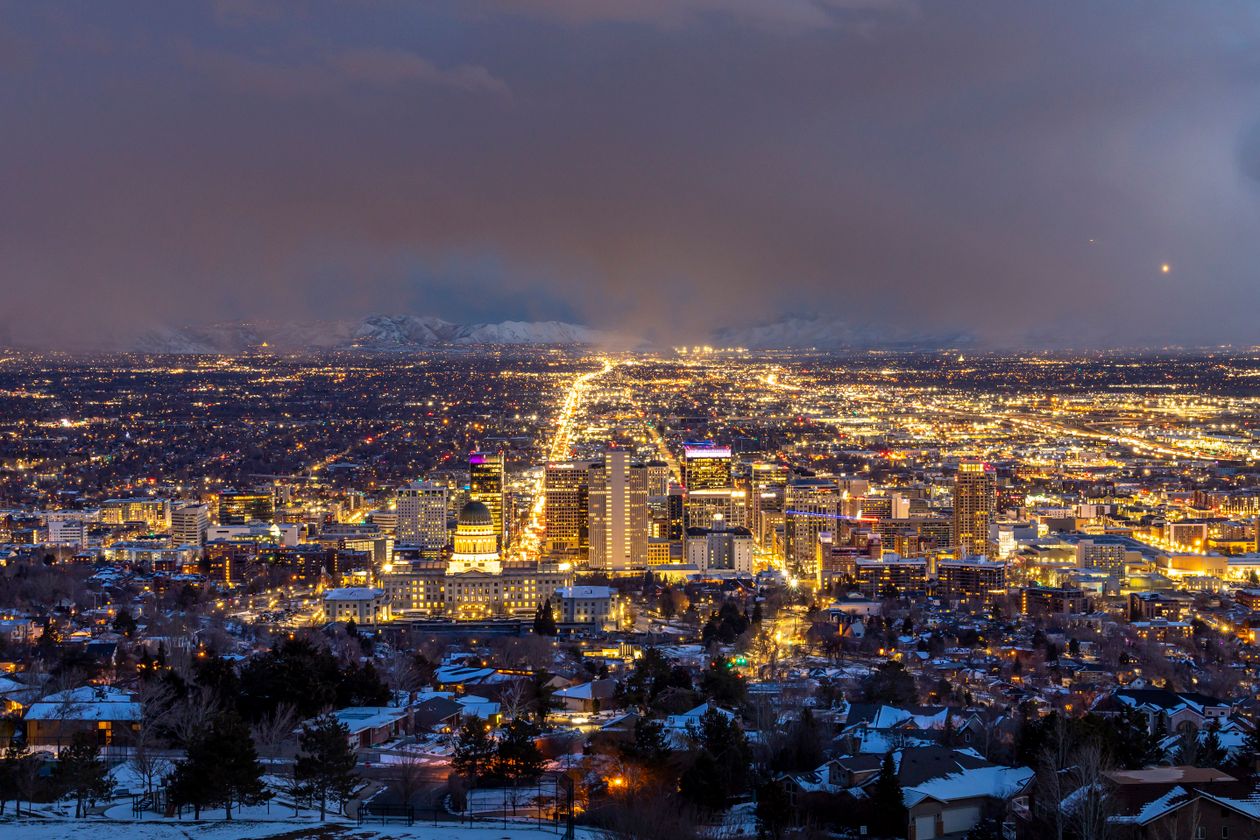
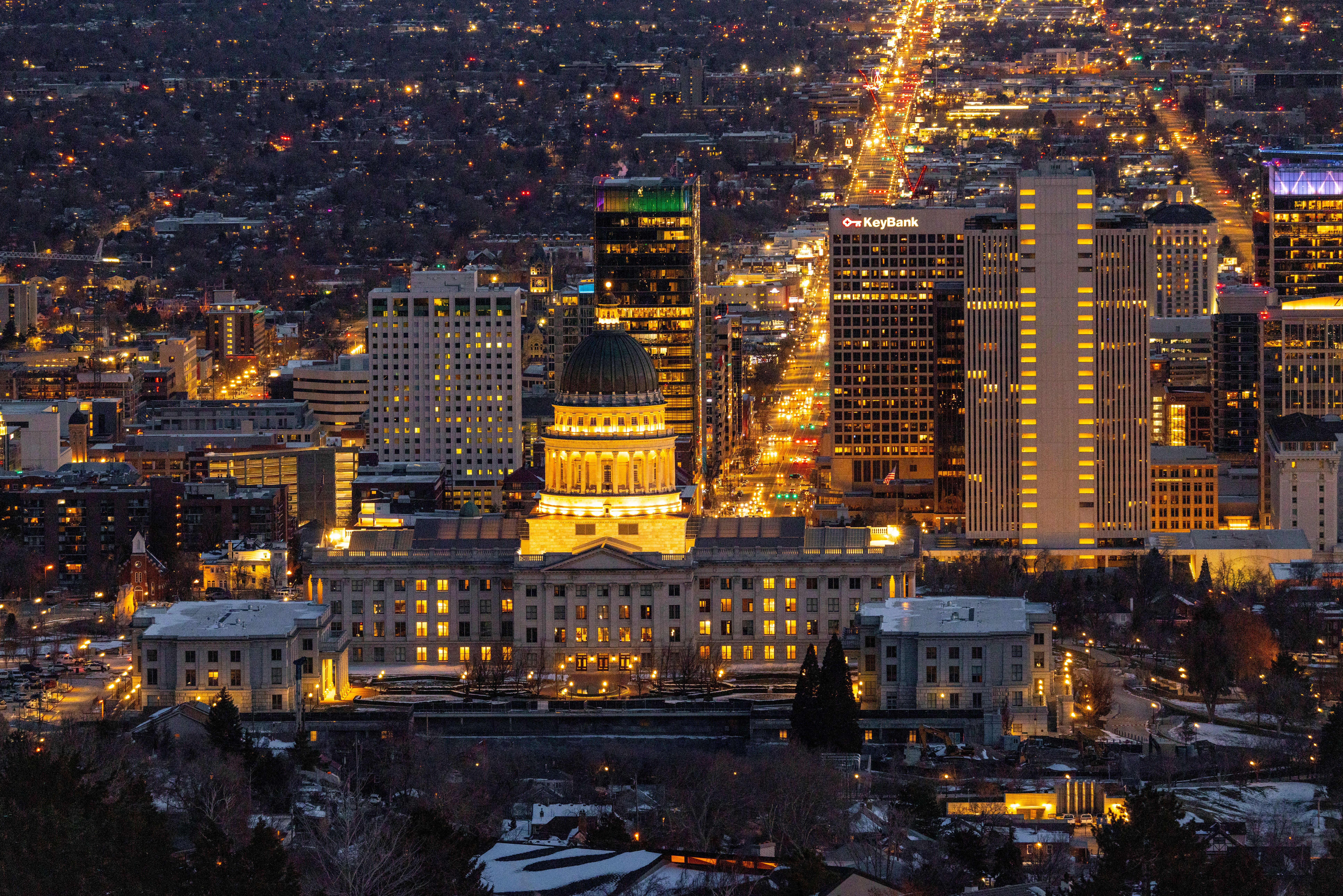
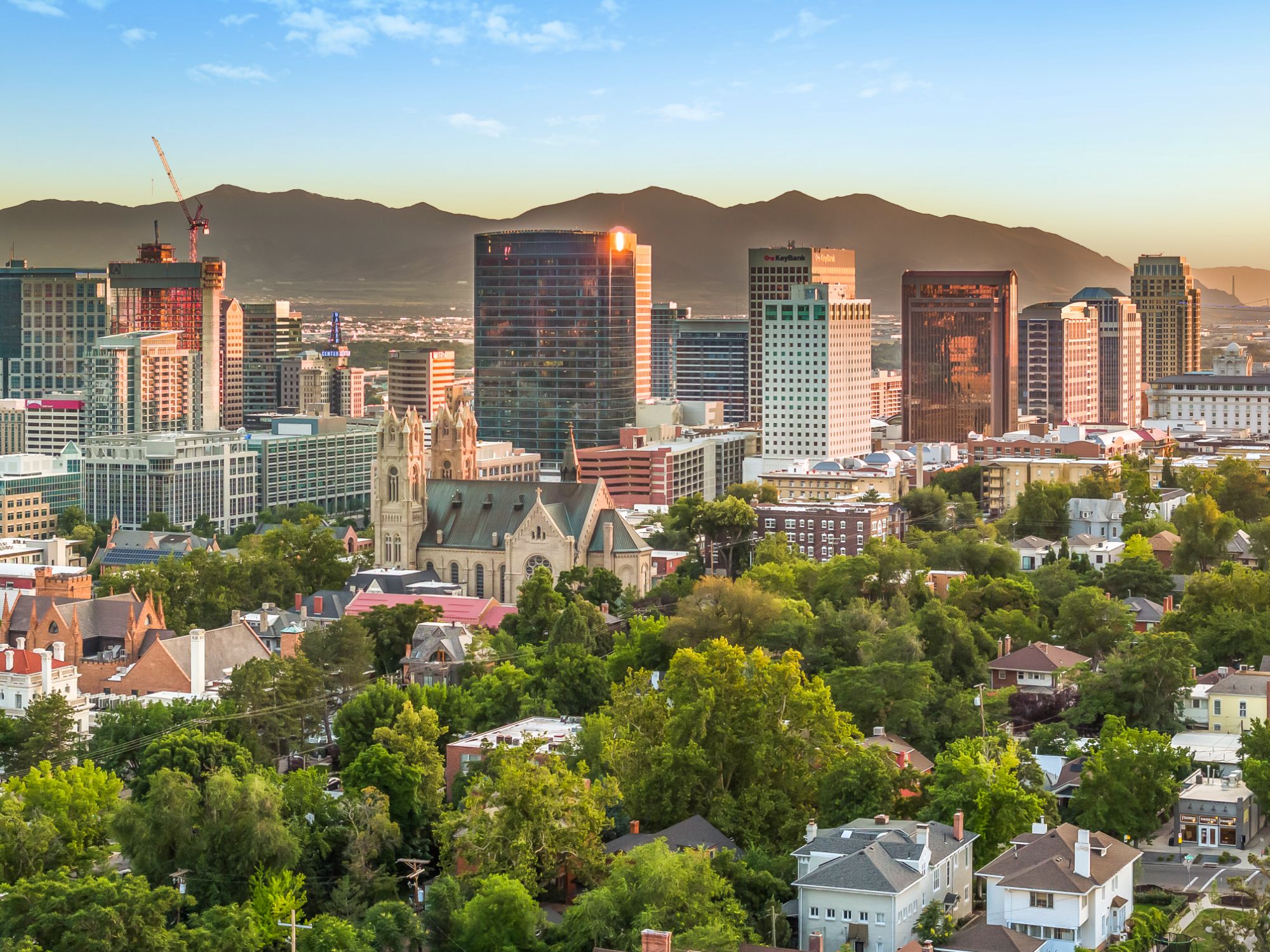
Salt Lake City has approved a half-percent sales tax increase to fund a $900 million sports and entertainment district anchored by the Delta Center. $525 million will go toward a complete architectural transformation of the arena, while $375 million will redevelop the surrounding blocks into restaurants, plazas, entertainment venues, and public gathering spaces. The renovation itself is unprecedented, involving the removal of 5 million pounds of concrete, raising the arena floor by 2 feet, extending the bowl 12 feet on each end, and installing the first retractable dual-use seating system. Hockey seating will expand from 11,000 to 17,000 seats, and basketball capacity will increase to nearly 19,000. For real estate, this matters because activated entertainment districts consistently drive surrounding property values and buyer demand. We’ve seen this in cities like Denver and Columbus, and neighborhoods such as Sugar House, The Avenues, and Capitol Hill are expected to be viewed very differently in the coming years.
The Point at Draper: 600 Acres of Opportunity
The former Utah State Prison site in Draper is being transformed into a 600-acre mixed-use district located at one of the most strategic points between Salt Lake County and Utah County. Phase 1 will include a walkable main street, an innovation hub designed to attract tech and startup companies, an entertainment venue, and multifamily residential housing. Vertical construction is expected to begin in mid to late 2026. This project is significant because it shifts the south end of the Salt Lake Valley from primarily suburban living into a true live-work-play environment. Buyers looking in Draper, South Jordan, or the Point of the Mountain area are still early in this growth cycle.
Utah City: A Walkable Urban Hub in Utah County
Utah City, located on the former Geneva Steel site in Vineyard, is a nearly 700-acre master-planned development designed to create a modern, walkable, transit-oriented downtown environment. It connects directly to the FrontRunner station, allowing easy access to Salt Lake City without a car, and sits adjacent to I-15. The development is positioned to support the Silicon Slopes workforce, with major nearby employers including Adobe, Qualtrics, and Domo. For buyers relocating from cities like Denver, Seattle, Portland, or San Francisco, Utah City provides a direct answer to the question of whether Utah can offer true urban walkability.
Salt Lake City International Airport Expansion
The Salt Lake City International Airport has completed a $5.1 billion redevelopment designed to handle over 35 million passengers annually. This expansion strengthens Salt Lake City’s position as a major Delta hub and increases both domestic and international connectivity. For relocation buyers, this removes one of the biggest perceived limitations of living in Utah—access to major cities and travel convenience.
The 2034 Winter Olympics: The Long-Term Catalyst
The 2034 Winter Olympics are officially coming to Utah, and the real estate impact begins now, not in 2034. After the 2002 Olympics, skier visits increased by 43%, lodging revenue grew by 70%, and visitor spending rose by 66%. This time, Utah is starting from a much stronger position with an established tech economy, professional sports presence, and existing Olympic infrastructure. With only $31 million needed for venue upgrades, the focus can shift toward infrastructure and long-term economic growth. The key insight for buyers is that appreciation cycles begin when the Olympics are awarded—and that moment has already happened.
The Bottom Line: Why Utah Real Estate Is Entering a New Phase
These developments are not isolated projects. They represent a coordinated shift in Utah’s economic infrastructure, urban development strategy, and national positioning. The cranes are up, the capital is committed, and the timeline is real. The only question is whether you are watching it happen or positioning yourself ahead of it.
Thinking About Moving to Utah?
If you are considering relocating to Utah or making a move within the state, my team and I would love to be a resource. Let’s start the conversation.
Scott Steele | Team Lead | The Steele Group at Signature Real Estate Utah | HOME@theutahreel.com | www.TheUtahReel.com
Categories
Recent Posts