Where to Live in Utah: 5 Lifestyle Lanes Every Out-of-State Buyer Must Know Before Moving (2026 Guide)
Where to Live in Utah: 5 Lifestyle Lanes Every Out-of-State Buyer Must Know Before Moving (2026 Guide)
Most People Moving to Utah Don't Actually Know Which Utah They're Moving To
If you're researching a move to Utah in 2026, here's something most real estate websites won't tell you: Utah isn't one market. It's at least five distinct lifestyle lanes — and the neighborhood you buy in determines which one you actually get to live.
I'm Scott Steele, a Utah real estate professional, and I work with out-of-state buyers every single day. Roughly 80% of them arrive with a preconceived idea of where they want to live based on a Reddit thread, a friend's recommendation, or a corporate relocation package from an HR rep who's never stepped foot in the state. More often than not, that idea needs adjusting.
The goal of this guide is to give you a clear framework for narrowing your search — not by picking a city first, but by identifying which Utah lifestyle lane actually fits your life. Then we pick the city. Then the neighborhood. The house comes last.
The 5 Utah Lifestyle Lanes: A Framework for Out-of-State Buyers
Lane 1: The Tech Corridor — Lehi, Saratoga Springs, Eagle Mountain
This is the fastest-growing lane in Utah right now, and it's also where I see the most buyer's remorse. The Tech Corridor buyer is either working at one of the Silicon Slopes companies — Adobe, Qualtrics, Ancestry, and hundreds of others clustered around Thanksgiving Point in Lehi — or they're remote and want proximity to other tech professionals.
Lehi is the first stop for most buyers in this lane. Schools are strong, amenities are catching up, and unless you're buying in a master-planned community like Holbrook Farms or Traverse Mountain, you're paying a premium for those extra five minutes of commute time. With the I-15 expansion still in progress in 2026, that "five minutes" can swing dramatically.
Saratoga Springs sits west across Utah Lake and offers a clear value trade-off: give up 10–15 minutes of commute and save roughly $80–$150 per square foot. Newer construction, bigger lots, and genuinely good community amenities make it a compelling alternative.
Eagle Mountain is the third wave — and where buyers either make a brilliant move or a painful one. It works beautifully if you're remote-flexible and don't mind a 25–35 minute drive to anything beyond a grocery store. It gets painful fast when work situations change and you're suddenly commuting to downtown Salt Lake City every morning.
Price ranges (2026): High $600s–low $700s for Lehi and Saratoga Springs; high $500s–low $600s for Eagle Mountain, with some homes still in the high $400s–low $500s for non-new builds.
The hidden trade-off: Long-term water infrastructure questions — particularly around the Great Salt Lake situation — are showing up more frequently in Eagle Mountain due diligence conversations. Worth researching before you commit.
Best for: Tech professionals, hybrid-remote workers, families seeking newer construction, buyers who don't mind a neighborhood still growing into itself.
Lane 2: The Family Suburbs — Draper, South Jordan, Daybreak, Herriman
This is the most dominant lane for out-of-state relocators — even for buyers who initially think they want Lane 1 or Lane 4. When you actually map out how you spend a Saturday, most families land here.
Draper offers what I consider the best overall blend in the suburban band: the Corner Canyon Trail System (genuinely world-class, not just "good for a suburb"), strong school reputation, and a location that's roughly 25 minutes to downtown Salt Lake City and 15 minutes to the Tech Corridor. The trade-off is price — expect to start in the $800s–$900s for a real family home, with many pockets pushing well past $1 million.
South Jordan (outside Daybreak) is the workhorse of the suburban market. Well-kept neighborhoods, solid schools, slightly closer to everyday shopping, and generally priced a hair under Draper. A reliable, low-drama choice for many families.
Daybreak is its own conversation: a master-planned community with a lake, walking trails everywhere, and very intentional neighborhood design. HOA is real. Community programming is real. Lot sizes are smaller by Utah standards. People either love this setup or they don't — both reactions are valid.
Herriman is the most underrated in this group. Fast growth, some of the best mountain views in the valley, and competitive pricing. The downside: it's farther from day-to-day amenities, and schools are still establishing their track record. Which side of Herriman you buy in matters significantly — some pockets are well-connected, others feel genuinely isolated.
Price ranges (2026): $700s–$900s for South Jordan and Herriman; $800s–$1M+ for Draper; Daybreak varies widely by product type.
Best for: Families with school-age children, buyers who want suburban infrastructure without sacrificing outdoor access, relocators who want low-drama predictability.
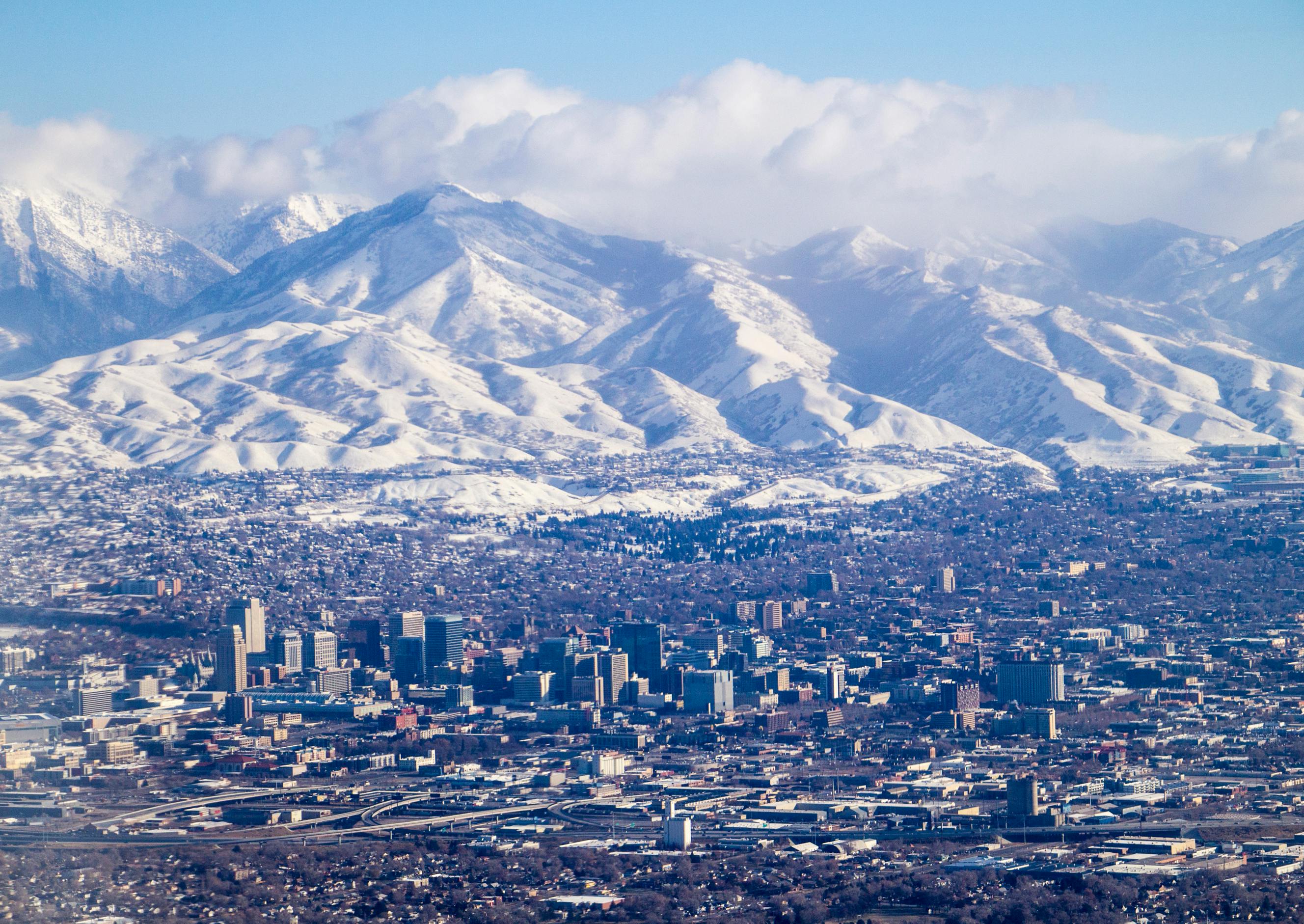
Lane 3: The Urban Core — Salt Lake City, Sugar House, Millcreek
This lane consistently surprises out-of-state buyers who expect Utah to be exclusively suburban. Salt Lake City proper has genuine walkability in several neighborhoods, a real restaurant and arts scene, and a price point that's still meaningfully below comparable cities on the coasts.
Sugar House is the neighborhood most buyers in this lane end up in. It has the urban feel without the full downtown intensity — walkable coffee shops, a real park, and homes that have character rather than just square footage. The trade-off is older housing stock; many homes need updating, and you should go in with clear eyes about what you're buying.
Millcreek is adjacent and increasingly interesting. It has its own city government now (relatively recent), which has brought more local investment and identity. Pricing is generally a hair softer than Sugar House, though that gap has been closing.
Salt Lake City proper offers everything from historic Avenues bungalows to newer infill construction near downtown. The key is knowing which pockets are genuinely walkable versus which ones look walkable on a map but require a car for everything practical.
The honest reality check: If you're coming from a genuinely walkable city like San Francisco, Portland, or Chicago, Utah's urban core will feel different. It's walkable by Utah standards. A 1,200 sq ft Sugar House bungalow with a one-car garage will be a genuine lifestyle adjustment. Know yourself on this one before you fall in love with the Instagram version.
Best for: Buyers relocating from real cities who don't want to give up walkability, empty nesters looking to downsize without isolating, professionals who'd rather walk to coffee than drive to it.
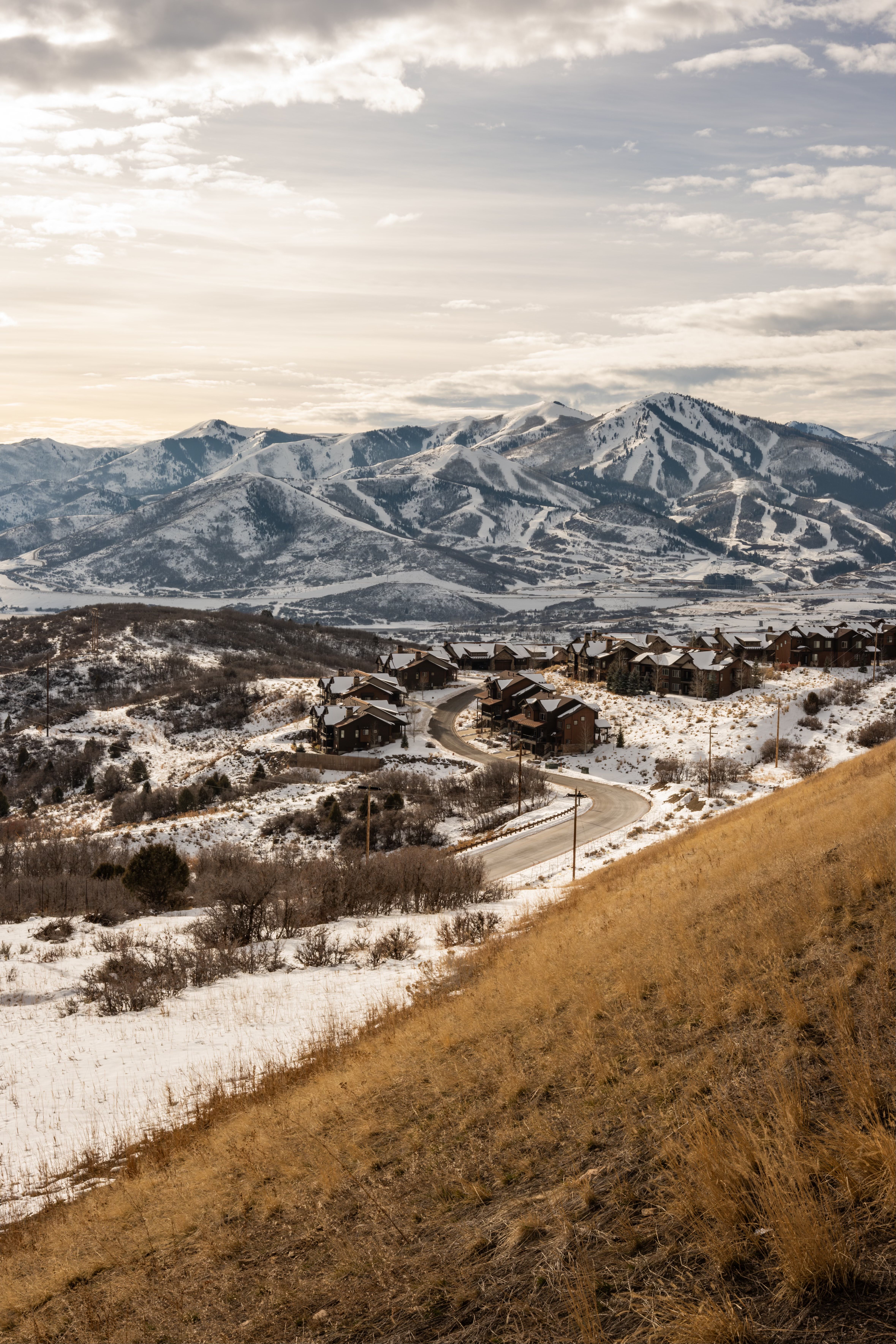
Lane 4: Mountain & Outdoor — Holladay, Cottonwood Heights, Park City
Every out-of-state buyer thinks they want this lane. About two-thirds actually do. The other third realize, once they're here, that what they really want is Lane 2 with good canyon access on weekends.
The true mountain buyer wants ski proximity, summer hiking, mountain biking, fly fishing — and they want these activities to be the spine of their week, not just an occasional weekend. If that's you, here's where to look:
Holladay is the most underrated of the three. Mature trees (rare in newer Utah suburbs), strong schools, roughly 20–25 minutes to downtown Salt Lake City and 15 minutes to the mouth of Big Cottonwood Canyon. It has an established feel that the newer west-side suburbs simply can't match. Starting prices are generally in the $800s, with most homes over $1 million.
Cottonwood Heights sits next to Holladay at slightly higher elevation, with closer access to both Big and Little Cottonwood Canyons. If skiing is genuinely central to your life — if "a quick run before work" is something you actually plan to do — Cottonwood Heights is hard to beat. Pricing is generally a hair softer than Holladay, though some homes need updating.
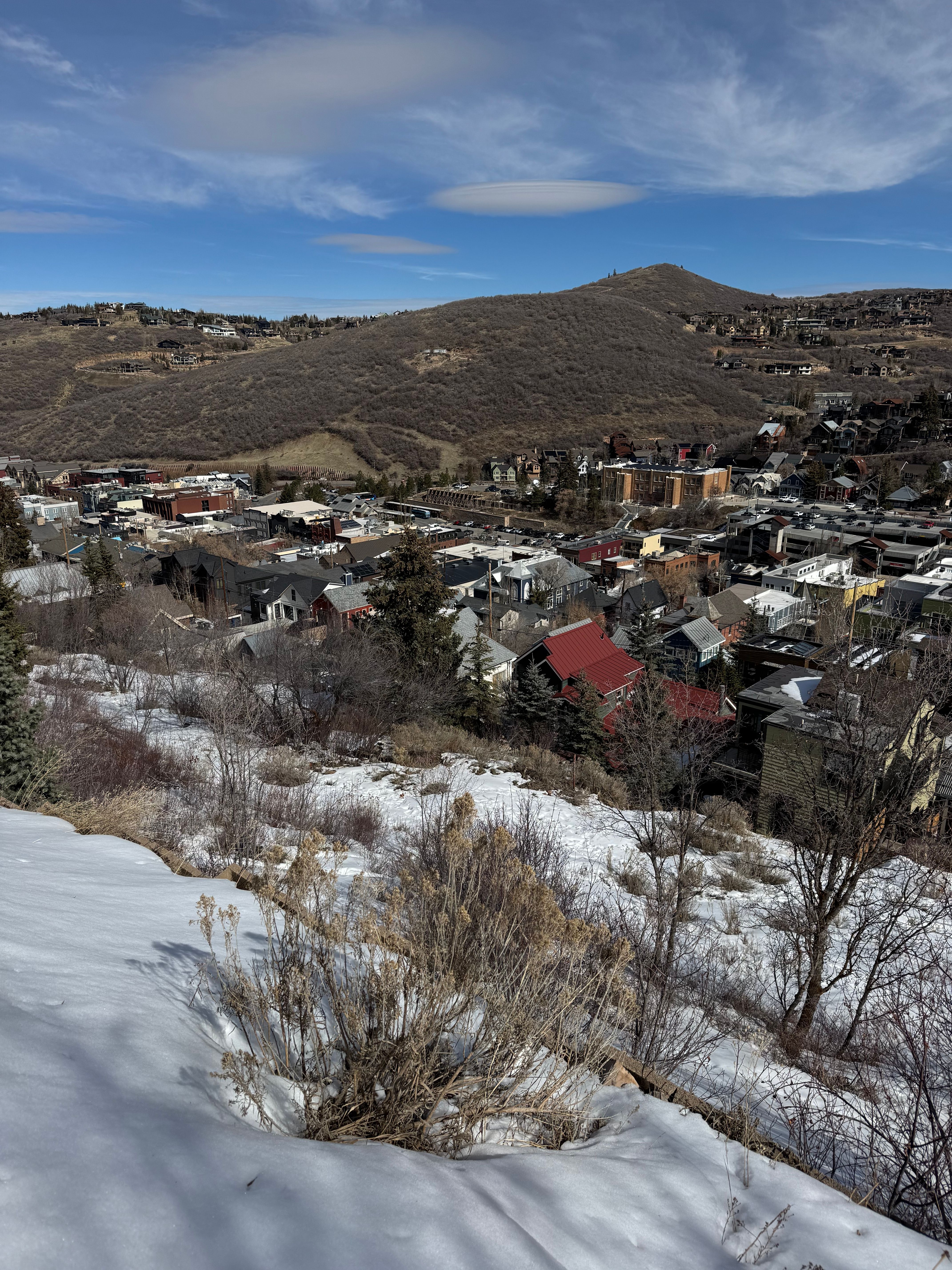
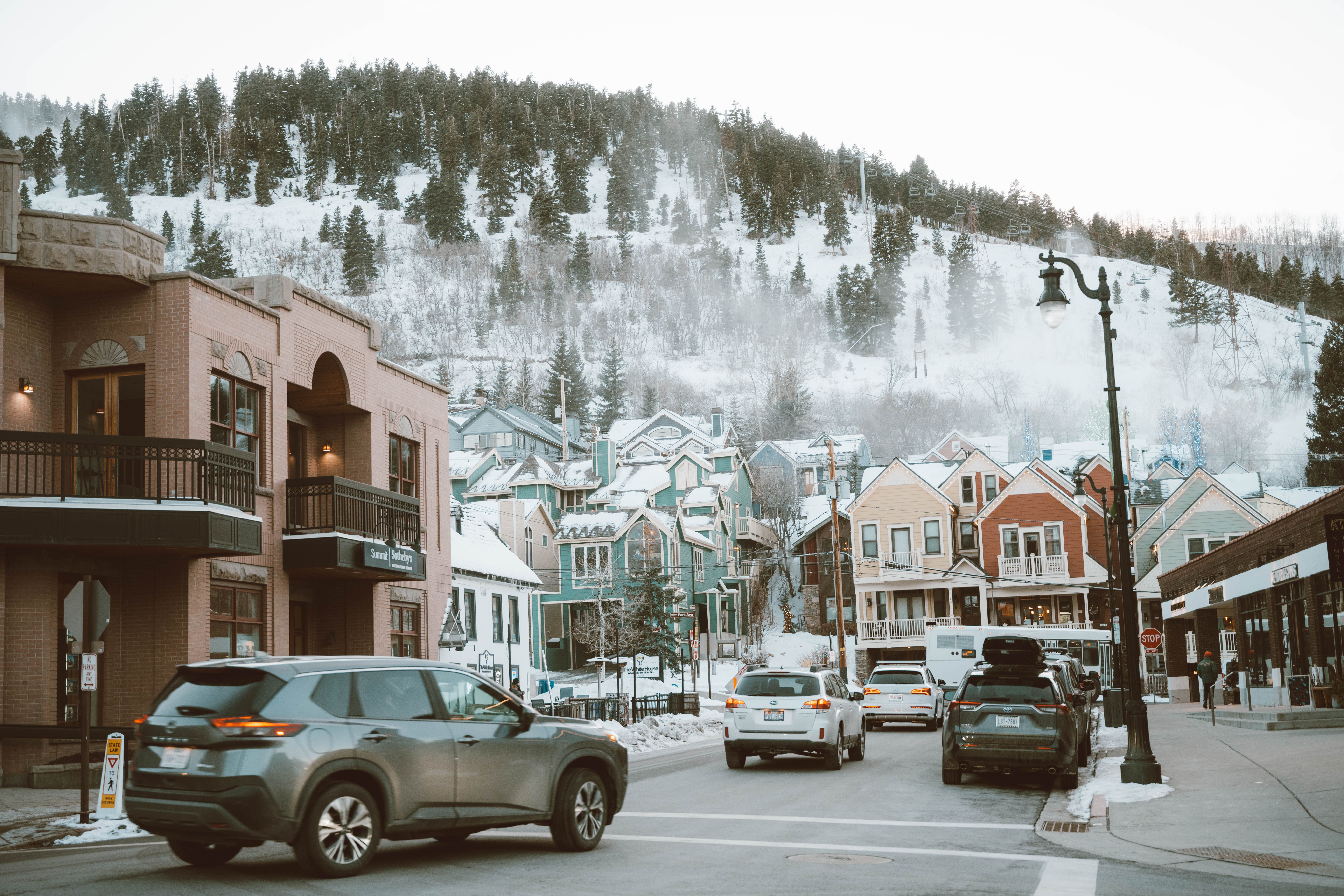
Park City is the premium tier and requires nuanced research. It sits in Summit County (not Salt Lake County), which has tax implications worth discussing with your accountant. The price ceiling is essentially unlimited, with Park City sub-area medians regularly exceeding $2–4 million and individual properties trading above $40–50 million. A significant portion of inventory is second homes or short-term rental properties — so if you want to actually live there full-time in a real community, you need to identify which neighborhoods skew local vs. seasonal. Oldtown and Promontory, for example, have very different year-round vibes. And if you have school-age kids, Park City's school logistics are a separate conversation worth having before you fall in love with any particular home.
The key question to ask yourself honestly: How many days per week will I actually use these trails and mountains? If it's three or more, this lane earns its premium. If it's weekends only, Lane 2 with a ski pass accomplishes the same thing at a lower cost basis.
Best for: Buyers for whom outdoor access is a genuine daily priority, empty nesters who want established neighborhoods, buyers comfortable at higher price points.
Lane 5: The Desert South — St. George and Washington County
St. George has become a legitimate primary residence market, not just a retirement destination. It draws a specific type of buyer: retirees and pre-retirees who want sun and lower cost of living, second-home buyers from the Wasatch Front using St. George as a winter escape, and remote workers who want mild winters, outdoor recreation access, and a lower-stress environment without the Wasatch Front price tag.
The big trade-off: You are four hours from Salt Lake City. The St. George airport is small (and growing). If your family or professional network is elsewhere in Utah, this isn't a "pop up for dinner on Tuesday" situation. This lane really is its own world — and that's a feature for the right buyer and a deal-breaker for others.
Best for: Retirees, snowbirds, warm-weather seekers, remote workers who want desert and mild winters over mountains and snow, and buyers who've been telling their spouse for years they want sun and outdoor access without committing to Arizona or Las Vegas.
Which Utah Lane Is Right for You?
Here's the framework, simplified:
You don't pick a city. You pick a lane. Then you pick a city within that lane. Then you pick a neighborhood. The house comes last. Anyone guiding you to start with the house — or even the city — is doing it backwards.
As a bonus insight: if I had to identify the most underpriced submarket for what it offers in 2026, my answer is Millcreek. Mature trees, genuinely walkable pockets, real canyon access, a city center still coming into its own — and you're not paying Holladay prices yet. Lane 2 and Lane 3 buyers both ought to have it on their list.
And on the tech corridor side, Lehi is worth paying close attention to. As the current freeway infrastructure buildout completes, the appreciation story there could add another 10–12% to home values. Buyers who get in before that infrastructure is fully online are positioning well.
Ready to Figure Out Your Lane?
My team and I work exclusively with buyers making the move to Utah. We help out-of-state families cut through the noise, avoid the wrong-neighborhood mistakes, and find the community that actually fits their life — not just their budget.
Reach out, book a video call, and let's map out the right lane for you before you start touring homes. The conversation is free. The wrong neighborhood is not.
Book a call with us HERE
Scott Steele | HOME@TheUtahReel.com | 801-680-8050 | www.TheUtahReel.com
Categories
Recent Posts