Utah Home Prices 2026: Why the Median Home Now Costs $520,000
Utah Home Prices 2026: Why the Median Home Now Costs $520,000
Let me show you a number that should make every parent in the state of Utah a little bit angry: $520,000. That is roughly the median price of a home in Utah right now. Not a fancy home, not a view lot, the middle, the most ordinary average house you can point at. And here is the part that actually stings. To responsibly afford that median home in Salt Lake County, a family needs to earn somewhere around $140,000 to $150,000 a year. Meanwhile, the median household income in Utah is around $98,000. Sit with that gap for a moment, because that roughly $50,000 a year canyon is the reason a teacher married to a nurse, two stable, respectable, middle-class incomes, can look at the exact kind of house their parents bought in their 30s and not qualify for it.
I am a real estate agent and broker here in Utah, and I do this every single day. I am not going to sell you sunshine, because you would see right through it. Instead, I want to walk you through exactly how we got here, and why it is worse than the headlines admit. I am leaning on data from the National Association of Realtors, the Kem C. Gardner Policy Institute at the University of Utah, the Salt Lake Board of Realtors, the US Census Bureau, and actual transaction data. Here are the five things you need to understand.
1. The Salary Trap
You have probably heard that Utah is one of the most affordable, prosperous states in the country. By one specific measure, that is true. Research from the Kem C. Gardner Policy Institute shows that when you adjust for cost of living, Utah's median household income of around $98,000 actually ranks number one in the entire country, higher than the national average by something like 27% on a cost-adjusted basis.
But here is the trap. That cost-of-living ranking includes everyday stuff like groceries, gas, and services. The one expense that is eating Utahns alive is housing, and housing is not a small line item. Say you and your spouse pull in that $98,000. On paper you are a top-ranked, well-off Utah household. Then you go shopping for the median $520,000 home. With today's rates, taxes, and insurance, the monthly payment lands somewhere north of $3,600 a month just for the mortgage, before you have turned on a light or bought a gallon of milk. To carry that responsibly, keeping housing under about a third of your income, you need to earn roughly $150,000 a year. You earn 98. The math just does not come close.
Your strong Utah income creates the illusion that you should be just fine, which makes the rejection feel personal. It is not personal, it is structural. So do two things. First, stop comparing yourself to your parents' timeline, because they bought into a completely different math problem. Second, get your real number before you fall in love with a house. Not a guess, a pre-approval that tells you the true ceiling for you specifically. The most expensive thing in this market is not a house, it is wasted time shopping in a price band you were never going to reach.
2. The Frozen Market and the Rate Lock Effect
Here is something most buyers never think about, and it quietly makes everything worse. A huge number of Utah homeowners refinanced or bought during 2020 and 2021, when mortgage rates were down in the 3% range or even under 2.5%. Those people are sitting on what is basically a financial unicorn, a sub-3% loan on a home that is now worth a lot more money. Ask yourself: if you had a 2.9% rate, would you sell and take out a new loan in the sixes or sevens? Of course not. So they do not move. The industry calls this the lock-in effect, and it has frozen an enormous chunk of would-be sellers in place.
This is why inventory feels so thin. In a lot of Utah submarkets we have been hovering well under two months of supply, and anything under about four to six months is a seller's market. The homes that would normally come up, the empty nesters downsizing and the families upgrading, a lot of them just are not listing. So change your strategy. Stop waiting for a flood of listings that is not coming. The buyers winning right now get pre-approved, set up instant alerts, and are ready to move within days, not weeks, when the right home appears. And do not overlook builders. New construction does not carry the rate-lock baggage, because a builder is a business that needs to sell inventory, and they will often buy your rate down or cover closing costs to make it happen.
Here is why this matters: it kills the "just wait for rates to drop" fantasy. If rates fall, buyers come back, but so does competition, instantly, all at once, fighting over the same tiny pile of homes. Lower rates without more homes does not make things cheaper. It just changes who is bidding.
3. Utah Has Split Into Two Different Markets
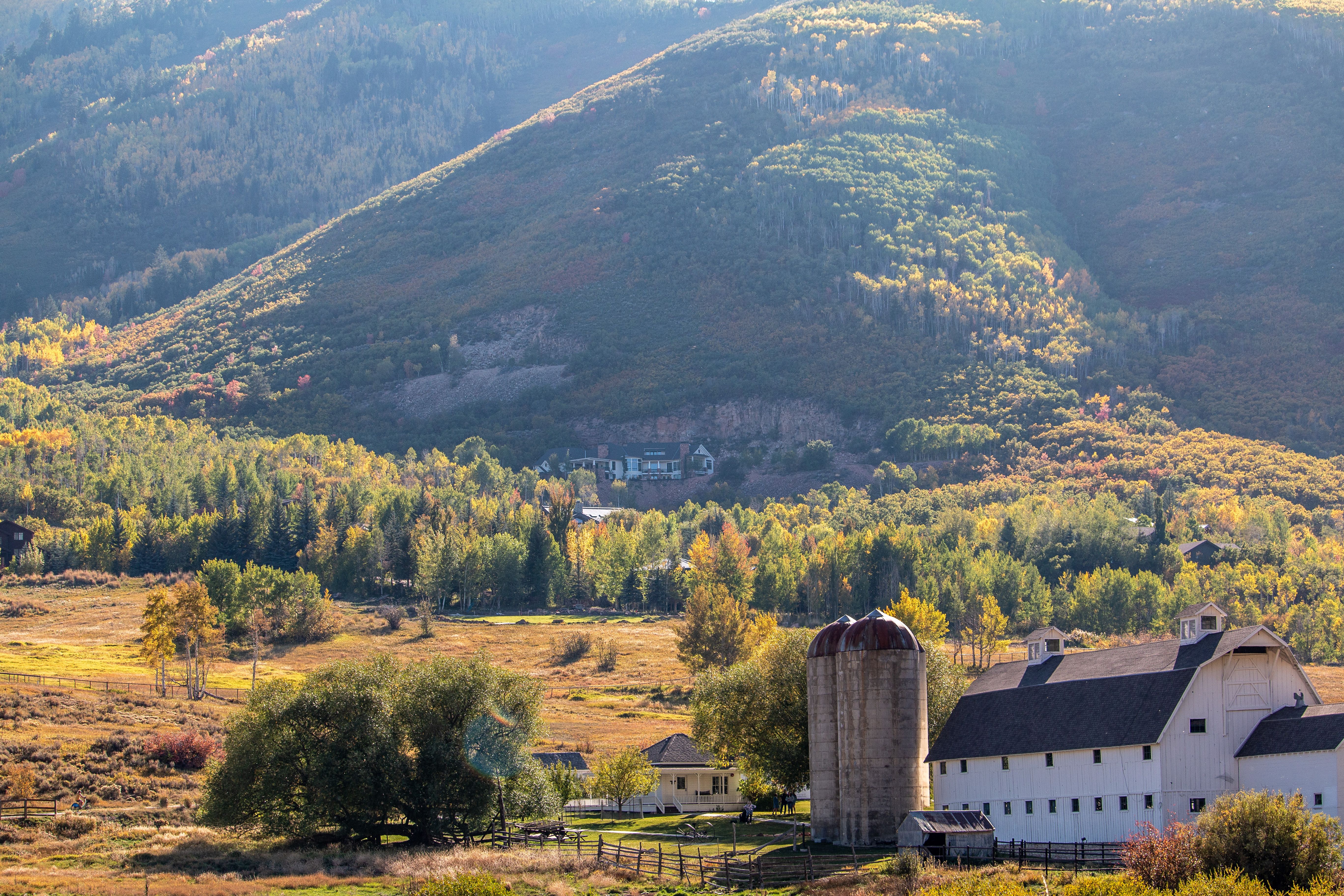
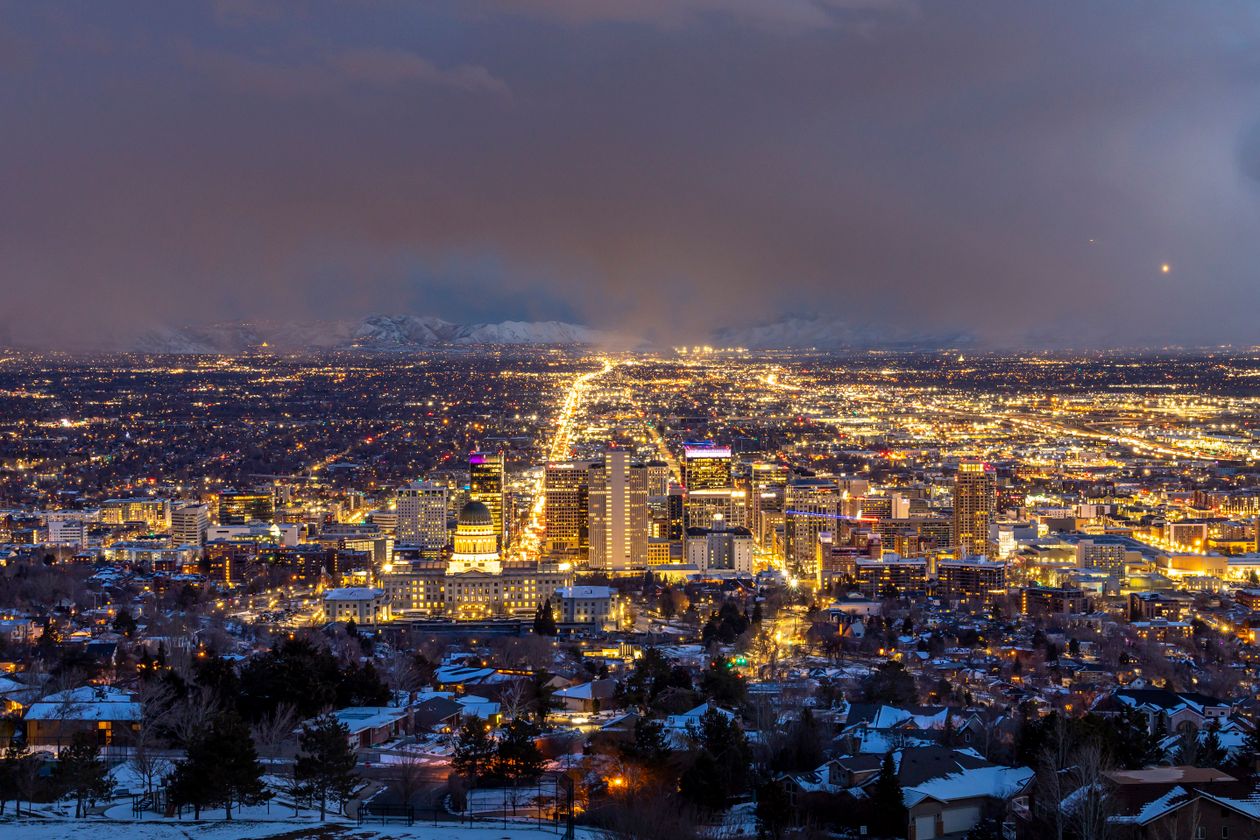
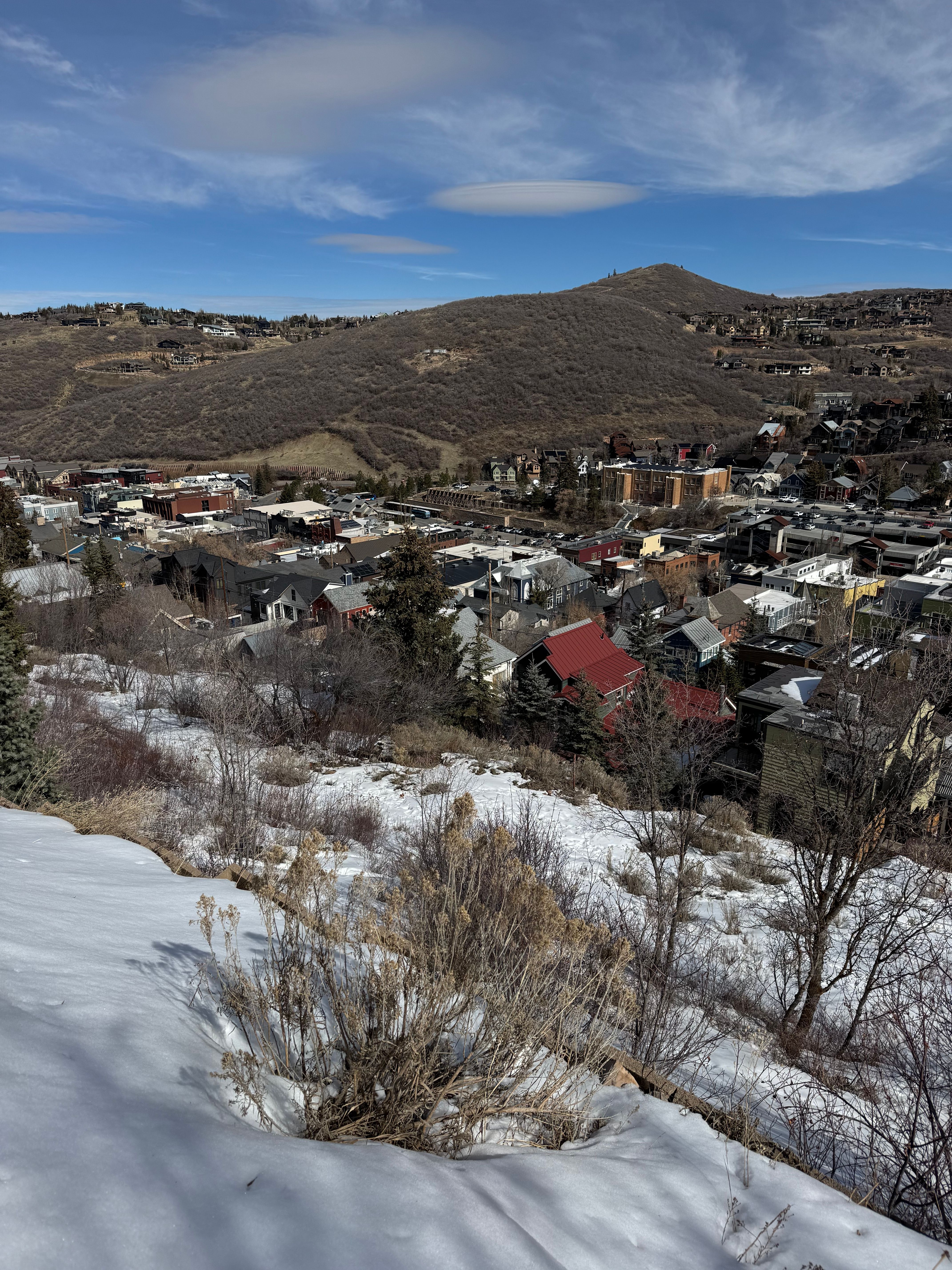
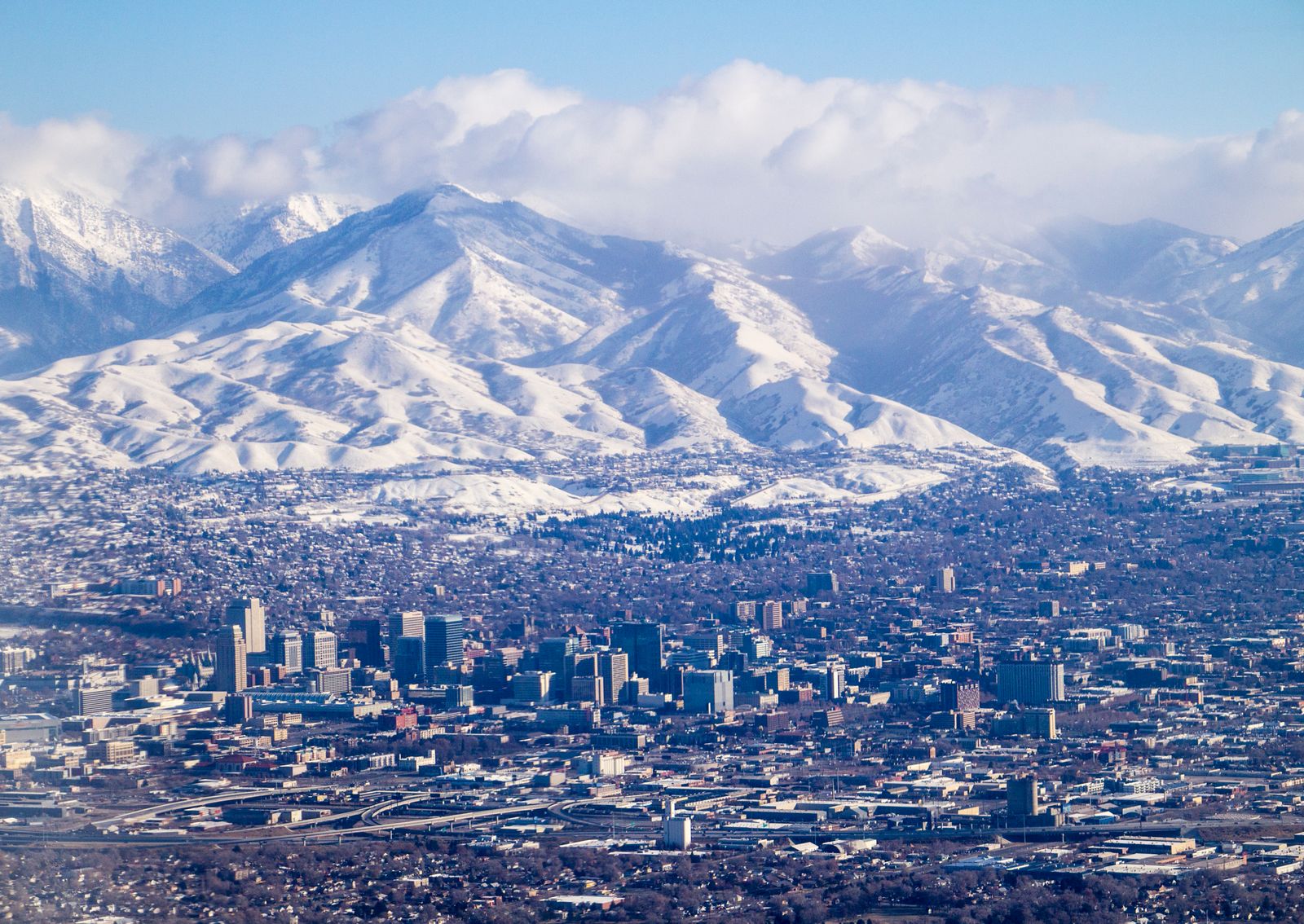
People talk about the Utah market like it is one thing. It is not, not anymore. Utah has bifurcated into two very different markets that happen to share a state border. On one side you have the established, supply-constrained areas: the close-in Salt Lake County neighborhoods like Cottonwood Heights, Holladay, Millcreek, and Draper, plus resort markets like Park City. Limited land, almost no room to build, and prices that have detached from local incomes entirely. In some Park City zip codes the home-price-to-income ratio is in the double digits.
On the other side you have the developing, still-building submarkets: Eagle Mountain, Saratoga Springs, parts of Herriman, Tooele, stretches of South Jordan toward the western bench, and the northern edges of the Wasatch Front. These areas still have dirt to build on, so they have been the pressure-release valve for families priced out of the core. This split is actually good news if you understand it, because "I can't afford Utah" is the wrong sentence. The right sentence is "I can't afford this part of Utah yet." The family priced out of Holladay is often very much in the game 30 minutes to the west, south, or north in a newer build for a couple hundred thousand less.
The honest trade-off I owe you is that affordability is not free. You pay for it in commute and distance, and in infrastructure that is still catching up, the roads, the schools, the retail that has not been built yet. The tech corridor through Lehi and the Point of the Mountain has created incredible job density, but the freeways feeding into it are straining. So the real exercise is not "what house can I afford," it is "what total life can I afford," house plus commute plus the stage your kids are at. And it is why the averages lie to you. When you hear the median home is $520,000, that single number is blending a $1.5 million Park City property with a $380,000 Eagle Mountain townhome. The average describes almost nobody's real choice. Your job is to find the specific submarket where your number and your life actually intersect.
4. Why Prices Almost Certainly Are Not Going to Crash
I have to be straight with you, even though this is the least fun thing I will say. A lot of people are quietly rooting for a 2008-style crash, waiting for prices to fall 45% so they can swoop in. I understand the wish, but it is very likely not coming. From 2020 through 2022, Salt Lake County home prices jumped something like 42%, the strongest surge in the state's history. Then rates doubled in 2023, everybody braced for the crash, and prices fell less than 3% before ticking right back up. A doubling of interest rates, the single most powerful brake the economy has, barely scratched Utah prices.
If you are waiting for a 30% or 40% drop in Utah, you are waiting for a bus that is not scheduled to come. In my honest opinion, we already experienced the crash, not in the price of homes dropping, but in the value of the dollar becoming worth so much less. The Salt Lake Board of Realtors projections have the median continuing to grind upward, not collapse. "Wait and save" sounds responsible, but in a market that keeps appreciating while you wait, you can actually fall further behind every year as the price climbs faster than your savings.
That does not mean panic buy. It means make the decision on real math, not hope, not hype, and not headlines. If the math works for a home you can hold for five-plus years, time in the market usually beats trying to time the market. And if the math does not work for you, renting while you build income or savings is a perfectly smart, dignified choice. I will tell you that honestly rather than push you into a purchase that breaks you.
5. The Real Root Cause: We Did Not Build Enough
Here is the single thing underneath all of it. Utah did not get unaffordable because of greed, or California, or even interest rates. Utah got unaffordable because we did not build enough homes for the people who kept showing up. We have been one of the fastest-growing states in the country for decades, with the highest birth rate in the nation, plus people moving here for the jobs, the lifestyle, and the outdoors. But home building never kept pace. State estimates have pegged Utah's housing shortage at somewhere around 40,000 to 45,000 units, and it is projected that between the mid-2020s and 2030, Utah needs on the order of 150,000 additional homes just to keep up with demand.
Instead of speeding up, construction has slowed. Residential permits in 2024 hit some of the lowest levels in years, and single-family permits in the Salt Lake City metro fell in 2025. Zoom out and it is the same story nationally, with the country short by more than four million homes after over a decade of underbuilding. Utah is just a sharper, faster version of that story because our population grew so much faster.
Once you truly understand that this is a supply shortage, not a temporary demand spike, three things change. First, you stop waiting for a crash, because a shortage puts a floor under prices. Second, you start taking new construction seriously, because every new home built is literally the solution, and builders are the ones motivated to deal with you on rate and price. Third, you move your search to where homes are actually being added, the developing submarkets, instead of fighting over the frozen supply in the built-out core. The legislature is openly treating this as both an economic and, in their words, a moral problem, and there is real movement on zoning, density, and cutting the infrastructure delays that stall approved homes. It is slow and it will take years, but the direction is finally pointed the right way, and the families who understand the supply story today and position themselves in the path of where homes are being built are the ones who win as that supply comes online.
So What Should You Actually Do?
Let me land the plane. A normal family cannot easily afford a normal house in Utah, not because they are failing, but because for over a decade we built too few homes for too many people, then froze existing owners in place with rate lock, split the state into a have and have-not map, and created a shortage so deep that even doubling interest rates could not make prices fall. Every symptom traces back to that one root: not enough homes. The good news is that once you name the real disease, you can actually treat it.
The single best move for most families in this exact market is not a house at all. It is a conversation with a great lender to get your true, real number before you do anything else. Not Zillow's guess, your number. Nine times out of ten, families either discover they can afford more than they feared, or they find out the gap early enough to make a smart plan instead of a desperate one.
Thinking About Moving to Utah? Let's Talk.
Utah is one of the fastest-growing states in the entire country, and navigating the cultural landscape alongside the real estate market takes genuine local expertise. Whether you're considering Salt Lake County, Utah County, Davis County, or further out — finding the right neighborhood for your lifestyle, budget, and long-term goals makes all the difference.
My team and I work exclusively with buyers and sellers navigating the Utah real estate market. We help you cut through the noise, match the right submarket to your specific lifestyle and priorities, and make sure you're buying from a position of clarity — not FOMO.
Book a call with us HERE — free 30-minute consultation
Check out our relocation guide HERE
Subscribe to our weekly newsletter HERE
Scott Steele | HOME@TheUtahReel.com | 801-680-8050 | www.TheUtahReel.com
Categories
Recent Posts