Utah Winter Inversions: What Wasatch Front Air Quality Really Means for Homebuyers
 Utah Winter Inversions: What Wasatch Front Air Quality Really Means for Homebuyers
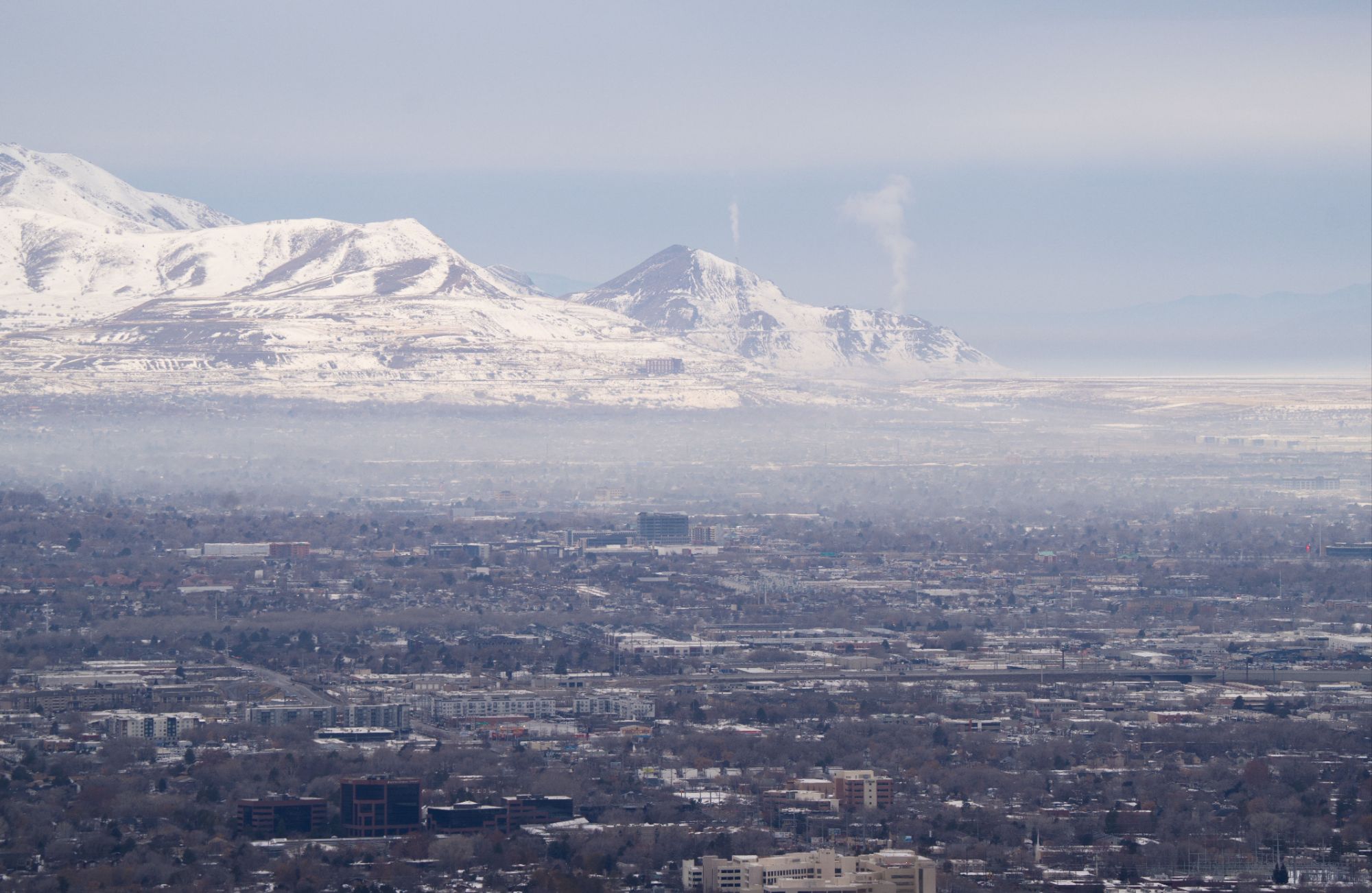
Every winter, like clockwork, I get the same text from out-of-state buyers. Some version of: "Scott, what is going on with the air? Is this normal? Is it going to be like this all the time?" And I totally get it. They flew in, fell in love with the mountains in the summer or fall, put in an offer, and now it's January and the whole valley is sitting under a gray-and-white lid of haze. They can't even see the peaks they bought a view of, so they panic just a little and they ask me.
I've lived and worked along the Wasatch Front my whole life. I know these valleys, I know these mountains, and I know how this place breathes through a winter. So I could give the easy answer most agents give — "It's just a couple of weeks, it blows out, don't worry about it." But that always bugged me, because it's a brush-off, not an answer. So I went past my own gut and read what the science actually says: University of Utah health research, peer-reviewed studies that used this exact valley as their test case, the EPA standards, and the state's own air data. Here's the honest picture.
The Inversion Isn't the Disease
Here's what most people believe about Utah's inversions, and honestly what I used to believe too: that the inversion is the problem. I want to push back on that gently. The inversion is not really the disease. It's just the weather event that takes pollution we're already producing all year and concentrates it into a few weeks where you can finally see it. Normally the air near the ground is warmer and rises, carrying pollution up and away. An inversion flips that upside down, trapping a cold, dirty layer under a lid of warm air.
Why You Can't Trust Your Eyes
This is the part that surprises people the most: our worst air happens on the calmest, stillest, prettiest-looking winter mornings. The calmer and more settled the weather looks, the longer that lid sits on top of us and the more junk concentrates underneath it. In other words, the days that look the most peaceful can be the days the air is at its worst. This past winter, several Salt Lake Valley cities literally led the nation in poor air quality, with levels rated unhealthy for sensitive groups.
So the move is to stop eyeballing it and start checking a real number before you make outdoor plans — especially for kids, older folks, or anyone with asthma or heart issues. On the air quality scale, green is fine, yellow is moderate, and orange means unhealthy for sensitive groups. That orange category shows up a lot more than people realize during a long inversion. This past January there were stretches where the valley sat in the orange zone and even triggered mandatory no-burn restrictions, meaning it was illegal to burn wood because it makes things measurably worse for everyone (unless burning wood is your only, primary source of heat).
What PM2.5 Actually Is
When you check air quality, the number you see is built mostly around one thing: PM2.5. That stands for particulate matter 2.5 microns or smaller. To give you a sense of scale, these particles are roughly 30 times finer than a human hair. That's small enough to get pulled deep into your lungs, and small enough to cross into your bloodstream. Here in Utah, nearly all of our PM2.5 comes from burning three fuels: gasoline, diesel, and coal.
The good news is you can see your own air in real time. There's a network of cheap, dense sensors called PurpleAir, and you can pull up a live map and see your specific neighborhood — sometimes your specific block. During this past January's inversion, huge swaths of those valley sensors were reading above the unhealthy threshold. For context on the standards: the EPA tightened the annual health standard for PM2.5 from 12 micrograms down to 9. As of late 2025, that newer standard was under legal challenge and the EPA had asked a court to vacate it, which would revert it back to the older number of 12.
Elevation and County Change What You Breathe
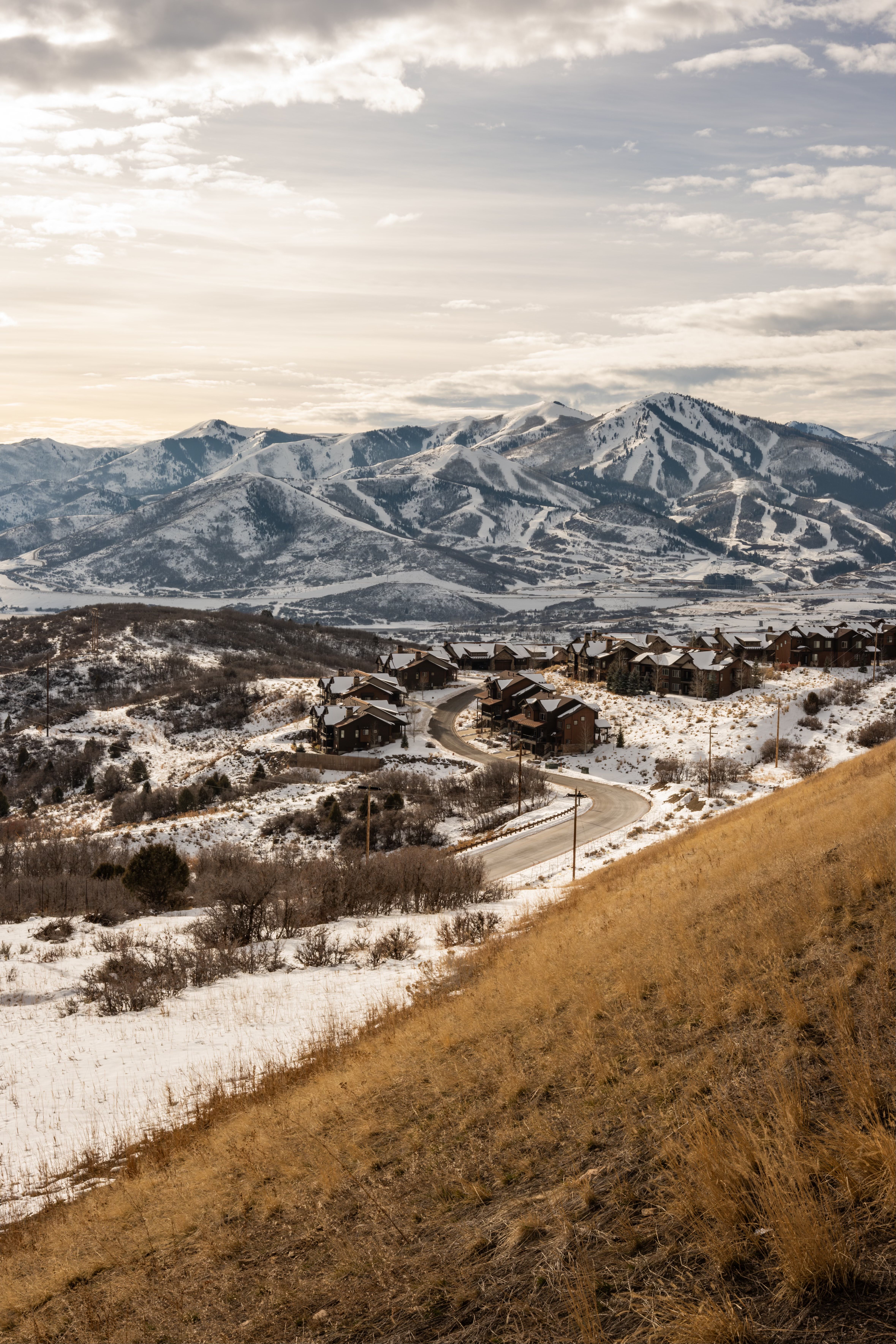
Here's where this gets practical for buyers: two homes 15 minutes apart can be breathing very different air on the exact same morning. We have neighborhoods down on the valley floor, and we have neighborhoods up on the benches — those elevated areas that climb toward the mountains. During a strong inversion, the top of the haze layer (the inversion ceiling) sits at a certain elevation. Homes above that line can literally be sitting in clean air and sunshine while homes a few hundred feet lower are socked in.
So bench-level neighborhoods, the ones climbing the foothills, often sit higher relative to the worst of the trapped layer than the deep valley-floor spots do. It's not a guarantee — the inversion ceiling moves, and on the very worst multi-day events it can swallow the benches too. The other piece: the entire Wasatch Front is not one airshed. Salt Lake County, Davis County, Utah County, and Weber County each have their own basins and their own monitoring, and on any given inversion day they can land in different color categories. This past January, Salt Lake County dropped into the orange zone first, with Davis and Utah County forecast to follow a day or two later. Elevation and which county you're in measurably change your exposure. This is one of those invisible variables that separates a buyer who did their homework from one who didn't.
What the Research Actually Says
Scientists actually describe the Wasatch Front as a kind of natural laboratory for studying air pollution and health, because our air is genuinely clean most of the year and then inversions slam it in the winter with dramatic, short-term spikes of PM2.5. A study of patients on the Wasatch Front found that asthma risk went up on the very same day PM2.5 spiked — during both winter inversions and wildfire smoke season. The direction of the evidence strongly suggests these short, intense pollution spikes have real, measurable health effects, especially for sensitive groups: kids, older adults, and anyone with asthma or heart conditions.
I also want to be fair about the trend: the air along the Wasatch Front, and across Utah, is dramatically better today than it was back in the 1990s when it was at its worst. This isn't a reason to avoid Utah. It's a reason to buy with your eyes open.
My Advice Before You Buy
Don't shop for a home in summer and forget about it. If you're seriously considering a neighborhood, pull up that PurpleAir map, find a sensor near the actual address, and scroll back to see what it read during January, February, and March. Look at the worst week of the last inversion, not the pretty days you were here touring. That's the real picture of what you'd be breathing in the dead of winter, and it costs you nothing and takes about 90 seconds. Factor elevation and county into your search the same way you'd factor in schools or commute.
Thinking About Moving to Utah? Let's Talk.
Utah is one of the fastest-growing states in the entire country, and navigating the cultural landscape alongside the real estate market takes genuine local expertise. Whether you're considering Salt Lake County, Utah County, Davis County, or further out — finding the right neighborhood for your lifestyle, budget, and long-term goals makes all the difference.
My team and I work exclusively with buyers and sellers navigating the Utah real estate market. We help you cut through the noise, match the right submarket to your specific lifestyle and priorities, and make sure you're buying from a position of clarity — not FOMO.
Book a call with us HERE — free 30-minute consultation
Check out our relocation guide HERE
Scott Steele | HOME@TheUtahReel.com | 801-680-8050 | www.TheUtahReel.com
Subscribe to our weekly newsletter HERE
Categories
Recent Posts