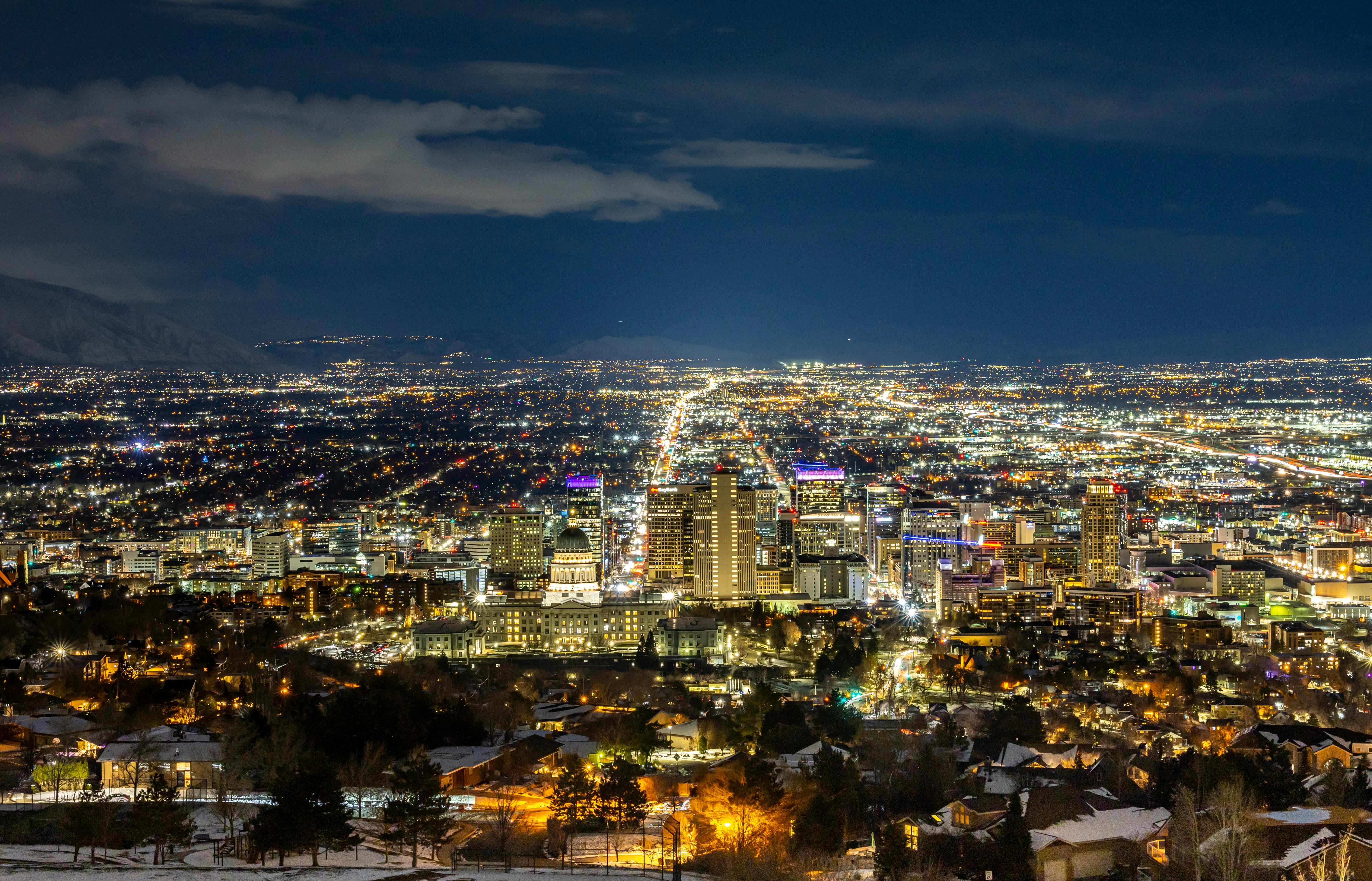
Is Utah Getting Ruined by Overdevelopment?
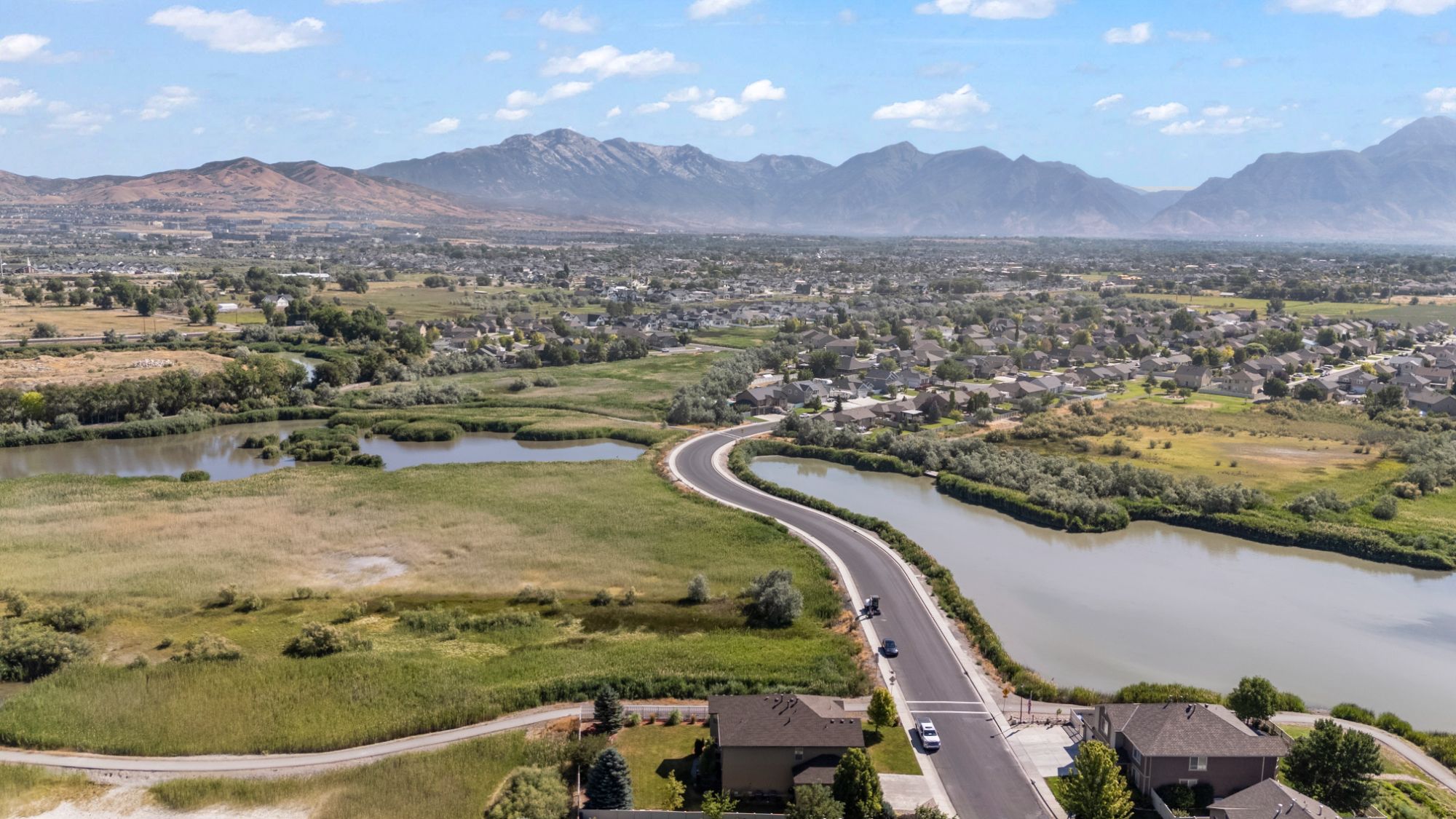
Is Utah Getting Ruined by Overdevelopment?
Somebody reached out to me recently with a question I couldn’t brush off: “Scott, I want to move to Utah, but honestly — did I miss it? Is it already ruined?” I sat with that for a second because that’s the question. The one nobody wants to say out loud at the dinner table while they’re browsing homes online, but everybody’s thinking it.
You’ve seen the headlines. Fastest-growing states in the nation. Tech money flooding in. I-15 traffic turning a 15-minute drive into a 45-minute crawl. New rooftops where there used to be hayfields. And that nagging feeling — am I showing up to the party right as they’re turning the lights off?
Here’s what I’m going to do. I’m going to take that fear — and it is a real fear, I’m not going to pat you on the head about it — and run it through actual data. Population numbers. Traffic infrastructure. Building permits. The stuff the headlines skip. And I’m going to tell you, as the guy who drives these neighborhoods every single day, where the fear is right and where it’s flat-out wrong.
My answer isn’t a clean yes or no. It’s more interesting than that.
The Common Belief — And Why It’s Only Half True
The narrative goes like this: Utah blew up. Everybody moved here for tech. Prices went bananas. The freeways can’t handle it. Developers are paving over everything that made it special. Therefore, you’re too late and it’s getting worse.
Some of that is true. I won’t pretend otherwise — if I told you traffic was fine, you’d close this page because you’ve sat in it yourself.
But here’s the contrarian view: Utah’s problem is not that it built too much. Utah’s problem is that it built too little. The pain you’re feeling — the prices, the competition, the squeeze — that’s not a symptom of overdevelopment. It’s the symptom of underdevelopment finally catching up to a decade of explosive demand. The growth isn’t the disease. The growth ran into a wall we built ourselves.
And here’s why you should trust that framing over a scary headline. The Kem C. Gardner Policy Institute at the University of Utah — the gold standard for this research — has been tracking the gap between how many people are arriving and how many homes are actually being permitted. The numbers tell a specific story that “it’s all ruined” completely misses.
Traffic: Everyone Is Reading It Backwards
Traffic is the thing you feel in your body before everything else becomes real. And yes, there is a stretch of I-15 at the Point of the Mountain — through Lehi and Draper, right through the tech corridor near Thanksgiving Point — that has been a genuine mess. Tech expansion poured jobs and people into that exact corridor, and it showed.
I’m not going to sugarcoat rush hour in Lehi at 5:00 p.m. It’s real. You will feel it.
But here’s where almost everyone gets it backwards. People look at that traffic and conclude: “They’re ignoring it. It’s only going to get worse.” That’s not what’s happening on the ground.
Here’s what’s actually underway:
The Mountain View Corridor — essentially a second north-south freeway running parallel to I-15 along the west side, from Saratoga Springs all the way through Salt Lake County — just opened a major new extension ahead of schedule. That’s a whole alternate spine specifically designed to pull traffic off I-15 near the Point of the Mountain. Projections show it will dramatically cut delays on some of the worst surface roads in the corridor.
The Bangerter Highway interchanges, which used to be stoplights that ruined your evening commute, have been getting converted to free-flowing interchanges — with the last batch wrapping up recently. There’s also an active study to bring light rail through the Point of the Mountain connecting Draper and Lehi, so commuters won’t be forced into a car for that stretch at all.
The 2100 North Expressway in Lehi — connecting I-15 directly to the Mountain View Corridor through the heart of the growth zone — will be a game-changer for the entire corridor when complete.
So the smart move as a buyer? Don’t evaluate a neighborhood’s traffic by how it feels today. Evaluate it by what’s funded and under construction nearby. A house that’s painful to commute from right now, sitting a mile from infrastructure that opens in 18 months? That’s not a traffic problem. That’s a discount you can buy before the relief arrives and the price catches up.
Utah’s track record is clear: when traffic gets bad enough, they build. Sometimes late, sometimes over budget — but they build. Treating today’s congestion as a permanent feature of an address is a mistake. It’s a moving target. And moving targets are where the opportunities hide.
Sprawl: The Wrong Word for What’s Actually Happening
When someone says “Utah is sprawling,” you probably picture endless beige cul-de-sacs, strip malls everywhere, and an hour to get a gallon of milk. Here’s the context that breaks that boogeyman.
Remember the core thesis: Utah’s problem was building too little. Let’s put a number on it. The Kem C. Gardner Policy Institute has pegged Utah’s housing shortage at tens of thousands of units and projected the state needs roughly 150,000 more homes between the mid-2020s and 2030 just to meet existing demand. And in 2024, residential permits actually dropped to their lowest level in years.
So we have a massive shortage — and building slows down. That is the opposite of “they’re paving everything and sprawling too much.”
Because building slowed and the shortage is structural, smart development is shifting. The conversation in Salt Lake City right now is about rezoning neighborhoods to allow more housing types — townhomes, condos, twin homes on lots that used to only allow a single-family house. Those product types already average around $150,000 cheaper than a single-family home in the same area.
What that means for you as a buyer is two real options instead of one. Option A: the established single-family, big-lot neighborhood. More expensive, more competition, but proven and stable. Option B: newer attached product or denser infill housing, often meaningfully cheaper, and often closer to where the new infrastructure is going. A lot of relocation buyers don’t even know Option B exists at the scale it does, because they’re filtering for the same house they had back home.
Sprawl is the wrong word. What’s happening is a state that underbuilt for a decade, now scrambling to add the homes it should have built long ago — and doing some of it as density instead of endless subdivisions, because Utah is geographically constrained. Once you understand that, you stop seeing “they ruined it” and start asking: where is supply finally getting unlocked? That’s where your dollar goes furthest.
There Are Two Utahs Right Now — And Which One You Choose Changes Everything
When people say “Utah is growing,” they say it like the whole state is one thing growing at one speed. It’s not. The growth is wildly concentrated.
The four Wasatch Front counties — Salt Lake, Utah, Davis, and Weber — soaked up roughly 73% of the entire state’s growth in a single recent year. And even within that, just 10 communities welcomed about half of all new residents. Meanwhile, in that same year, around 29 communities actually lost population. Let that sink in. At the exact moment headlines scream “Utah’s exploding,” dozens of Utah communities have actually shrunk.
So which Utah are we even talking about?
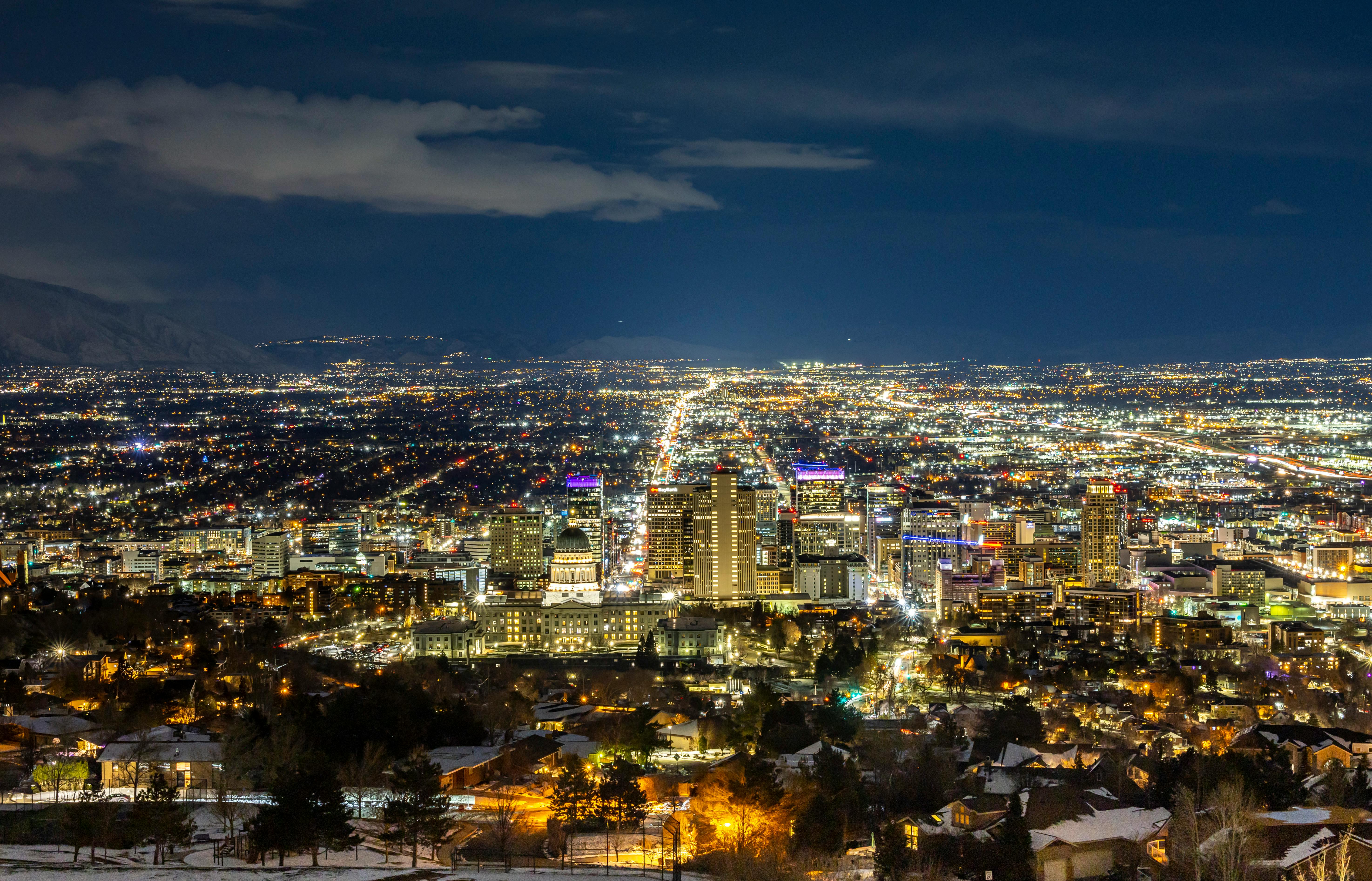
Utah #1 — Mature and Built-Out: Think the established east-side Salt Lake County neighborhoods, Sandy, the older parts of cities that have been there for decades. Prices are high, inventory is thin, competition is real — but it’s a stable, proven market. Some of these places are barely growing at all.
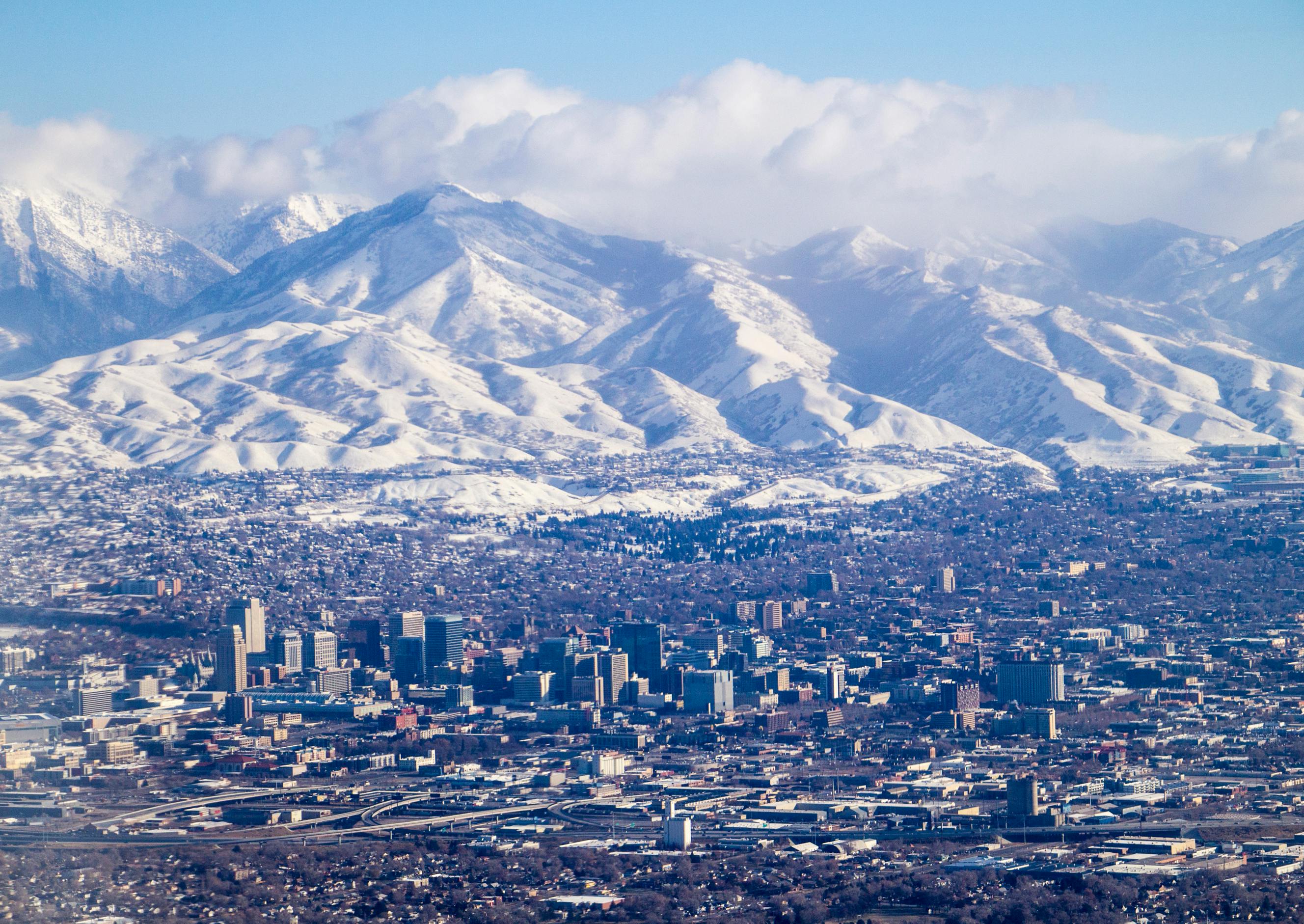
Utah #2 — The Developing Frontier: Saratoga Springs. Lehi. Eagle Mountain. Herriman. South Jordan. Daybreak. Tooele County. These places are posting some of the fastest growth percentages in the state. New rooftops everywhere. Better price-per-dollar. And yes — that’s also where the infrastructure is still catching up, and where the growing pains live.
So when you tell me Utah feels ruined, my first question is: which Utah did you visit? If you drove through a developing frontier submarket at rush hour mid-construction, yeah — it feels like chaos. But that’s a community in its awkward teenage phase, not a finished product. And if you only looked at the established side and recoiled at prices, that’s a completely different complaint with a completely different answer.
“Is Utah ruined?” is the wrong question because there is no single Utah to ruin. There’s a mature Utah and a frontier Utah having opposite experiences at the same time. Your job as a buyer is to figure out which one you actually want — the proven and pricey, or the growing and affordable but requiring patience — and match your money and your nerves to the right one.
The Risk Nobody’s Talking About: Water
Everything I’ve said so far has been talking you off the ledge. Traffic is being addressed. Sprawl is the wrong word. There are two Utahs, not one.
But I promised you honesty. And honesty means telling you about the one thing that actually does worry me — the thing that’s not on most buyers’ radar but should be.
It’s not traffic. It’s not sprawl. It’s water.
Utah is the second-driest state in the country. The Great Salt Lake has been hitting record lows, sitting right next to the state’s biggest population center. When a massive saline lake shrinks, you’re not just looking at a sad postcard. You’re looking at exposed lakebed that can carry toxic dust. You’re looking at long-term questions about the water budget for a region that keeps adding people. This is the genuinely hard, genuinely unresolved issue — and it’s the one that deserves the worry headlines keep wasting on traffic.
Here’s how to actually use that as a buyer:
First, water is now a real line item in long-term property values. It belongs in your decision-making — not as a reason to panic, but as a reason to ask questions. Second, ask about water rights and water sources for any developing area or new construction, especially out on the frontier where growth is fastest. Not every shiny new community has equal footing when it comes to water. Third, pay attention to which municipalities and developments are taking conservation seriously — because that responsibility is going to show up in property values over the next decade the same way energy efficiency did in the past.
The buyers who win in Utah over the next 10 years are the ones who flip the equation: relax a little about the loud stuff (traffic, sprawl), and get smart about the quiet stuff (water). Most people have it backwards.
The Honest Verdict: Is Utah Ruined?
No — but not for the reason that’ll make you feel comfortable. It’s not ruined because the thing you’re calling overdevelopment is mostly underdevelopment finally trying to catch up. The traffic that feels permanent is being actively built around. The “sprawl” is partly turning into denser, more affordable housing options. And the state isn’t one thing getting ruined — it’s two Utahs having opposite experiences simultaneously.
Here’s the quick recap so it sticks:
1. Traffic: Don’t judge it by today. Judge it by what’s funded and coming — that gap is where the deals hide.
2. Sprawl is the wrong word. The real story is a housing shortage finally unlocking, sometimes as density. That’s where your dollar stretches furthest.
3. Two Utahs: Mature and Frontier. Your entire experience depends on matching the right one to your budget and your patience.
4. The real risk is water — not the loud stuff. Be the buyer who asks the right questions about it.
To the person who asked me if they missed it: you didn’t miss it. You’re early to understanding it. Most people are still reacting to headlines. You just spent the last few minutes learning to read the actual map. That’s not too late — that’s ahead.
Some of the smartest relocation buyers I work with right now are deliberately buying into the “awkward teenager” frontier submarkets — the ones that feel a little chaotic and mid-construction today — specifically because that’s where funded infrastructure relief is coming and the price hasn’t caught up yet. The discomfort you feel driving through it now? For the right buyer, that discomfort is the discount. Most people flee it. A few quietly buy into it.
Thinking About Moving To or Within Utah? Let’s Talk.
Utah is one of the fastest-growing states in the entire country, and navigating the growth question alongside the real estate market takes local expertise. Whether you’re considering Salt Lake County, Utah County, Davis County, or further out — the right neighborhood for your lifestyle, budget, and long-term goals is out there. Having the right guide makes all the difference.
My team and I work exclusively with buyers and sellers navigating the Utah real estate market. We help you cut through the noise, match the right submarket to your specific lifestyle and priorities, and make sure you’re buying from a position of clarity — not FOMO.
Book a call with us HERE — free 30-minute consultation
Check out our relocation guide HERE
Subscribe to our weekly newsletter HERE
Scott Steele | HOME@TheUtahReel.com | 801-680-8050 | www.TheUtahReel.com
Categories
Recent Posts