Utah Housing Market 2026: Crash, Boom, or Something Else?

Utah Housing Market 2026: Crash, Boom, or Something Else?
If you have been trying to figure out what is actually happening with the Utah housing market in 2026, you are not alone, and honestly, most of what is out there is not helping. Right now there are two Utah real estate agents on YouTube saying the exact opposite thing. One is telling you the market has already cracked and prices are about to fall. The other is telling you a crash here is basically impossible. The strange part? They are both looking at the same numbers.
So which one is right? Neither of them. The Utah housing market in 2026 is not crashing, and it is not booming. It is doing a third thing that most people do not have a name for, and it is quietly going to decide whether you win or lose on your next move. Let me walk you through what the data actually says, what it means whether you are buying or selling, and the one cost almost nobody is planning for.
Quick note on who is talking: I am Scott Steele, and I lead The Steele Group here in Utah. I have spent years helping people relocate here from California, Texas, the Pacific Northwest, the East Coast, and all over the country. Before real estate, I spent years in construction, home building, and renovations, so I tend to look at homes and at the market a little differently. I am not just reading you a headline, I am looking at what is behind the walls.
So, Is the Utah Market About to Crash?
Let me deal with the crash question head on, because it is why most people are here. The fear is understandable. Prices in Utah have roughly tripled since 2000, and homes that were $400,000 not that long ago are sitting at $600,000 and up. When something climbs that fast, your gut says it has to come down.
And if you go looking, you will find the scary signals. Inventory last summer hit the highest level we have seen in at least seven years, with over 13,000 active listings across the state at the peak, and now we are approaching 15,000. Sales volume has been soft, and some homes are sitting 60, 90, even 120 days. All of that is true.
Here is the tension: if inventory is way up and buyers have pulled back, that is the setup for a crash, right? Except that is not what prices are doing. As of this spring, the statewide median sold price in Utah was still sitting right around $528,000, up about 3.5% from a year earlier. Not down, up. Sellers are still getting close to their asking prices. That is not the profile of a market in freefall.
A real crash needs a cause. The 2008 crash was not caused by high prices, it was caused by bad loans and forced sellers who had no equity and had to dump their homes at any price. Utah in 2026 is almost the exact opposite. The vast majority of Utah homeowners are sitting on serious equity, and a huge share of them are locked into mortgage rates well under 4%. People with equity and a cheap mortgage do not panic sell into a soft market. They simply wait. A market full of people who can afford to wait does not crash, it stalls.
Why Buyers and Sellers Are Both Frustrated Right Now
Here is something that should not even be possible: right now in Utah, buyers and sellers are frustrated at the same time. Usually a market favors one side. Sellers are frustrated because homes are not flying off the shelf, and many are dropping their prices because they listed too high. Buyers are frustrated because even with more homes to choose from, prices have not dropped the way they were promised, and the payment still does not work at these rates.
The reason is something happening under the surface called recycled inventory, or shadow inventory. A lot of Utah sellers listed in the last year at a 2021, top-of-the-market price. Buyers looked and passed, and instead of cutting the price, a huge number of those sellers simply pulled the listing. Nationally, delistings hit near-record levels, and at one point last year, for roughly every 100 new listings, about 20 got yanked back off the market. Utah followed that pattern hard, especially in Salt Lake, Utah, Summit, and Washington counties.
Think about what that does. The sellers who pull their homes are the ones who do not have to sell. Who is left? The motivated ones. That is why prices are holding even though the market is softer, and it is why buyers are not getting the fire-sale deal they were waiting for. This is the single most misunderstood thing about the Utah market in 2026: it is not a strong market and it is not a weak market, it is a thin market, with fewer serious players on both sides circling each other.
There Is No Such Thing as "The Utah Market" (There Are About Six)
If you take one practical thing from this, make it this: there is no such thing as the Utah housing market. When someone tells you Utah is up 3%, that is a statewide average, and averages hide everything that matters. Underneath that one number are markets pulling in opposite directions at the same time. The real question is not "is Utah going up or down," it is "which Utah?"
The Utah County Silicon Slopes corridor (Lehi, Eagle Mountain, Saratoga Springs, up through the point of the mountain) is the growth engine. Eagle Mountain went from about 43,000 people in 2020 to over 70,000 in just four or five years, and Lehi blew past 90,000 and is approaching 100,000 residents. That demand is driven by tech jobs and by remote workers whose paycheck comes from California or Texas but who choose to live here because their dollar goes further. It is a boom pocket sitting inside a flat state.
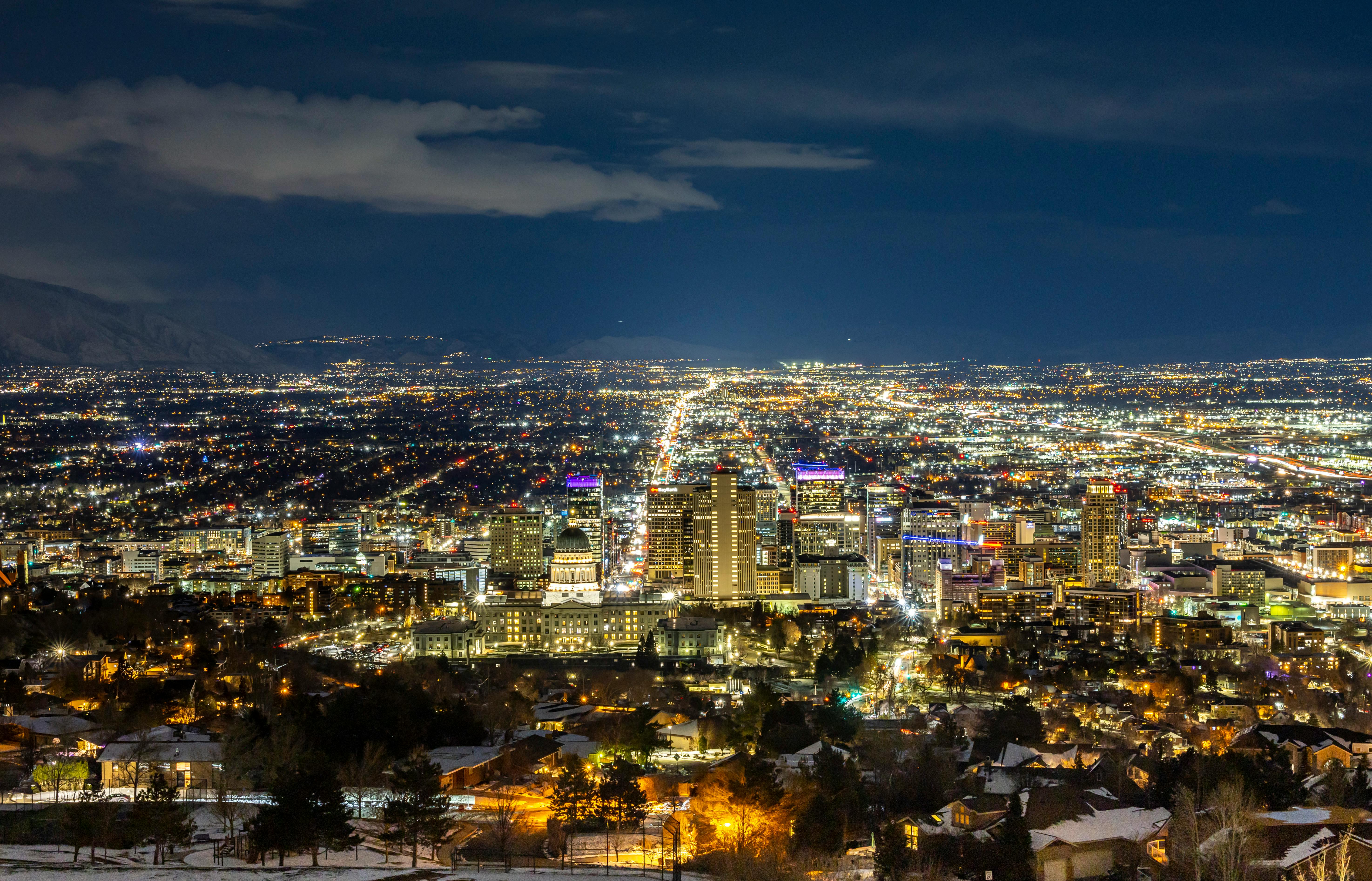
Salt Lake County is more mature and more mixed. Salt Lake City itself got named a national housing hot spot for 2026 on the back of job growth and younger buyers, but within the county there is a huge spread. A foothill home in Holladay or a Draper bench property is a totally different animal than a starter home out west.
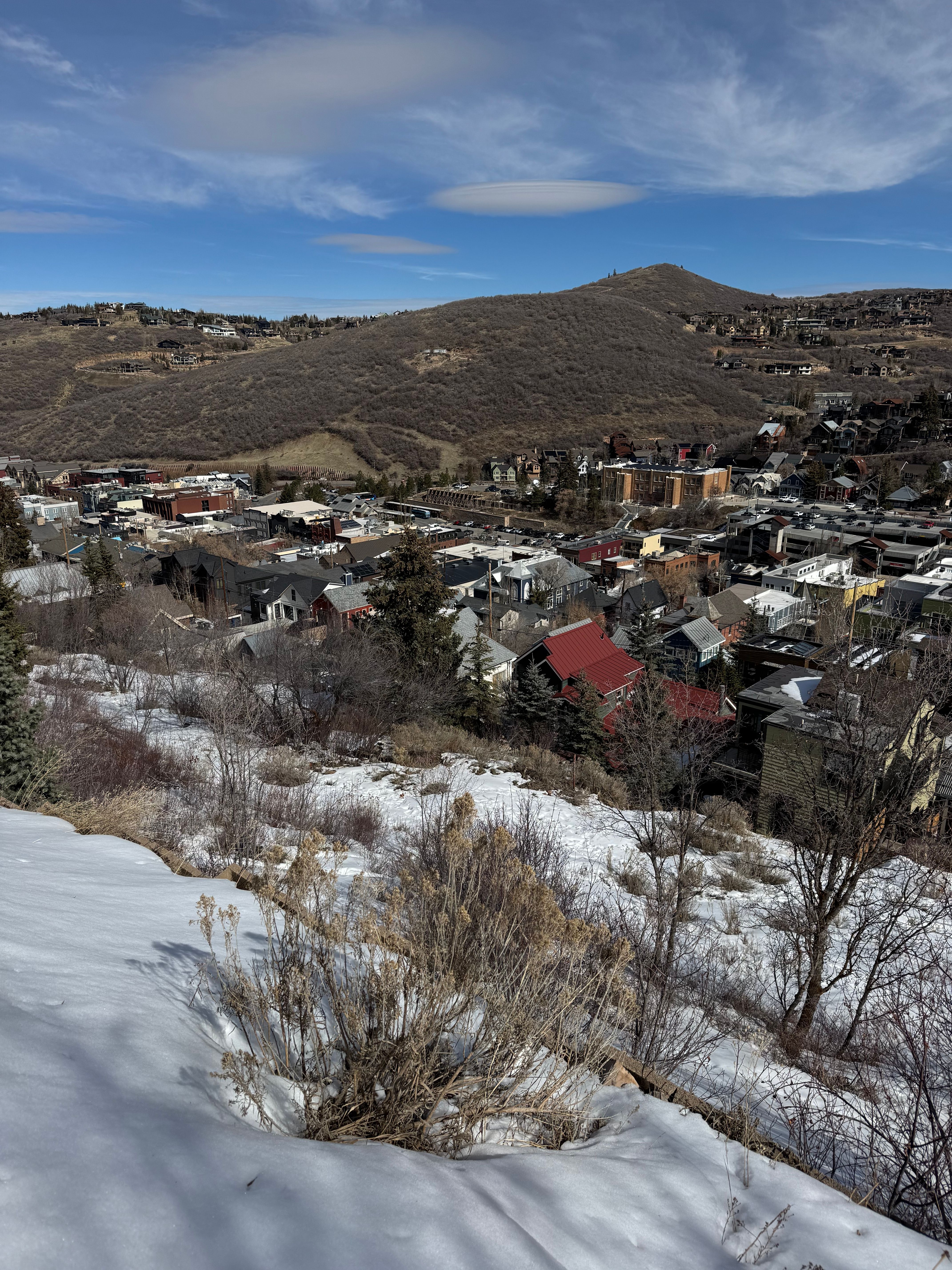
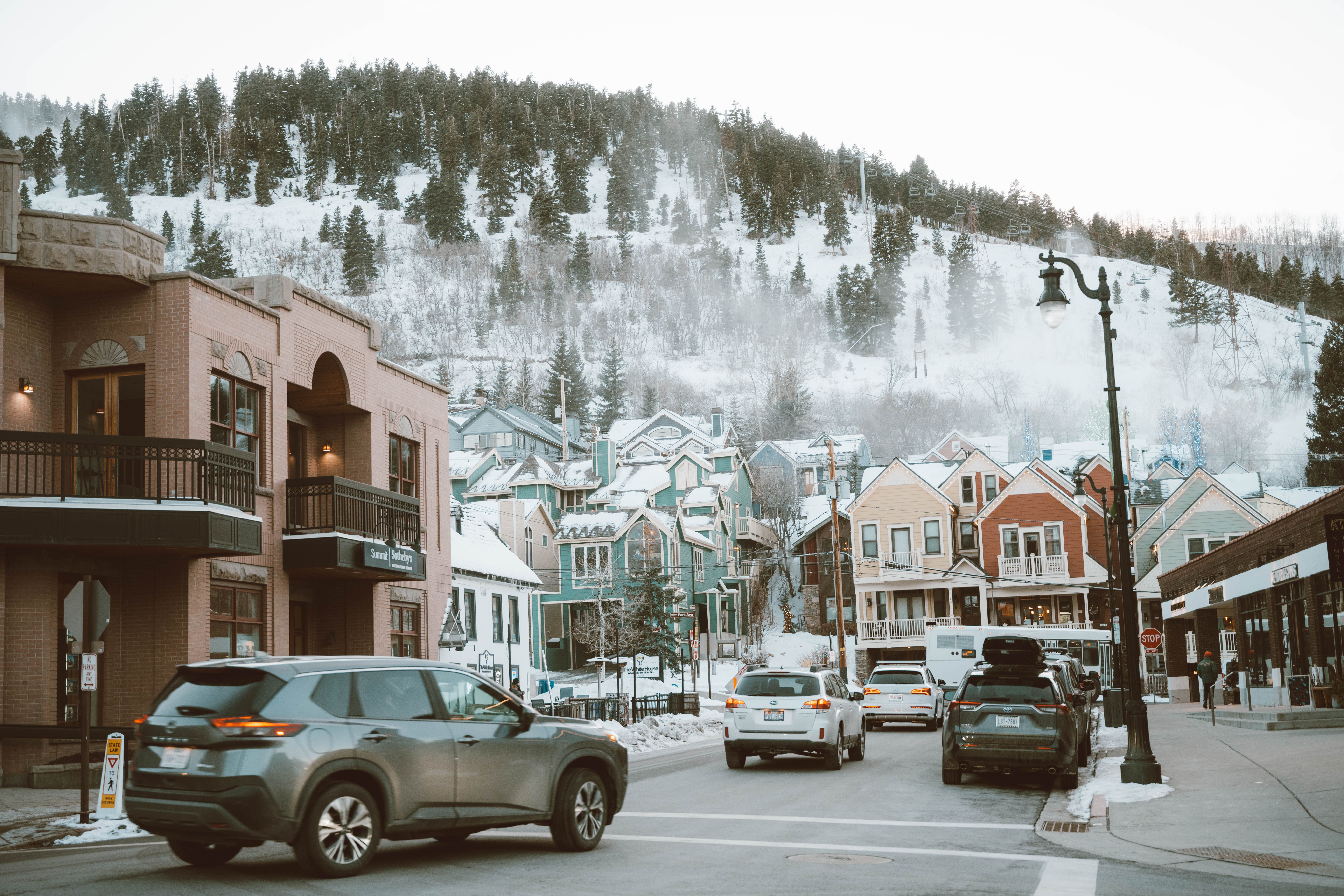
Summit County, including Park City and Deer Valley, is its own planet. It moves on wealth and second-home demand, not local wages, so it barely responds to the mortgage rate story that drives everywhere else. Deer Valley's East Village expansion is adding thousands of skiable acres, which props up a resort market independent of what is happening down in the valley.
The Short List: Where the Risk Is Actually Real
In a split market, not every neighborhood is a safe bet, and being the agent who only ever says "it is a great time to buy" is exactly the agent you should not trust. So how do you tell a neighborhood that is just quiet from one that is actually soft? You do not look at price, because price is a lagging number. You look at the pressure signals.
Here is what I watch: months of supply (statewide we are around three and a half to four months, which is roughly balanced, but some submarkets have pushed toward six or seven, which is buyers-market territory), days on market (under 45 leans seller, 45 to 70 is balanced, over 70 means buyers are in control), and a rising share of listings sitting 30-plus days with no offer alongside growing seller concessions. When all three stack up in the same area, that is a soft pocket.
Who should be careful? If you are buying in a fast-built, high-supply outer suburb, stretching your budget to the limit, and you might need to move again in two or three years, that is the risky combination. Not because Utah is going to crash, but because if you overpay in a high-supply pocket and then have to sell quickly, you can lose money even while the statewide number is going up. I am not saying do not buy. I am saying buy carefully, in a location with real, durable demand, and do not stretch yourself.
The Wildcard Nobody Is Putting in Their Math: Insurance and Wildfire Risk
This last one is the factor almost nobody is planning for, and it is already changing what some Utah homes are worth. It has almost nothing to do with the housing market itself. It is the cost of keeping the home, not buying it: insurance and wildfire risk.
Utah home insurance premiums have jumped roughly 59% since 2021, and some carriers filed 2026 rate increases anywhere from 10% to 35%. On top of that, a new state law, House Bill 48, took effect on January 1, 2026. It rolled out updated wildfire risk maps that put around 60,000 structures across Utah in a high-risk wildland-urban interface zone. If your home falls inside that boundary, you now have a new annual mitigation fee on your property tax bill starting at $20 to $120 and going up from there, and more importantly, you may face higher premiums, tighter underwriting, or in some cases carriers that simply will not write your policy at all.
Now connect the dots. Take two nearly identical homes, same size, same finishes, same views, but one just inside the high-risk boundary and one just outside it. The one inside costs meaningfully more to own every year and may be harder to insure or even sell. Over time, that gap shows up in buyer demand and in resale value. A beautiful home up against the foothills that you cannot affordably insure is worth less than the same home a half mile down the hill.
Here is the free move that costs you nothing: before you get emotionally attached to any Utah home near the mountains or the wildland edge (the Wasatch foothills, a lot of Summit County, and parts of Washington County down south), go to wildfirerisk.utah.gov, type in the address, and see exactly where it falls on the map and what its exposure score is. Do that before you make an offer, not after.
So, Crash, Boom, or Something Else?
Here is your answer. It is not a crash, because Utah homeowners have too much equity and too many cheap mortgages to be forced into a fire sale. It is not a boom, because the frenzy is over and the market is thin. It is a stall with a split underneath it: a flat statewide number hiding a Silicon Slopes growth engine, a stretched affordability edge, a resort market on its own planet, and now a new insurance and wildfire cost that is separating winners from losers house by house and street by street.
The people who win in this market are not the ones who guessed the headline right. They are the ones who understood which Utah they were standing in, did not overpay in a soft pocket, and checked the real cost of ownership before they fell in love. That is the entire ball game.
Thinking About Moving to Utah? Let's Talk.
Utah is one of the fastest-growing states in the entire country, and navigating the cultural landscape alongside the real estate market takes genuine local expertise. Whether you're considering Salt Lake County, Utah County, Davis County, or further out — finding the right neighborhood for your lifestyle, budget, and long-term goals makes all the difference.
My team and I work exclusively with buyers and sellers navigating the Utah real estate market. We help you cut through the noise, match the right submarket to your specific lifestyle and priorities, and make sure you're buying from a position of clarity — not FOMO.
Book a call with us HERE — free 30-minute consultation
Check out our relocation guide HERE
Subscribe to our weekly newsletter HERE
Categories
Recent Posts