What It's REALLY Like Living in Utah as a Non-Mormon
Living in Utah as a Non-Mormon: 5 Realities Every Newcomer Needs to Know
A client called me about three weeks before closing on his Utah home — a great guy relocating from the Bay Area for a software job up at the point of the mountain. He went quiet on the phone and said, “Scott, can I ask you something kind of awkward?” I already knew exactly what was coming. Nine times out of ten, when somebody gets quiet like that before a Utah move, it’s the same single question. He asked: “We’re not religious. Are we going to feel like outsiders here in Utah? Are people going to treat us differently?”
I’ve lived here my entire life, and I’m going to be honest with you in a way that a lot of real estate agents won’t, because they’re scared of saying the wrong thing. The honest answer is: yes and no. There are real, specific things that will feel different to you — and there’s a whole pile of stuff people get terrified about that turns out to be completely overblown. Nobody separates the two for you. You go online and you get one of two versions: either Utah is an oppressive theocracy where you’ll never make a friend, or it’s paradise and anyone who struggles just didn’t try hard enough. Both of those are garbage. The truth is in the middle, and it’s way more useful than either extreme.
So here it is — the real guide to what it actually feels like to live in Utah when you’re not a member of the predominant faith, the Church of Jesus Christ of Latter-day Saints (commonly called the LDS Church or Mormon Church). I’m going to walk you through five realities. Some will make you exhale and relax. At least one will surprise you. And the fifth one is the thing almost every single transplant tells me they wish somebody had told them before they made the move.
First, Let’s Kill the Biggest Myth About Utah’s Religious Demographics
The common belief — the one flooding relocation forums and comment sections — is that Utah is overwhelmingly LDS. That you’re moving into a place where you’ll be one of a tiny handful of outsiders surrounded by a single faith that runs everything. That’s the picture in most people’s heads. But here’s the reality, backed by actual data.
Utah is the most religious state in the country by share of population — the Hinckley Institute at the University of Utah pegs religious adherence at around 76% statewide. But religious is not the same as Latter-day Saints. The LDS share specifically has been sliding quietly for years. A study published in the Journal of Religion and Demography estimated that the share of Utahns who actually identify as LDS members is around 42% — markedly lower than the 60% figure the media was still throwing out as recently as 2020.
There are a few ways to count this, and they give different answers. Church membership rolls count everyone who was ever a member — including people who moved away or stopped attending decades ago — so those numbers run high. Self-identification surveys run much lower. Active weekly attendance is lower still. But the direction is not in dispute: the LDS share of Utah is shrinking, and the non-member share is growing. In large chunks of the state — especially Salt Lake City proper and Salt Lake County — members of the church are now a plurality, not a majority.
What this means for you: you are not some rare exception moving into a monolith. Depending on where you land, you could be in the majority of non-members on your own street. Utah isn’t becoming less religious overnight — it’s becoming more religiously plural. The Church is still the single biggest cultural force in the state by a mile, but it is sharing social space more than it ever has before. Almost all the anxiety people carry into this move is built on a population number that’s a decade out of date.
Reality #1: The Social Layer — Friendship, Belonging, and How to Build Community as a Non-Member
This is the one that’s actually keeping you up at night, so let’s deal with it head-on. In a lot of Utah neighborhoods, the LDS ward — the local congregation — functions as the social operating system of the community. It’s not just church on Sunday. It’s the weeknight activities, the service projects, the casserole when you have a baby, the teenagers who mow your lawn, the built-in friend group for your kids. For members, that infrastructure is incredible — one of the genuinely beautiful things about the culture here.
Here’s the honest part: if you’re not plugged into that system, there can be a layer of community life that’s just happening adjacent to you that you’re not automatically part of. New transplants sometimes describe feeling one degree removed from the default social grid. That’s not paranoia. It’s real. But here’s what nobody tells you: it’s a solvable problem.
The transplants who thrive here — and I’ve watched hundreds of them do it — do a few specific things. They get into the rec leagues, the pickleball courts, the climbing gyms, the trail running groups, because Utah’s outdoor culture is genuinely faith-neutral and massive. They find the other transplants, and there are a ton of them now, especially through the growth corridors of the state. Transplants bond hard and fast over being new to Utah — it’s something you already have in common. And many tell me the single best move was just being a warm, normal neighbor: waving, bringing the trash cans up, saying yes to the block party.
Here’s the thing people get wrong: your LDS neighbors are by and large genuinely lovely and will be absolutely inclusive with you. The friction, when it exists, is usually about social gravity — not rejection. The default activities orbit the ward. They’re not pulling up a drawbridge. Practically speaking: if community matters to you, weight your neighborhood choice toward areas with a high transplant mix, and go in as a giver, not a guest. The people who struggle here are usually the ones who showed up expecting to be recruited into a friend group. The people who flourish are the ones who started the book club themselves, hosted the driveway happy hour, or coached the rec team. Belonging in Utah is completely available to anyone willing to be proactive for about six months. I’d argue that’s true of moving anywhere as an adult.
Reality #2: The Practical Logistics — Sundays, Alcohol Laws, and Week-One Adjustments
Two parts of Utah daily life genuinely feel different to newcomers — and both are far more manageable than the internet makes them sound.
First: Sundays. In a lot of areas, especially the more heavily LDS suburbs, Sunday is quiet. Some local businesses close or run short hours. It’s not statewide and it’s not a law — it’s a cultural rhythm. In Salt Lake City, you’d barely notice it in many neighborhoods. In a smaller Utah County town, you’ll feel it more. Adjustment strategy: do your big grocery run on Saturday, know that trails, canyons, and major chains are open, and plan around it for one month. A lot of transplants come to love the slower Sunday feel — it forces a genuine rest day.
Second: alcohol. This is the one everyone’s heard horror stories about, and the rules are genuinely different from most states because the state itself runs liquor sales. But — and this is important — the rules have been loosening steadily for years, and a lot of the scary stuff you’ve read is already outdated. Liquor and wine above a certain strength are sold through state-run DABC stores, not your average grocery store. But grocery stores and convenience stores do carry and sell beer. Restaurants absolutely can serve you a cocktail with your meal. The old “Zion curtain” that partitioned bartenders has been gone for years. As of 2026, the state loosened several additional rules. The trend line is clearly toward normalization.
In reality: you can buy a six-pack at the grocery store, get a cocktail at dinner, and stock a full liquor cabinet. You’ll just make an occasional trip to a state-run store for the hard stuff and carry your ID. That’s the whole adjustment. It’s a mild inconvenience, not a dry county. These logistics generate the loudest complaints online but have the smallest actual impact on daily life once you’ve adjusted. They’re week-one friction, not year-one friction.
Reality #3: Kids and Schools — What Non-Member Families Actually Experience
Utah public schools are on the whole solid and secular — there is no religion taught in the public school curriculum. But the social fabric of a school reflects the neighborhood around it. In a heavily LDS area, many of your kids’ classmates will be members of that faith, and a chunk of their weeknight social life may run through church youth activities. There’s also a specific thing called release time, where LDS high schoolers can leave campus during the day for religious instruction at a building next to the school. Your child wouldn’t participate, but they’d notice classmates coming and going.
The honest concern parents raise is: will my kid feel left out if they’re not part of the dominant group’s social calendar? It’s a fair question, and I won’t wave it away. Here’s how families actually handle it:
First, neighborhood selection matters even more than school ratings here. A higher-diversity, higher-transplant area gives your kid a built-in cohort of other children who also aren’t part of the ward system — that alone solves most of it. Second, lean into the faith-neutral activities, which in Utah is a giant list: club sports, ski teams, robotics, theater, the arts. Utah kids are outdoors and active constantly, and none of that is religious. Third, talk to your kids early and openly about the fact that they’ll be around a lot of people of one faith — frame it as a feature of an interesting place, not a problem. Kids adapt astonishingly fast; the ones who struggle are usually mirroring a parent’s anxiety.
One reframe I give every parent: your kids are going to grow up around people who are statistically very family-oriented, low on many of the risk behaviors you might worry about elsewhere, and generally really kind. A lot of non-member parents end up genuinely appreciating the environment even while keeping their own beliefs — or having no faith affiliation at all. You cannot fix a school’s social fabric after you’ve bought the house. You can choose it on the front end.
Reality #4: The Two Utahs — The Most Important Thing to Understand Before You Choose a Neighborhood
If you only take one thing from this entire post, make it this: Utah as a cultural experience is not one place. The non-member experience in downtown Salt Lake City and the non-member experience in a frontier suburb 40 minutes south can feel like two different states. Same mountains, completely different social weather.
Broadly speaking — and I’m painting with a wide brush, so verify specifics for any given neighborhood — here’s how it breaks down:
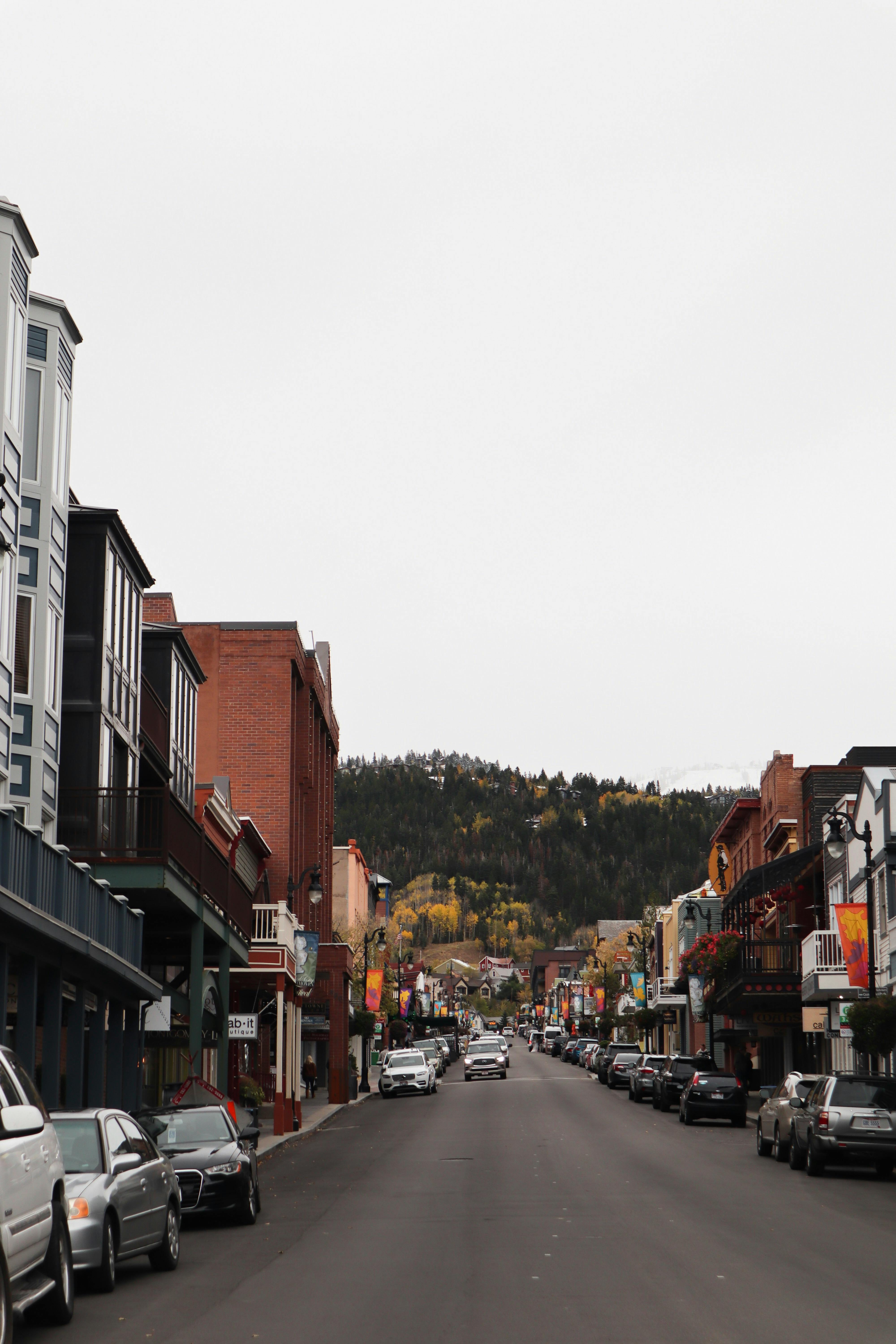
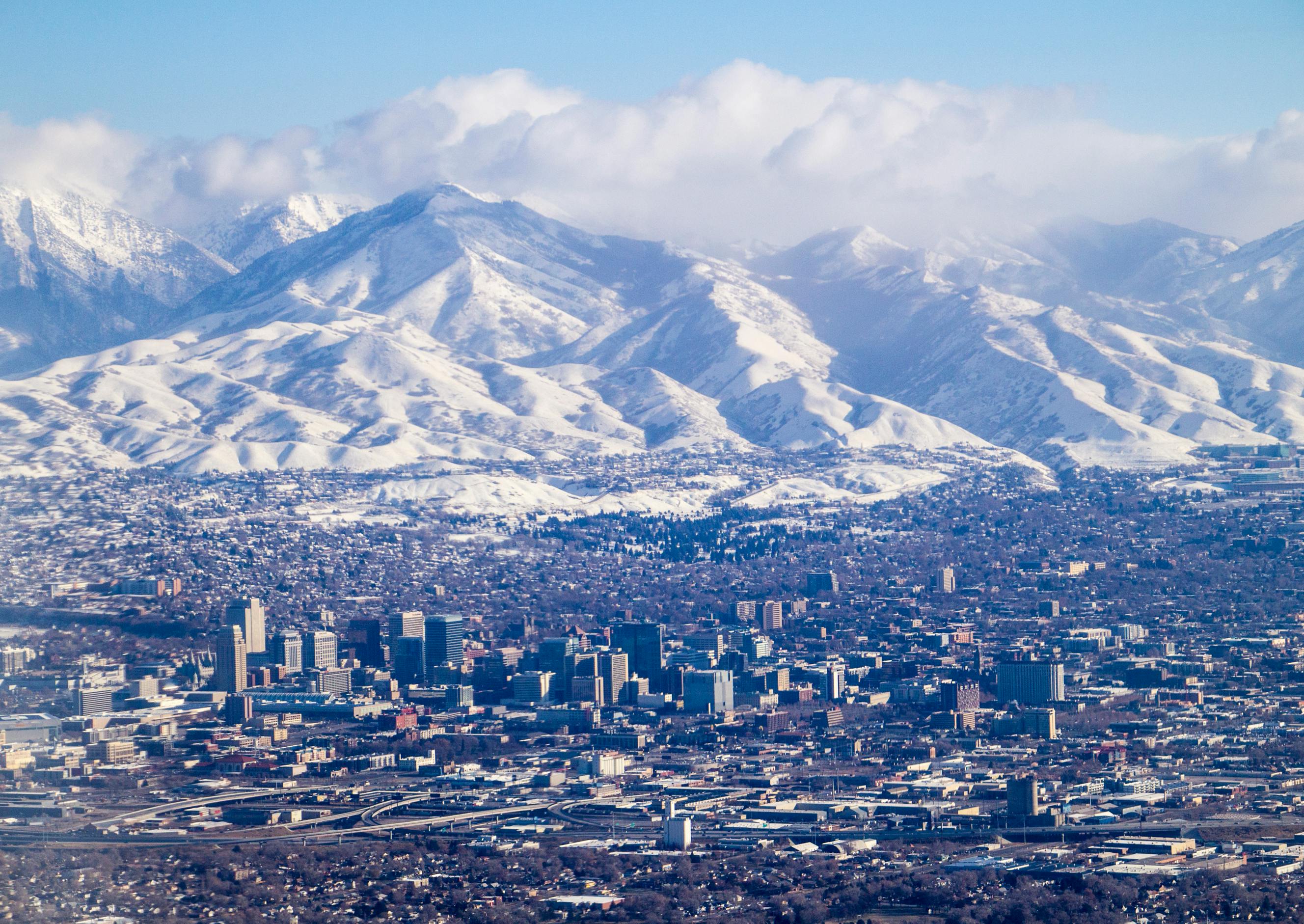
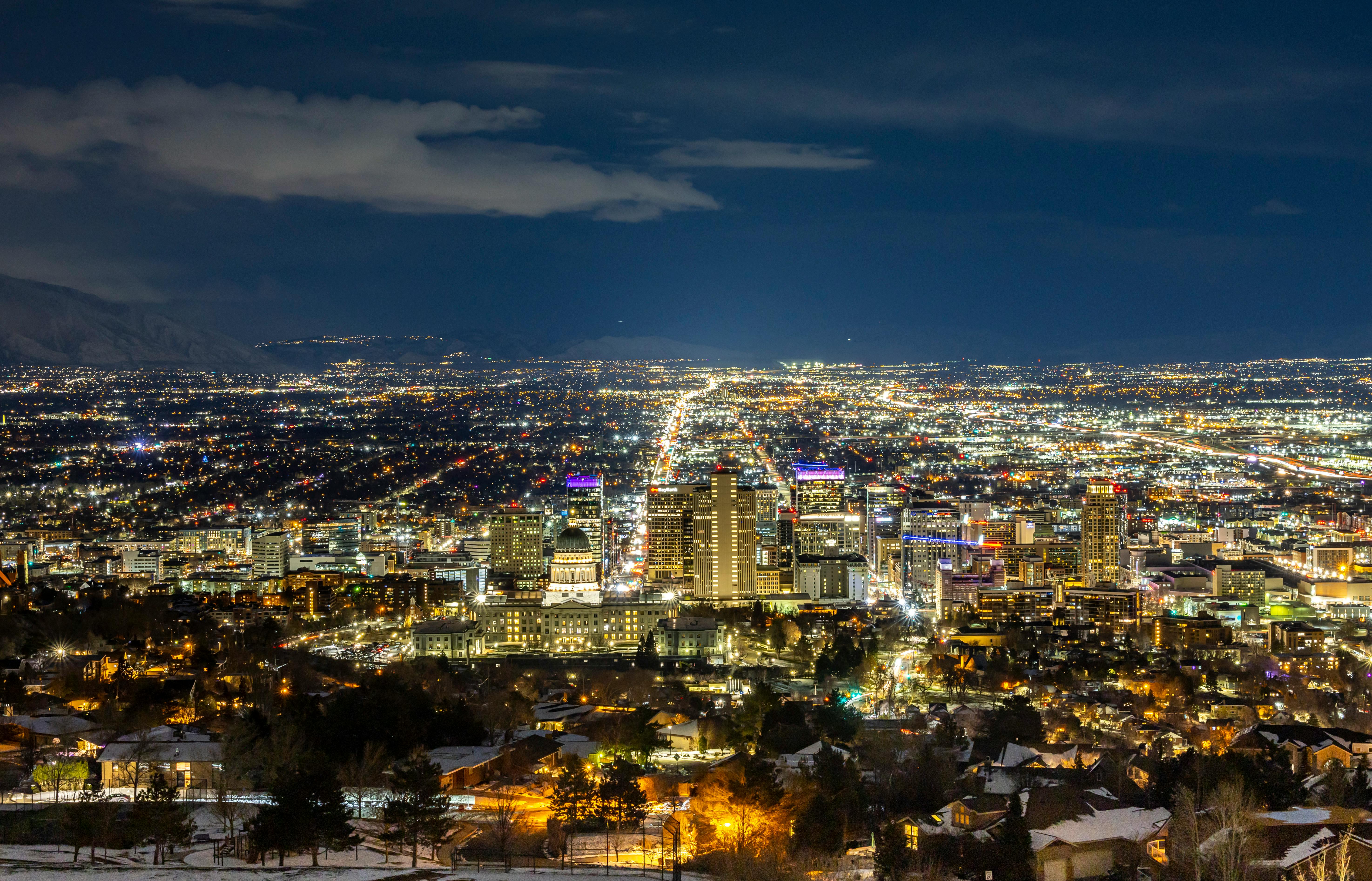
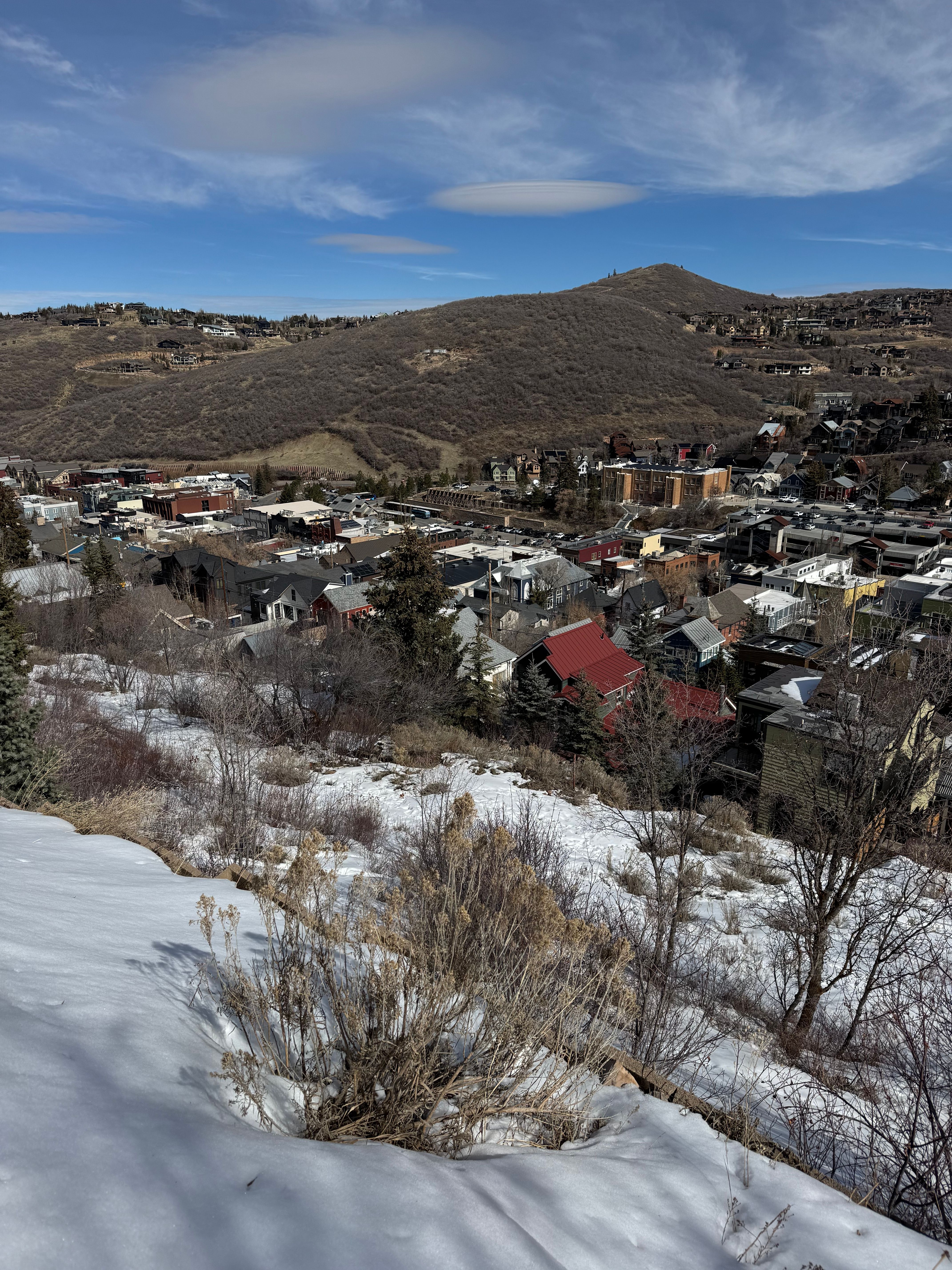
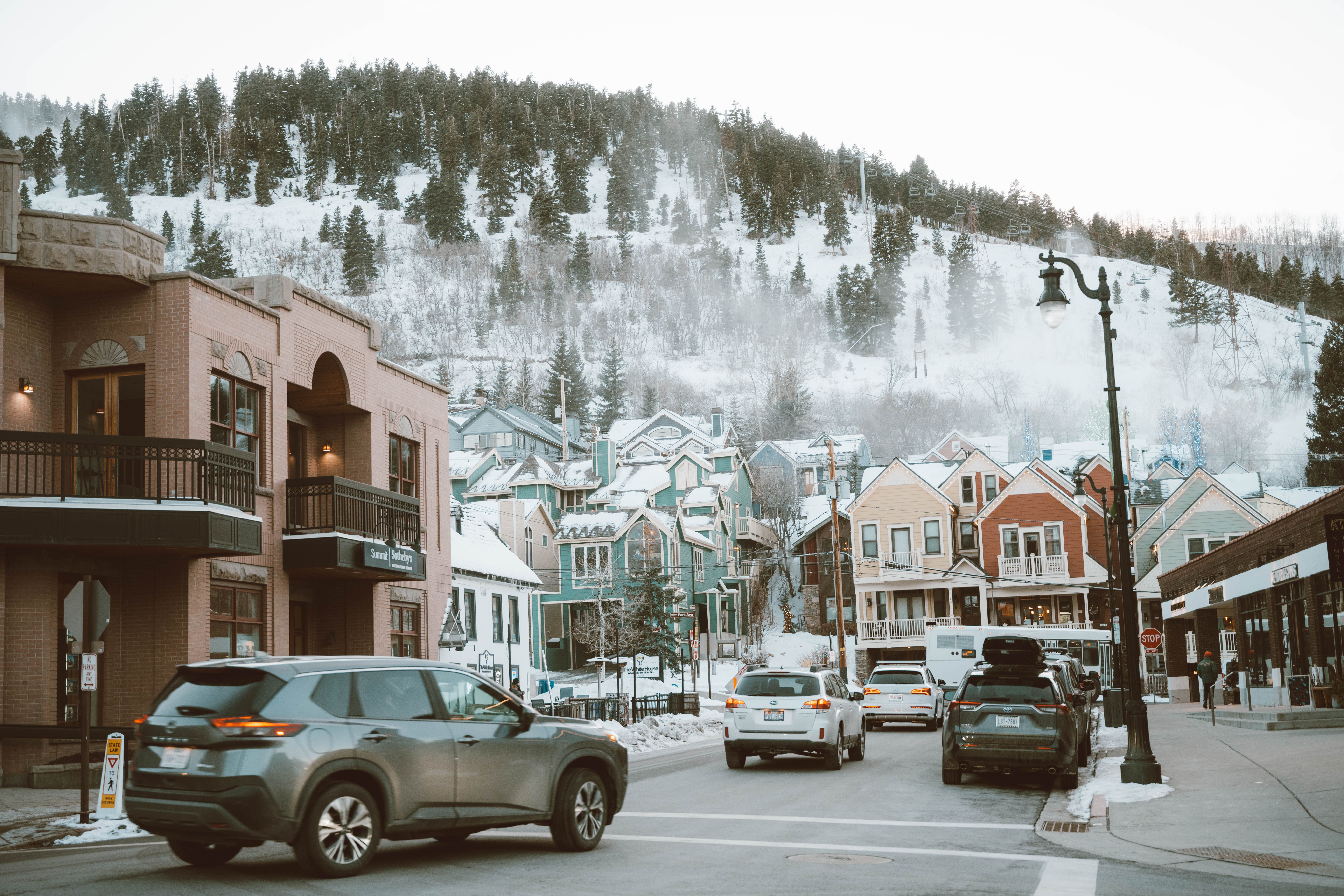
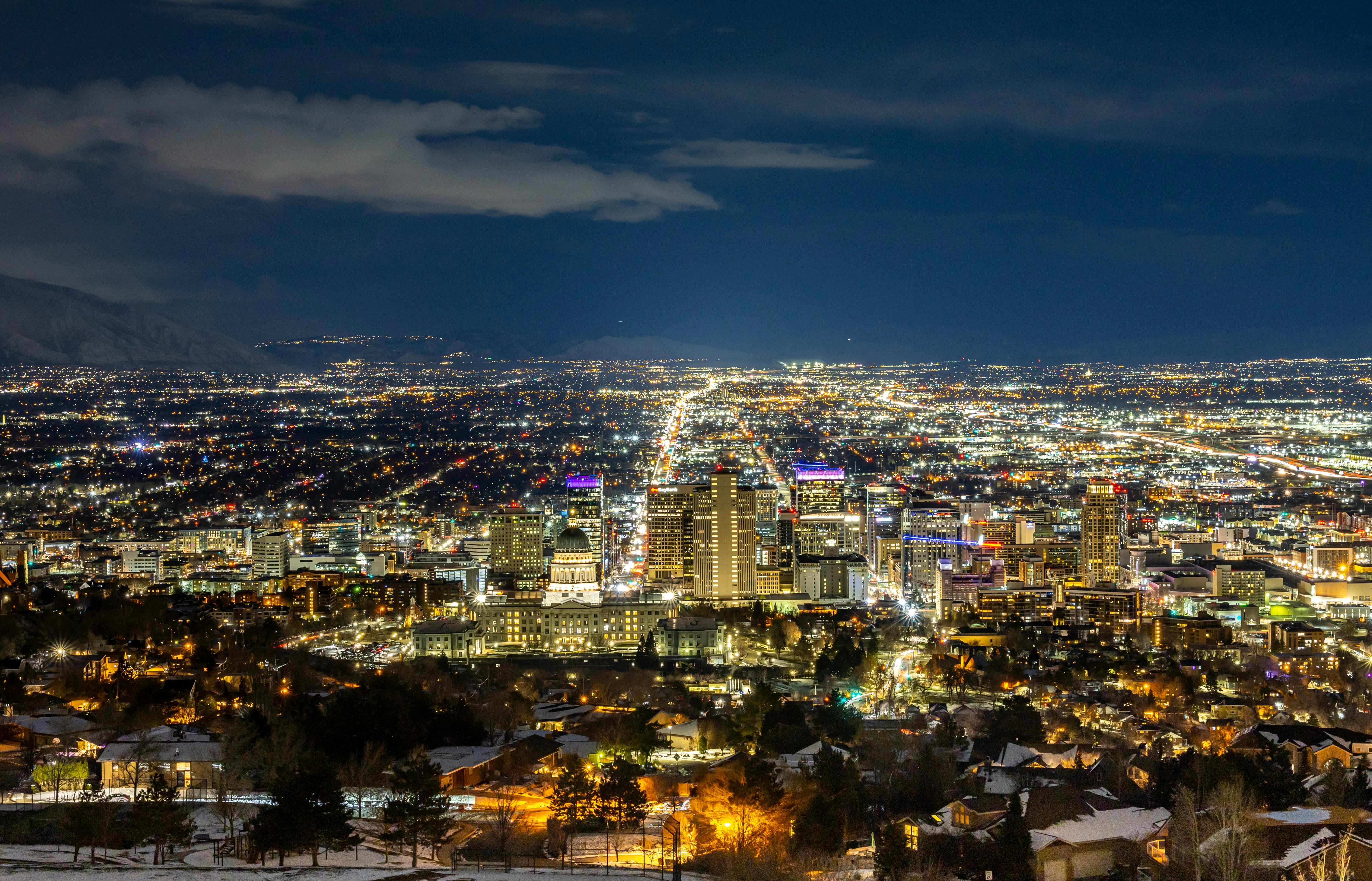
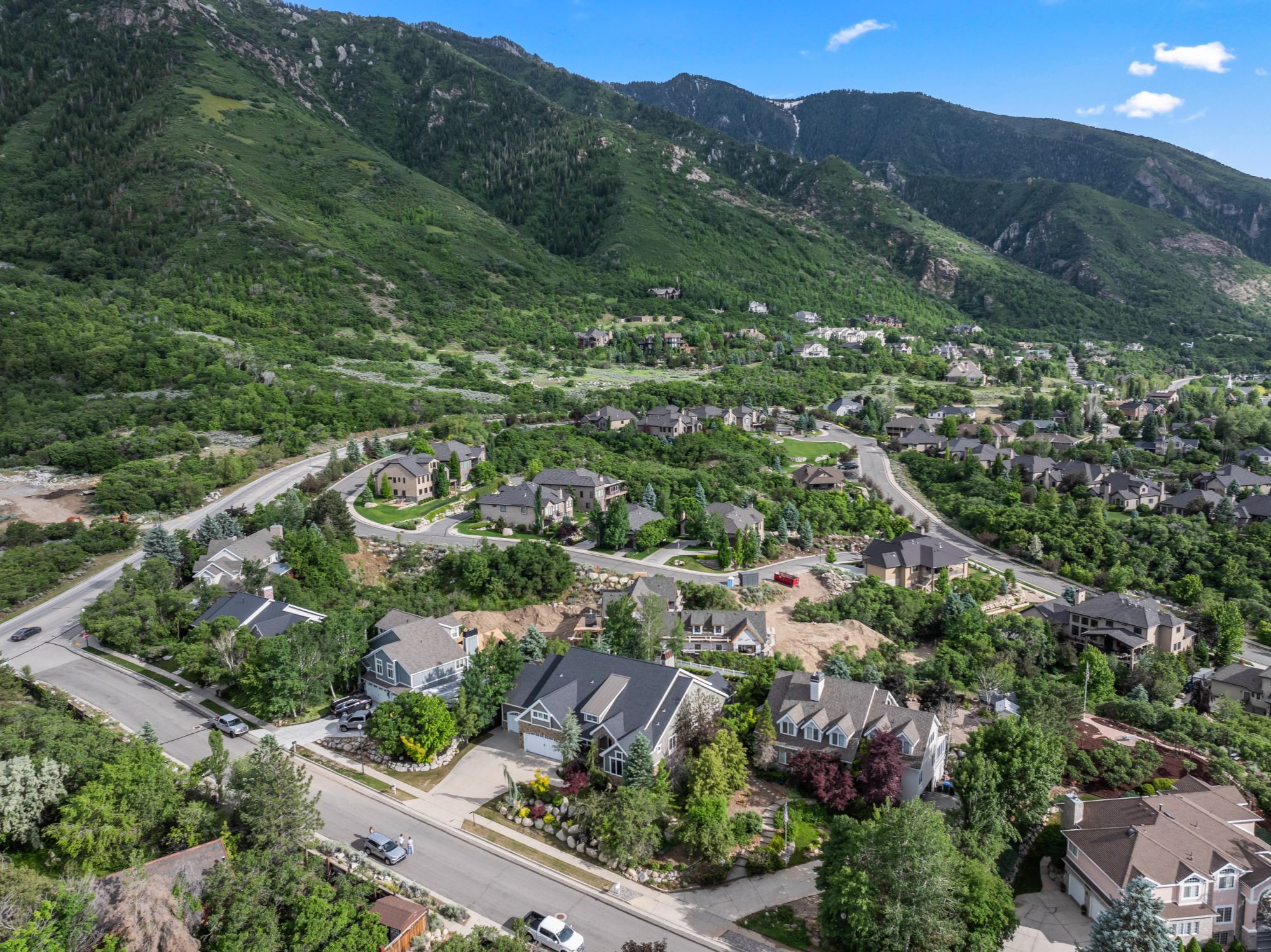
Salt Lake City proper and its close-in east-side communities — the Avenues, Sugar House, Millcreek, Holiday, Cottonwood Heights, and the foothills — skew more religiously mixed, more politically varied, more transplant-heavy, and more like what you’d recognize as a normal midsize American city. Park City over the mountain is its own world entirely: international, resort-driven, very non-member-heavy. As you move further south or into other rural areas, the experience shifts considerably.
Here’s the mistake I see constantly: a family flies in, falls in love with the price per square foot in a brand-new frontier subdivision, buys the biggest house they’ve ever owned, and then realizes six months later that they’re the only non-member family on a street of young families whose entire social life runs through a ward they’re not part of. They optimized for the house and accidentally chose the culture. In Utah, the house and the culture are bundled together far more tightly than in most states.
What to do instead: Decide your cultural fit first, then shop for houses inside that filter. If you want maximum religious mix and walkable city energy, you’re looking at Salt Lake City and east-side communities — you’ll pay more per square foot. If you want resort and international vibes, it’s the Park City side, and it’s more expensive. If you’re comfortable in a more traditional, more religious community, the frontier suburbs offer real value — and plenty of non-members are genuinely happy there too. None of these are wrong, but you have to choose it on purpose. The price difference is real and it’s pushing people toward the frontier, which is exactly why you need to go in with your eyes wide open.
Friends, logistics, schools — every single thing on this list gets easier or harder based on which Utah you pick. Choosing your neighborhood here isn’t just choosing a commute and a price like it is in most places. You’re choosing your daily cultural experience for the next decade. Get this one decision right and the other four basically take care of themselves.
Reality #5: The Surprise — What Almost Every Transplant Tells Me After Year One
Here’s the one nobody sees coming. Almost every non-member transplant I’ve worked with arrives braced for the culture to be the hardest part — and then a year or two in, tells me the culture was never the real story. What surprises them most is how fast it stopped feeling like “us versus them” at all.
They expected to be constantly, daily aware of being an outsider. Instead, they describe mostly forgetting about it within a year. Their kid’s best friend is LDS — non-issue. Their favorite neighbor brought over soup when they were sick and never once asked about their beliefs. The thing they feared turned out to be a background detail, not a foreground reality.
Here’s what to do with that: go in expecting people, not a monolith. The single biggest predictor of whether a transplant ends up happy here isn’t which neighborhood they picked — though that does matter. It’s whether they showed up assuming their neighbors were individuals or assuming they were a faceless religious block. The people who came in guarded, looking for slights, found them. The people who came in open, treating everyone as a person until proven otherwise, almost universally tell me that Utah is the friendliest place they’ve ever lived.
That’s the same state. Completely different experiences. The variable is the posture you bring into it. Say yes to the invitation, even when you assume it’s not for you. Let your kids befriend whoever. Be a good neighbor before you’ve decided whether you’ll be accepted. The warmth here is real, and it is not conditional on conversion. You will be invited to things. The church is genuinely not trying to ambush you at the block party. People are just being people.
You came in asking: “Will I be an outsider in Utah?” The real answer — the one that surprises everyone — is: only for about as long as you decide to be. The culture clash turns out to be more of a culture adjustment: sharp for a few months, then it dissolves into ordinary life faster than anyone expected. The people who are miserable here almost always chose the wrong Utah for their family, and they refused to engage with their neighbors. Fix those two things — the right area and an open posture — and Utah goes from the thing you were most nervous about to honestly one of the best places in the country to build a life. Mountains out your window, low crime, kids who can roam, and neighbors who will show up for you. That’s the reality almost no one expects and almost everybody finds.
The Bottom Line: 5 Realities for Non-Members Moving to Utah
Reality #1: The social layer is real, but completely solvable if you build your community on purpose instead of waiting to inherit one.
Reality #2: The Sunday and alcohol logistics are week-one friction that gets milder every year — not the dry theocracy you were warned about.
Reality #3: Schools are secular and solid, and neighborhood choice does the heavy lifting for your kids’ social experience.
Reality #4: There are two Utahs, and you choose your culture when you choose your zip code — so choose it on purpose.
Reality #5: The thing everyone fears dissolves into ordinary life faster than they ever believed. Go in with an open posture and Utah will surprise you.
Handled right, this is one of the most welcoming places you could ever land. The honest emotional truth? You probably came into this expecting the answer to be “yeah, it’s going to be a little hard and lonely.” The real answer is so much better than that.
Thinking About Moving to Utah? Let’s Talk.
Utah is one of the fastest-growing states in the entire country, and navigating the cultural landscape alongside the real estate market takes genuine local expertise. Whether you’re considering Salt Lake County, Utah County, Davis County, or further out — finding the right neighborhood for your lifestyle, budget, and long-term goals makes all the difference.
My team and I work exclusively with buyers and sellers navigating the Utah real estate market. We help you cut through the noise, match the right submarket to your specific lifestyle and priorities, and make sure you’re buying from a position of clarity — not FOMO.
Book a call with us HERE — free 30-minute consultation
Check out our relocation guide HERE
Subscribe to our weekly newsletter HERE
Scott Steele | HOME@TheUtahReel.com | 801-680-8050 | www.TheUtahReel.com
Categories
Recent Posts