Deer Valley vs Park City Mountain: How to Choose the Right Side Before You Buy
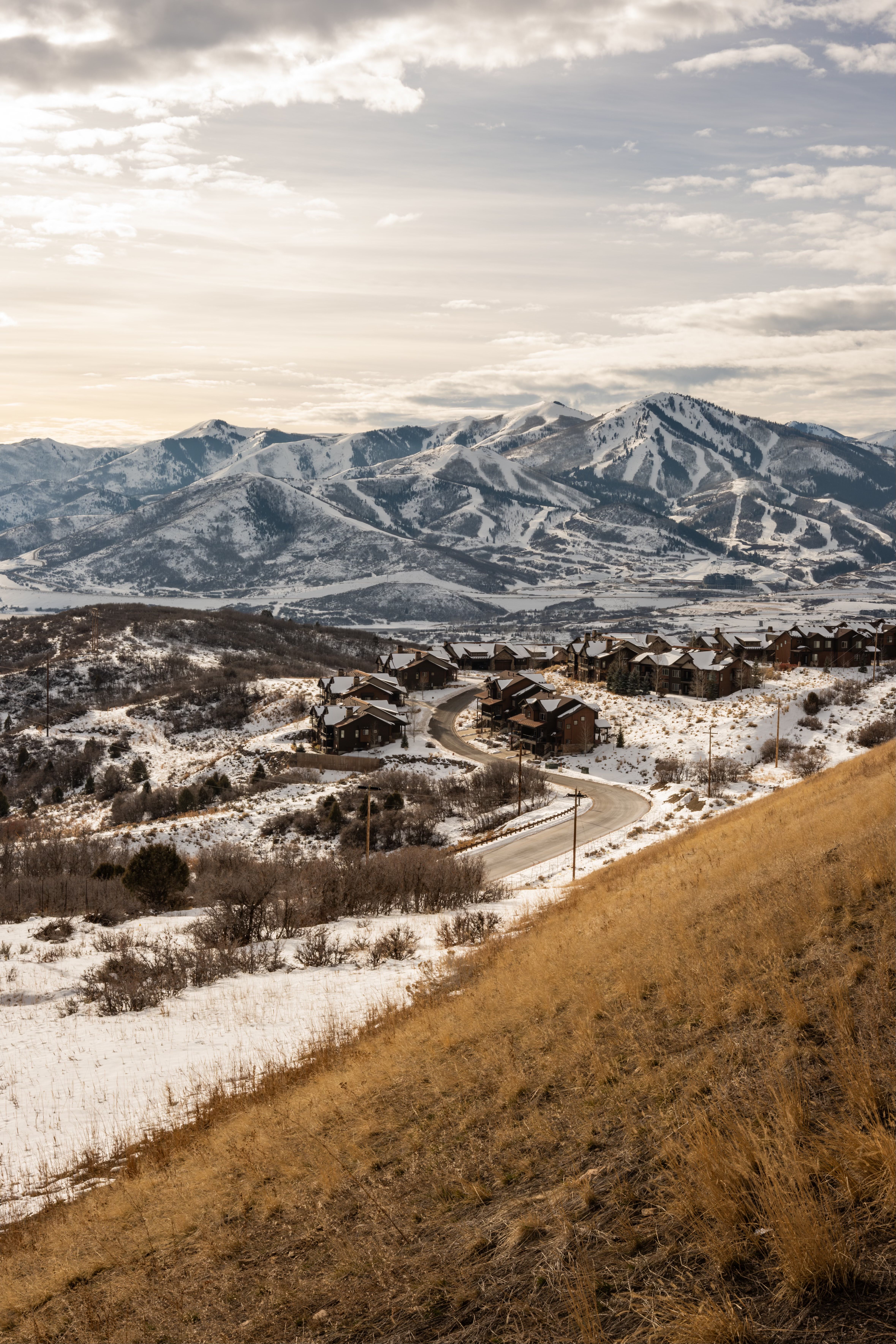
Deer Valley vs Park City Mountain: How to Choose the Right Side Before You Buy
If you're moving to Park City or buying a second home here, the first real decision isn't the house. It's the mountain. Deer Valley or Park City Mountain. Those two sides are a lot further apart than the short drive between them would suggest.
I've watched smart, successful buyers get this wrong. Not because they bought a bad home, but because they bought a great home on the wrong side for the way their family actually lives. At this price point, that's a mistake you feel every winter, and then again when you go to sell.
So here's how I'd lay these two side by side if you were sitting across the table from me: ski access, what each side feels like to live on, the neighborhoods, HOAs, who runs the mountain, and resale. There isn't a better resort here. There's only a better fit for you.
1. Ski Access: "Ski-In, Ski-Out" Doesn't Mean the Same Thing Everywhere
Park City Mountain is the largest lift-served ski area in the country: roughly 7,300 acres, more than 40 lifts and over 340 runs, stretching from Old Town to Canyons Village. Vail Resorts owns it, so it's on the Epic Pass.
Deer Valley is owned by Alterra and is on the Ikon Pass. For years it was the smaller, quieter mountain, and that has changed fast. Since December 2024, Deer Valley has added 11 new lifts pushing east into the new Deer Valley East Village, and this 2026-27 season it sits at around 4,500 skiable acres. One thing hasn't changed: Deer Valley is still skiers only, no snowboards.
Here's where buyers get burned. "Ski-in, ski-out" is the most expensive phrase in Park City real estate, and there's no official standard for it. It's whatever the listing agent decided to type. On the Deer Valley side, true ski access clusters in a few places: Empire Pass, Silver Lake, pockets of Deer Crest and Bald Eagle, and some homes along the runs in lower Deer Valley. On the Park City Mountain side, you'll find it at the base areas, parts of Old Town near the Town Lift, and in communities like The Colony on the Canyons side.
What I have clients do is something I call the walk test. Put your boots on, carry your skis and walk from the garage or mudroom to the snow. Then ski back and see where you actually end up. Do it in January, not on a summer showing. If you need a shuttle in either direction, it's ski-adjacent, which is fine. It just should be priced like ski-adjacent.
2. How Each Side Feels When You're Not Skiing
At Deer Valley, someone takes your skis at the curb and the lodges feel like a good hotel. On busy days the resort has historically limited how many lift tickets it sells. Two of the country's Forbes Five-Star ski hotels are here: the Montage at Empire Pass and Stein Eriksen Lodge at Silver Lake. It's quiet on purpose.
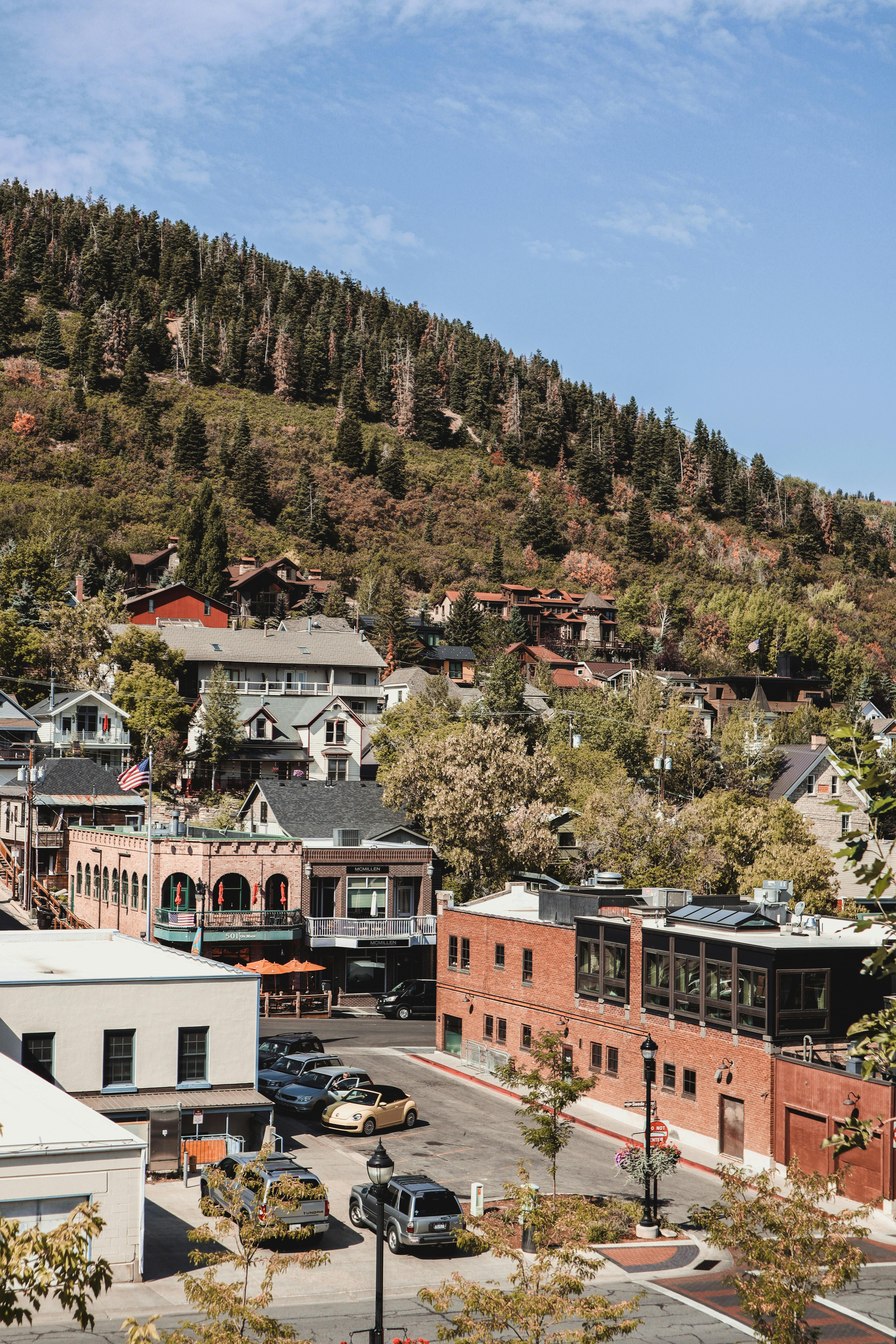
On the Park City Mountain side, the Town Lift drops you practically on Main Street. You ski down, click out and walk to lunch. Canyons Village has its own plaza, restaurants and energy. It's a big resort woven into a real town.
Something that feels perfect for a week of vacation can feel very different when you live with it. Some Deer Valley owners tell me it's exactly the calm they wanted; others, especially families with teenagers, say it's quiet in a way that isn't always a compliment. And Main Street energy is wonderful right up until Christmas week, when the lift line runs past the bottom of the run and you can't find parking in your own town.
Then there's the snowboard question. If you have a teenager who rides, or grandkids who will someday, Deer Valley's skiers-only rule means part of your family skis somewhere else. For a lot of people that's no big deal. For the buyer who wants three generations on the same chair, it can be the whole decision.
3. Neither Resort Is a Single Market
Saying you want to buy in Deer Valley is a bit like saying you want to live in Manhattan. Great, but where?
Lower Deer Valley and Snow Park are closest to town, with a lot of condo stock built in the '80s and '90s, easier winter driving and a lower price of entry. Silver Lake is mid-mountain and the walkable heart of the resort. Empire Pass is up top with newer construction and some of the highest-priced ski property in the state. Because it's higher, it gets more snow, which is a feature on your skis and a maintenance factor on your roof. Deer Crest and Bald Eagle are gated and private.
Deer Valley East Village is the new base on the Jordanelle side off Highway 40. The Grand Hyatt opened in late 2024, a Four Seasons is slated, and the plan calls for more than 800 hotel rooms and around 1,700 residential units. It's exciting, and it's also still being built. The East Village Lodge isn't scheduled to open until the 2027-28 season.
On the Park City Mountain side, Old Town is historic, walkable and steps from the Town Lift. The lots are small and steep, and the historic district has its own design review. Speaking as a former contractor, renovating a historic home in Old Town is its own sport: plan for it to take longer and cost more than anybody tells you. Canyons Village is newer and resort-style, mostly condos and hotel residences. The Colony is gated, with large homes and true ski-in, ski-out estates, and it's where a lot of buyers land when they want Park City Mountain access with Deer Valley levels of privacy.
And watch the county lines. Most of Deer Valley and Old Town sit inside Park City limits. Canyons Village and The Colony are in unincorporated Summit County. Deer Valley East Village is in Wasatch County, inside a development authority known as MIDA. Each has its own rules for building, rentals and approvals. Your mailing address may say Park City; your rules might not come from Park City at all.
4. HOAs: The Part You Never See in the Listing Photos
Almost every ski-access home on either side sits inside an HOA, and a lot of them sit inside more than one: a master association, a sub-association, sometimes a club on top. Deer Valley associations tend to be hands-on with architectural review. Up at Empire Pass, the master association handles things like shuttles and snow removal, which is a big reason it feels seamless, and you pay for that every month. On the Park City Mountain side it varies much more. A single-family home in Old Town may not have much of an HOA at all, but the city's historic design review is every bit as particular.
Here's where my construction background earns its keep. The monthly dues aren't the number I worry about. The reserves are. A lot of Deer Valley's older condo buildings are 30 or 40 years old, and roofs, siding, decks, elevators and the boilers that heat the driveways all come due eventually. If the association hasn't been saving, the bill shows up as a special assessment. Newer buildings at Canyons or East Village don't have that problem yet. They have a different one: no track record.
Rental rules matter even if you never plan to rent, because your future buyer might. Inside Park City limits, nightly rentals carry a combined lodging tax plus city licensing. Unincorporated Summit County has a working group reviewing its rules right now, and East Village falls under Wasatch County and MIDA. Then the HOA can stack its own rules on top, from 30-night minimums to no short-term rentals at all.
Before any client of mine goes under contract on either side, here's what we ask for: the last two years of HOA meeting minutes, the reserve study, the current budget, any special assessments pending or even discussed, the rental rules in writing, and the design guidelines if you plan to change anything. The minutes are where the truth is.
5. Your Biggest Neighbor Is the Company That Runs the Mountain
When you buy on a ski resort, you're making a long-term bet on whoever operates it. Vail says it will have put more than $200 million into Park City Mountain since buying it in 2014, including a new gondola and a new parking structure at Canyons, and Park City approved lift upgrades at the main base this past May, targeted for the 2027-28 season. On the other side of the ledger, owners haven't forgotten the ski patrol strike over the 2024 holidays. Epic Pass economics bring volume, and busy days are busy.
Alterra is investing at Deer Valley at a pace the industry hasn't really seen; Deer Valley calls it the largest resort expansion in ski industry history. But it isn't finished. If you buy near East Village today, you may live next to cranes for a while, and the finished product may not look exactly like the renderings.
Both sides are also looking at the 2034 Winter Olympics: Park City Mountain is slated for slopestyle, halfpipe, big air and snowboard cross, and Deer Valley for moguls and aerials. That brings global attention, and it also brings traffic and disruption around the Games. Read a resort's master plan the way you'd read a company's annual report, because in a way you're becoming a shareholder.
6. Resale: Who Buys This Home From You Someday?
Almost every buyer I work with at this level asks some version of "Am I overpaying?" It's a fair question, but I think there's a better one: who buys this home from me someday, and how many of those people are there?
Be careful with headlines. In August, Park City closings had a median of 28 days to contract. In the first quarter of this year, the average price slipped 4% while the median rose 5%. Same market, opposite headlines. That's sales mix: a few big sales moved one number and not the other.
Deer Valley resale has real strengths. The brand carries a premium and true ski access there is scarce, especially at Empire Pass and Silver Lake. Per square foot, it generally trades above comparable homes on the Park City Mountain side, and that gap tends to widen the closer you get to the snow. The trade-off is a narrower buyer pool, which at the top can mean a longer wait for the right buyer. Park City Mountain resale draws from a wider pool: Epic Pass families, snowboarders and buyers who want to walk to Main Street. The trade-off there, especially around Canyons, is competition from more inventory and new projects.
New supply is coming to both sides. If you buy a condo in a building that looks like the ten going up around it, your resale someday competes with a developer's sales office. If you own something that can't be recreated, like true ski access, a view nobody can build in front of, or an Old Town lot steps from the Town Lift, scarcity works for you instead of against you.
So before I let any client fall in love with a home on either side, we run three questions:
1. Could somebody build basically the same thing within a mile in the next five years?
2. Would a buyer who skis a different mountain than you still want this home?
3. If the rental rules got tighter tomorrow, would it still sell?
Three good answers and you're probably not overpaying, even if the number makes your stomach turn a little.
So Who Fits Where?
Deer Valley tends to fit you if you want quiet service and polish, everyone in your family skis, and you like an HOA that handles a lot and are comfortable with the rules that come with it. Park City Mountain tends to fit you if you want terrain variety and a real town at the bottom of the hill, there are snowboarders in your circle, walking to dinner matters, or you want a broader buyer pool when it's time to sell.
I wouldn't buy in Deer Valley if your family wants everyone together and some of them snowboard, or if strict design review would drive you crazy. And I wouldn't buy on the Park City Mountain side if holiday crowds would ruin it for you or you're expecting the hotel-level polish Deer Valley is known for. Picking a side of the mountain is the first decision. Get that right and the rest gets so much easier.
Watch the full video here: Deer Valley vs Park City Mountain
Thinking About Moving to Utah? Let's Talk.
Utah is one of the fastest-growing states in the entire country, and navigating the cultural landscape alongside the real estate market takes genuine local expertise. Whether you're considering Salt Lake County, Utah County, Davis County, or further out — finding the right neighborhood for your lifestyle, budget, and long-term goals makes all the difference.
My team and I work exclusively with buyers and sellers navigating the Utah real estate market. We help you cut through the noise, match the right submarket to your specific lifestyle and priorities, and make sure you're buying from a position of clarity — not FOMO.
Book a call with us HERE — free 30-minute consultation
Check out our relocation guide HERE
Subscribe to our weekly newsletter HERE
Categories
Recent Posts