Moving to Utah From Texas: What the Income Tax Headline Leaves Out
Moving to Utah From Texas: What the Income Tax Headline Leaves Out
If you're in Texas and seriously thinking about moving to Utah, you've probably heard the two big ones. Utah has a state income tax and Texas does not, and houses in Utah cost more. Both are true. But if that's all you're looking at, you're making the decision with about half of the math.
I made the video behind this article for my friends moving here from Texas, because it's one of my top feeder markets. My own brother has lived in Texas for the better part of two decades, so I have a real fondness for the people making this move and I want to help you get it right.
What Your Money Actually Buys
Let's get the sticker shock out of the way. The statewide median sales price in Utah was about $530,000 this September. In Salt Lake County, the median single family home was around $645,000 earlier this year and into the summer, and Utah County single family homes have been running right around $600,000. In Texas, the statewide median has been around $330,000 to $340,000, with Dallas-Fort Worth closer to $400,000 and the Austin metro around $415,000 after a big correction.
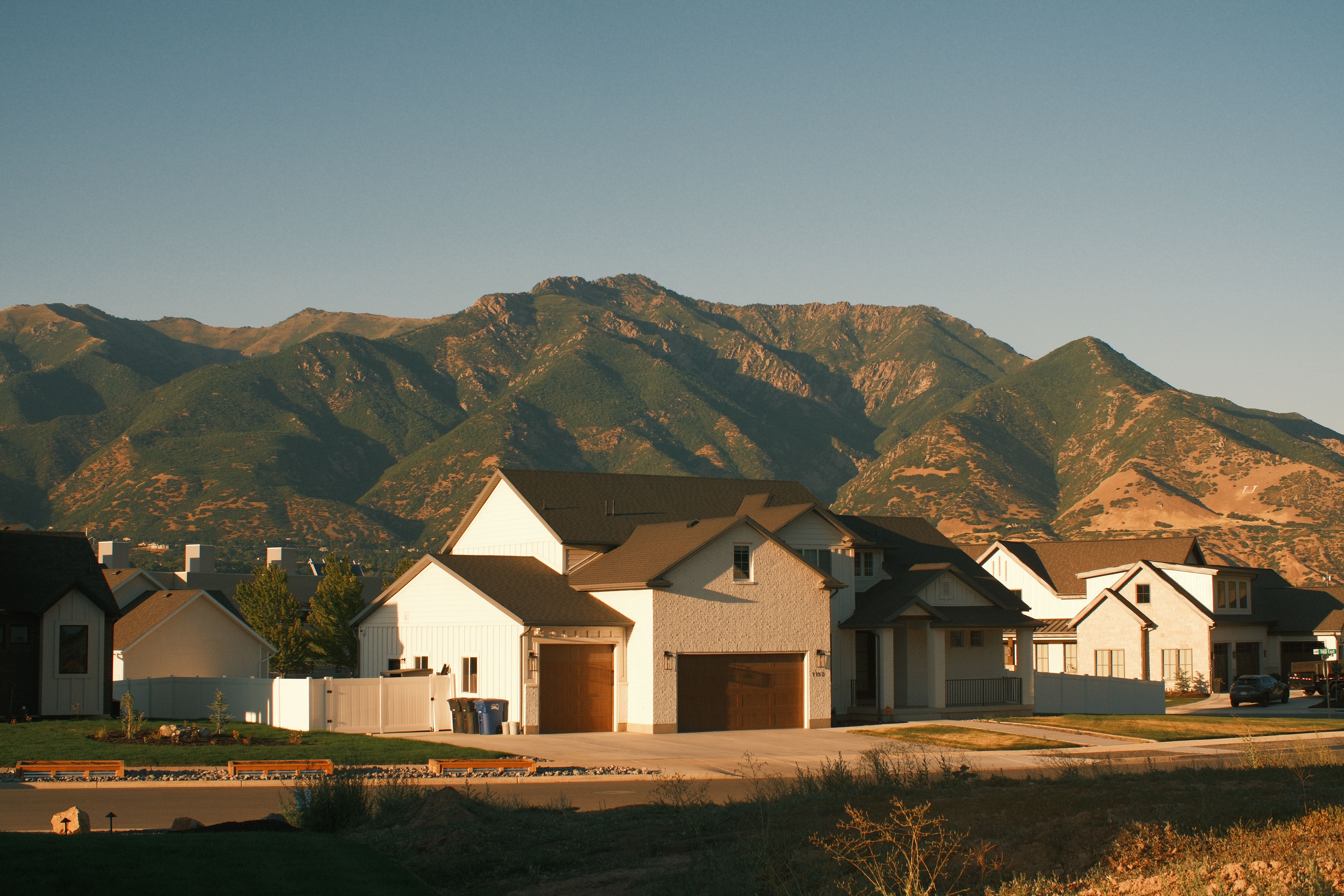
So yes, house for house, Utah costs more. But square footage works differently here. A Utah home listed at 4,000 square feet can feel more like 2,000 when you walk in, because the basement counts. In most of Texas, houses sit on a concrete slab. In Utah, footings have to go below the frost line, which can be 36 to 40 inches deep depending on where you are along the Wasatch Front. Once you're digging that deep anyway, it's cheap to keep going and build a full basement.
My advice: compare above-grade square feet to above-grade square feet. On a rambler or ranch style home, about half of the listed square footage is in the basement. On a two-story, it's on average about a third. You're not always getting less house in Utah. You're getting a different house.
I came to real estate after years in construction, so basements come with a checklist for me. A basement bedroom needs a real egress window with a well that drains. Check ceiling heights, look for water staining along the foundation walls, and test for radon, which occurs naturally in a lot of areas here. A mitigation system isn't a big deal to install, and we usually negotiate for the seller to pay for it. You just want to know before you close, not after.
The Weather Trade
Salt Lake City sits at about 4,200 to 4,500 feet depending on where you are in the valley, and Park City is closer to 7,000. Summers get hot, usually in the 90s, with about 7 to 10 days a year in 100-degree territory. But it's dry, and when the sun goes down it actually cools off. Summer nights are one of the most underrated things about living here.
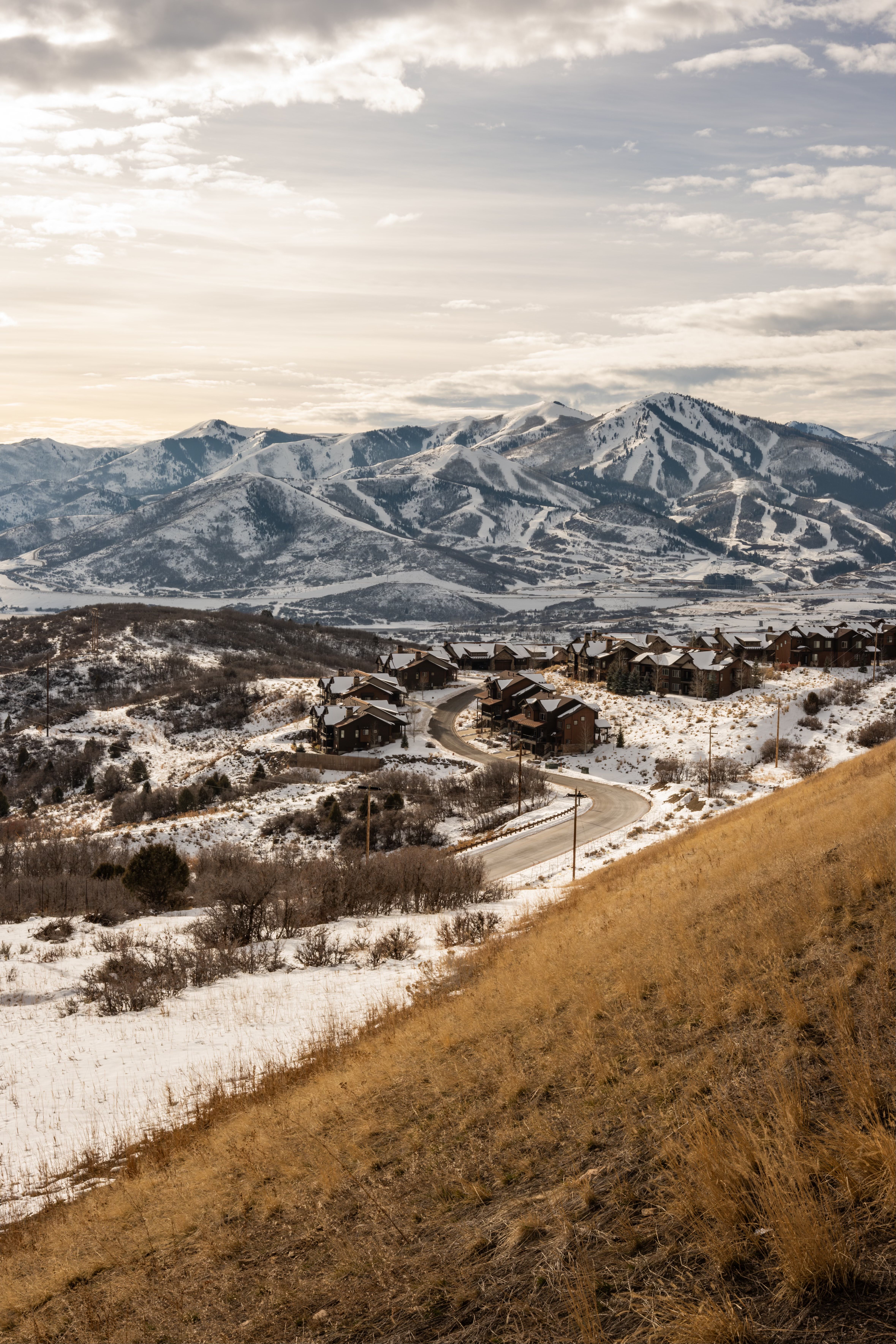
Winter is real. In the valley, most storms melt off within a few hours or a few days, and the higher you go on the benches, the more snow you get. The honest con is inversions: a few times each winter, cold air gets trapped in the valley and you get hazy, gray skies for days. On average we see about 14 to 17 inversion days per season. If anyone in your house is sensitive to air quality, that matters.
Here's a contractor tip. In Texas your house is built to fight heat and humidity, so the AC is the most important system you own. Here the furnace matters more, so check its age on every house you tour, and note which way the driveway faces. A steep north-facing driveway can stay icy for days after a storm. One more note: the Wasatch fault runs along the east side of the valley, and earthquake coverage is a separate policy, so it's worth getting a quote.
The trade is roughly four months of heat you have to hide from versus about three months of real winter and a handful of bad air days. Know which one you are before you buy.
How the Wasatch Front Is Laid Out
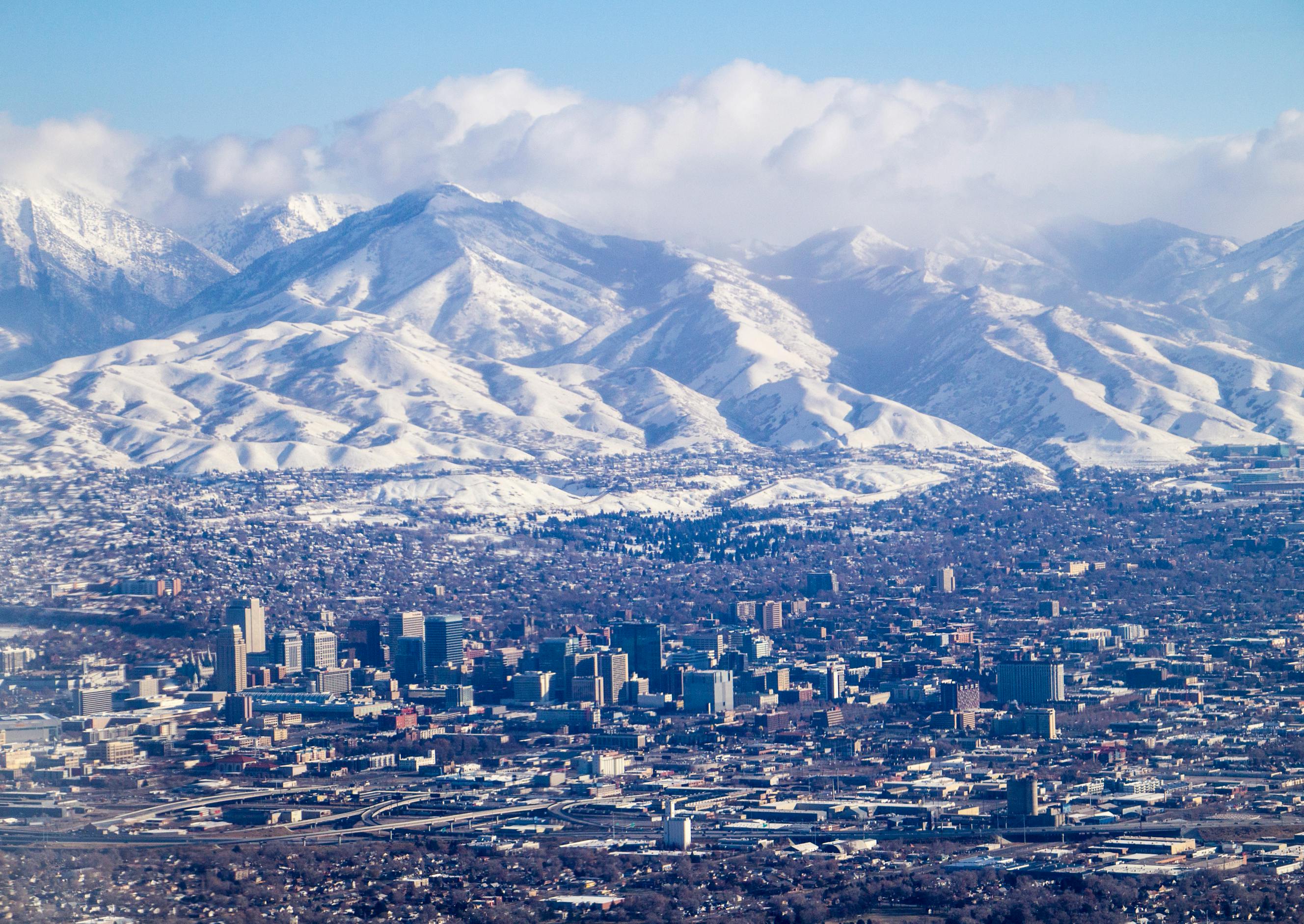
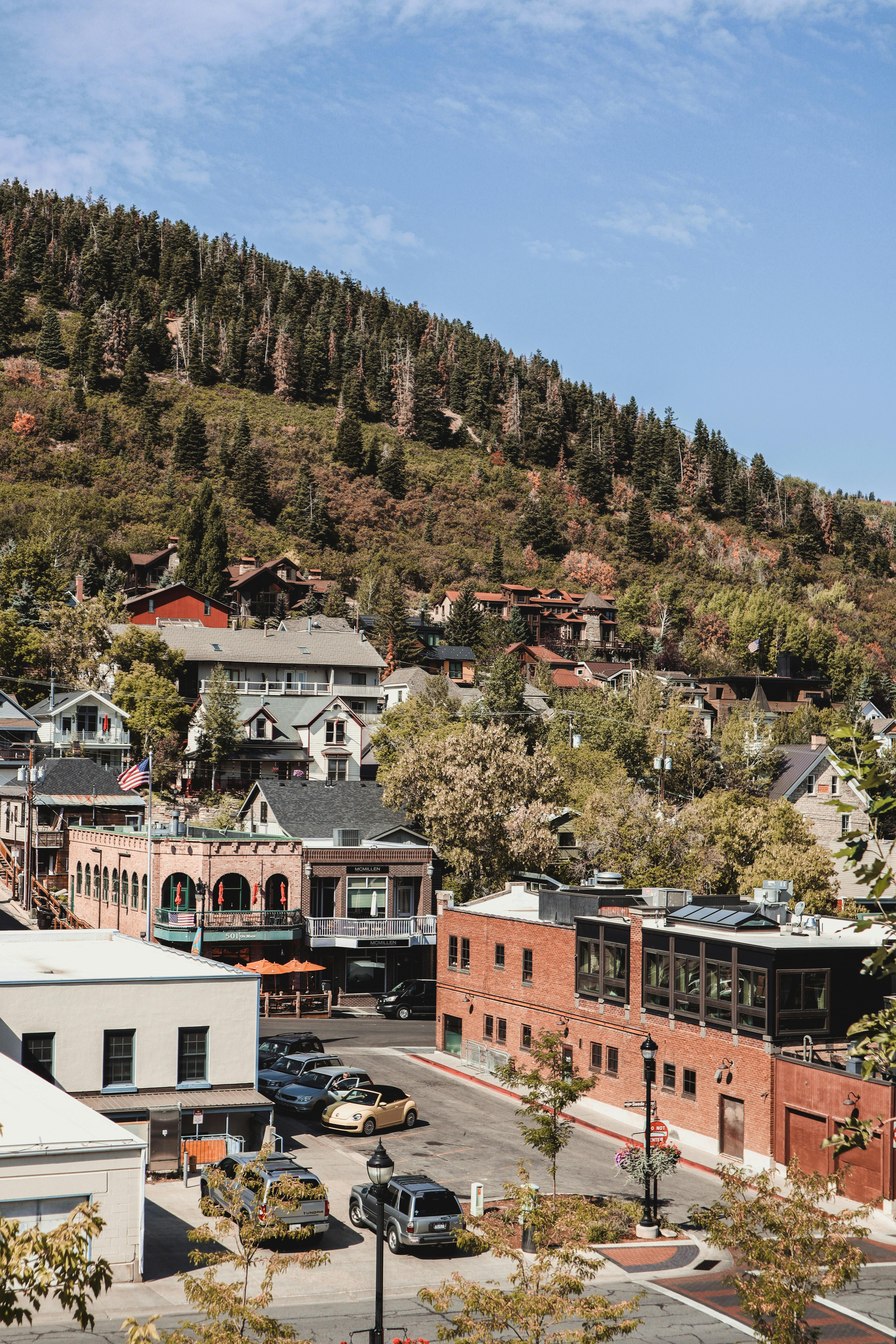
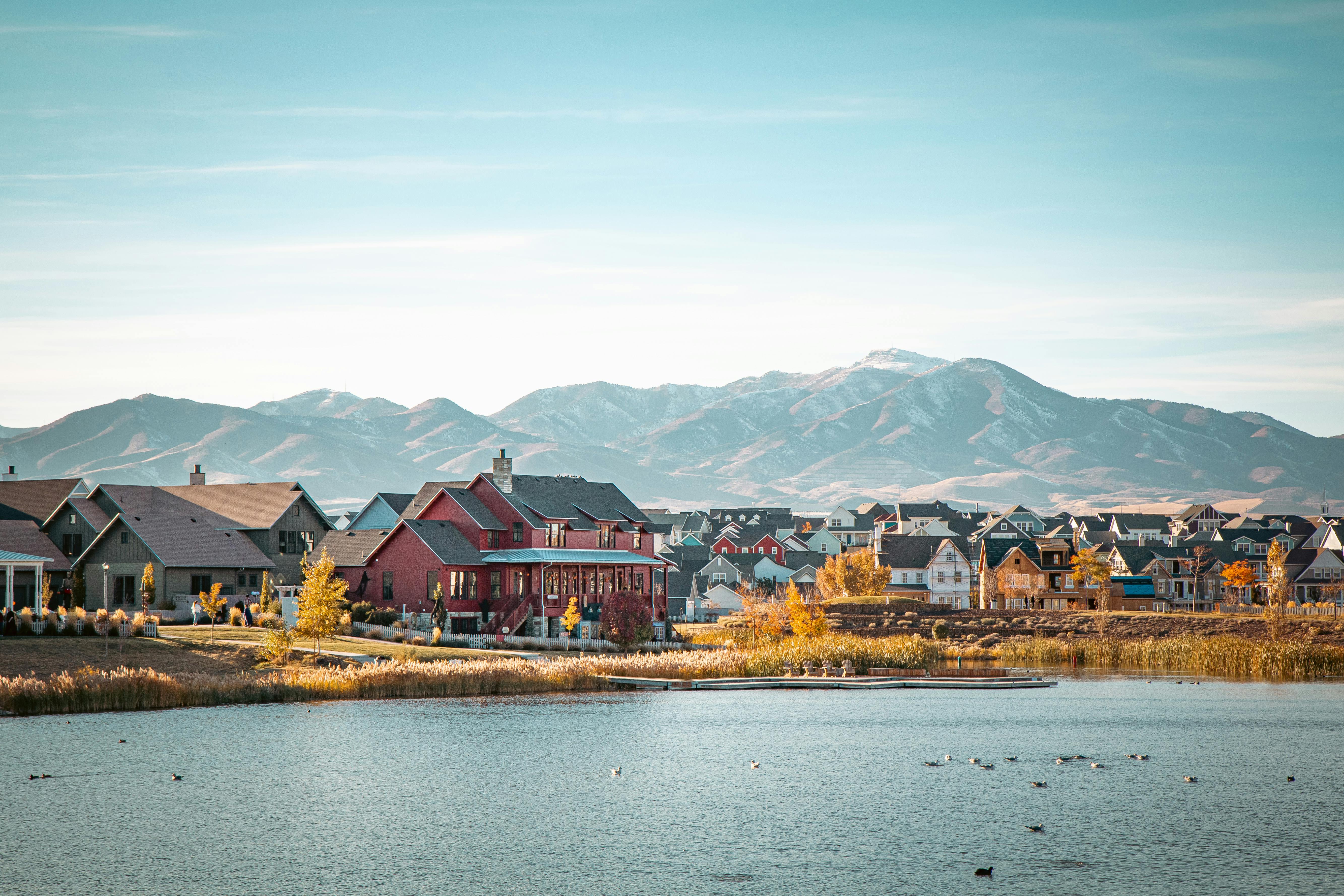
Dallas-Fort Worth and Houston keep going in every direction. The Wasatch Front is a long, narrow ribbon, with mountains on the east, the Great Salt Lake and Utah Lake on the west, and I-15 as the spine. Go about an hour north or south of Salt Lake City and you take in about 2.5 million people. Most commutes run north and south, and the biggest pinch point is the point of the mountain between Draper and Lehi.
I know that stretch well, since I work in Holiday and live in Lehi and make that drive every day. To me it isn't that bad, and it's a temporary problem while new freeways are built in Lehi. Across the valley there's a general pattern too: the east bench tends to have older homes, more slope, quicker canyon access and higher price points, while the west side tends to be flatter with newer construction and more options at lower price points. Neither is better. They fit different priorities.
Two things Texans like to hear: TRAX light rail and FrontRunner commuter rail run from Ogden down to Provo, and you're mostly leaving toll roads behind. In Texas, most people pick the house first and the commute just happens. Here, flip that. Pick your area by your weekly drive, then find the house.
Water Is Part of the Property
In a lot of cities along the Wasatch Front there are two separate water systems: culinary water from your kitchen tap, and secondary water, an untreated pressurized irrigation system just for your lawn and garden. Purple pipes or purple valve boxes are the giveaway. Not every area has secondary water, some areas pay a flat fee, and Utah is moving secondary systems to meters. That cost difference never shows up in listing photos.
Secondary water is seasonal, and before the first hard freeze your sprinkler lines need to be blown out with compressed air. It's a brand new chore for most Texans. When you tour homes, ask four questions: Does it have secondary water? Who provides it? Is it metered? When was the sprinkler system last serviced?
Who Should Probably Stay in Texas
I'd rather lose a client than help someone make a move and regret it, so here's my honest list. If you want a big, brand new house on a big lot at a Texas price, that's very hard to find along the Wasatch Front. If gray winter days wreck your mood or air quality is a real health concern, spend a week here in January or February before you commit. If you love the sheer size of Dallas or Houston, the Salt Lake area is a much smaller metro. And if you're counting on fast appreciation, I would slow down: statewide prices were only up about 2% from a year ago this September, and mortgage rates have been sitting above 7%. That's a steady market, not a rocket.
The Money: Same House, Same Income
Utah has a flat income tax that the legislature has cut six years in a row, to 4.45% for 2026. But Utah's property taxes are among the lowest in the country, because a primary residence is only taxed on 55% of its value. Homeowners insurance in Texas is among the most expensive in the nation, with wind, hail and hurricane exposure priced in, and Utah is a fraction of that.
Take a $550,000 home and a household making $150,000 a year, looking only at taxes and insurance. In a lot of newer Dallas and Houston suburbs, the combined property tax rate runs around 2% or a little more, so even with Texas's $140,000 school homestead exemption you're often looking at $10,000 to $11,000 a year, plus roughly $5,000 for insurance and no state income tax. Call it about $15,700. The same house in the Salt Lake Valley comes to around $3,200 in property tax and roughly $2,200 in insurance, and after credits the total with Utah income tax lands around $11,900. That's close to $4,000 a year in Utah's favor.
Now the honest part. That only works if the house costs the same, and in a lot of Utah $550,000 buys less house than it does outside Dallas or Houston, so a bigger mortgage can eat those savings. Income matters too: at a household income of $300,000, the Utah income tax roughly doubles and Texas wins by a few thousand a year. For this example, the line where it tips back toward Texas sits somewhere north of $200,000 in household income.
My simple rule: if most of your money is tied up in your house, Utah's tax setup tends to work in your favor. If most of your money comes from a big paycheck, Texas usually comes out a little ahead. I'm not a CPA and your situation is your own, but this is the math I run with Texas buyers before they ever tour a house here.
Thinking About Moving to Utah? Let's Talk.
Utah is one of the fastest-growing states in the entire country, and navigating the cultural landscape alongside the real estate market takes genuine local expertise. Whether you're considering Salt Lake County, Utah County, Davis County, or further out — finding the right neighborhood for your lifestyle, budget, and long-term goals makes all the difference.
My team and I work exclusively with buyers and sellers navigating the Utah real estate market. We help you cut through the noise, match the right submarket to your specific lifestyle and priorities, and make sure you're buying from a position of clarity — not FOMO.
Book a call with us HERE — free 30-minute consultation
Check out our relocation guide HERE
Subscribe to our weekly newsletter HERE
Categories
Recent Posts