Utah's Fastest Growing Cities, Ranked: Where I'd Buy, Where I'd Be Careful, and Where I'd Wait
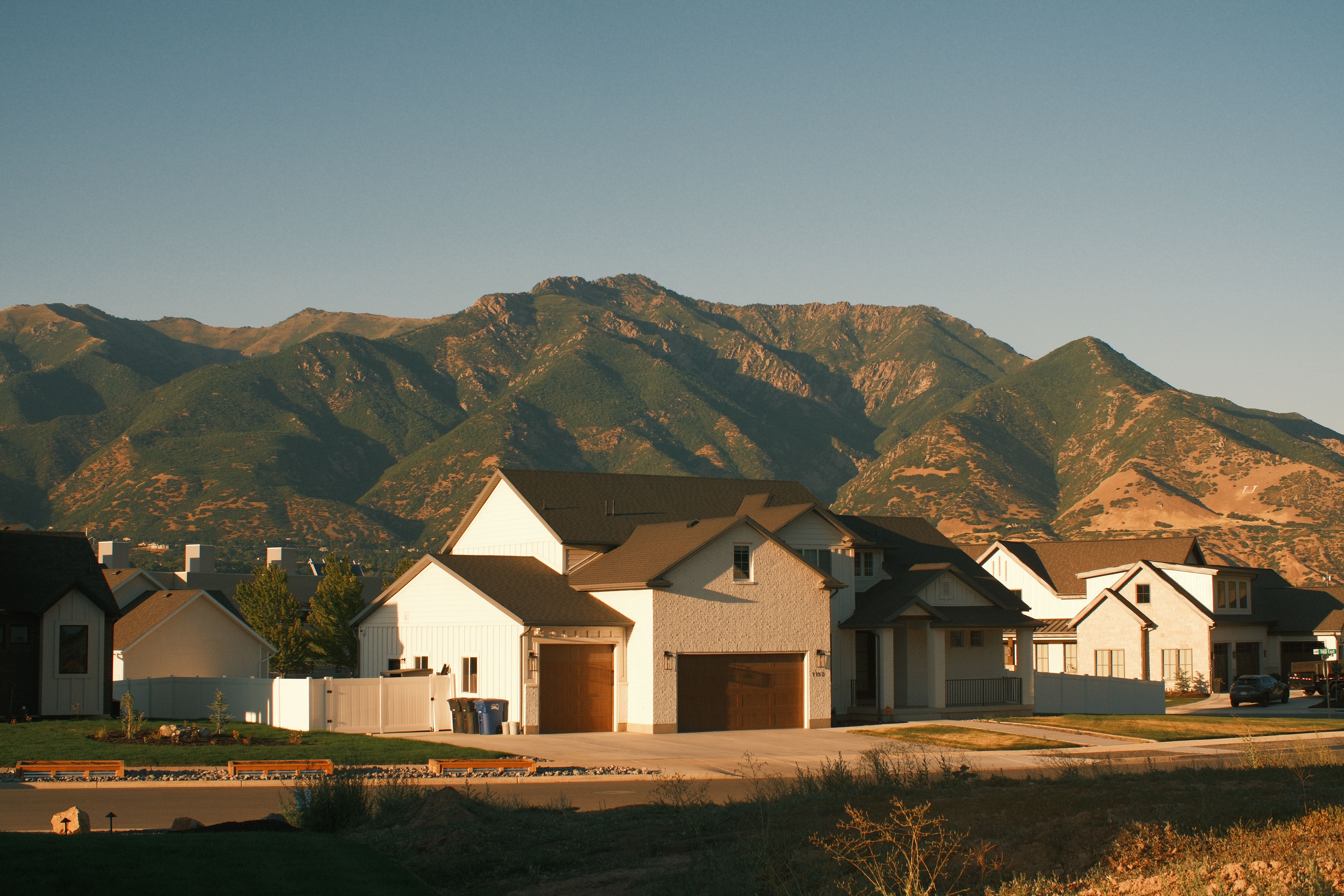
Utah's Fastest Growing Cities, Ranked: Where I'd Buy, Where I'd Be Careful, and Where I'd Wait
Eagle Mountain added more than 5,000 people last year. By the Census Bureau's count, that made it one of the 10 fastest growing cities in the entire country, and Saratoga Springs, right next door, grew even faster by the state's own count.
If you're thinking about moving to Utah, or you already live here and you're deciding where to buy next, that sounds like a green light. Sometimes it is. Sometimes it's a warning. Fast growth tells you where the land was cheap and the builders were busy. It doesn't tell you whether the one road out of that subdivision can handle thousands more cars at 7:15 in the morning.
So here's how I'd rank Utah's fastest growing cities using the newest population numbers, and which ones I'd buy in, which ones I'd buy in carefully, and which ones I'd wait on right now.
Two Official Rankings, Two Different Answers
This spring, two official sources published rankings a week apart, and they don't agree on who's number one. The state's numbers, from the Utah Population Committee and the Kem C. Gardner Policy Institute at the University of Utah, put Saratoga Springs first with about 4,700 new residents in a single year, or 8.4% growth, with Eagle Mountain right behind at 6.8%. A week later, the Census Bureau flipped it: Eagle Mountain first at 8.5%, ninth fastest in the country among cities over 20,000 people.
Different methods, different answers. Utah law now treats the state's own estimates as the official standard, so I lean on those and point out where the Census disagrees.
The bigger picture matters too. Utah is still the fifth fastest growing state in the country, but growth slowed to about 1%, and 100 communities here actually lost population. So when a city is still growing at 7 or 8% while the state cools off, that's not a trend. That's a construction boom.
How I Grade Each City
I use four things you can actually go look at:
1. The roads. How do you get in and out of town on a Tuesday morning?
2. Water and utilities. What's the secondary water situation, and is anything special getting added to your tax bill?
3. What's in the ground and what's in the walls. Before real estate, I spent years in construction, so this is the contractor in me.
4. Price versus what you actually get.
Every city gets one of three verdicts: buy, buy carefully, or I'd wait right now. Growth isn't good or bad on its own. Most of the time, it's a timing question.
Eagle Mountain: Great Value, Read the Road Dates
Eagle Mountain is now around 65,000 people. People move here for real reasons: more house per dollar than almost anywhere else along the Wasatch Front, new construction so you're not inheriting someone else's 1985 furnace, views, trails and new parks.
Now let's talk about Tuesday morning. Getting out at rush hour means one of a few roads, SR-73 east toward Lehi, Pioneer Crossing toward I-15, or Redwood Road northbound, and every one of them feeds the same funnel.
Help is coming, and it's a lot of help. The Mountain View Corridor freeway connecting Salt Lake County to Utah County opened last December, months ahead of schedule. Pioneer Crossing is getting flex lanes, with work expected to wrap up around the end of this year. In March, UDOT broke ground on a six-lane 2100 North freeway in Lehi with 14 overpasses, a two-plus-year build, and the extension of Mountain View Corridor down to SR-73 in Saratoga Springs is on the books after that. Read the dates: the commute gets meaningfully better over the next handful of years, but you'd be commuting tomorrow morning.
With my contractor hat on, I also look at wind (shingle wind ratings, fence posts and garage doors), the geotechnical report for your specific lot, not just the subdivision, and whether the community sits inside a public infrastructure district (PID) or carries a special assessment that shows up on your property tax bill. Know about it before you sign.
My verdict: if you're driving to downtown Salt Lake City, the airport or the east side of Salt Lake County five days a week, I'd wait on Eagle Mountain right now. Not forever, just until those freeway projects finish. If you work in Lehi, you're hybrid or you're remote, it's one of the best values on the Wasatch Front.
South Utah County: Mapleton, Salem and Spanish Fork
By the Census count, Mapleton grew over 10% last year, the fastest of any Utah city with more than 10,000 people; the state's numbers have it just under nine. Right next door, Salem grew about 9%, which the state ranks as the fastest of any midsize city in Utah. Spanish Fork just crossed 50,000 people. This whole south end of Utah County is quietly doing what Saratoga Springs and Eagle Mountain did 10 years ago.
The draw is space: larger lots on the Mapleton bench, a small-town feel in Salem, and Spanish Fork's own city-run utilities, real Main Street and quick access to I-15 and Spanish Fork Canyon. The catch is direction. Most of the high-paying jobs are north in Lehi and along the Point of the Mountain, and from Spanish Fork or Salem that's a real drive at rush hour.
On the Mapleton bench specifically, homes that back up to open foothills sit in what's called the wildland urban interface, and insurance in those areas has gotten tighter and more expensive across the West, including here. Get an insurance quote before you write an offer, not after.
My verdict: buy. If your work is in Provo or Springville, or you're hybrid or remote, this is one of my favorite value areas in Utah County right now, especially Salem and Elk Ridge. If you're commuting to Lehi five days a week, drive it at 7:30 on a weekday before you commit.
Magna: Buy Carefully, and Visit on a Windy Day
Magna added about 1,300 people last year, and the year before that it was the fastest growing community along the entire Wasatch Front. It sits on the far west side of Salt Lake County with a historic Main Street, newer subdivisions climbing the west bench, SR-201 and Mountain View Corridor close by, and the airport a short drive away. For a Salt Lake County address, it's one of the most approachable price points left on the map.
The location is worth understanding. Magna sits next to a major industrial area, including Kennecott's copper operation and its tailings area, the west side can get dust off the exposed lake bed on a windy day, and the northwest quadrant is seeing a lot of warehouse and logistics development. None of that is a reason to cross Magna off your list. It's a reason to visit on a windy afternoon and on an inversion day, not just on a perfect blue-sky Saturday.
My verdict: buy carefully. If you work at the airport, on the west side or along the SR-201 and Mountain View corridors, Magna might be one of the best values left in Salt Lake County.
Tooele and Grantsville: Great for Land, Hard for a Daily Commute
Tooele County tied for the fastest growing county in Utah last year at about 3%. Tooele City added nearly 1,300 people and Grantsville grew over 4%. I understand why: big open sky, real land, room for horses, shops and RV parking, and prices well below most of the Salt Lake Valley.
But a Tooele County official told KSL that about three out of every four residents commute into the Salt Lake Valley for work. Almost everyone goes through one spot, the I-80 corridor at Lake Point. The Mid-Valley Highway, which opened in 2021, gave people a second connection to I-80, and UDOT estimated it would pull something like 15 to 20% of the traffic off SR-36. That helped, but every new subdivision adds cars to the same pinch point. If you're buying land to build, the water conversation comes before the house conversation every time.
My verdict: if your job is in Salt Lake City or Lehi five days a week, I'd wait on Tooele and Grantsville right now. If you're remote, work locally, or what you really want is land and space, Tooele Valley can be a great fit. It's not a bad place. It's a hard commute.
Heber City and West Haven: Buy Carefully
Heber City grew about 3.5% last year, and the state's long-range projections have Wasatch County as the fastest growing county in Utah over the coming decades. A lot of that is Park City spillover. Two things to know: US-40 runs right down Heber's Main Street, with about 600 semi trucks a day, and a bypass vote is expected this coming spring. And Heber is no longer the cheap alternative; with Deer Valley's new East Village going in on the Jordanelle side, pricing pressure is coming from both directions. If you'd otherwise stretch to get into Park City, Heber can be the smarter move.
West Haven in Weber County grew almost 4%, mostly flat former farmland turning into subdivisions west of Ogden, priced well below Salt Lake County. Same rule as anywhere growing this fast: know what's going in next to you, and drive the commute at the hour you'd actually drive it.
Saratoga Springs and Lehi: Buy, but Be Specific
Saratoga Springs is the fastest growing city in Utah by the state's numbers, and it's at least two markets. The north end, closer to Lehi and the Mountain View Corridor and 2100 North freeway projects, should feel the road relief first. The south end is farther from all of it, and Redwood Road tends to become the choke point. When I tell you what that commute feels like, it's because I drive it with clients and I drive it myself.
Then there's the lake. Utah Lake can get algae blooms in late summer, and homes near the shoreline can sit on a higher water table. Near the lake, I want to know basement depth, whether there's a sump pump, how the yard is graded, and any history of water in the basement. Check for special assessments too, and understand your secondary water, because Utah is moving to metered secondary water and a green lawn in a lot of newer areas is going to cost more than people expect.
My verdict on Saratoga Springs: buy, but where you buy inside the city matters more than the city name. North over south for most commuters, and do your homework near the lake.
Lehi only grew about 2.5% last year, but it still added about 2,400 people, and the reason the percentage is lower is the most important idea here: Lehi is starting to mature. The roads are mostly built, the Silicon Slopes jobs are right there along the Point of the Mountain, and FrontRunner stops in town. My verdict on Lehi: buy. In fact, I moved here myself just a handful of months ago. For most people who work in Utah County's tech corridor, it's the most balanced choice on this list.
My Sleeper Pick Lost People Last Year
Orem lost more people last year than any city in Utah, around 940 residents. By the state's numbers, Sandy lost about 750 and Provo about 500. Nothing is wrong with these places. Only five of the 20 Utah cities with more than 50,000 people shrank, and every one of them is a long-established city. They're built out, households get smaller as kids move out, and a lot of owners are sitting on low mortgage rates and staying put. Fewer people living in the same number of houses.
And look at what you get: finished roads, mature trees, parks, trails and grocery stores already there, no construction dust for the next decade, and no surprise assessment for infrastructure that doesn't exist yet.
Older homes come with older problems, but the problems are known. Depending on the era, I look for polybutylene water lines, aluminum branch wiring, clay sewer lines with root intrusion, and a few electrical panel brands with a bad track record. I want a sewer scope on basically every older home. Every one of those has a known fix and a known cost you can price, negotiate and plan for. In a brand-new subdivision on the edge of town, the unknowns are the road that hasn't been built yet, the soil under your lot and whatever gets assessed later.
The Full Ranking
Buy: Lehi; the south end of Utah County (Spanish Fork, Mapleton and Salem, plus neighbors like Woodland Hills and Elk Ridge); Saratoga Springs, with the address inside the city mattering most; and my sleeper pick, established cities like Orem and Sandy.
Buy carefully: Magna, Heber City and West Haven.
I'd wait right now if you commute into Salt Lake County every day: Eagle Mountain until those freeways are finished, and Tooele and Grantsville until there's more than one real way in and out.
Washington, Hurricane and Cedar City also made the growth lists. Those southern Utah markets are outside the area I work every day, but I do have an agent on my team in that market if that's where you're headed.
The big idea is simple. The fastest growing cities in Utah are where the builders are busiest. The best place for you is where the roads, the water and the house all line up with how you actually live. Sometimes that's a city on the top 10 list. Sometimes it's the one that just finished growing.
Watch the full video here: Utah's Fastest Growing Cities Ranked
Thinking About Moving to Utah? Let's Talk.
Utah is one of the fastest-growing states in the entire country, and navigating the cultural landscape alongside the real estate market takes genuine local expertise. Whether you're considering Salt Lake County, Utah County, Davis County, or further out — finding the right neighborhood for your lifestyle, budget, and long-term goals makes all the difference.
My team and I work exclusively with buyers and sellers navigating the Utah real estate market. We help you cut through the noise, match the right submarket to your specific lifestyle and priorities, and make sure you're buying from a position of clarity — not FOMO.
Book a call with us HERE — free 30-minute consultation
Check out our relocation guide HERE
Subscribe to our weekly newsletter HERE
Categories
Recent Posts