Does Utah Suck? What Locals Really Mean — And What It Means for Your Move (2026)
Does Utah Suck? What Locals Really Mean — And What It Means for Your Move (2026)
The Code Behind “Utah Sucks. Don’t Come Here.”
If you have spent any time researching what it is like to live in Utah, you have run into this phrase everywhere: Utah sucks. Don’t come here. It’s terrible. Scroll one more time and that same person is sharing a sunrise photo from Big Cottonwood Canyon at 6:00 in the morning on a Thursday. So which one is it?
Here is what is actually going on. Utah has been one of the top net positive migration states in the country for decades. The population is still growing — from natural increase and from people moving in from out of state. People are not leaving Utah. They are rearranging within it. And when a local types “Utah sucks, don’t come here,” what they actually mean is: I love this place so much that I’m a little scared you are going to ruin it because you are going to love it too. That is the gatekeeping. That is the meme.
My name is Scott Steele. I am a real estate broker here in Utah. I sell houses for a living, which means I have an obvious financial reason to tell you Utah is amazing and you should move here. I am going to do something different instead: I am going to decode exactly what “Utah sucks” actually means when a local says it, lay out what they brag about quietly when they think outsiders are not listening, and give you the honest downsides that never make it into the marketing materials.
1. The Migration Data: Locals Are Bluffing
The strongest piece of evidence that “Utah sucks” is a bluff is the migration data. When you look at the raw numbers from the Census Bureau and the Kem C. Gardner Policy Institute at the University of Utah — the gold standard demographic source for the state — the picture is nearly the opposite of what social media is selling you.
Utah’s net migration has been positive for years. The state consistently ranks at or near the top in the country for population growth, driven by both births and people moving in from out of state. But here is the part nobody quotes: a massive percentage of moves in Utah are intrastate. People moving from Salt Lake County to Utah County. From Davis County to Weber County. From the Wasatch Front to the Wasatch Back or Washington County. From a townhouse in Murray to 5 acres in Eagle Mountain. These are not people fleeing the state. These are people doubling down on it.
Think about that for a second. If Utah genuinely sucked, you would see locals voting with their U-Hauls — cashing out, taking the equity, and bouncing to Boise or Las Vegas or Texas. Some do. But the dominant pattern the data supports is that Utahns rearrange themselves around Utah. They do not abandon it.
A client of mine last year — a couple in their late 30s, two kids, both born and raised in Salt Lake City — told me at our first consultation: “Scott, we are so done with Utah. We’re moving to Idaho.” I asked where in Idaho. Without missing a beat the wife said, “Well, we were also looking at 5-acre properties up in Heber Valley.” That is 45 minutes from where they were living. They were not moving to Idaho. That is just how Utahns talk. Nine out of ten times, when a local says they are leaving, the answer is somewhere else in Utah. That is not hate. That is love with a no-trespassing sign on it.
2. The Geographic Stack: Unbeatable in the Lower 48
If locals are not actually leaving, what are they protecting? Two things — and neither one gets posted on TikTok.
The first is the geographic stack. Most states have one good thing. California has beaches and weather. Colorado has mountains. Florida has heat. Texas has space. Utah has — and this is a claim I will defend — the most diverse outdoor environment within driving distance of any metropolitan area in the entire United States.
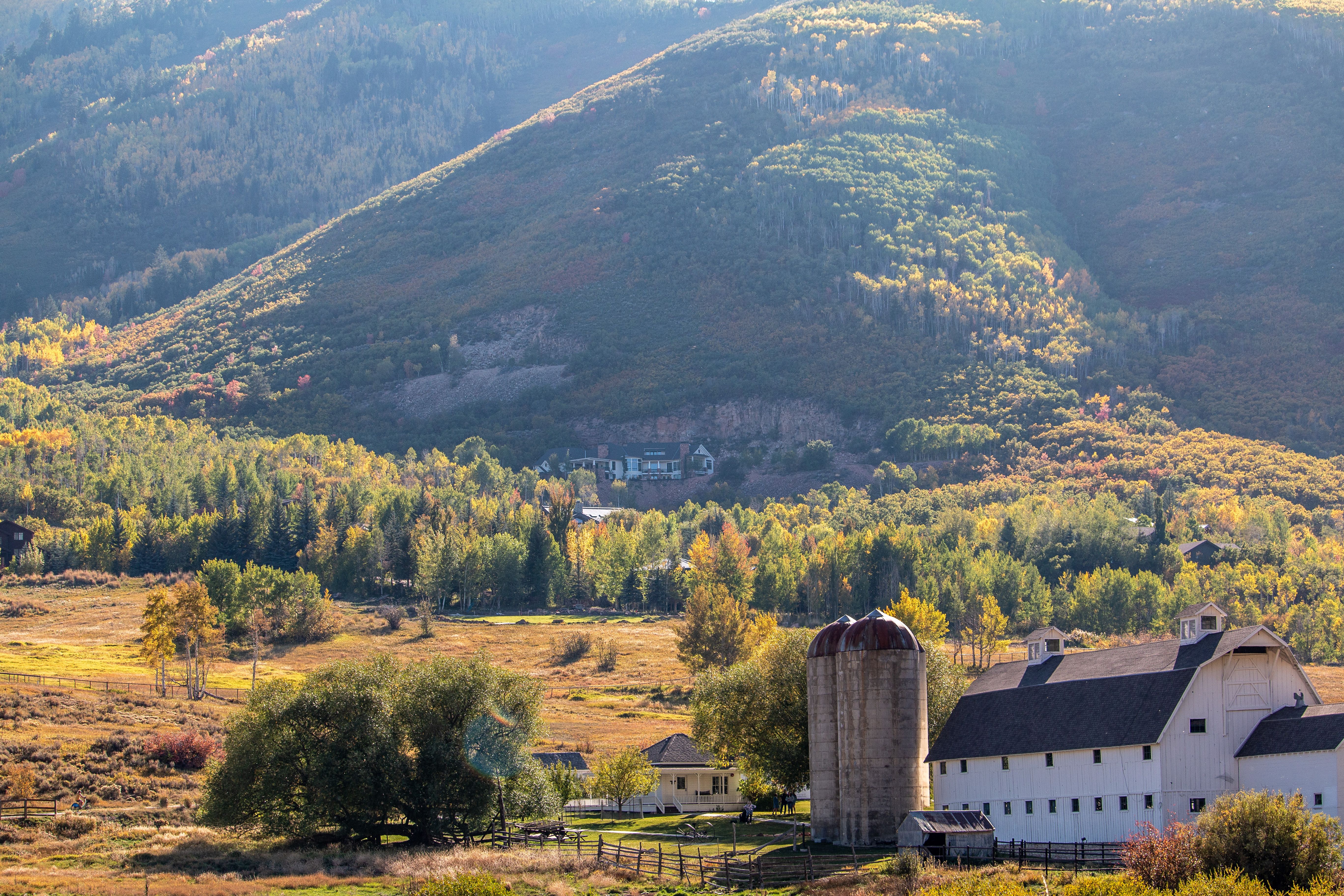
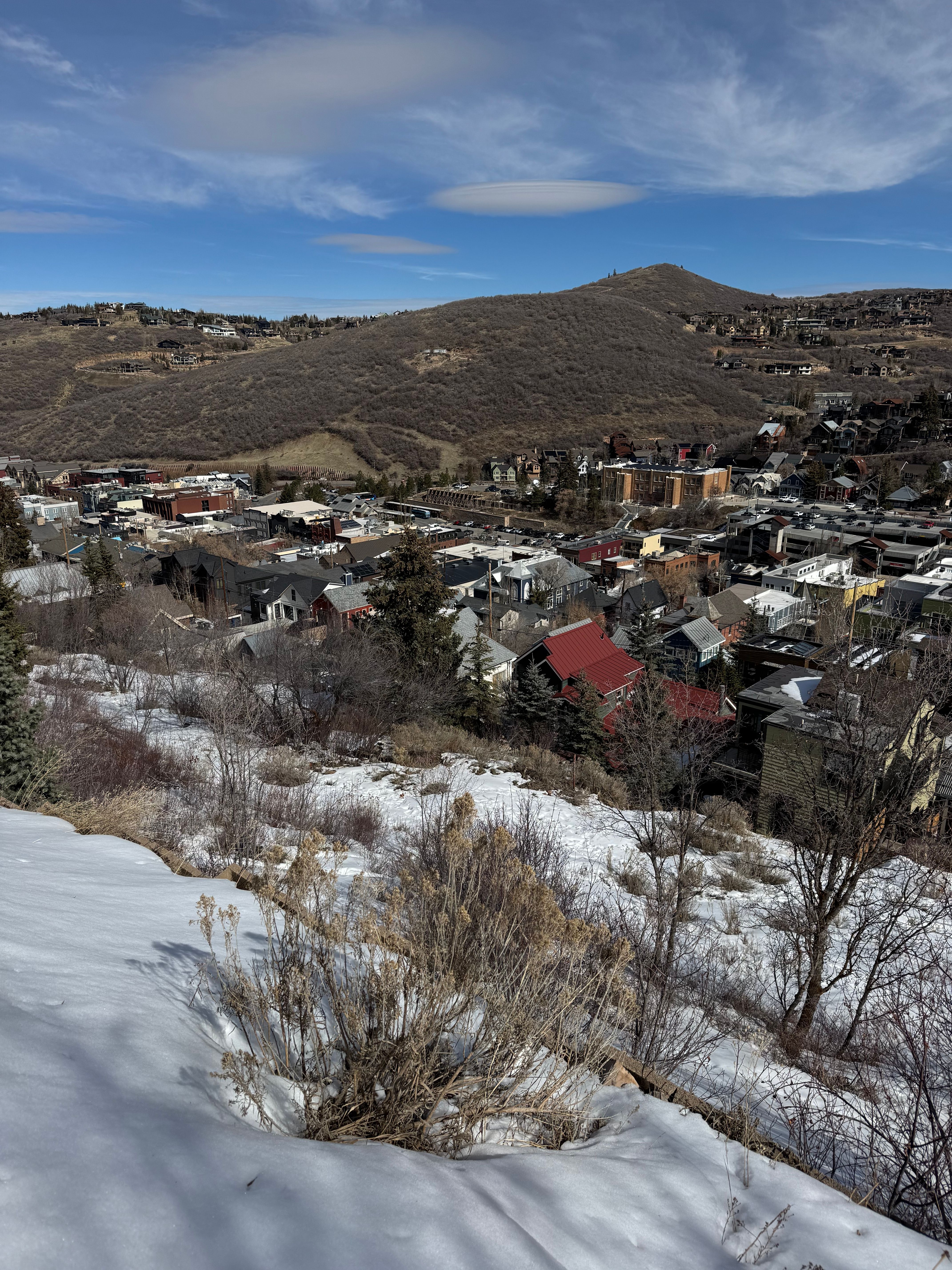
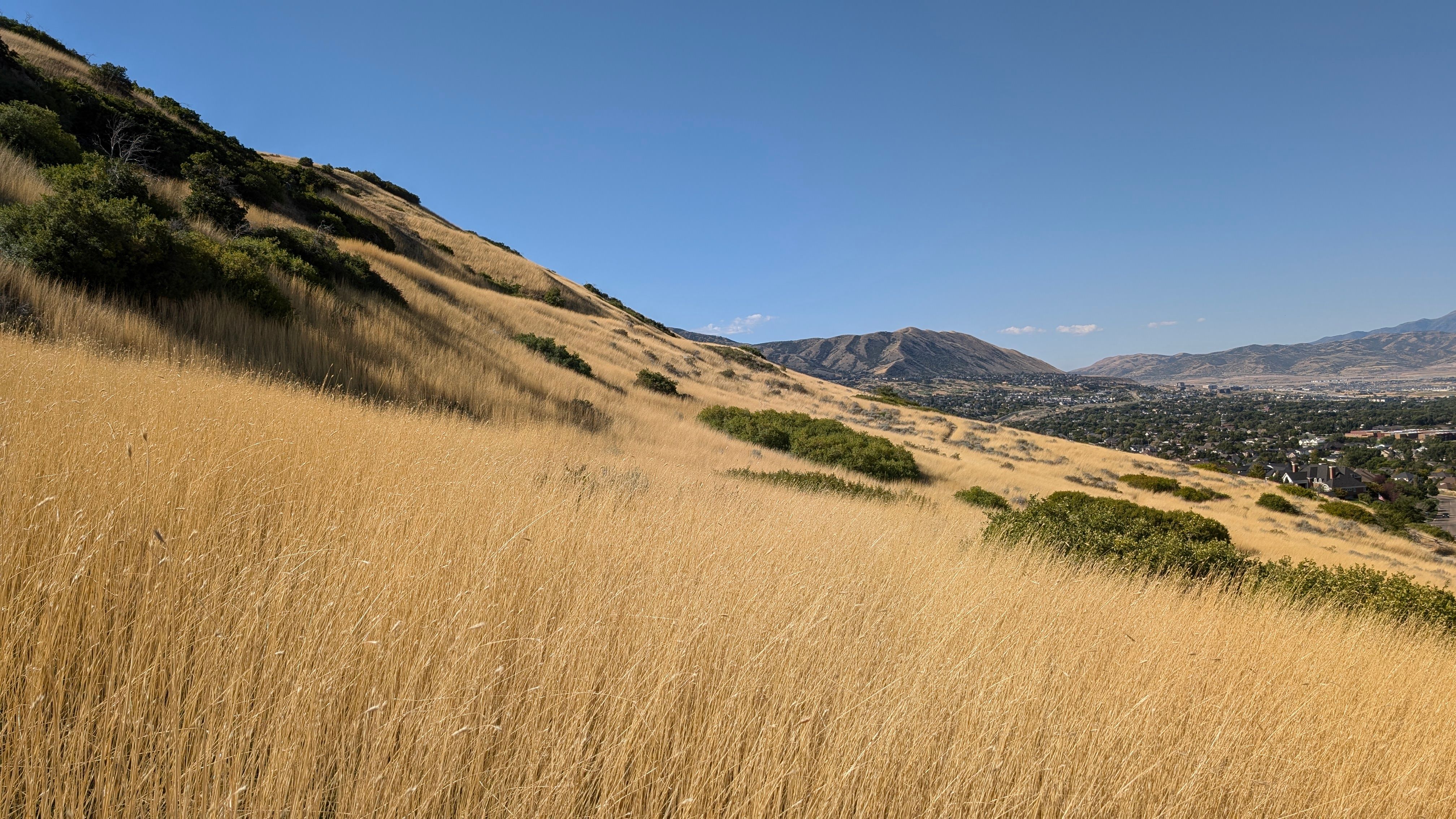
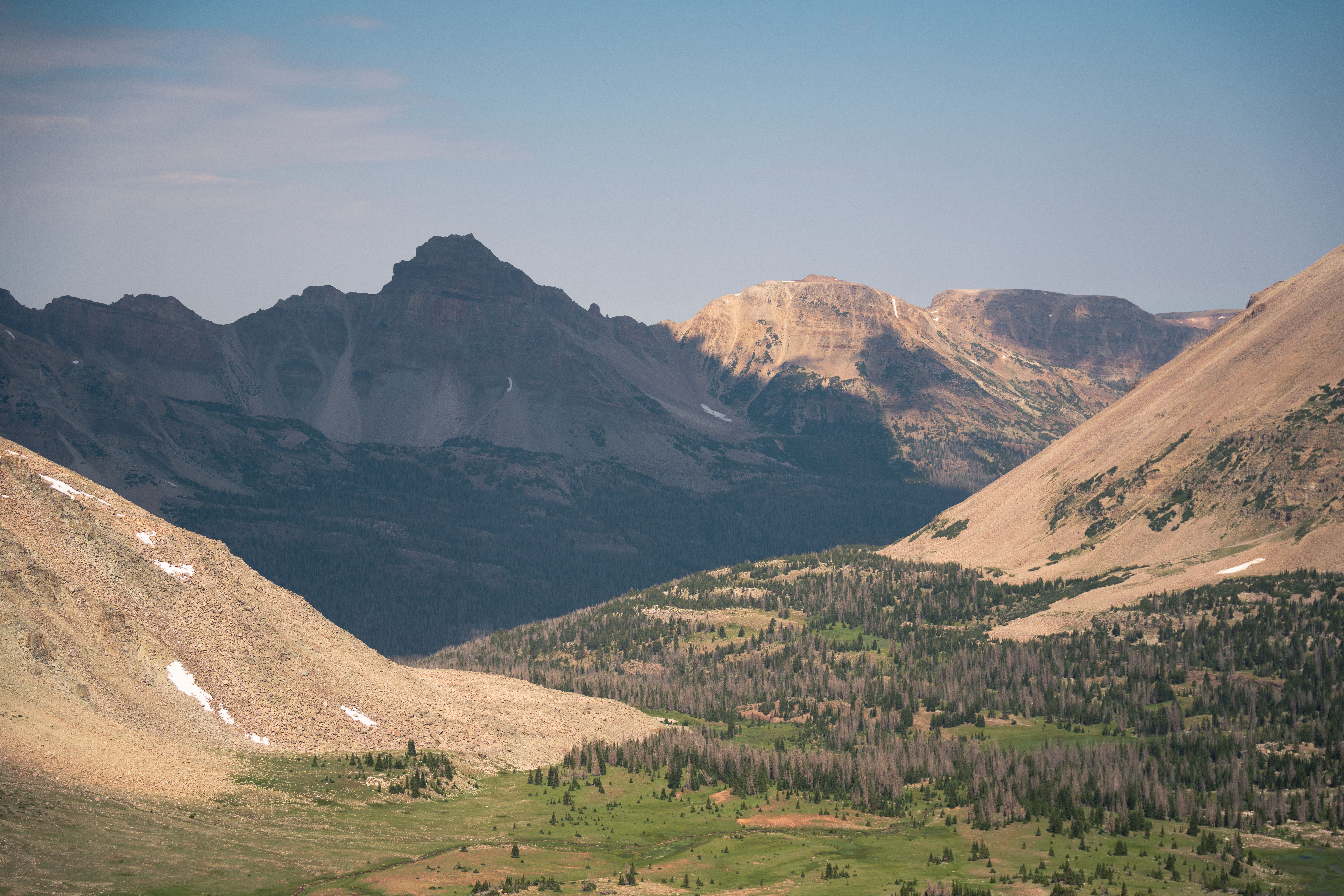
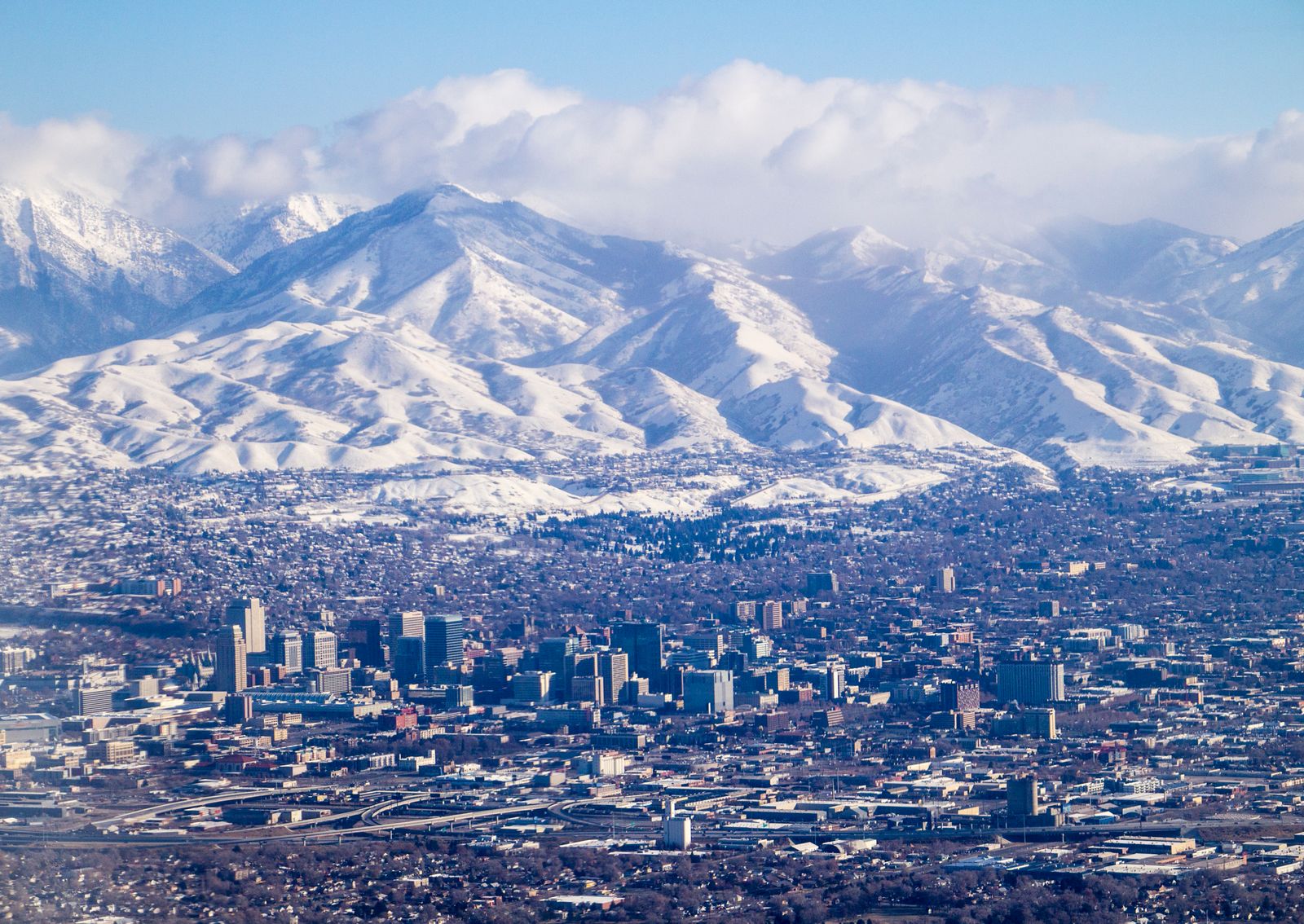
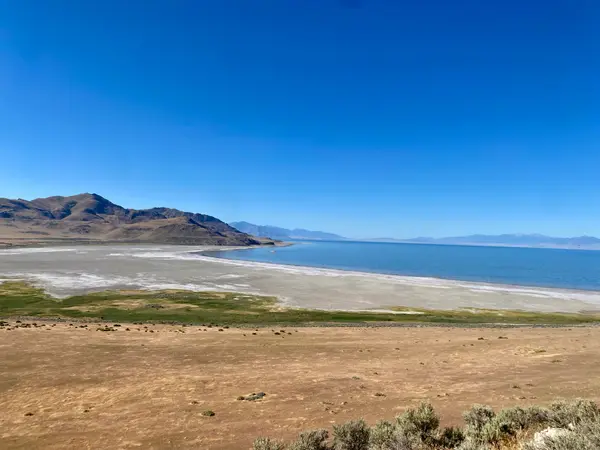
From a home near Salt Lake City you can be at five different ski resorts in under an hour. At the Great Salt Lake in 20 minutes. In Park City in 35. In actual red rock desert mesa slot canyon country in 3.5 hours. At a five-star fly-fishing river in 40 minutes. At a glacial alpine lake at 9,000 feet of elevation in under 75 minutes. That stack does not exist anywhere else in America. Denver has great mountains but no real desert close by. Phoenix has desert but real skiing is hours away. Seattle has mountains but you are hemmed in by water, traffic, and weather. Utah’s Wasatch Front gives you all of it from a single home base.
Locals know this. They use it constantly. And the reason a Utahn will tilt their head slightly when you say you are “outdoorsy” is because the bar for outdoorsy here is, honestly, kind of insane.
3. The Economy: Silicon Slopes and Structural Strength
The second thing locals protect quietly is the economy. Silicon Slopes — the tech corridor running from Lehi through Provo to the south and up to Salt Lake City to the north — has been quietly building one of the strongest tech ecosystems in the country. Companies like Adobe, Qualtrics, Domo, Pluralsight, and Recursion have major operations along that corridor. Utah’s unemployment rate has consistently been one of the lowest in the country. The state’s economy ranks at or near the very top of essentially every “best state for business” list from Forbes to U.S. News to CNBC.
Why does this matter for your relocation? Two reasons. First, if you are moving here, the structural odds of finding work are good. The labor market is tight. Employers are hiring. That is the foundation under a successful relocation. Second, when economies are strong, real estate tends to hold value. When you have a tight labor market, low unemployment, in-migration, and a constrained supply of buildable land — because of all the public land, mountains, and everything in between — the long-term direction of housing demand is not zero.
4. The Honest Downsides Nobody Wants to Admit
I told you I was not going to do the brochure thing. So before I say anything else nice about Utah, here are the real downsides — the conversations I have in private with relocation clients that never make it into the marketing materials.
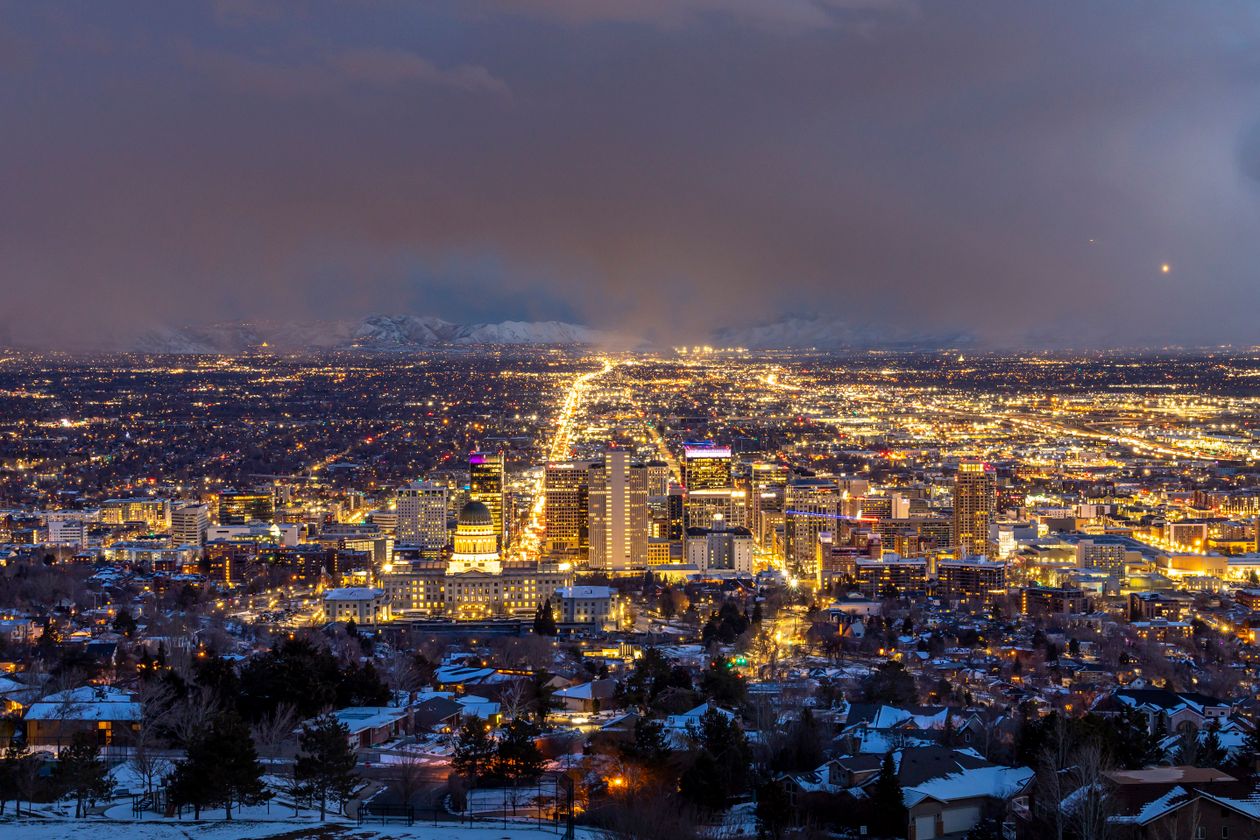
Downside #1: Winter inversions. The Salt Lake Valley and Utah Valley are bowl-shaped, surrounded by mountains. When cold air settles into that bowl, it traps warmer air above it along with the pollution — a temperature inversion. For about 6 to 10 weeks every winter, the air quality in those valleys can get genuinely bad. EPA air quality alert bad. Some winters are far worse than others. If you have asthma, young kids with respiratory sensitivity, or you are a serious outdoor athlete who needs to train consistently in winter, you need to plan around this. Some people specifically buy homes higher up on the bench above the inversion line for exactly this reason.
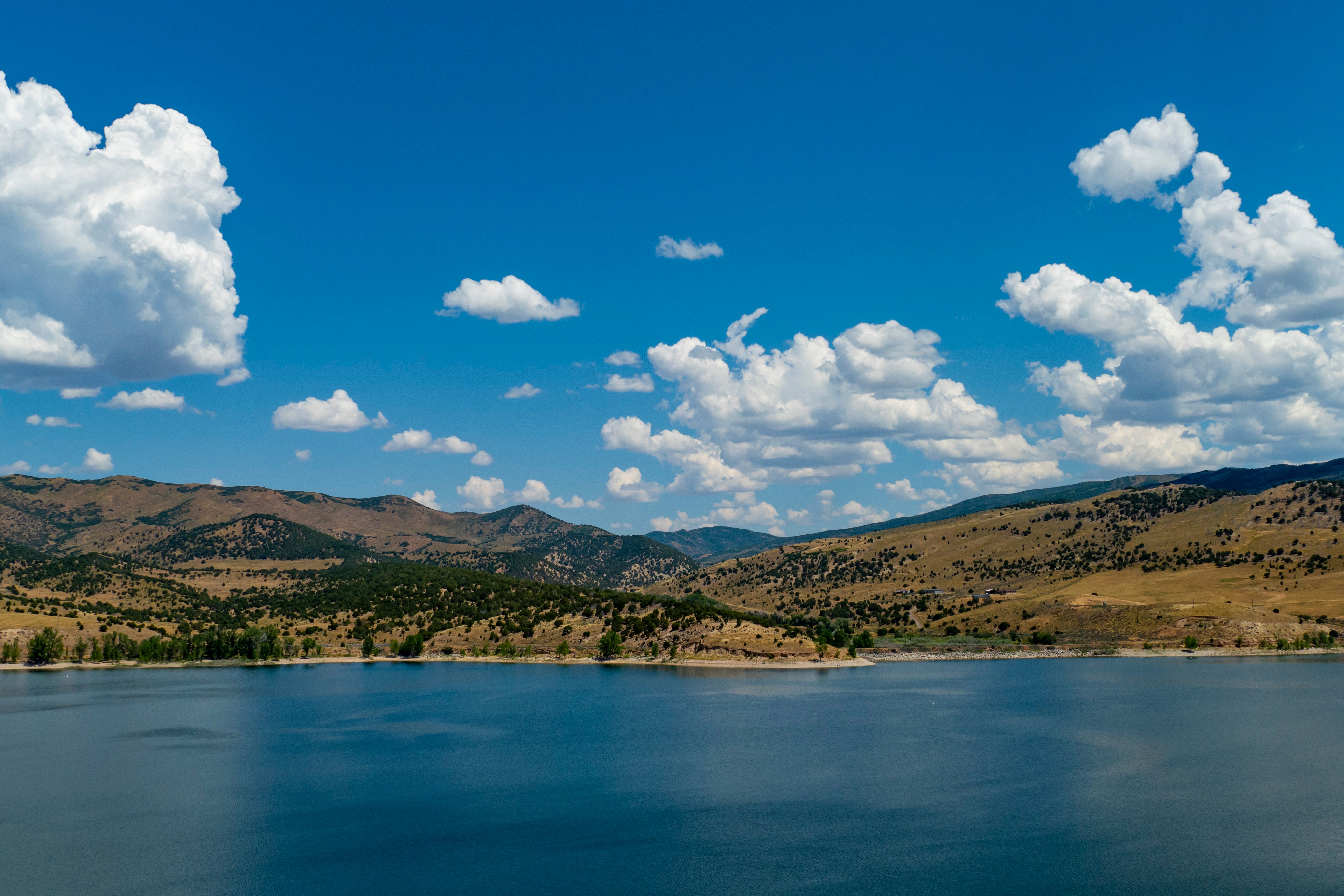
Downside #2: The Great Salt Lake. The lake has been shrinking. The reasons are a combination of long-term drought, agricultural water use upstream, and population growth. Researchers have raised real concerns about exposed lake bed dust events and ecological consequences if levels keep dropping. The state has taken action — legislation, better water years recently — but this is still an open question. It is a legitimate thing you should be paying attention to over the next decade. I am not going to pretend this concern is invented. It is real.
Downside #3: Water scarcity. Utah is the second driest state in the country. Most water comes from snowpack, and climate volatility makes that snowpack less predictable than it used to be. If your dream is a giant lush green lawn with sprinklers running every morning, update that dream. Xeriscaping is not a trend here. It is a future-proofing decision.
Downside #4: I-15 and the commute reality. The Wasatch Front is essentially a 100-mile north–south strip with one major freeway running through it. When it is moving, life is great. When it is not — and it is increasingly not — your commute can go from 20 minutes to 40 or 50 minutes with very little warning. A house that looks 15 minutes from downtown on Zillow can be 45 minutes during a Tuesday rush hour with a wreck near the Point of the Mountain. Underwrite the commute, not the marketing copy.
Downside #5: The cultural fabric. Utah has a strong cultural presence of the LDS Church — the Church of Jesus Christ of Latter-day Saints. Depending on where you are in the state, that ranges from “you would never even know” to “the social fabric is genuinely woven through it.” For some families moving here, that is a huge plus. For others, especially in suburban or rural areas where neighborhood social life often revolves around the local ward, it can feel isolating if you are not LDS. Most of my relocation clients are not LDS and are loving life here — but the cultural texture is different from Denver or Phoenix, and knowing which neighborhoods are which is honestly part of why people hire a relocation specialist in the first place.
Downside #6: Affordability has gotten harder. Utah went through a massive run-up in home prices over the last several years. Wages have not fully caught up, although they have accelerated. Median home prices in many parts of the state are significantly higher than they were five years ago. For first-time buyers especially, the math is harder than it used to be. There is also a phenomenon I call rate lock paralysis — homeowners with 3% mortgages from 2020–2021 do not want to sell and trade into a 6%+ rate, so they do not list, which keeps inventory artificially tight and props up prices even further. You need a real conversation about price-to-income for your specific situation — not a TikTok comment and not a Zillow estimate.
5. The 2034 Winter Olympics: A Tailwind, Not a Headwind
In July 2024, the IOC awarded the 2034 Winter Olympics to Salt Lake City for the second time. We hosted before in 2002, and a huge amount of that infrastructure is still here and active — part of why we got picked again. This matters for relocation in three important ways.
First, international attention. From now until 2034, Salt Lake City and the Wasatch Front will get a level of global eyeballs they have not seen since those previous games. Travel features, magazine spreads, ski documentaries, business relocation lists — it is coming. That increases demand, and demand affects prices.
Second, infrastructure investment. Cities invest in airport capacity, transit, public spaces, and venues in the run-up to an Olympic host year. The Salt Lake City International Airport already went through a major rebuild. UTA, the public transportation system, has plans on the table. Park City has its own investment cycle.
Third, the real estate cycle has a window. Historically, host cities see a real estate appreciation pattern starting roughly 6 to 8 years out from the games. I am not telling you to buy a house in Park City as a speculation play — that is not what this is. What I am telling you is that if you are already considering a move to the Wasatch Front, this Olympic cycle is a tailwind. The structural demand for housing here is about to get a real global advertising campaign running for the next eight years.
6. Who Utah Is Genuinely Not For
Not all of my relocation clients should move here. Here is the honest list.
If you absolutely require a four-season green climate — trees that do not lose their leaves, lawns that stay green without intervention, summers that are not bone dry — Utah will disappoint you. We are high desert. The green window is shorter than you would expect coming from the Pacific Northwest or the Southeast.
If you need a coast — genuinely need it, like saltwater is part of how you regulate your nervous system — Utah is not your spot. The Great Salt Lake is not the ocean.
If you thrive in big-city density — dense urban walkability, 24-hour neighborhoods, deep international food scenes, the urban texture of New York or Chicago — the Wasatch Front gives you a version of that, but on a much smaller scale. Salt Lake City has improved dramatically in recent years. There is a real food scene now. There is nightlife to a degree. But you should set your expectations honestly.
If you do not drive, you need a car here. Public transit exists and it is improving every decade. But car-free living outside of a couple specific neighborhoods near downtown Salt Lake City is difficult.
If you genuinely chafe against living somewhere with a strong cultural footprint from one religious tradition, that is a real consideration. Some neighborhoods this matters far more than others. Some it barely registers at all.
If you are a buyer expecting 2018 prices, Utah will surprise you in the wrong direction. We are not affordable the way we used to be. We are not California, but we are not Boise five years ago either.
If three or more of those describe you, you should not move here. I would rather tell you that now than let you make a hard, expensive decision you would regret in 18 months.
7. The Real Reason Locals Gatekeep: The Lifestyle Compound
The actual reason locals post “Utah sucks” is not the mountains, the economy, or the powder days. It is a compound effect that takes about two years to set in. And once it does, you do not want it to leave.
Here is how it goes. Year one, you figure out the basics — where to grocery shop, your favorite restaurants, which canyon you like for hiking, whether you are a Wasatch Front person or a Park City person or a Heber person. Year two, something shifts. Your kids’ soccer team. The neighbor across the street who waves every morning. The waitress at the breakfast spot who knows your order. The trail you have run 45 times. The view of the mountains from your driveway that you have stopped consciously seeing because it is just there every single morning, like air.
You realize the lifestyle is not the trip. It is not the ski day. It is not the sunset photo. It is the daily compound of a place where when you walk out your front door at 7:00 a.m. on a Saturday, you can be on a trail, at a lake, in a powder line, or at a small-town diner inside of 45 minutes. And the only question is what you feel like.
Locals know this is fragile. If too many people figure it out, it bends. Trails get crowded. Lift lines get longer. The diner becomes a tourist diner. The small-town feel goes generic. So they post “Utah sucks.” They mean it the way you would mean it if you found a perfect taco place in a strip mall and did not want it ending up on a travel writer’s top-ten list.
That is the meme. That is the code. The people typing “Utah sucks” with their cold brew on the deck looking at the mountains are not lying about the place having problems. They are lying about how much they actually love it.
The Bottom Line for Out-of-State Buyers in 2026
Here is what I told you. Utah sucks is a code — the local way of gatekeeping a place they actually love deep down. The migration data shows Utahns are not leaving; they are rearranging within the state. The geographic stack here is genuinely unbeatable in the lower 48. Silicon Slopes and the labor market are structurally strong. The honest downsides — inversions, the lake, water scarcity, traffic, cultural fabric, and affordability — are real and deserve weight in your decision. The 2034 Olympics are about to put a global spotlight on this region for the next decade. And the actual reason locals gatekeep is a lifestyle compound that takes about two years to feel and that you cannot see from the outside.
If you came into this expecting Utahns to hate Utah, I hope you are walking away with a more accurate read. They do not. They are protecting it badly — like a kid who hides their favorite candy by talking loudly about how much they hate it.
Ready to Make Your Move to Utah?
My team and I work exclusively with buyers making the move to Utah or relocating within the state. We help out-of-state families cut through the noise, avoid wrong-neighborhood mistakes, and find the community that actually fits their life — not just their budget.
Reach out, book a video call, and let’s map out the right area for you before you start touring homes. The conversation is free. Picking the wrong neighborhood is not.
Book a call with us HERE
Scott Steele | HOME@TheUtahReel.com | 801-680-8050 | www.TheUtahReel.com
Categories
Recent Posts