The 7 Best Neighborhoods and Areas in Utah
The 7 Best Neighborhoods and Areas in Utah
If you're moving to Utah, or you already live here and you're thinking about where to land next, you've probably run into the same frustrating thing I hear every week. There's a mountain of information out there about where to live, a lot of it is confusing, and some of it is just somebody trying to sell you the house they happen to have listed.
So here are seven areas I'd actually point my own family and my own clients toward, and more importantly, why. Because a list of seven pretty names doesn't help you. What helps is understanding who each place is genuinely for, and who it's genuinely not for. That second part is the one nobody says out loud.
These aren't in a strict ranking, because the best neighborhood depends on your life. But I did save the two I get asked about most for the end, including the one I'd personally move my own family to if I were starting over today.
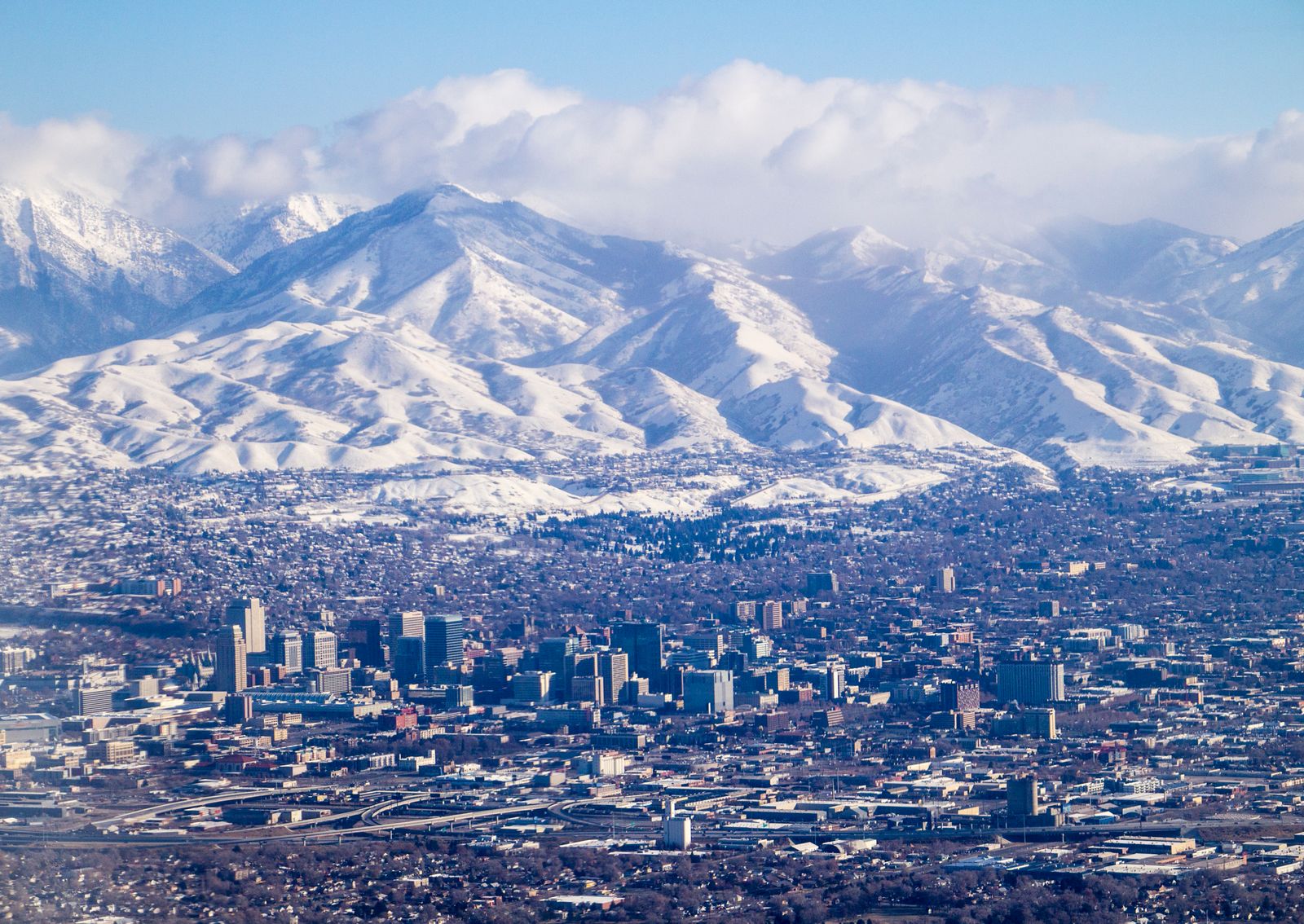
One belief up front: there is no single best neighborhood in Utah. Anybody who tells you just move here, everybody loves it, is either lazy or selling you something. Utah packs an enormous amount of different into a small stretch of geography. A walkable coffee shop life, a master planned community built around a lake, a foothill house 15 minutes from a world class ski resort, a brand new build in the heart of the tech corridor. They're all within about an hour of each other. The game isn't finding the best. It's matching the right one to the life you're trying to build.
1. Sugar House — The Walkable City Option
If your dream version of Utah still has a little city in it, Sugar House is very often the answer. It's one of the oldest and most established neighborhoods in Salt Lake City, so you get mature tree-lined streets and classic brick bungalows, and right in the center a genuinely walkable business district with restaurants, shops and breweries. The kind of Saturday where you park the car once and don't touch it again. There's a TRAX light rail line connecting into the wider transit system, and Sugar House Park is a big green anchor with the Wasatch rising behind it. You're minutes from downtown and the University of Utah, and still only about 20 minutes from the mouth of the Cottonwood Canyons.
The honest trade-off: it's old, it's central, and everybody wants it. Homes are not cheap, especially per square foot. A lot of the classic houses are smaller and older, which coming from construction means you need to look hard at the bones: the wiring, the plumbing, the foundation, the things a fresh coat of paint hides. And it's urban. Traffic, density, and ongoing construction as the area redevelops. If your whole reason for coming to Utah is a big quiet lot and a three car garage, Sugar House will feel tight and busy.
Who it's for: the relocator from a real city, the young professional, or the empty nester who's done with the big yard and would genuinely trade square footage for walkability and character.
2. Holiday — Mature, Central, and Green
If Sugar House is the city version of central, Holiday is the grown-up settle-in version. It sits right in the middle of Salt Lake County, tucked against the East Bench, and it's the answer for people who want to be central and close to the mountains but want room to breathe. My office and studio are right here.
What people fall for is the maturity of it. An established area with a gorgeous tree canopy you cannot fake or fast forward, larger lots than you'd find closer to downtown, and a quiet tucked-in feel despite being incredibly central. There's a small walkable Holiday Village at the core with restaurants, a market and a town square feel. And the location on the map is close to perfect: a short hop from the Cottonwood Canyons and the ski resorts, easy into downtown, easy to the east side amenities.
The honest trade-off: that maturity and location come at a price, and Holiday is one of the more expensive addresses in the valley. Because so much of the housing stock is older and sits on big lots, you're often buying a home that's had a life already. A mid-century house on a beautiful Holiday lot can be a dream or a money pit depending on what's been done to it over the decades. You want someone walking through it thinking about the furnace, the foundation and the sewer line, not just the kitchen. If you want brand new construction with a builder warranty, this usually isn't where you'll find it unless it's custom.
Who it's for: the buyer a little further along, or a mover coming in with equity from a pricier market, who wants established, central and green with mountains out the window.
3. Cottonwood Heights — The City Between the Canyons
If the mountains are the entire reason you're looking at Utah, this is your neighborhood. Cottonwood Heights sits right up against the east bench at the mouths of Big and Little Cottonwood Canyons. That means Alta, Snowbird, Brighton and Solitude are, for a lot of these homes, a 15 to 20 minute drive up the road. Not a weekend trip. A before-work drive. In summer those same canyons are hiking, climbing and biking. You've got the greatest snow on earth essentially in your backyard while still living in a real suburban city with the shopping and services you need.
The honest trade-off: living at the mouth of the canyon comes with logistics the postcard doesn't show. On the biggest powder days and busiest weekends, canyon traffic is a genuine thing, and if you're right there you feel the ebb and flow of it. Winters up on the bench are real: more snow to move, steeper streets, and you want a house set up for that. This is where I start looking at driveway grade, the roof, and drainage. And it's an established, sought-after area, so you're paying for the location. This is not the budget corner of the valley.
Who it's for: the person who will actually use the mountains. The family that skis every other weekend, the trail runner, the person whose January calendar is basically a resort schedule. If that's you, living this close doesn't just save drive time, it changes how much you use the thing you moved here for.
4. Lehi and Traverse Mountain — The Heart of Silicon Slopes
Running along I-15 from the south end of Salt Lake County down through Lehi is a tech corridor that's become one of the fastest growing technology job markets in the country. Adobe, Microsoft and Meta all have a serious footprint right here, alongside a wave of homegrown Utah companies. And wrapped around those jobs, up on the benches like Traverse Mountain, is some of the most active new home construction in the state. Whole master planned neighborhoods that went from open ground to communities with parks, trails and schools in a few short years.
The pitch is simple and powerful: live minutes from a booming job market in a brand new house with a builder warranty, looking out over the entire valley.
The honest trade-off: this is a growth corridor, which means two things. You're moving to a place that's popular and still filling in, so traffic around the point of the mountain is real and construction is part of daily life for a while. And brand new is wonderful, but new construction has its own things to watch. A new build is not a nothing-can-go-wrong scenario. You want someone in your corner who understands builder contracts and knows to watch finish quality, the lot and the grading. I've seen the difference between a great new home and a rushed one many times over.
Who it's for: the person whose life is organized around that tech corridor, and the buyer who wants new and more of it for the money than they'd get in the established east side neighborhoods. If you need mature trees and decades of character, this isn't that yet.
5. Daybreak — A Designed Community Around a Real Lake
Out in South Jordan on the southwest side of the valley, Daybreak surprises people because it's a master planned community built around a real 67 acre lake in the middle of the desert. It's man-made, but it's a real lake.
At the center is Oquirrh Lake, where people actually kayak, canoe and paddleboard, ringed by miles of walking and biking paths and little bridges. Around that is an intentionally designed community: front porch homes built close to the sidewalk so people actually talk to each other, village centers, community pools, a walkable district called Soda Row with shops and restaurants, parks every few blocks, and a growing downtown core. It has three TRAX light rail stations, so you can ride the train into the city. Somebody sat down and designed an entire lifestyle here, and for a lot of families it clicks instantly. I personally lived here for 12 years.
The honest trade-off: all that design and all those amenities are held together by an HOA and community structure. There are rules, there are dues, there's a certain uniformity to how things look. That is exactly the point for the people who love it and exactly the friction for the people who don't. If you want to paint your house lime green and park a boat in the driveway, a master planned community will drive you crazy. It's also out on the west side, so if you commute to the east bench or up a canyon daily, drive that route at rush hour before you commit.
Who it's for: the family, and honestly a lot of relocators, who want a turnkey community rather than just a house.
6. Park City — The Aspirational One
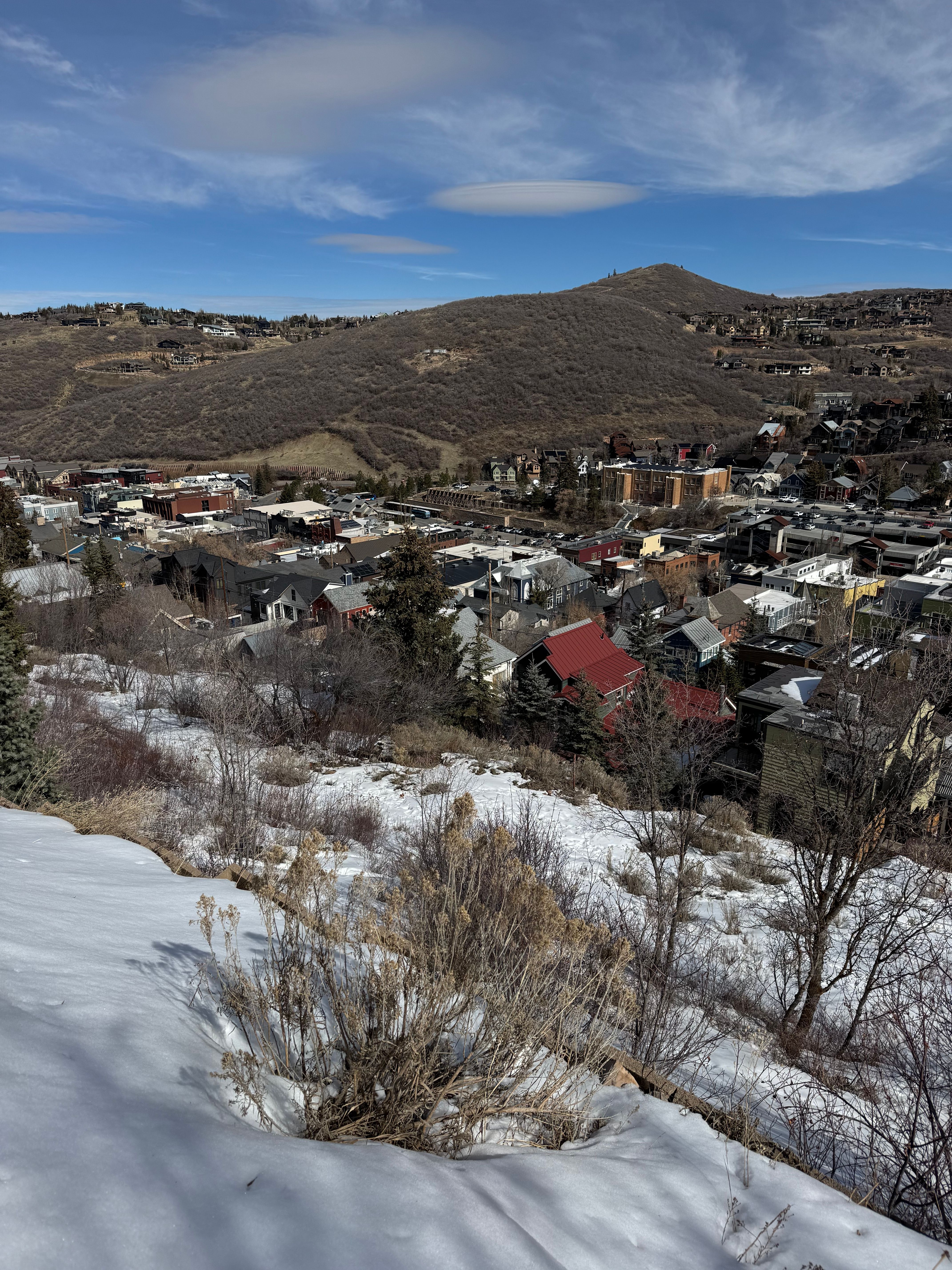
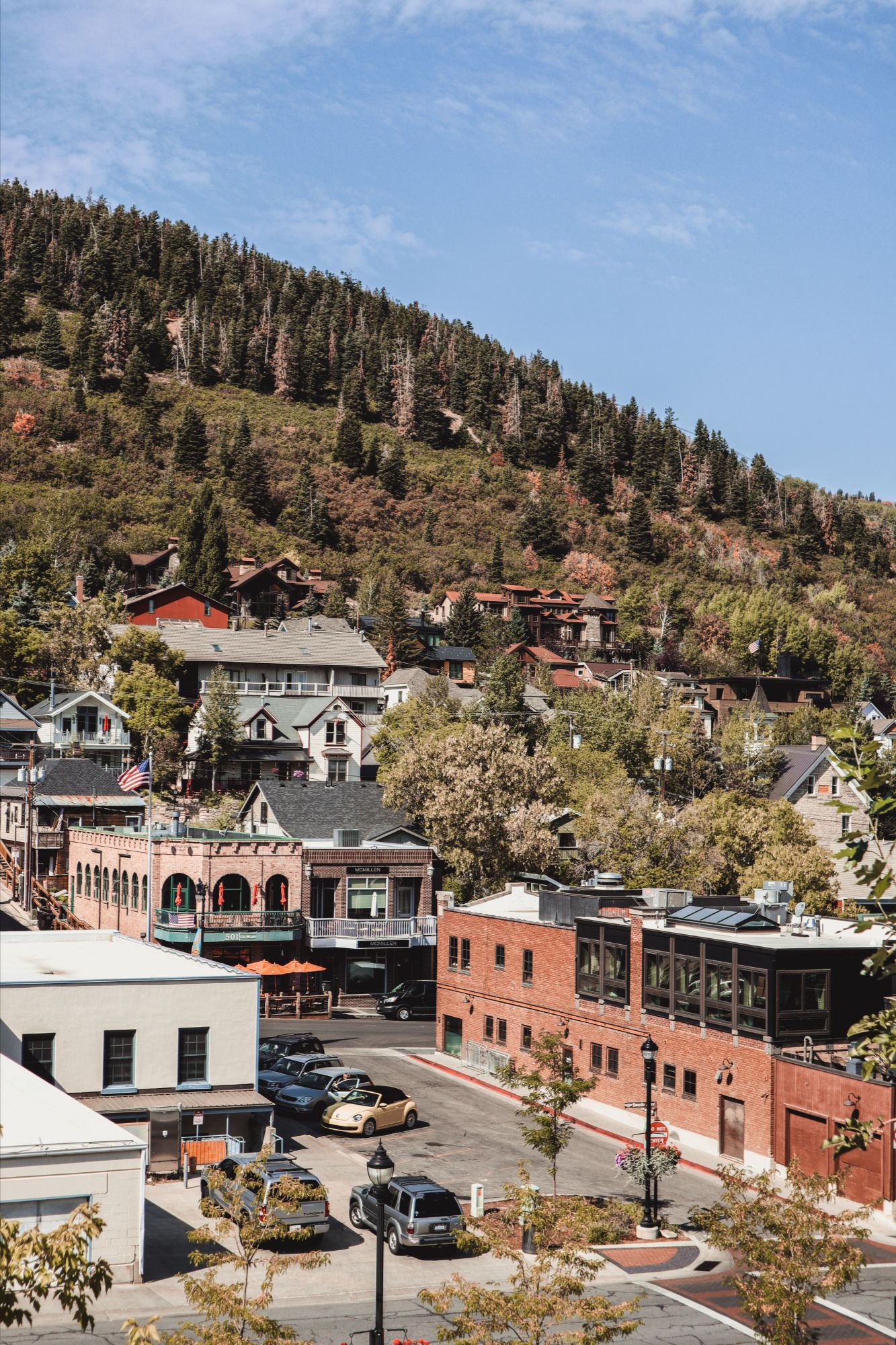
This is the place the world knows Utah for, and here's the grounded version. Park City is a genuine four season mountain town about 40 minutes from the Salt Lake City airport, which is a big deal. A world class ski town that close to a major airport is incredibly rare. You've got two enormous resorts, Park City Mountain and Deer Valley, and Deer Valley in particular has been going through a massive expansion that's dramatically growing the terrain and building out a whole new village on the east side. There's a historic Main Street with real character and a serious food and art scene. And what people miss: it's arguably better in the summer, with world class mountain biking, hiking and cool mountain air while the valley below is hot.
The honest trade-off: Park City is the most expensive market in this list by a wide margin. It's a resort town and it's priced like one. For most buyers it's an aspiration or a second home rather than a first move. On top of price, you're at real mountain elevation, so winters are serious and long, and daily logistics like getting up and down the canyon, weekend and event traffic, and being removed from big box conveniences are part of the deal. This is not a budget play and it never will be.
Who it's for: the buyer for whom the mountain is the point and the budget allows it. The remote executive, the family that wants ski-in ski-out to be their actual life, or the mountain second home buyer.
7. Draper — My Pick for Best All-Around
If you're from out of state, Draper doesn't have the ring of Park City. Stick with me, because Draper quietly does something almost no other place in Utah does. It gives you a little of everything without forcing you to max out on any one thing.
Draper sits at the south end of Salt Lake County, climbing into the foothills at the point of the mountain and up into Suncrest, which puts it at the seam between two counties, two economies and two elevations. From Draper you can reach the Silicon Slopes jobs in Lehi in one direction and downtown Salt Lake City in the other, so you're not locked into one commute or one life. Up in the hills you've got Corner Canyon, an incredible network of trails with some of the best mountain biking in the valley, right above the neighborhoods. So you get real mountain access without living at the top of a ski canyon. You've got a healthy mix of established neighborhoods and newer construction, so you can find character or brand new depending on what you want. And you get big foothill views over the whole valley.
The honest trade-off: Draper's superpower, that point of the mountain location, is also its main challenge. It's right at the pinch point where Salt Lake and Utah counties collide, so traffic through the point is real and ongoing, especially as the area keeps growing and with the massive development called The Point. And Draper isn't a secret. It's established, desirable and well run, and it's priced accordingly. This is pay a fair price for a genuinely great all-around area, not a bargain hunt.
Why it closes the list: most of the neighborhoods above make you choose. Sugar House means choosing walkability over space. Cottonwood Heights means organizing your life around the canyons. Lehi means choosing the jobs and accepting the growth. Park City means the mountain is everything and the budget follows. Draper is the one that asks you to choose the least. Trails above you, two job markets on either side, new or established homes, big views, and a location central to the entire Wasatch Front. For the person who doesn't want to bet their whole life on one feature, I think Draper is the best all-around neighborhood in Utah.
The Wild Card: Heber City
I'm leaving one place off the main list that deserves a mention. Heber City sits along the Wasatch Back, just south of Park City, and it's the area my family and I are seriously considering building in over the next couple of years. Heber offers so much of what Park City does without the same price tag, with one major disadvantage: proximity to Salt Lake City stretches out to 45 minutes to an hour. If that trade sounds right to you, ask me about it.
Matching One to You
Sugar House if you want a walkable city life and you'll trade space for it. Holiday if you want mature, green and central and can pay for a location that can't be copied. Cottonwood Heights if the mountains are the whole point and you'd use them every weekend. Lehi and Traverse Mountain if your life runs on the Silicon Slopes jobs and you want brand new construction next to them. Daybreak if you want a complete designed community built around a lake. Park City if the mountain is the dream and the budget allows it. And Draper if you want a little of everything and the flexibility not to bet your whole life on one feature.
Seven great answers to seven different questions. The trick was never finding the best. It was figuring out which question is yours.
Thinking About Moving to Utah? Let's Talk.
Utah is one of the fastest-growing states in the entire country, and navigating the cultural landscape alongside the real estate market takes genuine local expertise. Whether you're considering Salt Lake County, Utah County, Davis County, or further out — finding the right neighborhood for your lifestyle, budget, and long-term goals makes all the difference.
My team and I work exclusively with buyers and sellers navigating the Utah real estate market. We help you cut through the noise, match the right submarket to your specific lifestyle and priorities, and make sure you're buying from a position of clarity — not FOMO.
Book a call with us HERE — free 30-minute consultation
Check out our relocation guide HERE
Subscribe to our weekly newsletter HERE
Categories
Recent Posts