Living in Park City: The 5 Realities Nobody Puts on Instagram (And What They Cost)
Living in Park City: The 5 Realities Nobody Puts on Instagram (And What They Cost)
Everybody thinks Park City life is one long ski vacation. Powder days, a cozy mountain home, a trolley ride down Main Street, and an endless run of things to do. And honestly? A lot of that is true. Park City is second to none, whether you are here for a week or here for good.
But there is another side to the equation, and it is the side no glossy travel guide, blog post, or Instagram reel is going to show you. I work with buyers moving into Park City and the surrounding Wasatch Back every week, and the people who love it here long term are the ones who knew the tradeoffs before they signed. The people who struggle are the ones who bought the highlight reel.
So here are the five things I want you to understand before you move to Park City, Utah. Not to talk you out of it. To make sure that when you land here, you land in the right spot.
1. Park City Is a Ski Town, But Locals Do Not Ski Every Day
Park City is marketed as a ski town, and it absolutely is one. We are known in Utah for the greatest snow on earth, and that is not just a license plate slogan. The dry climate here produces a light, powdery snow that pulls people in from all over the world.
But not everything here is champagne and chairlifts. Locals juggle work, kids, traffic, and seasonality just like everybody else. Skiing and snowboarding happen, but not every single day.
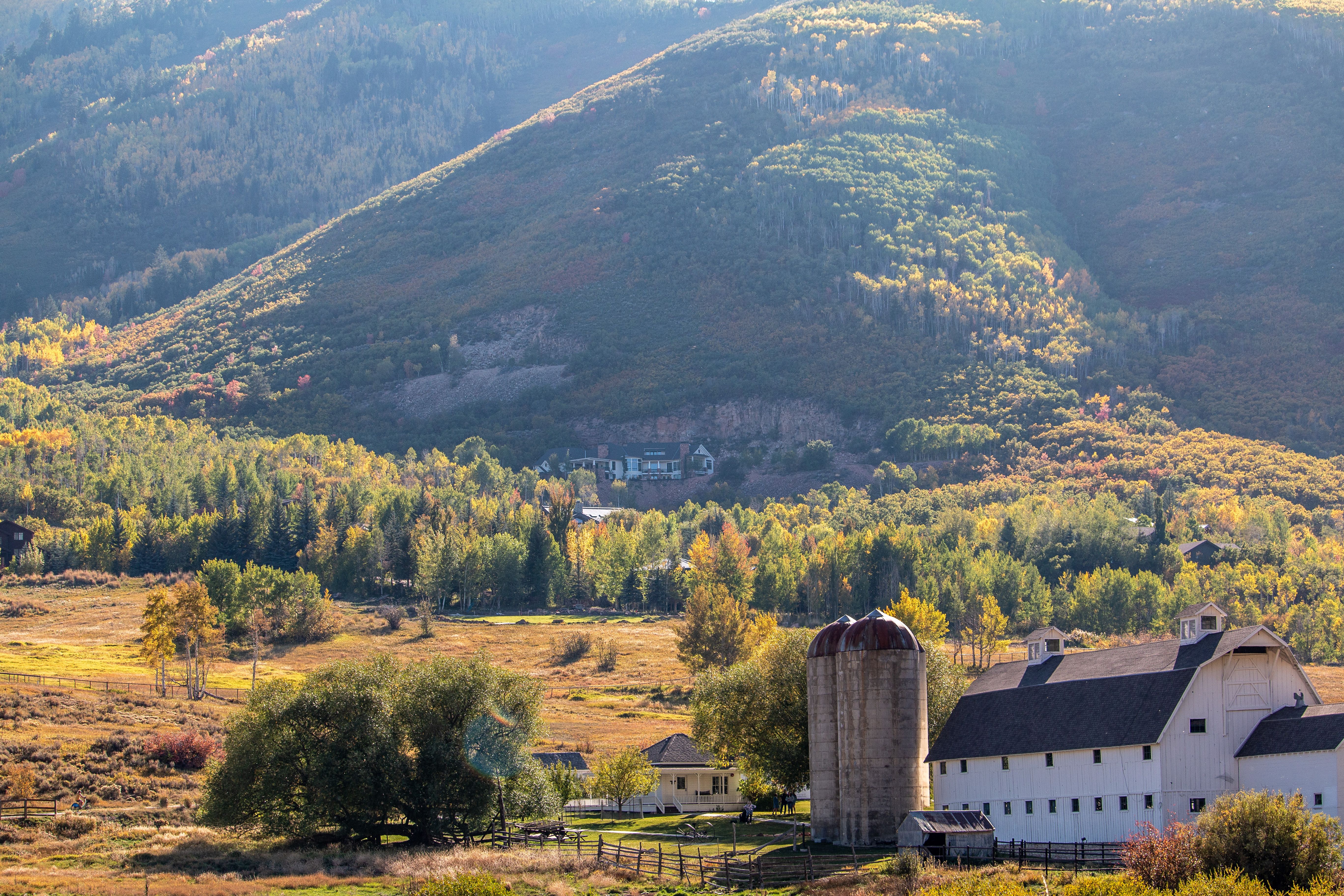
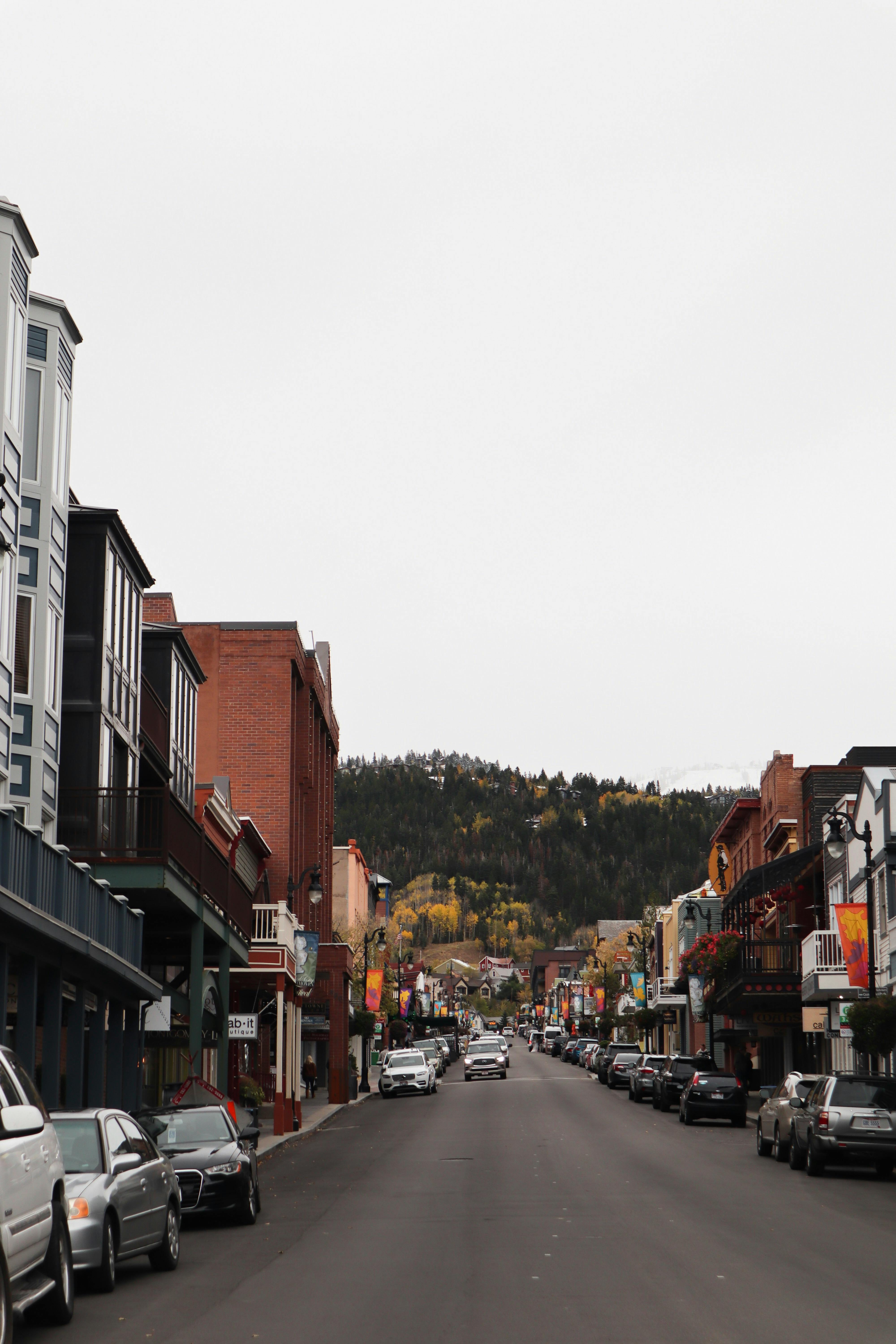
Here is what surprises most newcomers: Park City is arguably better in the summer and the fall. Mountain biking here is world class. And if you hit Main Street in the fall after everyone has gone back to school, the weather is perfect, the restaurants are not crowded, and you can actually experience the town without fighting a crowd. The rhythm of the year matters more than the snow report.
One shift worth knowing about: after 40 years in Park City, the Sundance Film Festival held its final Park City edition in January 2026 and moves to Boulder, Colorado starting in 2027 under a 10-year deal (KSL-TV). Winter here will still be busy. It is going to feel a little different.
2. What Homes Actually Cost in Park City and the Wasatch Back
This is the one that shocks people most. Park City is one of the most expensive small town destinations in the entire country. It is a relative bargain next to Jackson Hole or Aspen, but that is a very particular definition of bargain.
Here is where the market actually sits. Through the first half of 2026, single-family homes in the Park City area posted a median sale price of $3,160,000, while condos and townhomes posted a median of $1,300,000 (Park City Board of REALTORS). Those two numbers tell you almost everything about how to plan a purchase here.
A lot of people arrive from California or New York assuming Utah means cheap. Compared to coastal metros it often is. Compared to what they pictured for a mountain town, it usually is not.
On the rental side, the average rent in Park City runs around $2,264 per month across apartment-style inventory, with one-bedrooms near the center around $2,090 (Apartments.com). Whole single-family homes rent for meaningfully more than that, so treat the apartment average as a floor rather than a forecast.
Day to day costs follow the same pattern. Groceries cost more. Restaurants cost more. Gas costs more. You can absolutely still find reasonably priced goods here and you do not have to buy the most expensive version of everything, but the seven dollar latte and the twenty five dollar burger are real. Park City functions like a luxury brand community, and living here long term means being okay with that.
3. Where You Can Still Get Into Park City Without Spending $20 Million
You do not have to spend 20, 30, or 40 million dollars to own something exceptional here. Properties do sell at those numbers, and people assume that is the entry point. It is not.
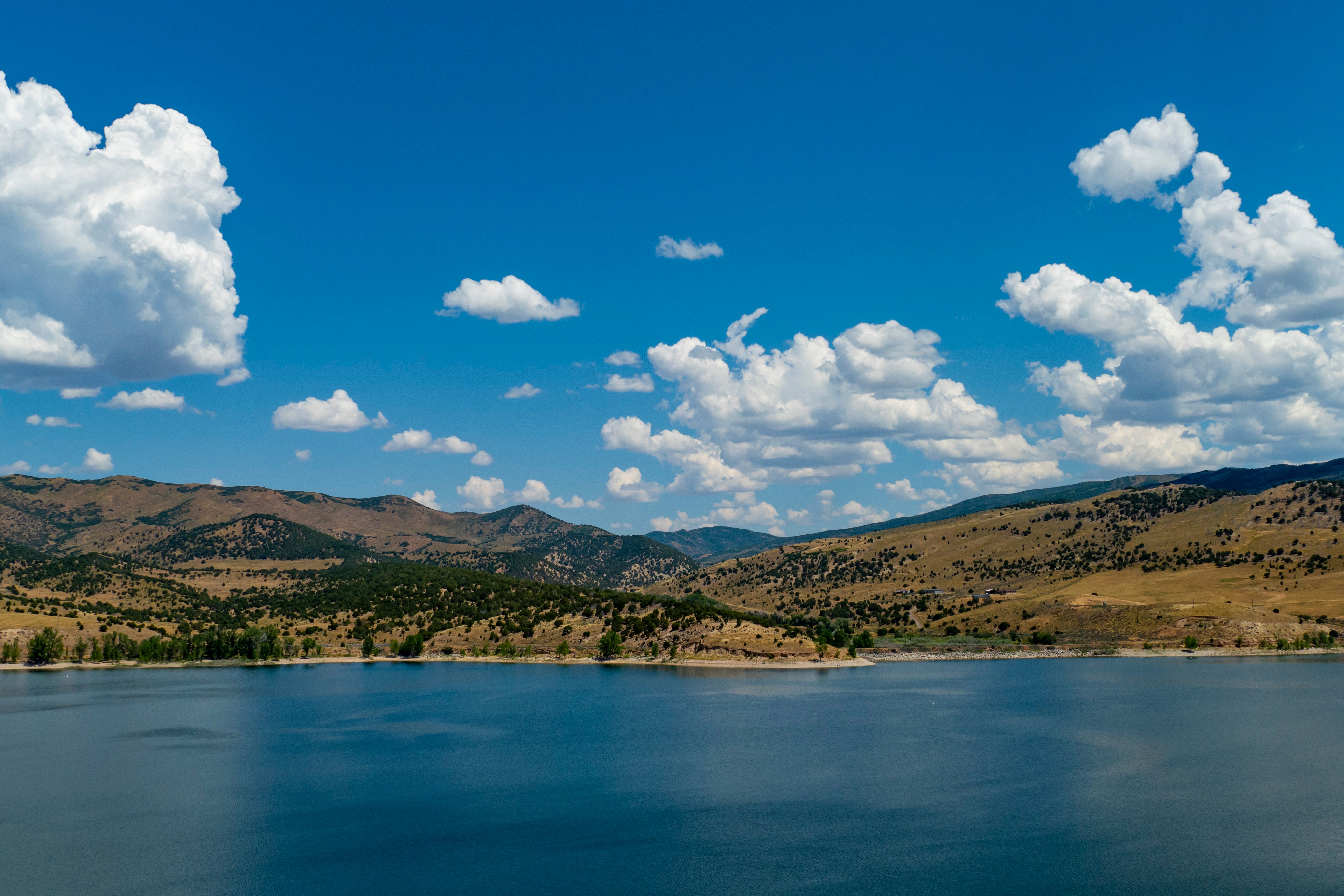
Some of the fastest growing luxury pockets are not in Park City proper at all. They are just outside it, moving south and east into Heber City, Midway, and the Jordanelle corridor. New communities are taking hold on both the west and east sides of Jordanelle Reservoir with views over the reservoir, Deer Valley, and the surrounding peaks.
The east side is where the biggest changes are happening. The former Mayflower resort is now Deer Valley East Village, and the adjacent Marcella Club at Jordanelle Ridge includes Tiger Woods first mountain golf course design, an 18-hole layout of more than 8,000 yards (TGR Design).
South of there, Heber Valley is absorbing an enormous amount of planned growth. Seven approved developments total more than 11,200 residential units and are projected to add roughly 30,000 to 35,000 residents to Wasatch County (TownLift). A separate proposal called Wasatch Highlands would add about 700 homes plus a hotel and retail on 2,700 acres east of Heber (KPCW).
Not every local is thrilled about that. But if you are buying, that pipeline is exactly why there are still pockets in this region where you can get in ahead of the appreciation instead of chasing it. Finding them takes someone who has walked them.
What the Weather and Altitude Are Really Like at 7,000 Feet
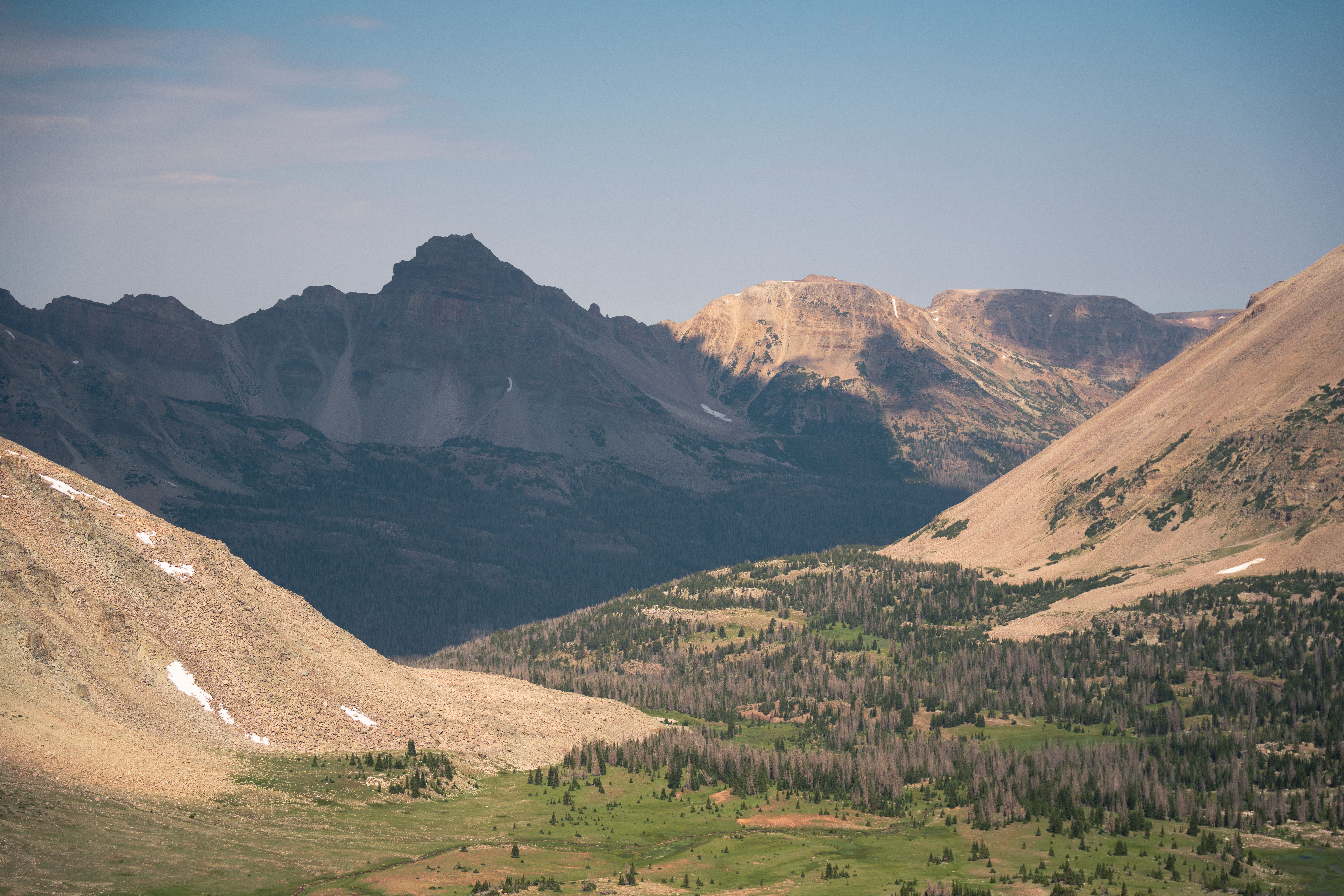
Park City has a genuinely different climate than Salt Lake City and the rest of the Wasatch Front, and that climate will define your daily life more than you expect.
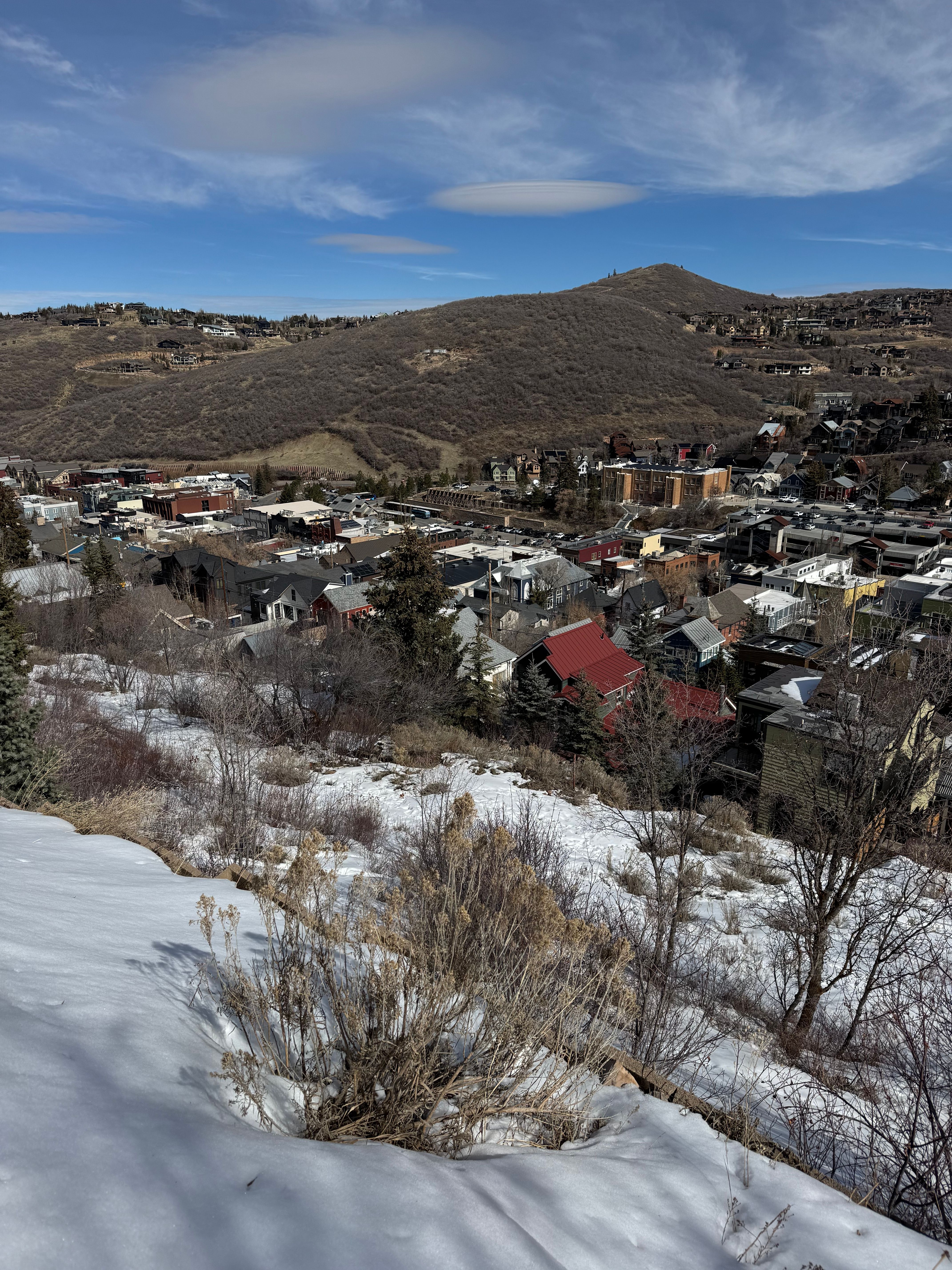
Winters feel long. Snow can show up in October or November and hang on well into March and April. Summers are gorgeous and short. Spring and fall swing hard, and it is not unusual to get 78 degrees one day and 38 the next. You want a closet that can handle both.
Practically, that means you are either shoveling and pushing snow yourself or paying someone to do it. And all-wheel drive or four-wheel drive is close to a requirement here. Dedicated winter tires are optional if you run good all-terrain tires, but the drivetrain is not.
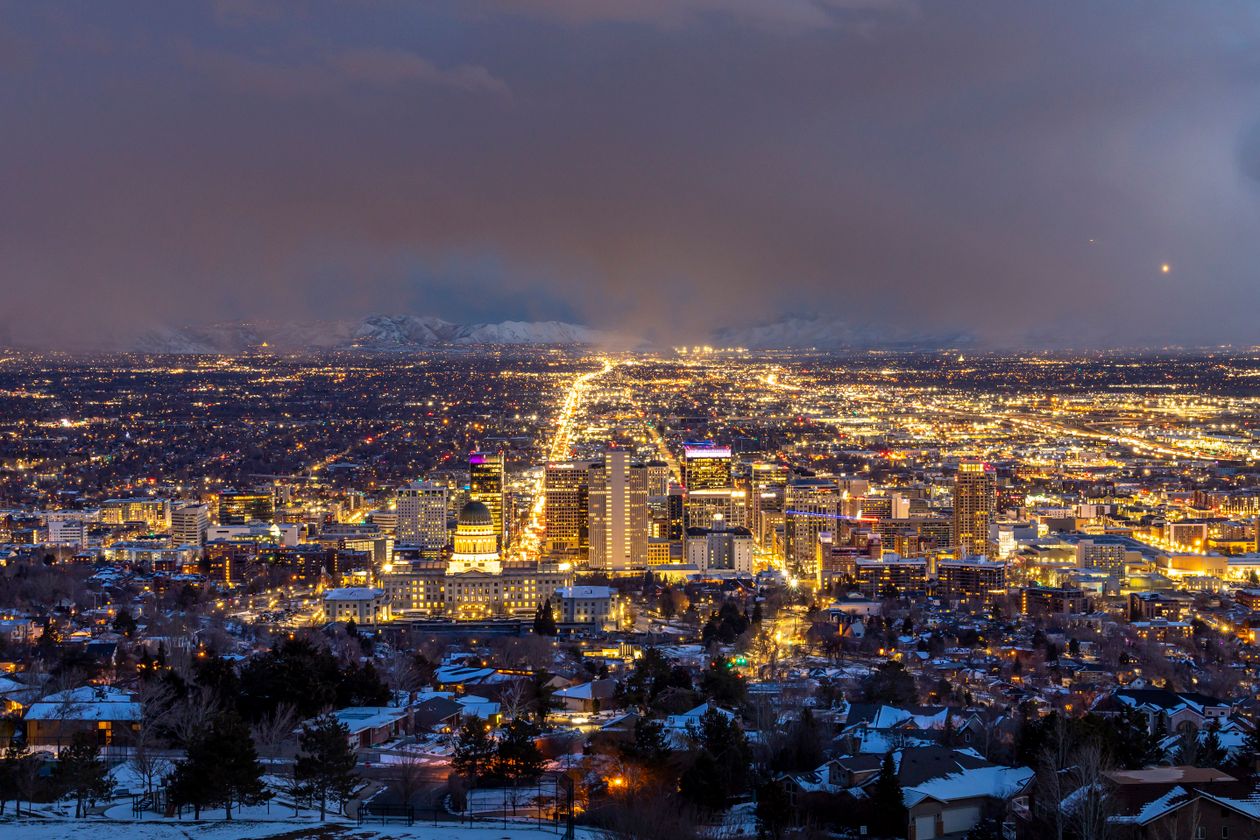
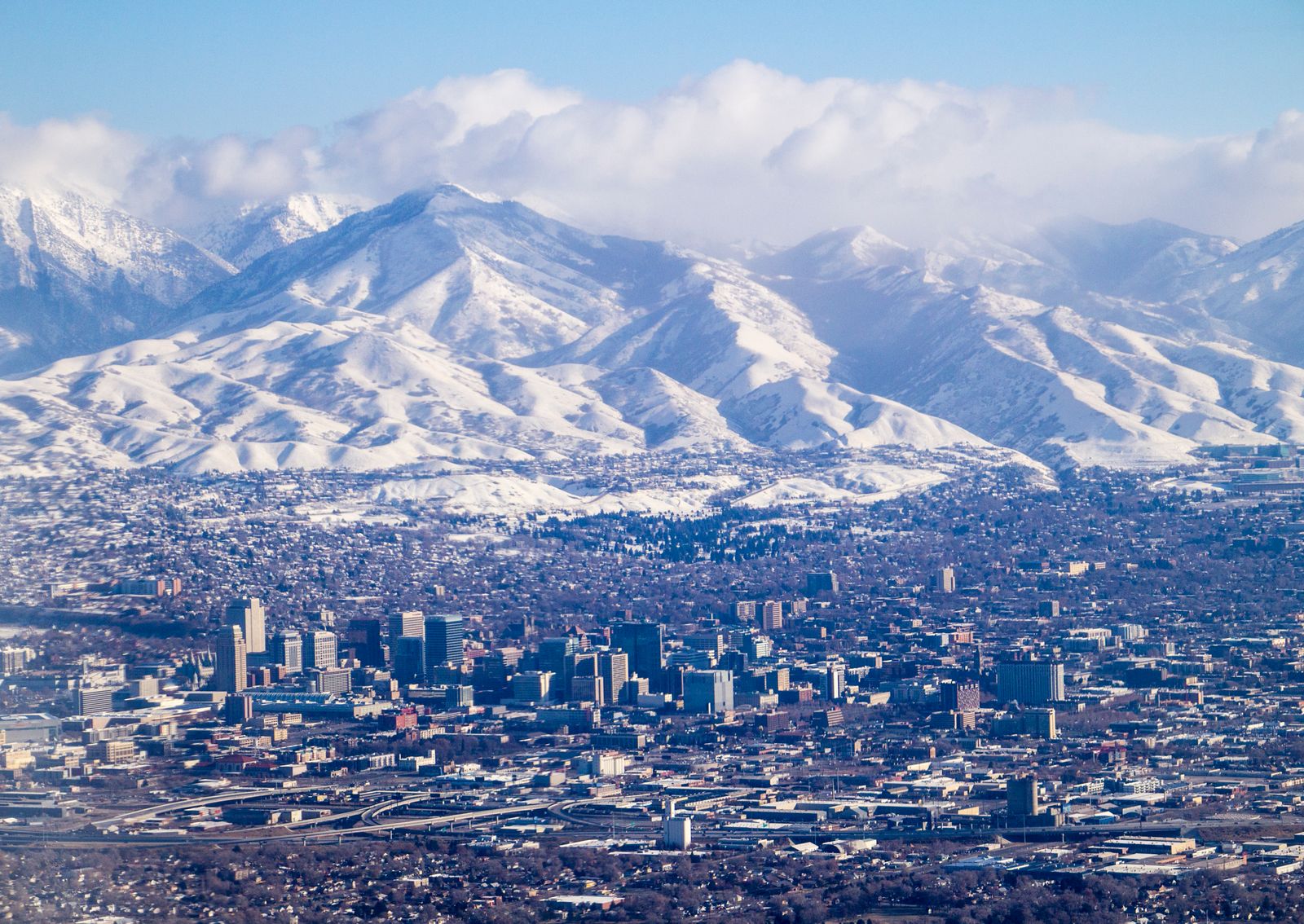
Then there is altitude, which almost nobody factors in. Salt Lake City sits around 4,265 feet. Park City sits near 7,000 (Park City, Utah). That difference is real. For the first few weeks you will be short of breath, slower to recover, and gassed earlier during exercise than you are used to. Most people acclimate in under a month, and then it stops being a thing. But plan for it, especially if you are moving from sea level.
If you love four true seasons, I do not think there is anywhere better. If you want warm weather year round, this is not your place.
Can You Actually Find a Job in Park City?
Park City is a resort economy, and that shapes the job market in ways people do not anticipate. Most of the jobs based here are tourism, hospitality, or resort related. If you are looking for professional or corporate roles, you are generally looking 30 to 45 minutes down the canyon toward Salt Lake City.
Most people who live here full time fall into one of three buckets. They work remotely. They commute to the Salt Lake metro. Or they already built their business or career somewhere else and brought the income with them.
There is a hard truth underneath that: average wages in the Park City area do not line up with the cost of living here. I have a hard time picturing someone earning the local average wage affording a home in this market. Park City works best for people who bring their own income with them.
Is Park City the Right Fit for You? Community and Pace
This is the most overlooked piece, and to me it is the most important. Park City is not a one-size-fits-all lifestyle and it is not the right place for everybody.
The locals are warm, friendly, and genuinely welcoming. It is also a town that fills up with wealthy part-time owners during peak winter, people whose Park City place is their third or fourth home. That is just the reality of the market here.
If you are into the outdoors, you like small town charm, and you do not mind a slower pace than Salt Lake City, you will love it. If you crave real city nightlife and big city amenities, Park City will leave you wanting. The saving grace is that Salt Lake is 30 to 45 minutes away, with an international airport, a thriving dining scene, professional sports, and concerts. It is not a nightlife capital, but it covers most of what people miss.
Park City is not for everybody. For the right person, it is paradise.
Frequently Asked Questions About Moving to Park City
How much do I need to spend to buy in Park City?
Through the first half of 2026, single-family homes in the Park City area had a median sale price of $3.16 million and condos and townhomes a median of $1.3 million. Condos and townhomes are the realistic entry point for most buyers, and the Jordanelle, Heber, and Midway corridors widen the options further.
Is Park City cheaper than Aspen or Jackson Hole?
Generally yes. Park City still delivers real value relative to those markets. It is not cheap in absolute terms, and expecting Utah pricing rather than resort pricing is the single most common miscalculation I see.
Do I need a four-wheel drive vehicle to live in Park City?
Practically, yes. All-wheel or four-wheel drive is close to a requirement given snow from roughly October into April. Dedicated snow tires are a preference, not a necessity, if you run quality all-terrain tires.
Will the altitude bother me?
For the first few weeks, probably. Park City sits near 7,000 feet, about 2,700 feet above Salt Lake City. Expect shortness of breath and slower recovery until your body acclimates, which usually takes under a month.
Thinking About Moving to Utah? Let's Talk.
Utah is one of the fastest-growing states in the entire country, and navigating the cultural landscape alongside the real estate market takes genuine local expertise. Whether you're considering Salt Lake County, Utah County, Davis County, or further out — finding the right neighborhood for your lifestyle, budget, and long-term goals makes all the difference.
My team and I work exclusively with buyers and sellers navigating the Utah real estate market. We help you cut through the noise, match the right submarket to your specific lifestyle and priorities, and make sure you're buying from a position of clarity — not FOMO.
Book a call with us HERE — free 30-minute consultation
Check out our relocation guide HERE
Subscribe to our weekly newsletter HERE
Categories
Recent Posts