Moving to Utah: What You Need to Know Before You Move
 Moving to Utah: What You Need to Know Before You Move
Most people don't move to Utah because of a video. They move because of a spreadsheet, or a job, or a number on a mortgage statement that stopped making sense where they live right now. By the time somebody calls me, the decision is basically made. What they're actually looking for is somebody to tell them the truth about what they just decided.
So here's the plain version: the layout, the math, the calendar. The stuff a friend who actually lives here would tell you over dinner without trying to sell you anything. I've put it in the order I'd actually explain it to you, not the order that makes Utah look best.
1. Fix the Map in Your Head First
When people say they're moving to Salt Lake City, most of them are not moving to Salt Lake City.
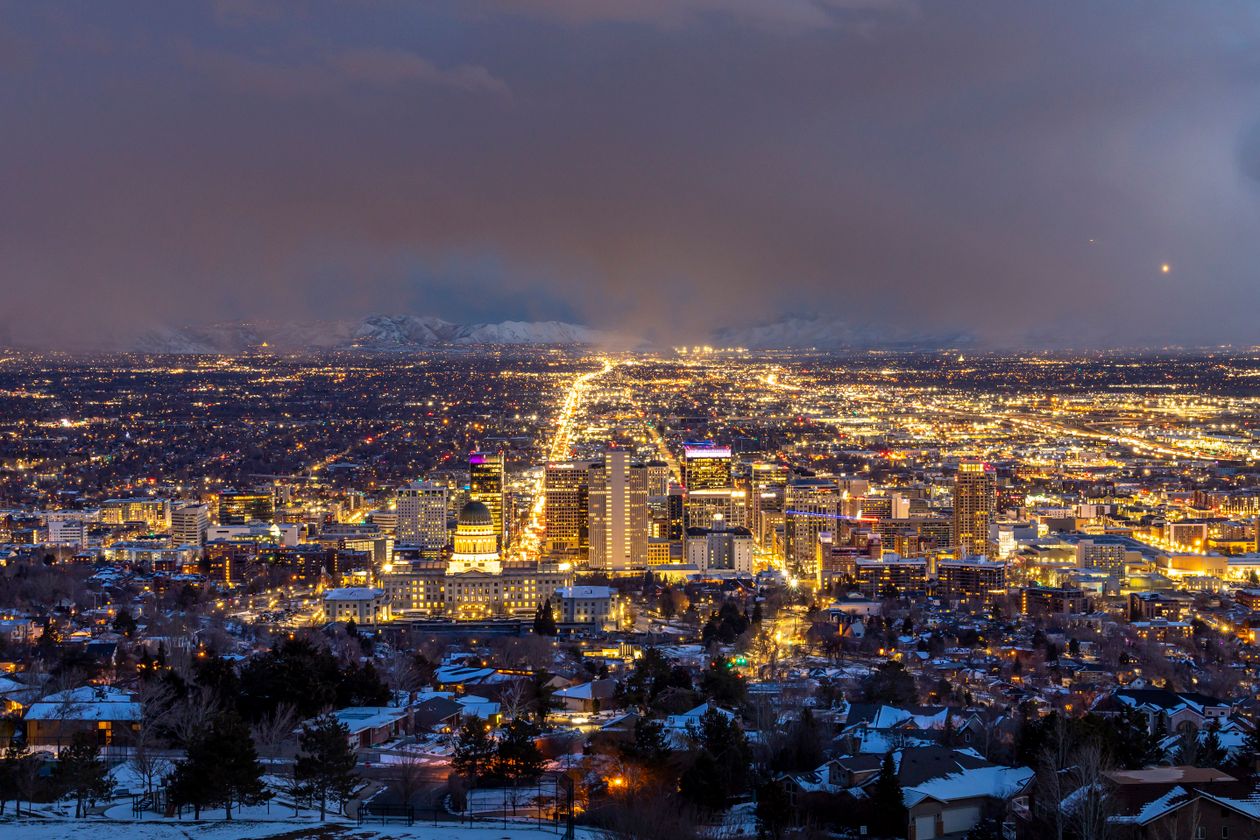
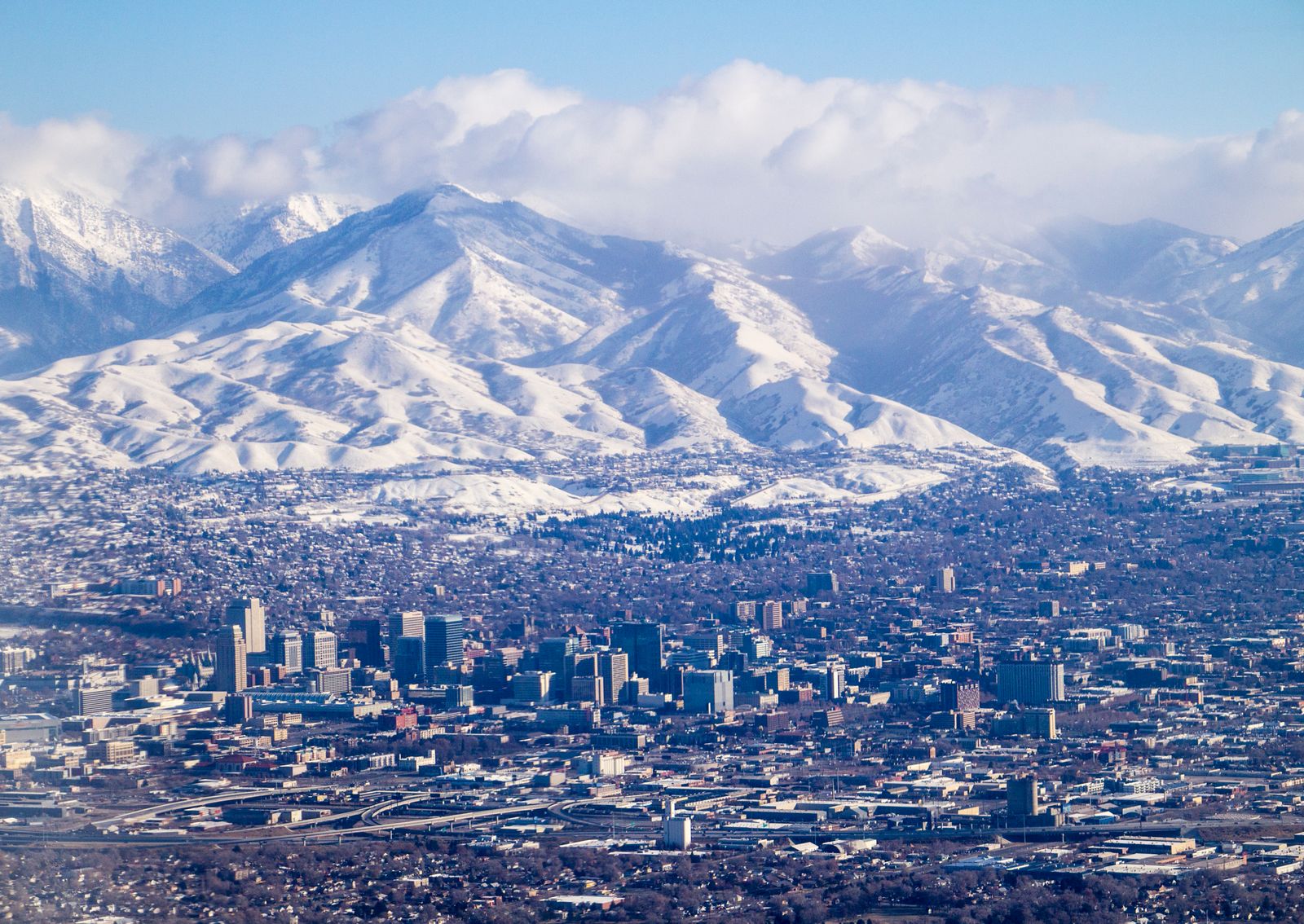
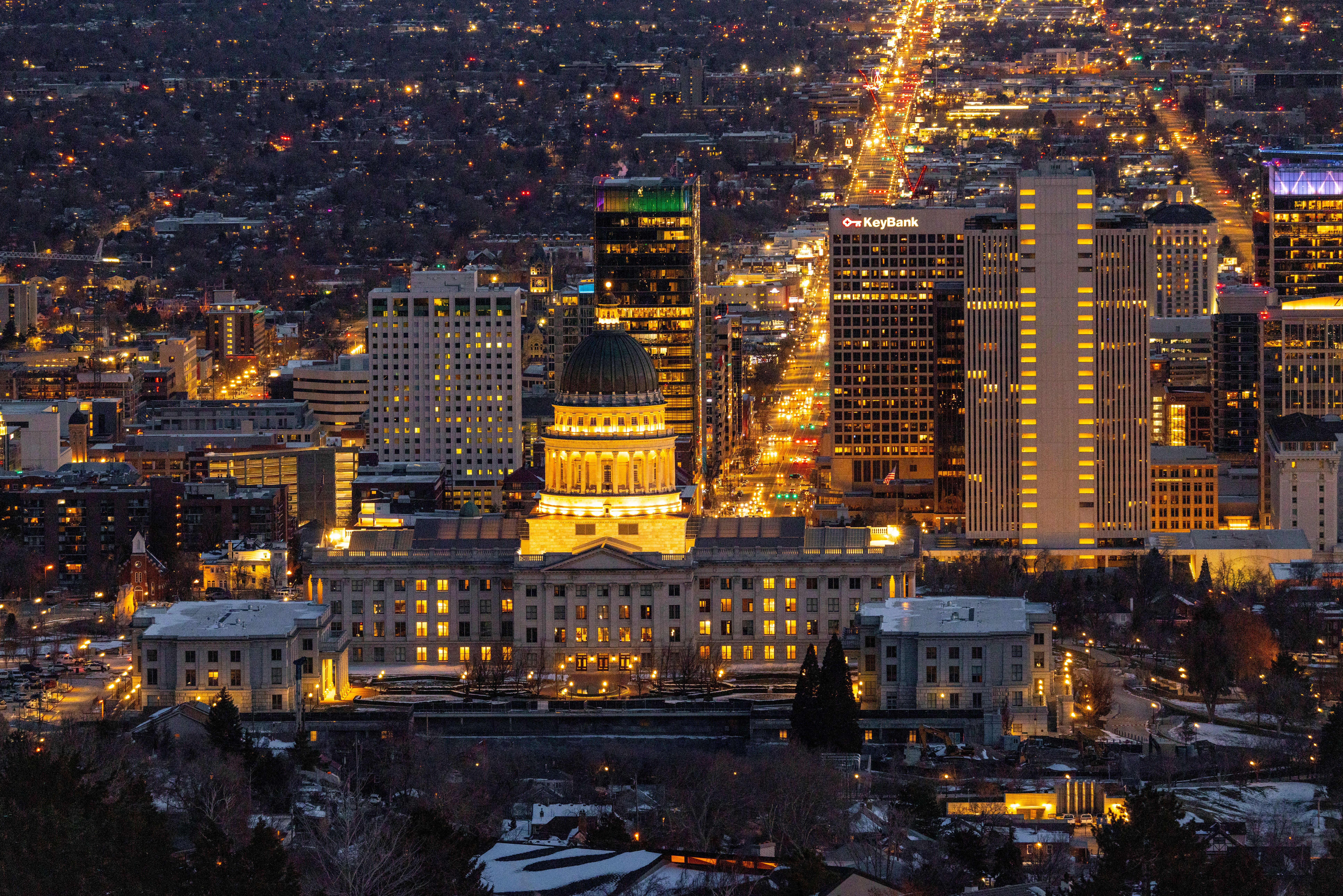
Here's the actual shape of this state. The mountains run north to south. At the base of them on the west side there's a strip of flat, buildable land in the mountain valleys, about 120 miles long and in most places only 10 or 15 miles wide. That strip is called the Wasatch Front, and roughly 80% of everybody in Utah lives on it.
North to south it's Ogden, then Davis County (Layton, Farmington, Bountiful), then Salt Lake City, then the south end of the valley (Draper, Sandy, South Jordan, Herriman), then a pinch in the terrain everybody here calls the point of the mountain, then Utah County (Lehi, American Fork, Saratoga Springs, Eagle Mountain, Pleasant Grove), then Provo. That's the state, population-wise.
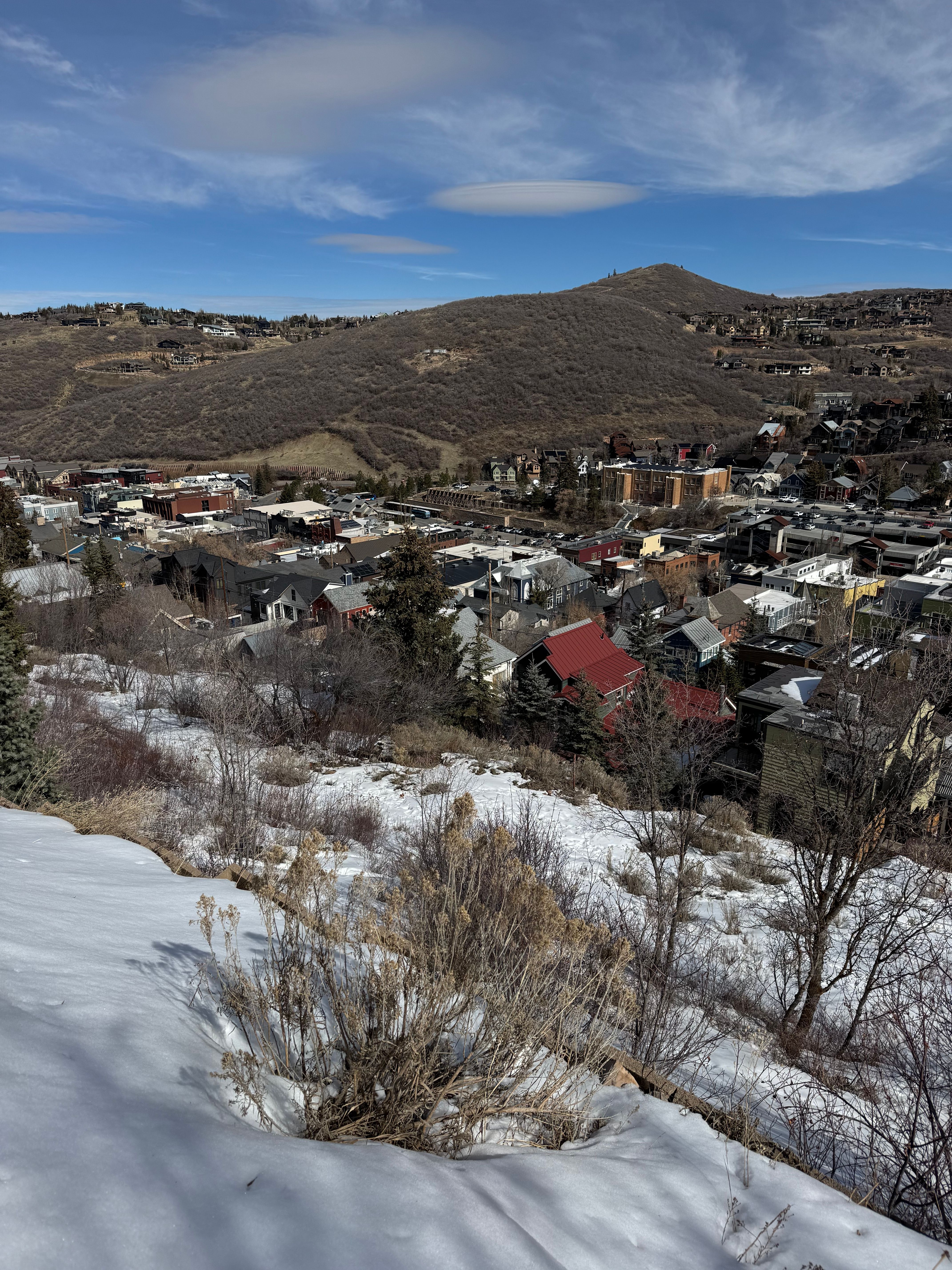
A couple of exceptions worth knowing. Park City is not on that strip. It's over the ridge in Summit County, about 30 minutes up a canyon, and it's a genuinely different market with genuinely different prices. St. George is four hours south in Washington County, 2,000 feet lower, red rock instead of granite. People compare Salt Lake and St. George as if they're neighbors. They're farther apart than New York City and Boston.
2. East or West, and How High
Because the buildable land is a narrow strip with mountains on one side, almost everything here is oriented east to west. The mountains are always east. Locals give directions that way and you'll pick it up in about a week.
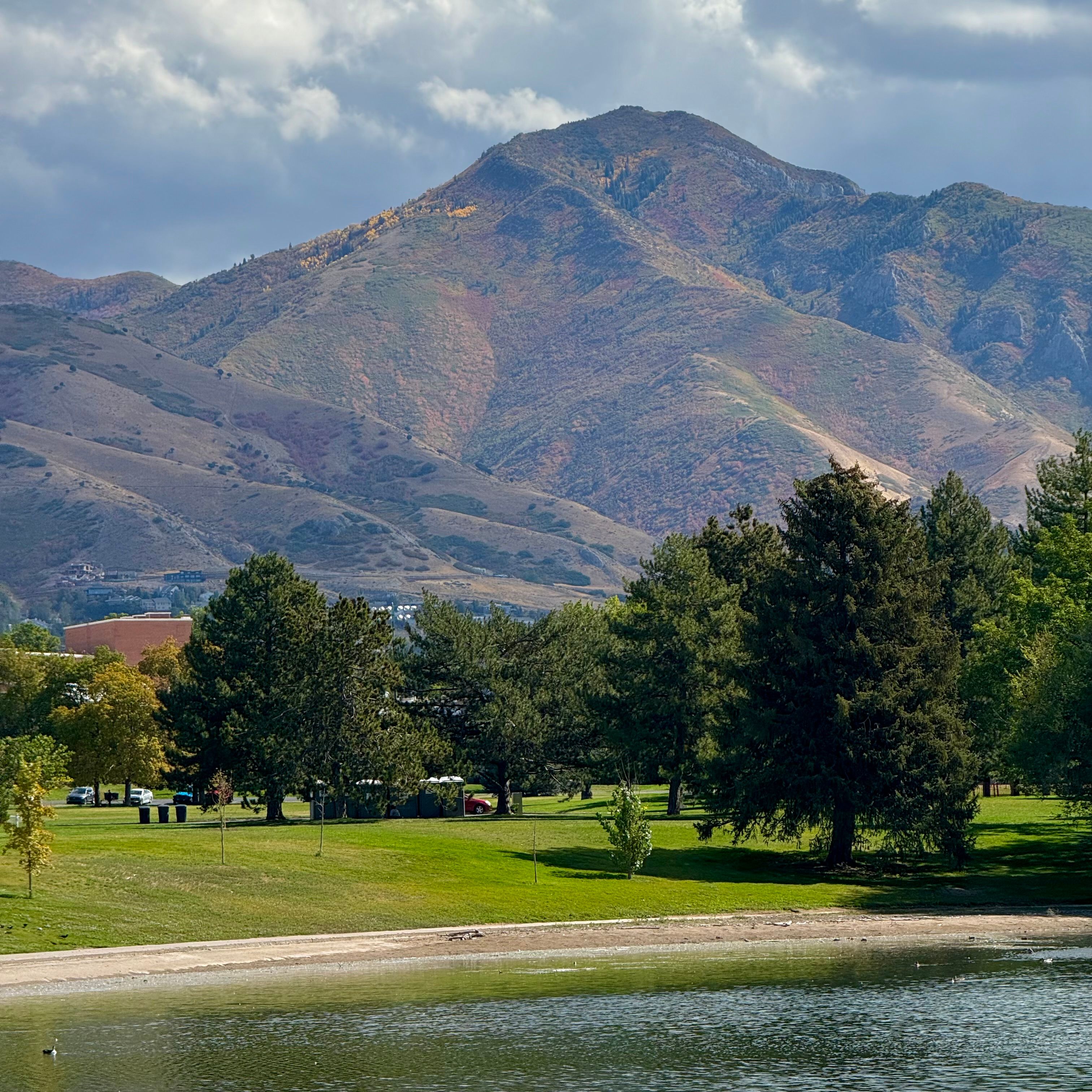
As you move east toward the mountains, you're climbing. Those elevated neighborhoods are called the benches. Bench versus valley floor is one of the most meaningful distinctions in Utah real estate, and it never once shows up in a listing. It changes your view, your price, your winter driving, your commute, and in January it can change the air you're breathing. Same city, sometimes the same zip code.
So when you tell me you're looking at Salt Lake City, my first question isn't budget. It's east or west, and how high.
3. What the Money Really Looks Like
Utah's income tax is a flat 4.45%, and that's the sixth cut in six years. Property taxes are among the lowest in the country, roughly half a percent effectively, with a significant primary residence exemption behind that number. Homeowners insurance here is consistently cheaper than Texas, Florida, Colorado, and certainly coastal California. The state also just cut the gas tax.
If you're coming from California, you'll feel that difference in the first pay period. If you're coming from Texas, the trade is a state income tax you didn't pay before in exchange for a property tax bill roughly a third of what you're used to. For most people with a normally priced house, that trade comes out ahead here.
Now the other side. Utah has the highest median household income in the country once you adjust for what things cost here, about $98,000. That's a real number and it sounds fantastic. Here's the honest thing underneath it: Utah also has the largest average household size in the country. Household income and personal income are not the same thing, and part of why that number leads the nation is that there are more people per household contributing to it.
So don't compare your salary to Utah's median household income and feel good. Compare your household's take-home to a Utah mortgage payment at today's rates on a house you'd actually want. That's the only number that matters, and it's the number people skip.
One small thing nobody mentions: Utah still charges sales tax on groceries at a reduced rate. If you're coming from a state that exempts food, you'll notice it the first month.
4. The Economy Is Strong. The Hiring Is Slower. Both Are True.
Unemployment here is around 3.6% against a national rate closer to 4.4%. The state added roughly 21,800 jobs over the last year, about 1.2% growth, when the country as a whole grew at three tenths of a percent. Four times the national pace. The information sector, a big chunk of what people call Silicon Slopes, grew over 6%.
Every one of those numbers is good. And I still know people who have been looking for months.
Here's the tension that doesn't make it into relocation content. Low unemployment measures the people who already have jobs. It does not measure how hard it is to get one right now. Hiring managers along the Silicon Slopes corridor describe 500 to 800 applicants on a single posting within a week of putting it up. The stretch between Lehi and Provo that hired anybody with a pulse in 2021 is not doing that in 2026. And it hits younger workers hardest, with unemployment for ages 20 to 24 running above 8%.
So the practical version: if you have a job lined up, or you're remote and stable, Utah's economy will treat you very well. The growth is real. If your plan is we'll move and we'll find something, give yourself a much longer runway than you think you need, and rent when you get here rather than closing on a house in month one.
5. What a Year Here Actually Feels Like
Salt Lake City sits at about 4,400 feet. Park City is closer to 7,000. Most of the Wasatch Front is somewhere in between. Elevation is not trivia here.
If you're coming from near sea level, give yourself two to three weeks to acclimate. People arrive, go hard on a hike the first weekend, and end up with a headache and no idea why. Drink more water than you think you need. If you're flying out to house hunt, plan that first day a little lighter.
The sun is stronger at this elevation and there's a lot of it. That's a genuine quality of life win most of the year. It also means a south facing driveway clears itself in February and a north facing one stays sheet ice for a week. That's worth thinking about while you're standing in front of a house in July.
Winter is why a lot of you are reading this. The snow in the Cottonwood Canyons is legitimately world class, and the resorts are 30 to 40 minutes from downtown Salt Lake City, a combination almost nowhere else has. Down in the valley you get less snow than people expect and the roads get cleared efficiently. What you do get in January is the inversion, a cold air lid that traps everything in the bowl for days at a time. It's real, and it's a geography question more than a city question.
Spring can be short and moody. Summer is hot and dry, high 90s and sometimes into the hundreds, with real cooling at night in a way humid parts of the country never get. Some years there's wildfire smoke blowing in from other states. Fall is the payoff: six or seven weeks of the best weather in the country, and everybody who lives here knows it.
6. How to Pick an Area Without Wasting a Trip
Almost everybody does this in the wrong order. They pick a city off a best places to live list, fall in love, and then discover the commute or the price or the drive to the thing they actually moved here for. Do it in this order instead.
Which direction does your work pull you? Not where the office sits on a map. Which way you're pointed on a dark Tuesday morning. Everything on the Wasatch Front funnels onto one freeway, I-15, and there is no real alternative for most trips. If your work is in Lehi and you buy in Bountiful, you've signed up to cross the point of the mountain twice a day for the next ten years, and the map will never show you what that costs.
What do you want your Saturday to look like? This sounds soft and it's the one that determines whether you're happy here in three years. Ski days means south and east of downtown, or up in Summit County near a canyon mouth. A lake and a boat is a different direction entirely. A big yard, land, and a shop means further out. Answer it honestly, not aspirationally.
What does your budget actually buy in each county? The counties are not close on price. Salt Lake County is around $640,000 for a single family home. Utah County is about $600,000. Davis about $568,000. Weber about $499,000. Tooele about $487,000. That spread is more than $100,000 top to bottom, and it's buying you completely different lives. Not better or worse, just different.
Then come out and drive it. Pick the two corridors you're deciding between and drive both on a weekday in the dark. And if you can possibly manage it, come once in the winter. Anybody can love this place in September.
7. The Clock That Starts the Day You Arrive
This part is pure logistics, and it quietly costs people a Saturday and sometimes a fine.
Once you establish residency, you have 60 days to register your out-of-state vehicles. Not a year. Sixty days. Five counties require emissions testing, which is where most of you will live: Cache, Davis, Salt Lake, Utah, and Weber. The schedule depends on the model year, and it's a separate errand from registration itself. What Utah does not require for a standard passenger vehicle is an annual safety inspection, so if you're coming from a state where you did both every year, you get one back.
Get your driver's license done early, because you'll need it for everything else, and bring more documentation than you think you need the first time.
And the one that costs real money: tax residency. If you're leaving a high-tax state, understand that they do not simply take your word for it. Residency is a facts and circumstances question. Where your license is, where your cars are registered, where you vote, where you actually sleep most nights, where your bank and your doctors are. People leave one foot behind and then get an unpleasant letter about a part-year return a year and a half later. I'm a real estate agent, not a CPA, so this isn't tax advice. What I'm telling you is that this happens, and the time to talk to an actual accountant is before you move, not after.
8. The Most Expensive Mistake Is Timing, Not Which House
Here's the market as it sits. Salt Lake County just set a record high at $640,000 for single family homes, up almost 5% year over year. Utah County and Davis County both slipped slightly. Days on market in Salt Lake County is 48, up from 45 a year ago. New listings are up. Thirty-year rates are sitting a little under 7%.
So it isn't one market. The upper end is soft and sitting. The entry and mid-level, which is what most people are shopping, still moves within a couple of months when it's priced right and shows well. For comparison, rent averages a little over $1,600 a month in Salt Lake City, closer to $1,800 to $2,000 for a two bedroom.
Here's the part I actually care about. Almost everybody moving here tries to buy on their first trip out. They fly in Thursday, see nine houses Friday and Saturday, write an offer Sunday, and fly home Monday having made a $600,000 decision about a valley they've been inside of for 72 hours. I understand why. It feels efficient.
Utah's standard purchase contract runs on deadlines and moves faster than a lot of you are used to. Once your due diligence window closes, your earnest money is exposed in a way it wasn't the day before. That structure rewards people who are genuinely ready and it is unkind to people who are still deciding.
So here's what I tell my own relocation clients, and it costs me money to say it. Consider renting for six months. Rent in the corridor you think you want. Drive the commute in the dark in January. Figure out whether you're a bench person or a valley person, and then buy the right house instead of the available one. Six months of rent is a few thousand dollars. Buying in the wrong corridor is $100,000 and three years of your life.
And if you can't rent first, split it into two trips. Trip one is corridors: no houses, no offers, no lockboxes. You drive, you sit in traffic, and you fly home having eliminated most of the map. Trip two is houses, and by then you know which twelve square miles you're shopping in, so when a good one shows up you can move on it the same day. The people who lose houses here almost never lose them on price. They lose them because they were still deciding what part of the valley they liked while somebody else was already writing.
9. Who Should Think Harder About This
I'd rather say these out loud now than let you find them eight months from now with a mortgage you're attached to.
If you need a deep, wide job market where you can change employers three times without changing cities, this is a strong economy but it is not a massive one. Ask yourself what happens if the specific job you're moving for ends in 18 months.
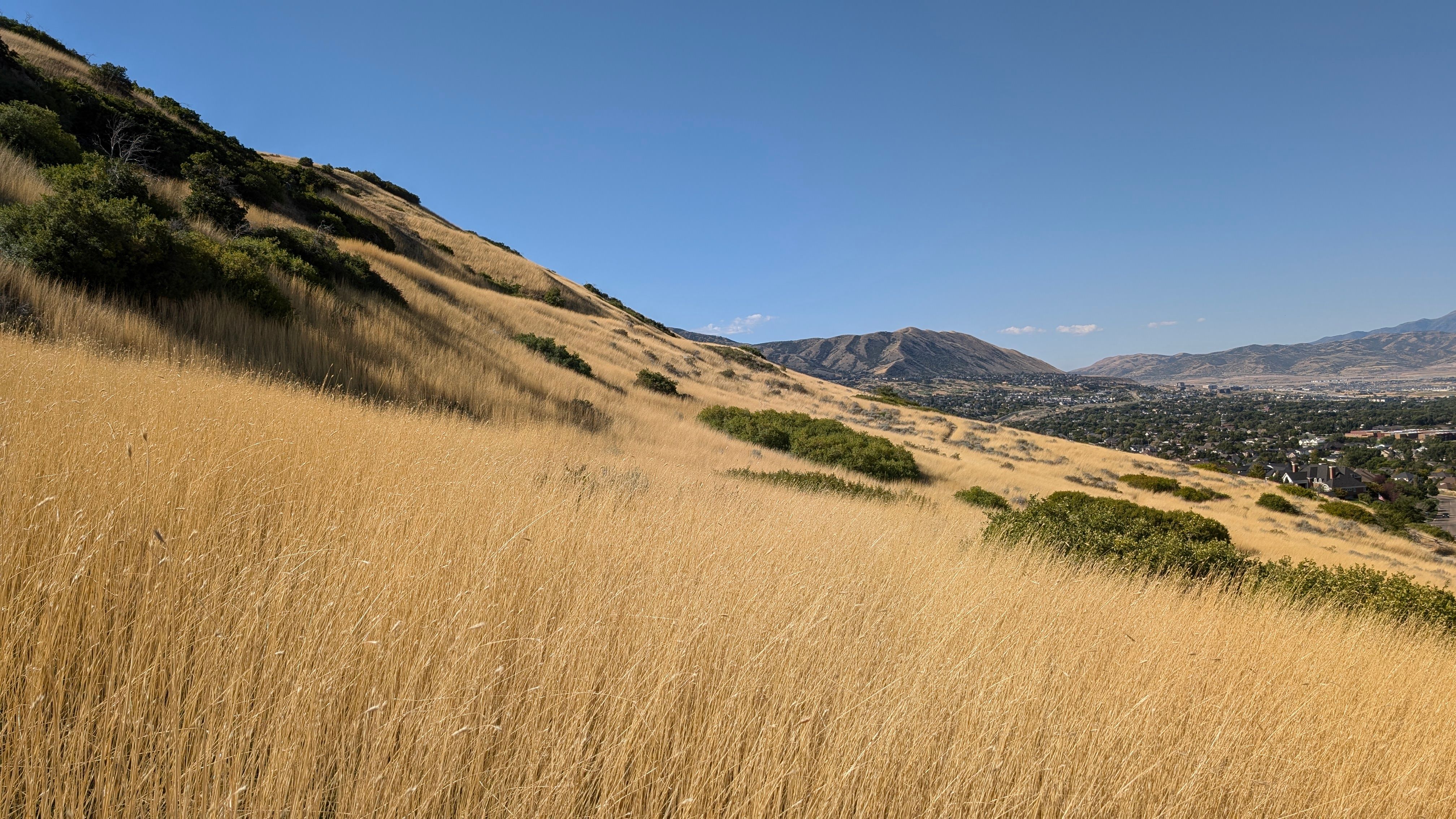
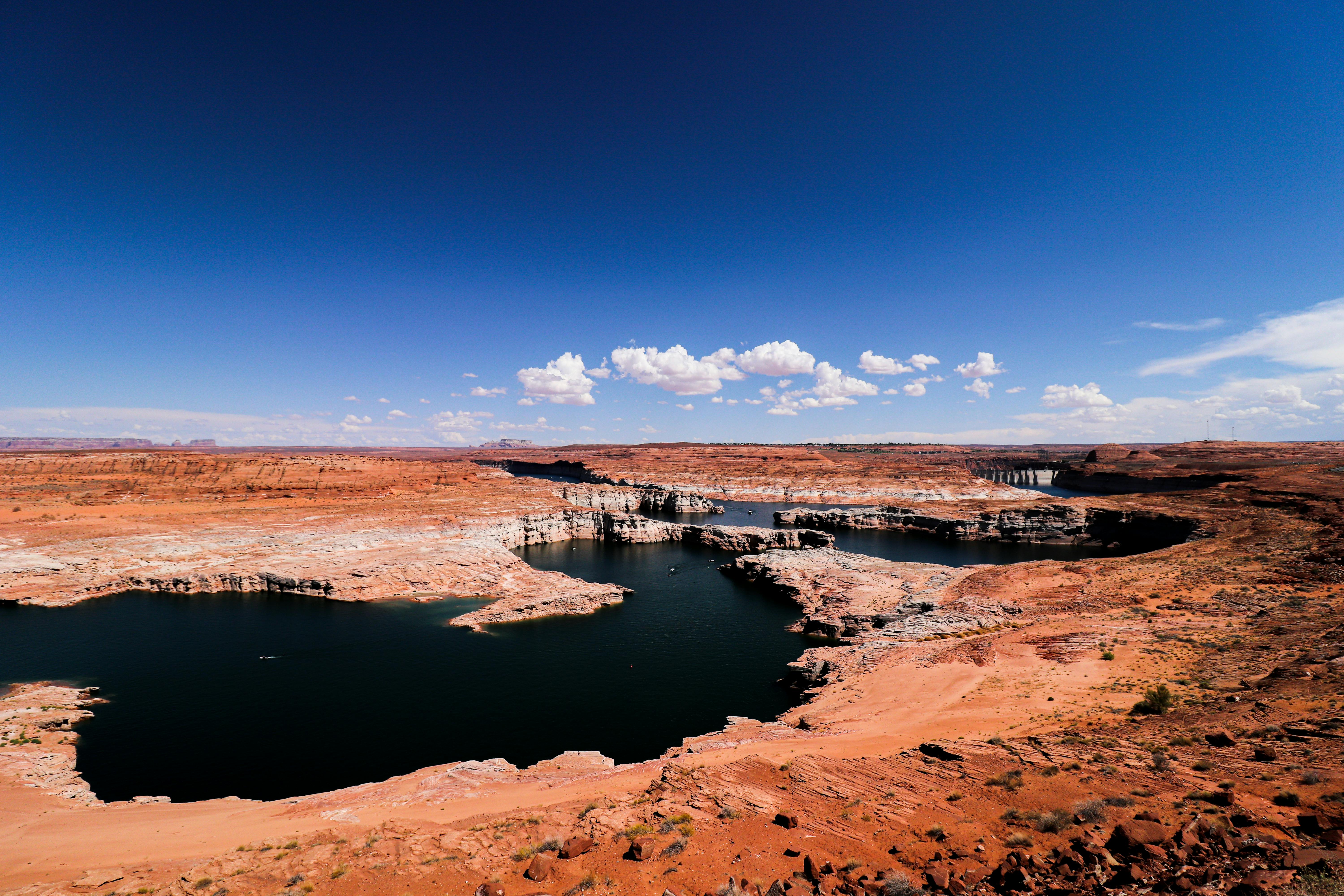
If you need green year round, sit with this honestly. This is high desert. The foothills are golden brown by the end of summer, and people who moved here from the Pacific Northwest tell me that's the adjustment nobody warned them about.
If clean air is non-negotiable, especially for a kid with asthma, look hard at the winter inversion data before you fall in love with a house in a specific area, not after. There are plenty of parts of Utah with excellent air. Just know which one you're buying into.
And if you want a dense, walkable, open-late city, Salt Lake is a great small city, and it is a small city. Some people show up expecting Denver or Seattle. It isn't that.
None of that is a reason not to come. All of it is a reason to come prepared.
Thinking About Moving to Utah? Let's Talk.
Utah is one of the fastest-growing states in the entire country, and navigating the cultural landscape alongside the real estate market takes genuine local expertise. Whether you're considering Salt Lake County, Utah County, Davis County, or further out — finding the right neighborhood for your lifestyle, budget, and long-term goals makes all the difference.
My team and I work exclusively with buyers and sellers navigating the Utah real estate market. We help you cut through the noise, match the right submarket to your specific lifestyle and priorities, and make sure you're buying from a position of clarity — not FOMO.
Book a call with us HERE — free 30-minute consultation
Check out our relocation guide HERE
Subscribe to our weekly newsletter HERE
Categories
Recent Posts