Why Are So Many People Moving to Utah?

Why Are So Many People Moving to Utah?
Let me start with a number that still surprises me, and I live here. In a single year, about 36,000 more people decided to call Utah home. Whole towns south of Salt Lake have gone from farm fields to sold out subdivisions in the time it takes to raise a family.
So the question everybody is asking, whether they're thinking about moving here or they already live here and are watching it happen out their back window, is simple. Why?
Most of what's out there is either a tourism ad or somebody who has never actually lived through a Utah winter or bought a house here telling you it's perfect. It isn't perfect. It's really good for the right person and genuinely the wrong move for some people. Here's both sides.
1. The Jobs Are the Engine
If you ask people why they moved to Utah you get romantic answers. The mountains, the lifestyle, the space. Underneath almost all of it is something less romantic and more practical. Work.
Jobs are the number one reason people move to Utah. Unemployment sits around 3%, against a national rate over 4%. That gap sounds small until you translate it: when you land here, there's a real, healthy chance of finding work.
And not just any work. There's a tech corridor running from the south end of Salt Lake County down through Lehi and into Utah County that people call Silicon Slopes, and it isn't a nickname anymore. It's become one of the fastest growing technology employment markets in North America. Tech employment here has grown more than 50% since 2000. Adobe, Microsoft and Meta all have a serious footprint along that stretch of I-15, alongside a wave of homegrown Utah companies.
Here's the part that makes people's eyes go wide if they're coming from a big coastal job market. In a lot of Utah there are more good jobs chasing people than people chasing jobs. In some of these markets the number of applicants per high paying job is astonishingly low compared to the rest of the country. If you're coming from a place where 400 people apply for every decent opening, that's a very different feeling to go job hunting in.
That said, it isn't true for everybody. Some fields are not doing well right now, and there are people here looking who haven't found the right thing. It depends heavily on your industry. But if you work in tech, healthcare, finance, or the trades, and I'll put in a plug for the trades because with all this building going on skilled construction people are gold right now, the income side of the equation genuinely works better here each year.
2. What Your Money Actually Does Here
This is the topic where the tourism videos start quietly lying, so let me give you both halves.
The good half. On the income and tax side, Utah is genuinely friendly. There's a flat state income tax, a little under 5%, and the state has cut it six times in six years. That's not an accident, that's a policy direction. Property tax rates are low, with an effective rate right around half a percent, which feels almost unbelievable if you're coming from Texas or parts of the Northeast. And incomes here are solid, with median household income running meaningfully above the national number.
Now the half other people leave out. Utah is not a cheap state anymore. That's the single most common mistake I see out of state buyers make. They hear Utah and picture an affordable flyover bargain, and then they get here and the median single family home in Salt Lake County is well over $630,000. Cost of living overall is a hair above the national average now, not below it.
So the honest way to think about it is entirely about your starting point. If you're moving from the Bay Area, LA, San Diego, or Seattle, Utah feels like someone handed you a raise. You sell a normal house there, buy a bigger newer house here, pocket the difference, and your income tax bill drops. That's exactly why roughly one in six people moving to Utah are coming from California. But if you're moving from a genuinely low cost part of the country, you're paying a premium for what Utah offers, and you should decide on purpose what that's worth to you.
The people who get burned on a Utah move are almost always the ones who assumed it was cheap and never did the arithmetic.
3. The Lifestyle That Turns a Practical Move Permanent
Here it is in one sentence: in Utah, world class outdoors isn't a vacation you save up for. It's a Tuesday afternoon.
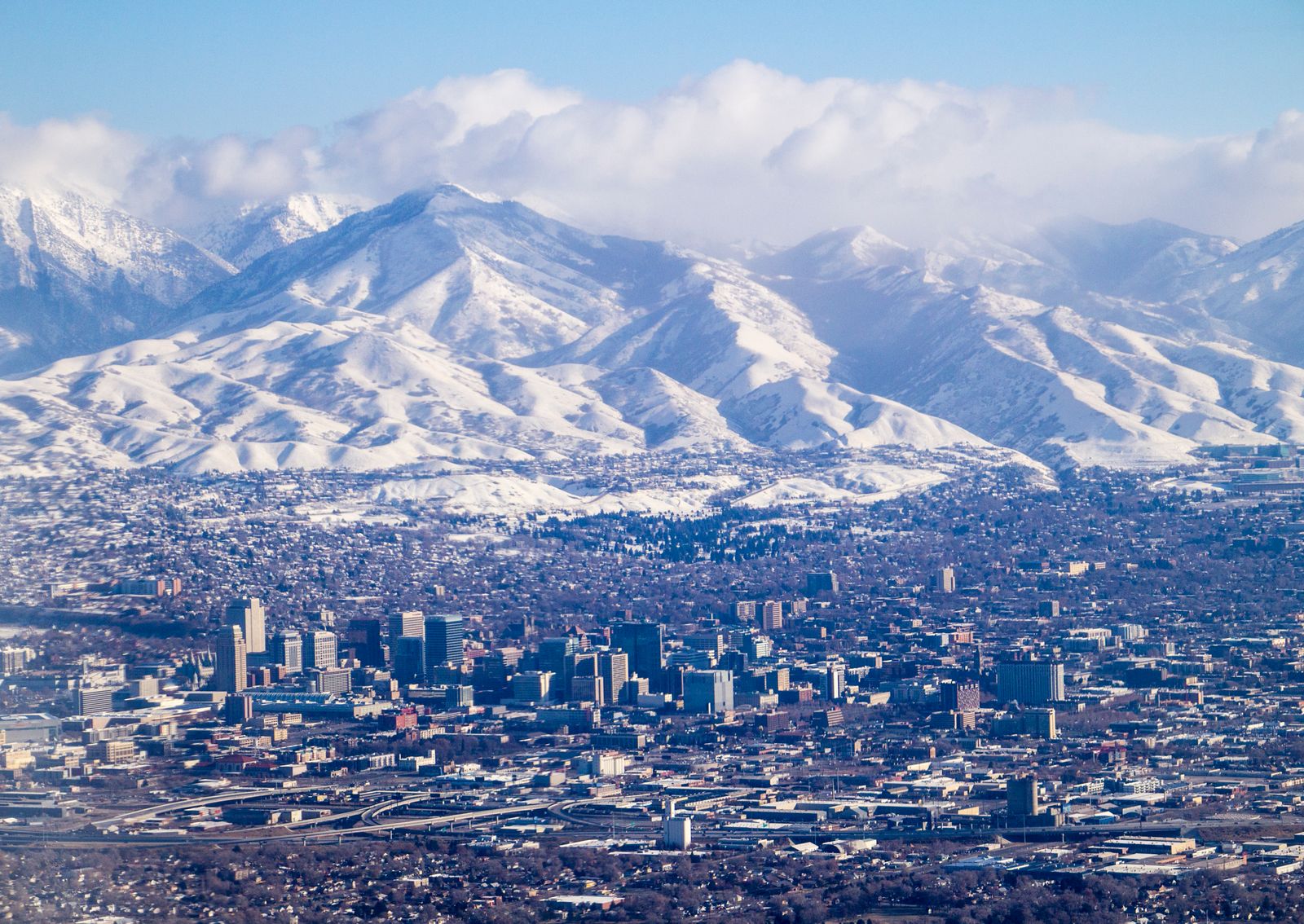
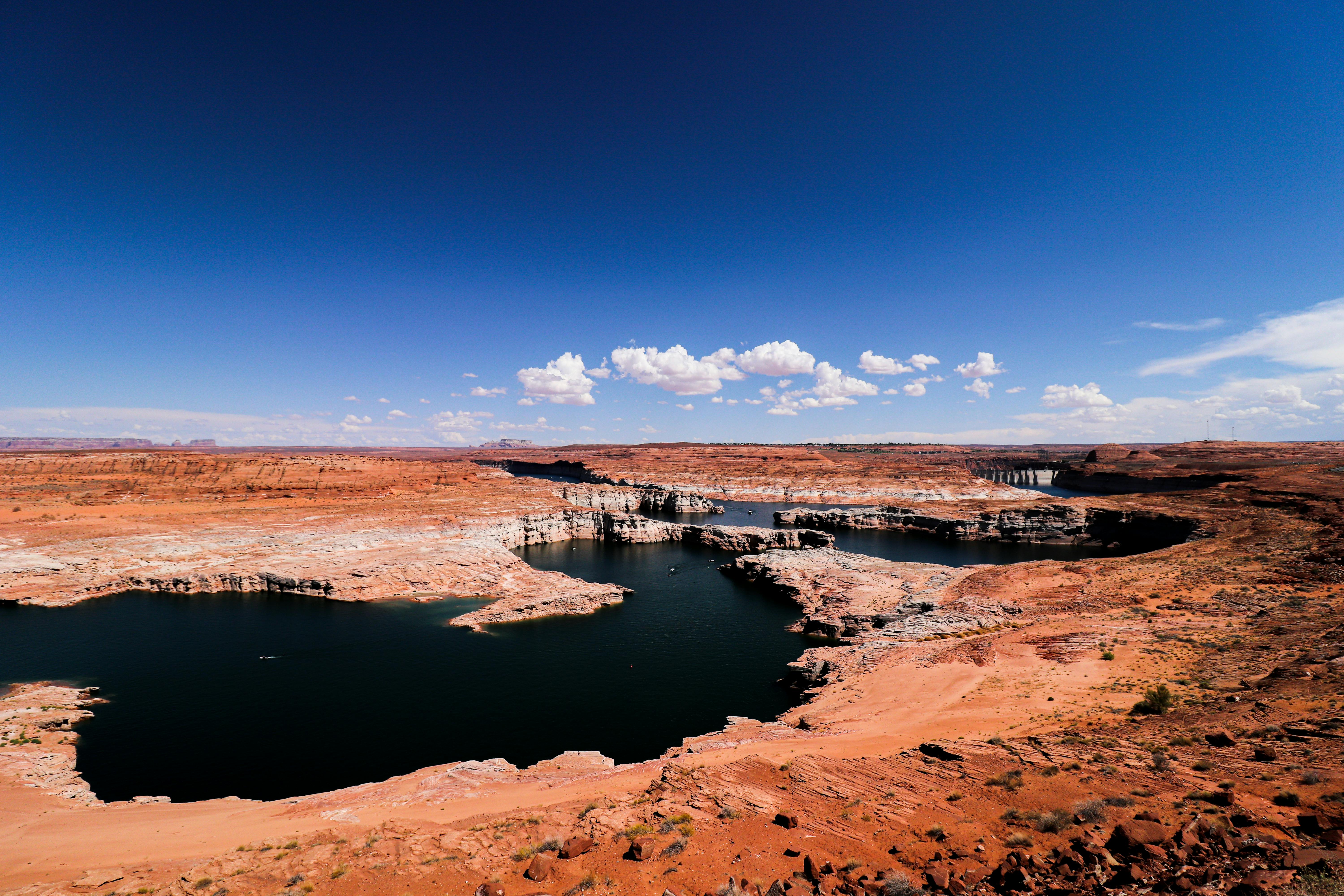
From large parts of the Salt Lake Valley you can be standing at a mountain trailhead in 15 or 20 minutes. Not three and a half hours. In winter, some of the best skiing on the planet is right up the canyon from the city. Alta, Snowbird, Brighton, Solitude, Park City, Deer Valley, Snowbasin. Utah trademarked the phrase the greatest snow on Earth, and it earns it. Then the whole southern half of the state is a national park wonderland: Zion, Bryce Canyon, Arches, Canyonlands and Capitol Reef, plus more than 40 state parks. Red rock, alpine lakes, desert and powder, all inside one state line.
What people from big metros underestimate is not that the outdoors exists near you. It's how it reorganizes your daily life. When a mountain is 15 minutes away, you start using it. You ski before or after work. You hike after dinner in summer because it stays light late. Your kids grow up outside.
So be honest with yourself about whether you're an outdoors person in reality or just in theory, because the outdoors is the single biggest thing you're paying that cost of living premium for. If you'll genuinely use it, Utah is one of the best values in the country. If you'll admire the mountains from the couch, there are cheaper places to admire a view.
4. The Quiet Reason Nobody Puts in the Brochure
This one is harder to put a number on and it might be the most powerful driver once people are actually here. I'd call it stability. The sense that the ground under your life is solid.
Start with what we can measure. Utah has one of the youngest populations in the country and one of the strongest, most diversified economies. It keeps landing at or near the top of best economy and best state for business rankings year after year. Healthcare here is rated among the best in the nation. And the practical machinery of daily life, the roads, the rec centers, the new schools, the master planned communities with a park every few blocks, is genuinely well built and still being built. It's a state visibly investing in itself.
The part people struggle to articulate is the feel of it. There's a pace here that people coming from bigger, faster metros often describe as relief. Shorter commutes, town centers built at a walkable scale, and infrastructure that generally works and keeps getting built.
I'll be fair though: that slower, more settled pace is exactly what some people find takes adjustment. It cuts both ways. My advice is to move here for the jobs and the life you can build, and let the rest be the thing that surprises you.
Who Should Not Move to Utah
This is the part I care about most, because almost nobody will tell you straight.
If you can't stand the idea of winter air sitting in a valley. We get something called an inversion, where a lid of warm air traps colder, dirtier air down in the valley, sometimes for a week or two, sometimes three, during that stretch in January and February. Air quality gets genuinely poor. Locals head up the canyon to get above it, where it's blue sky while the valley is socked in. But if clean winter air is a high priority for your household, you need to know about the inversion before you buy on the valley floor, not after.
If you were counting on Utah being cheap. If your entire plan depends on a low cost of living and you're coming from a genuinely inexpensive part of the country, Utah will stretch you. Come for the life, not the discount.
If you need a dense, 24-hour big city. Salt Lake is a real city and it has grown up a lot, but Utah is not New York or LA or Las Vegas, and the alcohol laws are more particular than what you may be used to. Very manageable once you learn it, but the flavor is different.
If you're not ready for growing pains. All those people moving in are on the freeway with you. Traffic on I-15, especially around the point of the mountain and in high growth areas like Lehi and Saratoga Springs, has gotten real. You're moving to a place that is popular, and popular has a cost in congestion and construction.
If you want the anonymity of a large metro. Utah's cities are smaller and more settled than the coastal metros a lot of people come from, and daily life here moves at a different pace. That suits many people and takes adjustment for others. Spend time in a few different areas before you decide which end of that you land on.
None of these are reasons the state is bad. They're reasons it might not be right for you.
The Part That Actually Determines Whether You Love It
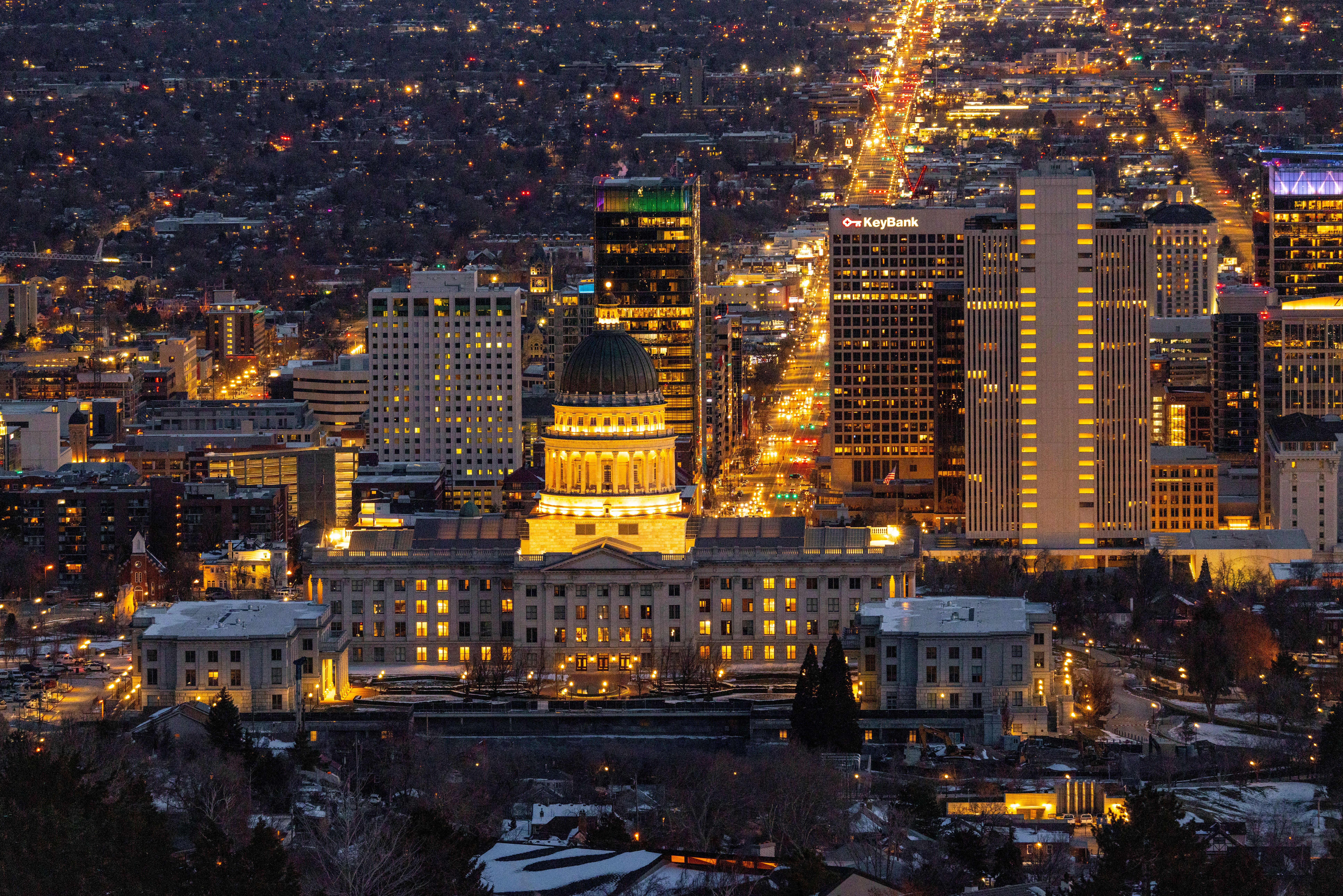
When you picture moving to Utah, you probably picture downtown Salt Lake City or a cabin near Park City. That's not where the wave is actually going.
The fastest growth in the state isn't in the famous places. It's in towns a lot of people outside Utah have never heard of. Saratoga Springs, out on the west side of Utah Lake, has grown around 40% in just a handful of years. Lehi and Eagle Mountain, same story, tens of thousands of new residents each, farmland turned into whole new communities almost overnight. Salt Lake County and Utah County together have been soaking up more than half of the entire state's growth. And down south, St. George is booming on its own as people chase red rock, sunshine and a slower pace.
Here's why that matters more than any top reasons list. The relocators who do great are the ones who realize the value, the new construction, the master planned neighborhoods with parks and trails and a good commute, a lot of that is out in these growth corridors, not in the places the postcards show. The ones who struggle anchored on one famous name, paid up for it, and never looked at the town 20 minutes away that would have fit their life better for far less.
So here's the single most important idea. Moving to Utah is not one decision. It's a dozen very different decisions wearing the same name. Salt Lake City is a different life than Lehi, which is a different life than St. George, which is a different life than Park City. The reasons people move here are real, but your actual happiness comes down to the where. Get that right and every reason pays off.
Thinking About Moving to Utah? Let's Talk.
Utah is one of the fastest-growing states in the entire country, and navigating the cultural landscape alongside the real estate market takes genuine local expertise. Whether you're considering Salt Lake County, Utah County, Davis County, or further out — finding the right neighborhood for your lifestyle, budget, and long-term goals makes all the difference.
My team and I work exclusively with buyers and sellers navigating the Utah real estate market. We help you cut through the noise, match the right submarket to your specific lifestyle and priorities, and make sure you're buying from a position of clarity — not FOMO.
Book a call with us HERE — free 30-minute consultation
Check out our relocation guide HERE
Subscribe to our weekly newsletter HERE
The Steele Group is committed to the letter and spirit of the Fair Housing Act. We do not steer buyers toward or away from any area on the basis of race, color, religion, sex, disability, familial status, national origin, source of income, sexual orientation, or gender identity. Equal Housing Opportunity.
Categories
Recent Posts