Why Utah Is So Weird (And Why That's Exactly Why People Are Moving There)
Why Utah Is So Weird (And Why That's Exactly Why People Are Moving There)
You can ski in shorts. You can get a 44-oz soda with coconut cream and raspberry puree at a drive-through window. Your neighbor might have a snowblower, three mountain bikes, a paddleboard, and what might be a falconry kit — all in the same garage. And on Sundays, the whole state gets noticeably quieter in a way you have to experience to understand. Utah is the most fascinating, weirdest-looking normal state in America, and if you're thinking about moving here, you deserve the full, unfiltered truth about what makes this place tick.
I'm Scott Steele, a real estate broker here in Utah. I've walked hundreds of out-of-state buyers through their first Costco run, their first general conference weekend, their first Dirty Soda. I watch culture shock land in real time. This is the honest insider breakdown nobody puts in the brochures.
1. Utah Has Its Own Food Universe — And It's Genuinely Delicious
Most people don't realize Utah has its own distinct food culture until they're already deep in it. And once you're in, there's no going back.
Fry sauce is where it starts. Roughly equal parts ketchup and mayonnaise — sometimes with a little something extra depending on who's making it. Arctic Circle, a local Utah burger chain, claims to have invented it back in the 1940s. Every burger joint, every drive-through, every local diner serves it. When you're asked "Do you want fry sauce?" and you say no, the cashier will look at you like you personally insulted their grandmother. You've been warned.
Dirty soda — especially Swig — is its own movement. Utah drinks more soda per capita than almost any other state. When a significant portion of the population doesn't drink coffee or alcohol, you build a soda culture that out-Starbucks Starbucks. You walk up to a window, order something like a diet Coke with coconut cream, lime, and raspberry puree, and drive away with what is functionally a dessert in a 32-oz cup. There are entire chains dedicated just to this. TikTokers have built careers on dirty soda recipes. Major celebrity-backed soda brands have launched riding this wave. This is a real, documented modern food category — and it started right here in Utah.
Funeral potatoes are exactly what they sound like: cheesy hash brown casserole topped with crushed cornflakes, baked until golden. Originally served when someone passed away and the entire neighborhood showed up with food — someone always brought the potatoes. Now they show up at potlucks, Sunday dinners, and ward parties. There was an Olympic pin from the 2002 Salt Lake City Winter Games that was literally a funeral potato dish. Not exaggerating.
Jell-O is the unofficial official food of Utah. Green Jell-O specifically — often with shredded carrots in it. Utah lawmakers made it the official state snack. It sounds strange. It tastes fine. You'll serve it at family gatherings eventually.
Cafe Rio is not just a restaurant. It's a unit of cultural measurement. People plan their week around it. The sweet pork salad is essentially Utah's state dish. There are deeply held opinions about cilantro lime rice vs. black beans vs. pinto beans. Don't get started.
2. Sunday in Utah Is Its Own Thing
Roughly half of Utahns are members of the Church of Jesus Christ of Latter-day Saints. In smaller cities and towns, that number jumps significantly. And one of the most tangible things that comes with it is a cultural Sunday rhythm you cannot find in most other states.
A lot of restaurants are closed — not all, but a meaningful number of local favorites either shut down entirely on Sundays or run short hours. State-run liquor stores are closed on Sundays and major holidays. Costco is open, and it's simultaneously empty and also full of every dad in a polo shirt buying rotisserie chickens.
The real thing you notice is the energy. There's a quietness to Sunday in Utah that you have to feel to understand. Streets are calmer. Driving is calmer. There's a collective exhale that happens. Nobody's checking up on you. Nobody's enforcing anything. It's just the cultural default — and it exists whether or not you participate.
A quick liquor law note while we're here: Utah used to require restaurants to mix drinks behind a literal wall called the "Zion Curtain." They got rid of it a few years ago, but you can still feel the residue. Beer in grocery stores was capped at a lower ABV until 2019 when that changed. Bars exist and they're great, but the relationship between Utah and alcohol is its own dance you'll learn quickly.
Here's the surprising part: after a while, you start to like Sundays in Utah. One day a week the volume gets turned down. You hear yourself think. You sit on the porch. You make a slow breakfast. And then one day you find yourself defending it to your cousin visiting from California.
3. Utah's Address Grid System Is a Work of Genius
This one sounds boring until you actually experience it — and then it quietly ruins every other city for you forever.
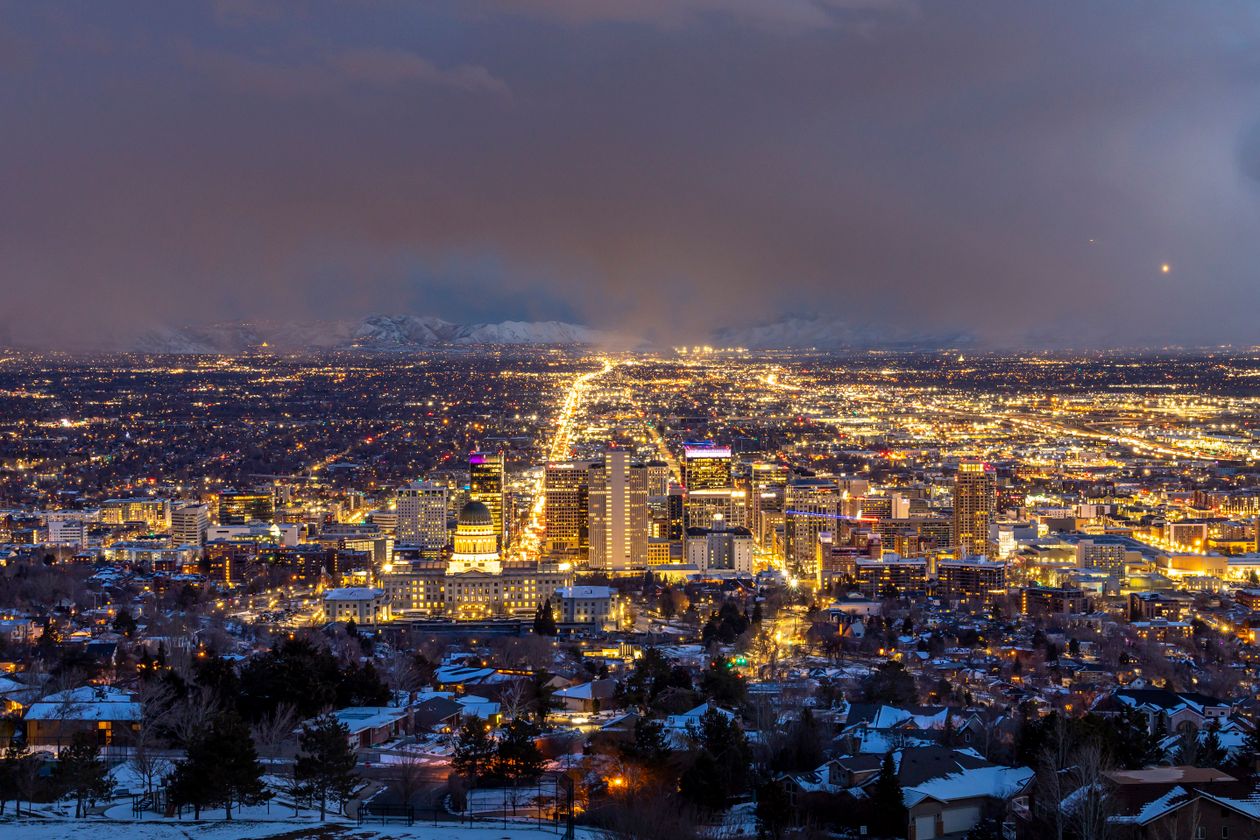
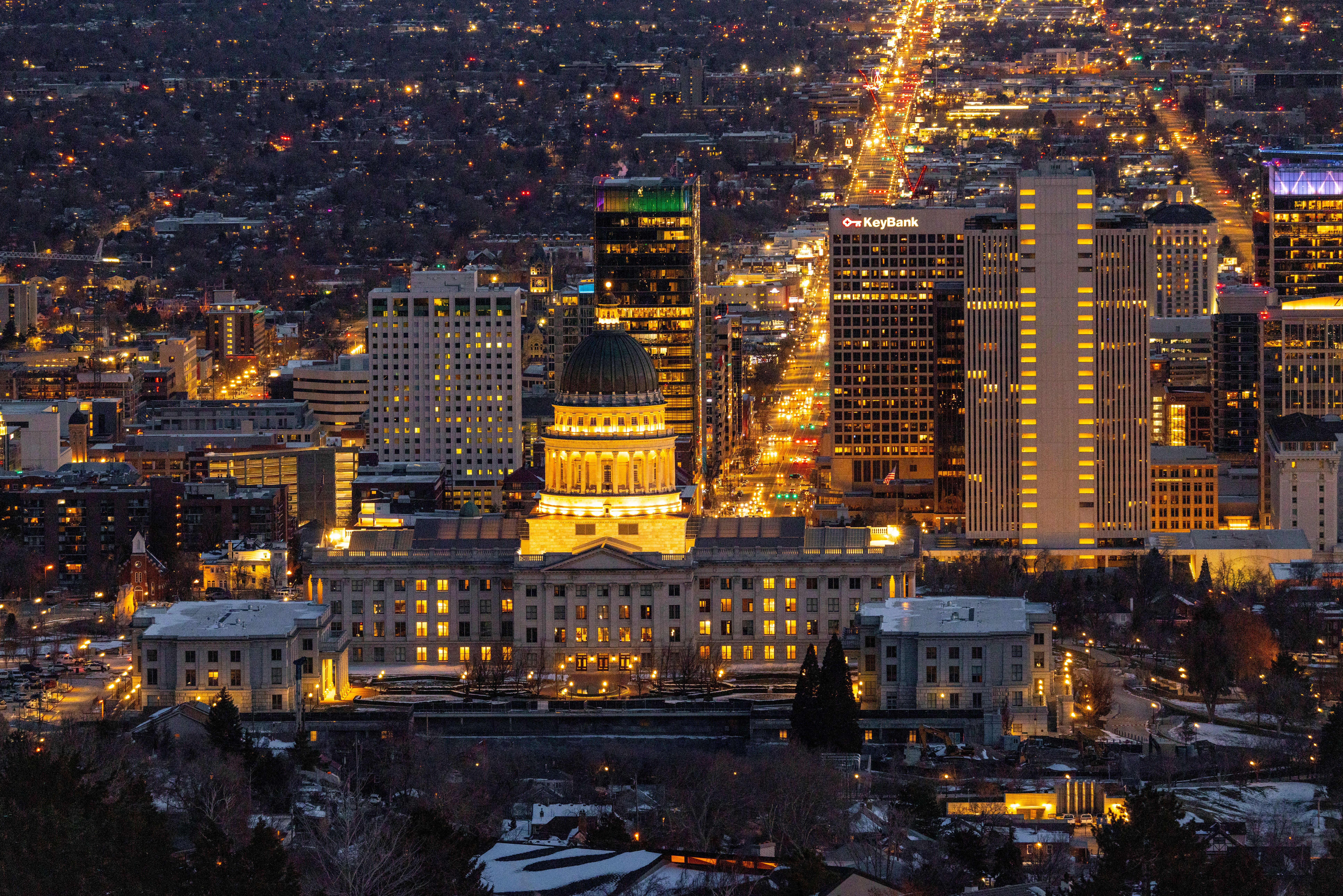
Utah, especially along the Wasatch Front, runs on a numbered grid system that tells you exactly where any address is in physical space. Most cities have a center point — in Salt Lake City, it's Temple Square. From that point, addresses radiate outward in numbered increments: 100 South, 200 South, 300 South, and so on. The numbers correspond to actual blocks.
If someone tells you an address is at 1300 East, 5400 South, that means the house is 13 blocks east and 54 blocks south of Temple Square. That's the whole code. Once it clicks, you can navigate anywhere without GPS. You pull off the freeway in a town you've never been to, look at one street sign, and within 30 seconds know exactly where you are.
The system extends across most cities along the Wasatch Front — Provo, Orem, Lehi, Sandy, Herriman, Draper, Riverton. The numbers stay consistent. You can drive 50 miles south of Salt Lake City and still locate yourself by the same logic. Brigham Young had this laid out in the original city planning days and it's expanded ever since.
Out-of-staters go glassy-eyed when locals casually say, "Yeah, that's at about 11,400 South." Then six months later, they're doing the exact same thing.
4. The Demographics Here Are Genuinely Unusual
Utah has the youngest median age in the entire country — hovering around 31 years old while the US average creeps toward 38 or 39. That gap shows up everywhere: youth sports leagues, school crowding, housing demand, grocery stores with 14 different cart sizes including the one shaped like a tiny race car your kid will refuse to get out of.
Utah also has the highest birth rate in America. It's been declining slightly over the past decade like everywhere else, but it's still number one. Kids are everywhere. You'll be at a restaurant on a weeknight and do quick math on what the noise floor must be like on a Saturday.
Family sizes here are genuinely different. Four or five siblings is not unusual. Seven or eight is not unheard of. Cousins by the dozens. Family reunions in Utah aren't gatherings — they're conferences. Some families rent entire campgrounds.
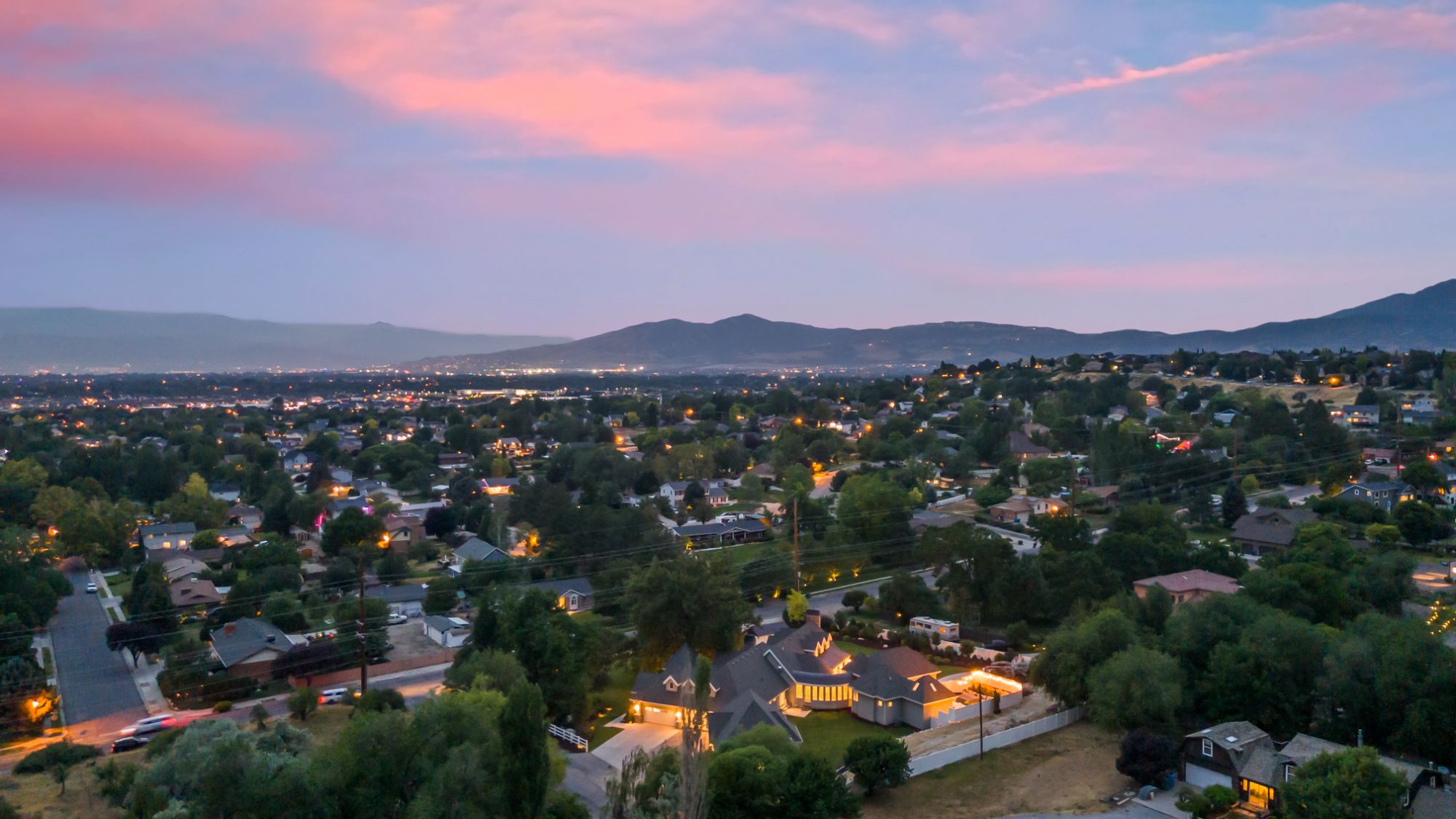
This shows up in the housing market in a real way. Demand for four and five-bedroom homes is through the roof. Big yards matter. Neighborhoods with multiple parks matter. School ratings matter enormously. If you've been house shopping somewhere where two-bedroom condos are the norm, getting to Utah will feel like stepping into the suburbs of the '90s — in a genuinely charming way.
Utah is also one of the fastest-growing states in the country — consistently top five, if not number one, year over year. Some of that is birth rate. A lot is in-migration. The tech jobs along Silicon Slopes (the Lehi-Draper corridor) have pulled people in from California, Texas, Washington, and across the country. The state has added something like a half million people in the last decade or less. The home prices, the traffic on I-15, and the construction cranes all reflect this.
5. Utah Is the Side Hustle Capital of America
This is documented. Utah has historically had one of the highest concentrations of multi-level marketing companies, entrepreneurial ventures, and small businesses per capita in the country. dōTERRA, Young Living, Nu Skin, USANA — all headquartered right here. The MLM industry has deep roots here, and there's a reason: it overlaps with a cultural emphasis on family, stay-at-home parents who want flexible income, and community networks that make person-to-person selling actually work.
But it goes way beyond MLMs. Utah has one of the highest rates of self-employment, side businesses, and small business formation in the entire country. Etsy shops, photography businesses, wedding videography, boutique resale stores, fitness instructors, custom printing. There's a reason every other strip mall has a small business nobody outside Utah has ever heard of that's somehow thriving.
Then there's the tech layer: Silicon Slopes. The corridor between Salt Lake City and Provo is one of the most active startup ecosystems in the country. Qualtrics, Pluralsight, Domo, Lucid, Podium — all built here. Some of those companies sold for billions. The amount of capital floating around Utah right now is genuinely wild.
There's a cultural reason for all of this. Utah has a strong "bet on yourself" ethic. Combine that with lots of young people, large families that need extra income, and a missionary background where 19-year-olds spend two years learning to confidently knock on doors and face rejection, and you have the most pre-trained salesforce in America.
If you're an entrepreneur considering Utah, you will not be alone. If you have a side hustle and want to take it full-time, this is one of the best states in the country to do that. Low taxes, reasonable regulation, tons of community, mentors everywhere, and a customer base that genuinely supports small businesses. You'll move here for the mountains. Two years later you'll have an LLC.
6. The Geography Is Physically Incoherent — In the Best Way
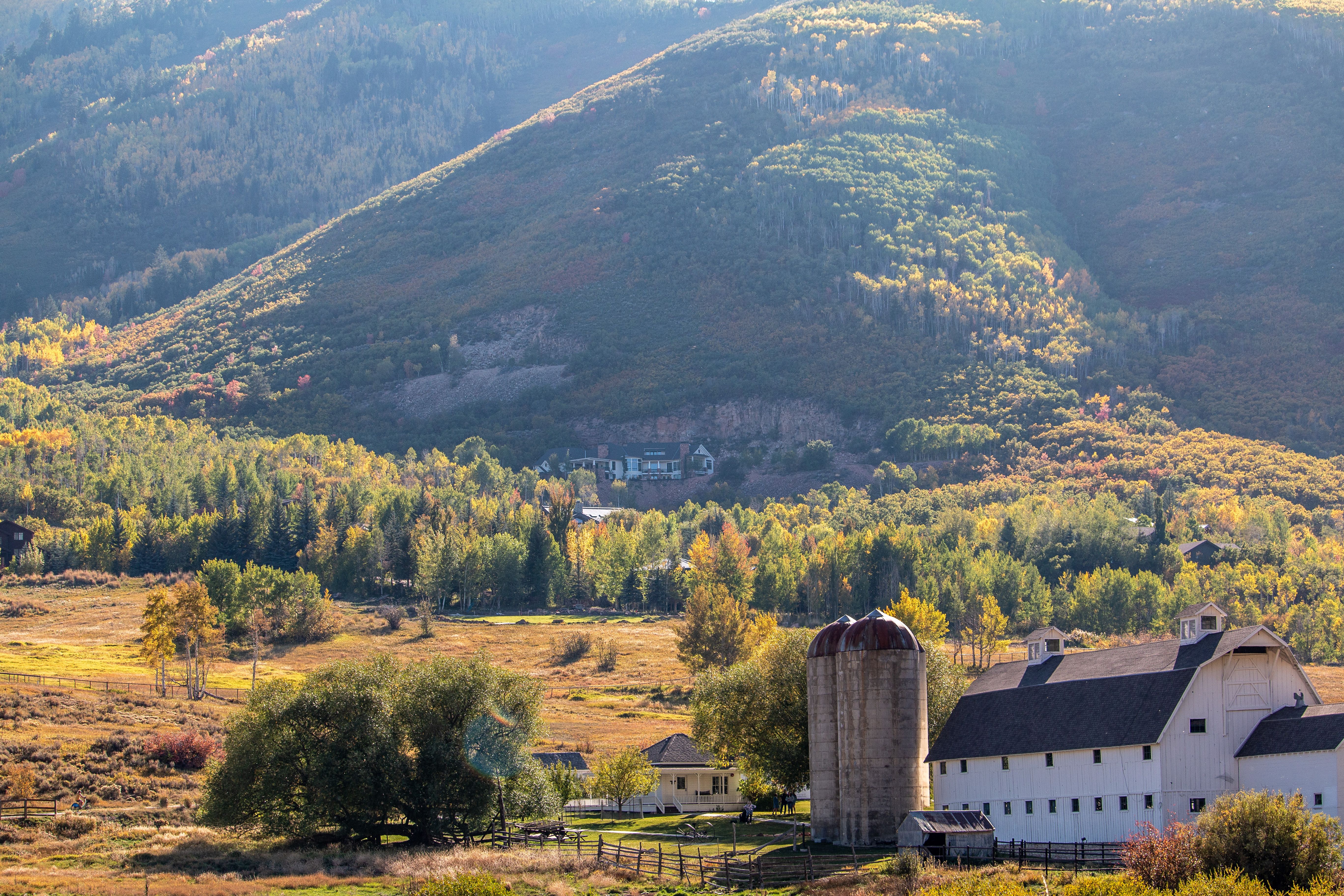
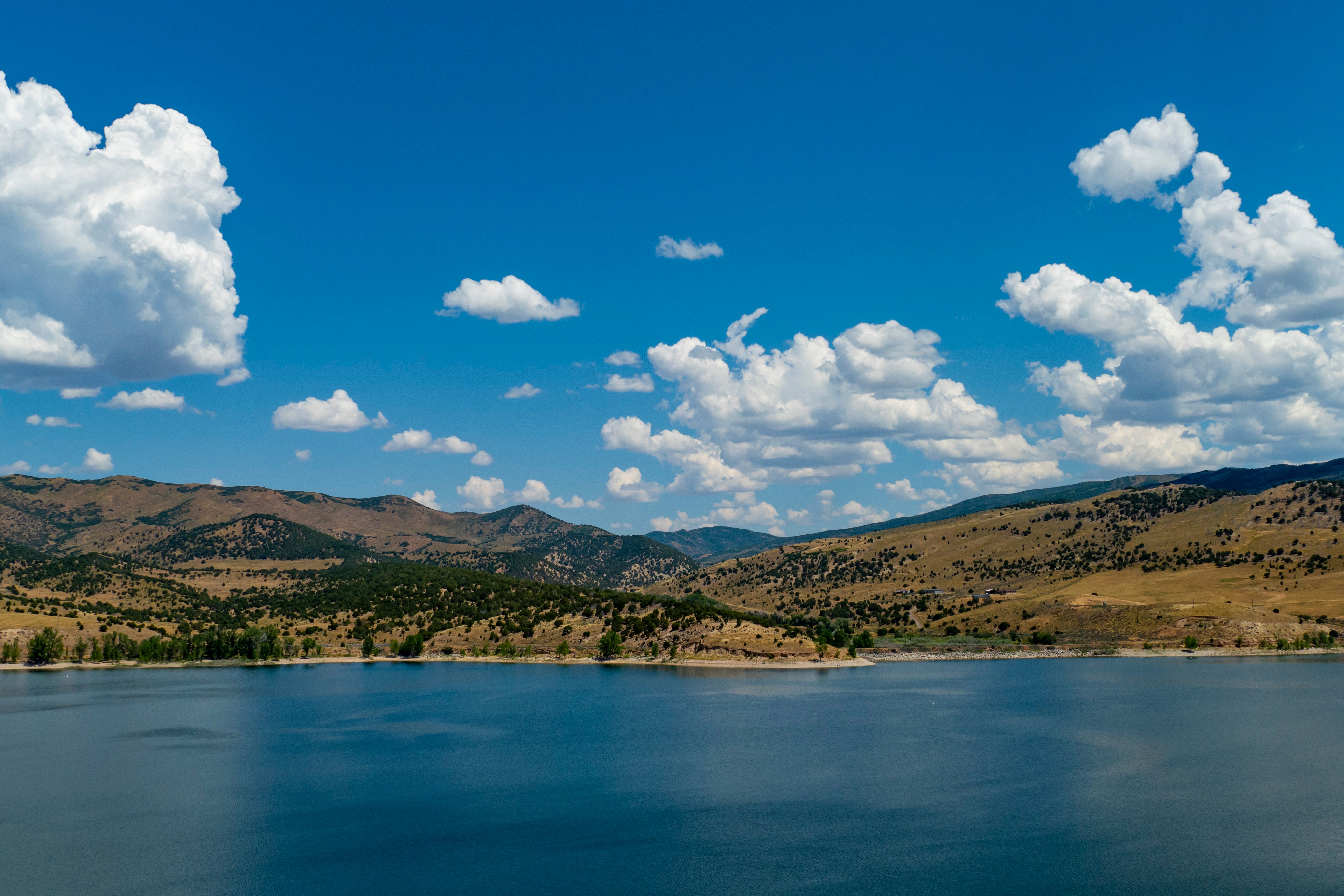
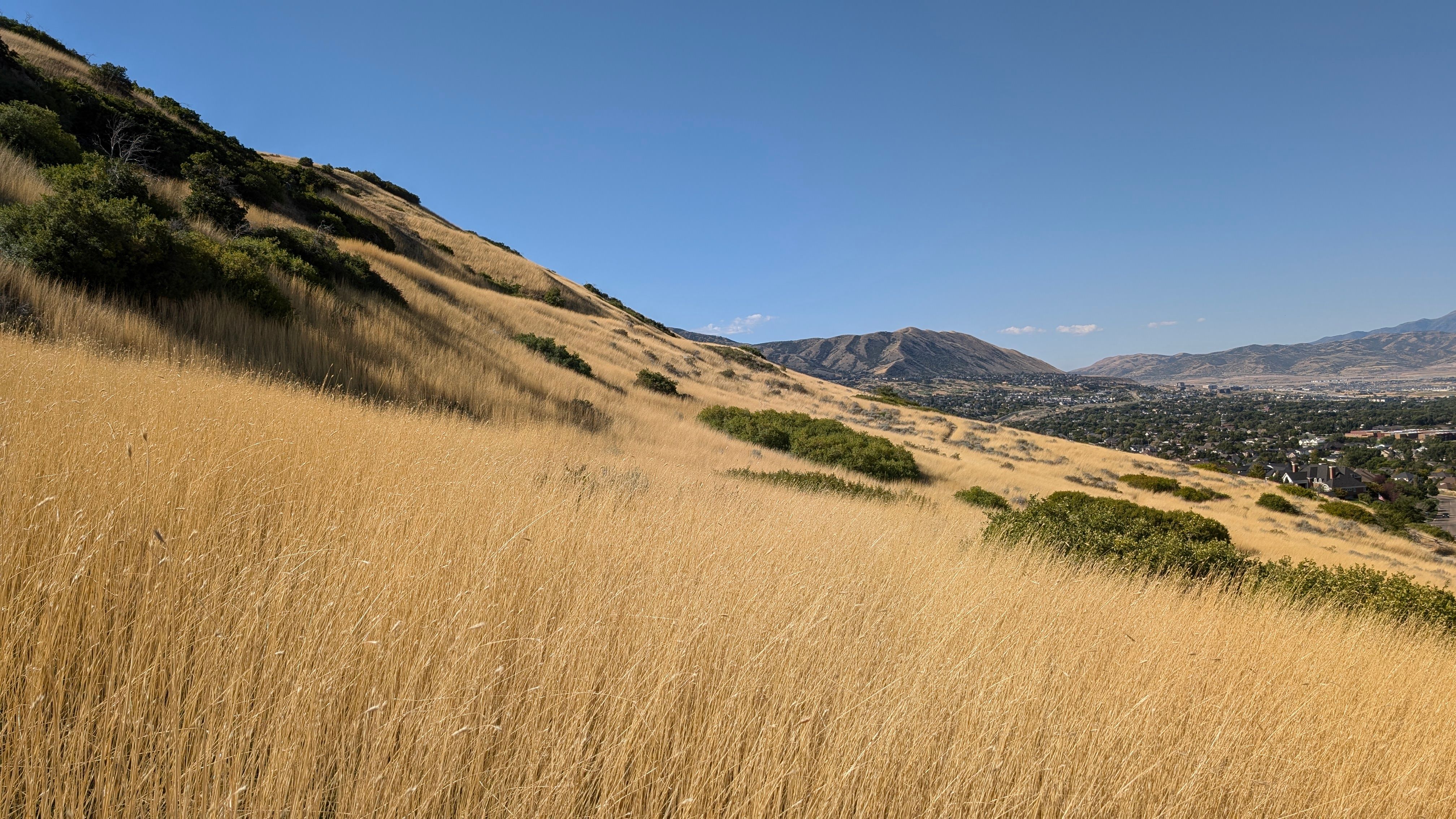
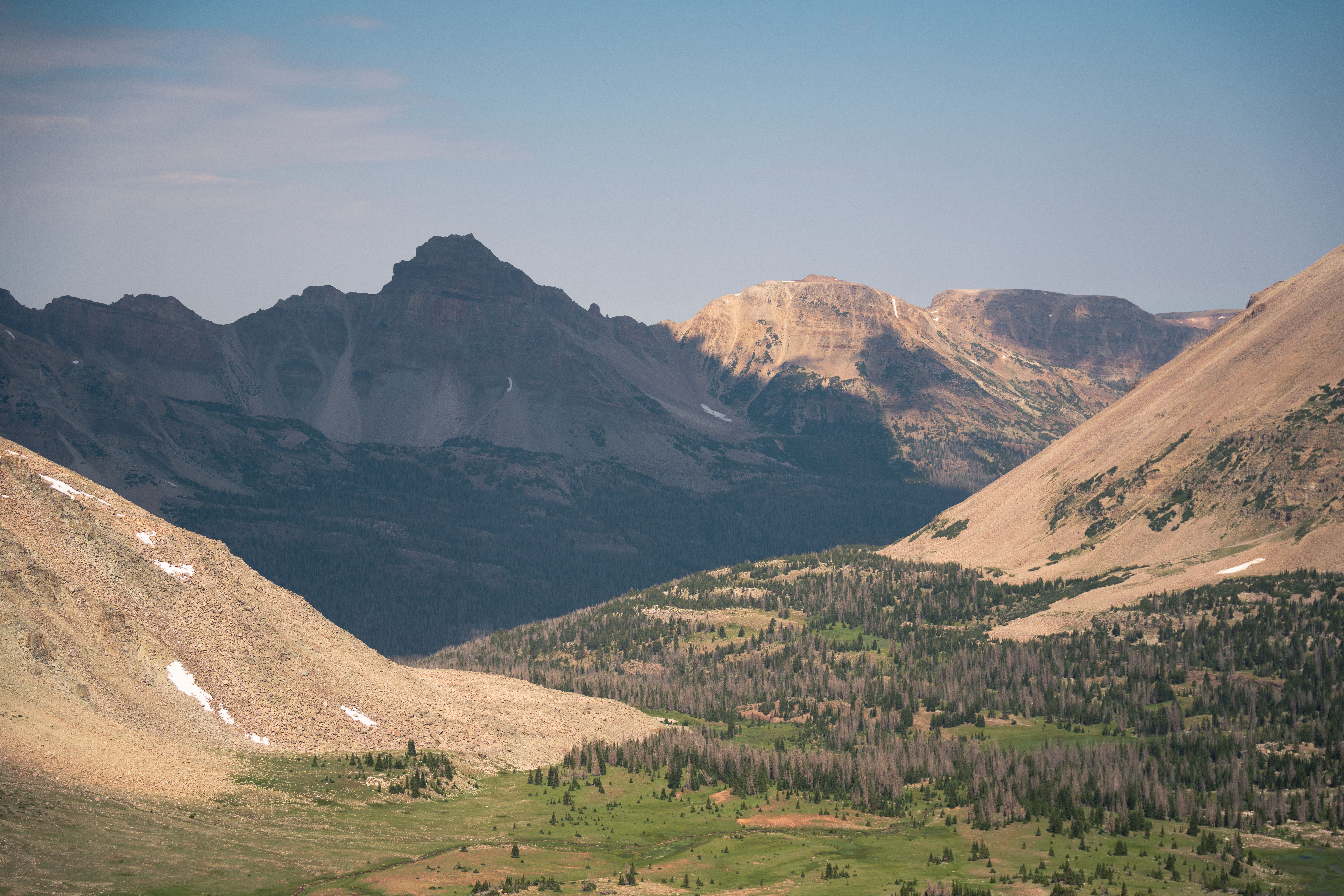
In any given week in Utah, you can ski powder, paddleboard a reservoir, hike red rock arches, drive across salt flats, and look out at a saltwater lake with its own ecosystem. All in the same state. Sometimes in the same day.
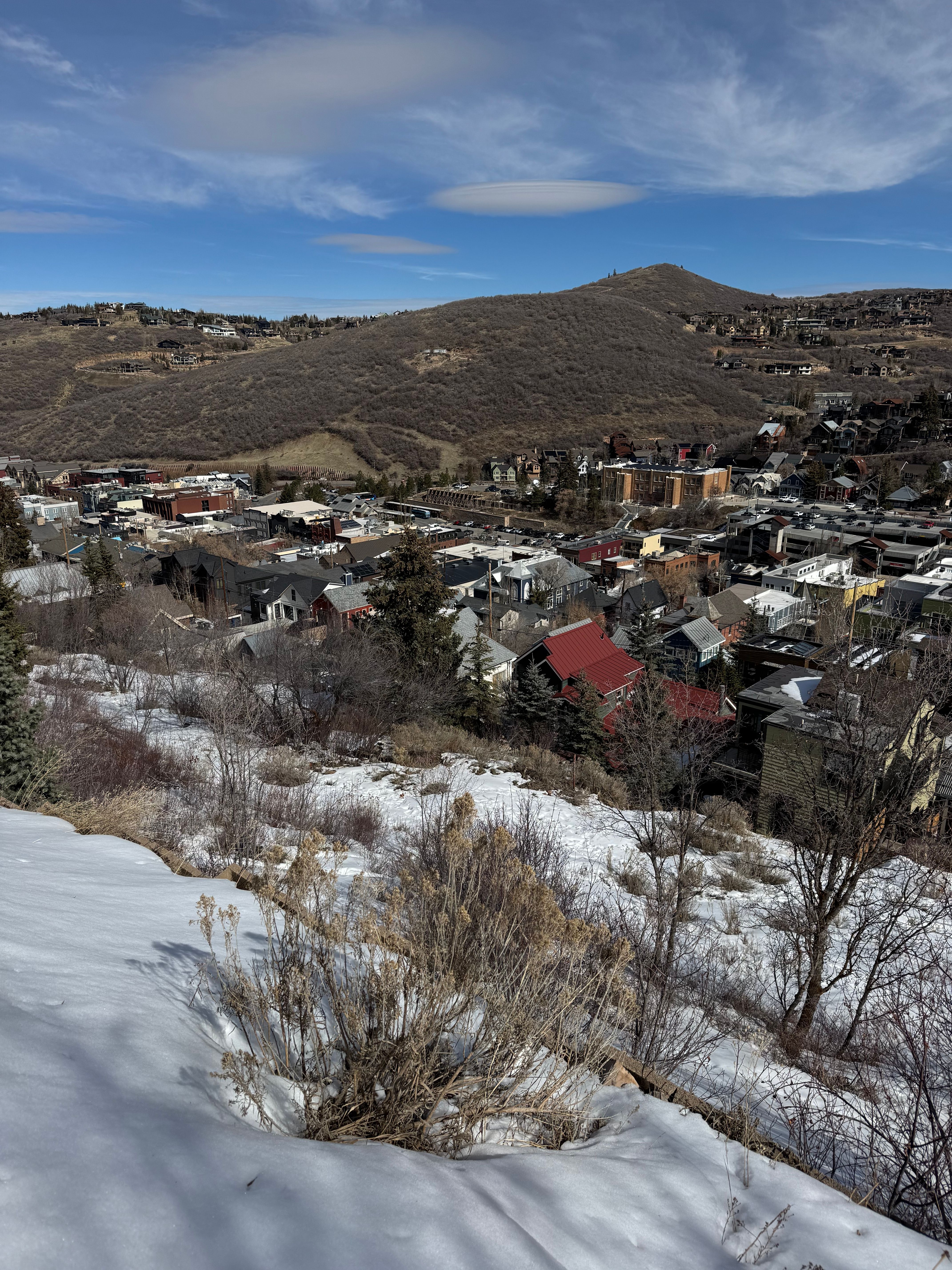
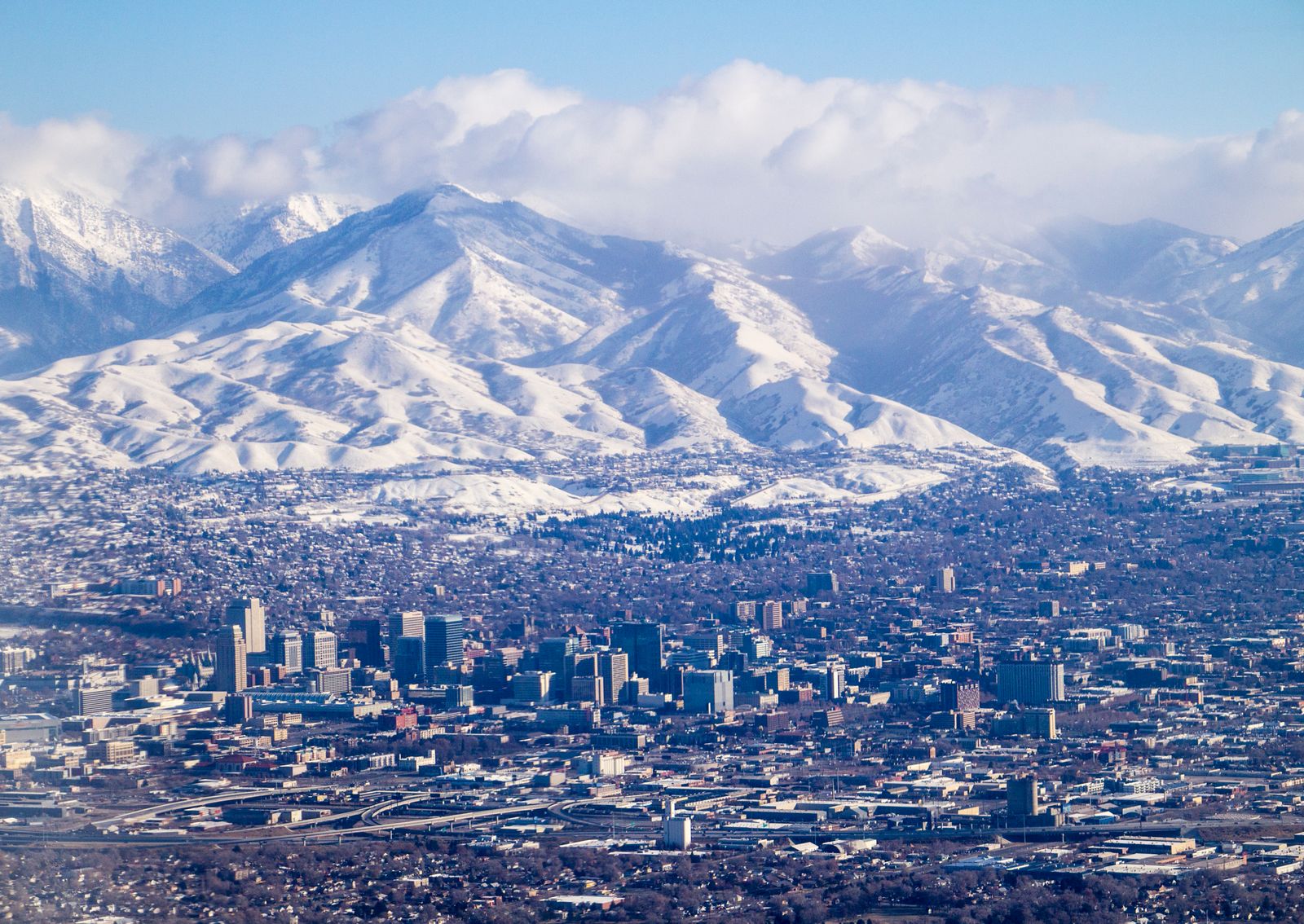
The Wasatch Front — where most people live — sits at the base of mountains that get some of the deepest, driest snow in North America. The combination of cold, dry mountain air and storm tracks over the Great Salt Lake produces snow with such low water content that skiing it feels like flying through smoke. There are skiers who fly from Europe specifically for this. There are 11 ski resorts within an hour of Salt Lake City International Airport.
Drop south four hours and you're in Red Rock Country: five national parks (Zion, Bryce Canyon, Arches, Canyonlands, Capitol Reef), Moab, St. George. Each one looks like a different planet. Zion looks like the Grand Canyon got dressed up. Bryce Canyon looks like a Dr. Seuss illustration. Arches looks like Mars.
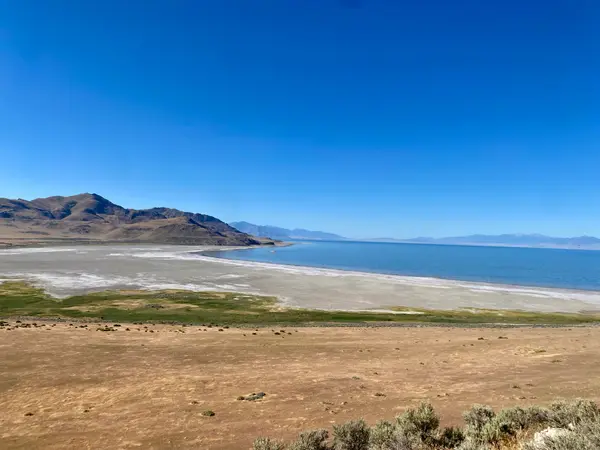
Then there's the Great Salt Lake — saltier than the ocean, the largest saltwater lake in the Western Hemisphere. It's also shrinking, which has become a real conversation in this state. Lower water levels expose lake bed with trace minerals and dust that can affect air quality. There's been serious legislative and conservation work over the last four to five years: water rights reforms, agricultural changes. The lake matters way beyond recreation — it matters for the entire air quality of the Wasatch Front.
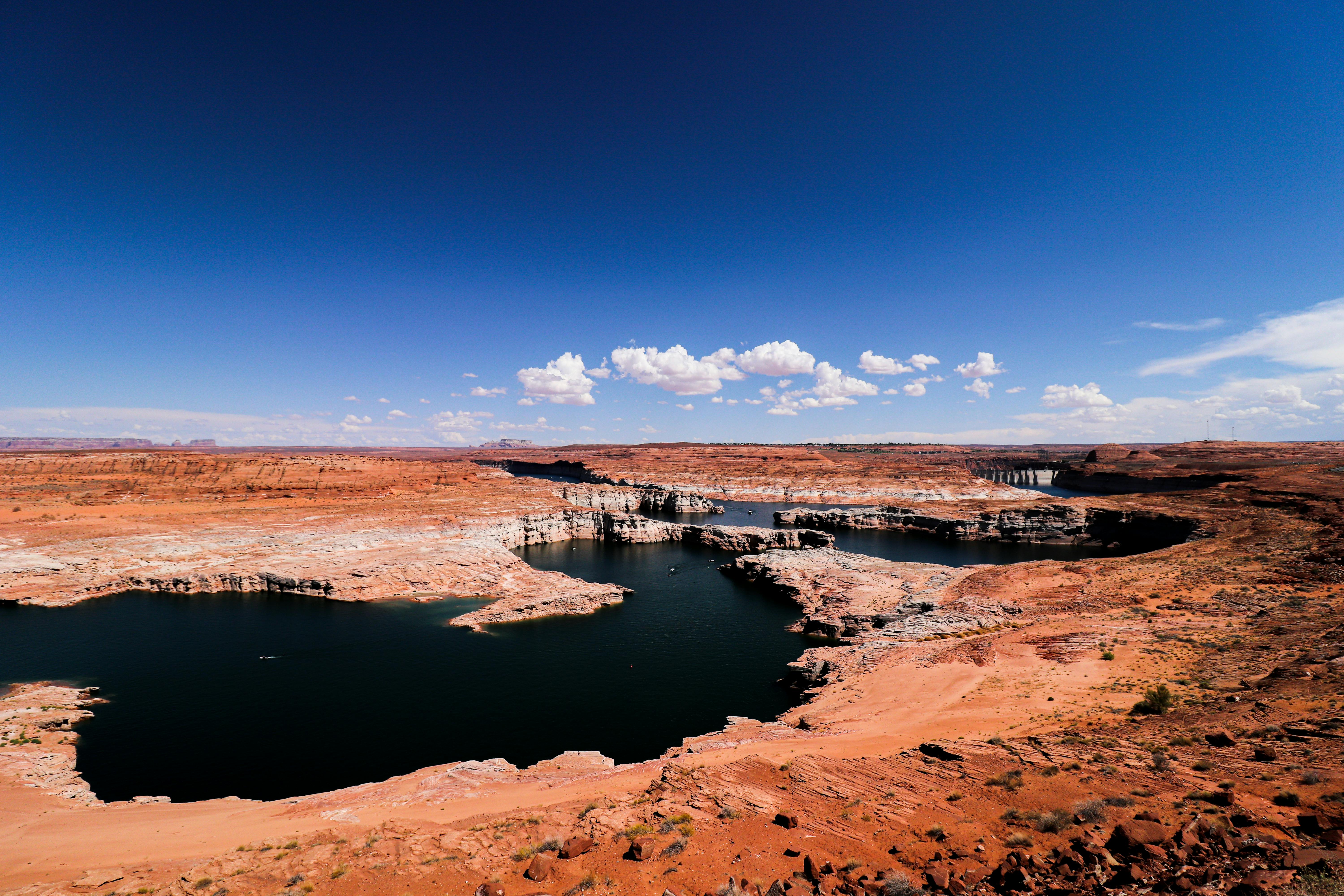
The Bonneville Salt Flats to the west look like the surface of an alien planet and have been used for land speed records for over a century. The Uinta Mountains to the east are one of the only east-west running mountain ranges in the entire country, with hundreds of alpine lakes tucked inside. Lake Powell to the south is a man-made reservoir — the second largest in the country — that looks like someone flooded a slot canyon system because that's exactly what they did.
Utah doesn't fit into a category. It's not really a mountain west state like Colorado. It's not really a desert state like Arizona. It's not really a Great Basin state like Nevada. It's all of those at once.
7. The Real Reason Utah Is Weird: Community Still Actually Works Here
The food is funny. The address grid is clever. The geography is dramatic. The demographics are unusual. The Sunday rhythm is distinctive. The side hustle culture is impressive. But those are symptoms — surface-level expressions of the actual thing.
The real reason Utah is so weird is that it's one of the last places in America where community in the original sense of the word still genuinely functions.
In most of America, your neighbors are strangers. You wave. You take in their package. Maybe you know their dog's name. There's no infrastructure of relationship. In Utah, that infrastructure is everywhere — and a lot of it comes from the LDS ward system, which divides neighborhoods into geographic congregations. Your neighbors are also your church family. People bring meals when you have a baby. People show up when you move. People stop by when someone dies. The Relief Society functions like a living, breathing community support network that most states simply don't have an equivalent for.
But here's the part most people miss: it's not just an LDS thing. The cultural pattern bleeds into the entire state. You don't have to be a member of the Church of Jesus Christ of Latter-day Saints to live in a Utah neighborhood and have your neighbors actually know you. There's a baseline of friendliness here that surprises almost everyone who moves from a major city.
Utah consistently ranks near the top of the country for volunteerism. Charitable giving per capita is among the highest in the nation. Trust in neighbors is well above the national average. Watch what happens when somebody has car trouble on the side of the road in Utah. Watch how strangers hold doors 10 seconds longer than necessary. That's not an accident.
Some people find this intensity takes some adjustment. Some find it intrusive at first. But it is real — and it's the load-bearing weirdness underneath everything else. It's the thing you actually feel after living here for a year: you are on the inside of a community in a way you may not have experienced as an adult anywhere else.
That's what makes Utah, in my experience, one of the most underrated places to live in the entire country. Reality exceeds expectations here every single time.
Thinking About Moving to Utah? Let's Talk.
My team and I work exclusively with buyers navigating the Utah real estate market. We help you cut through the noise, match the right neighborhood to your specific lifestyle and priorities, and make sure you're buying from a position of clarity — not FOMO.
Whether you're zeroing in on Salt Lake City homes, Draper real estate, Lehi new construction, or somewhere else entirely, the process starts with a conversation. The call is free. Getting the wrong answer on a home purchase is not.
Book a call with us HERE — free 30-minute consultation
Check out our relocation guide HERE
Subscribe to our weekly newsletter HERE
Scott Steele | HOME@TheUtahReel.com | 801-680-8050 | www.TheUtahReel.com
Categories
Recent Posts